Ineffective Counsel Motion Form With Motion In Philadelphia
Description






Get your form ready online
Our built-in tools help you complete, sign, share, and store your documents in one place.
Make edits, fill in missing information, and update formatting in US Legal Forms—just like you would in MS Word.
Download a copy, print it, send it by email, or mail it via USPS—whatever works best for your next step.
Sign and collect signatures with our SignNow integration. Send to multiple recipients, set reminders, and more. Go Premium to unlock E-Sign.
If this form requires notarization, complete it online through a secure video call—no need to meet a notary in person or wait for an appointment.
We protect your documents and personal data by following strict security and privacy standards.

Make edits, fill in missing information, and update formatting in US Legal Forms—just like you would in MS Word.

Download a copy, print it, send it by email, or mail it via USPS—whatever works best for your next step.

Sign and collect signatures with our SignNow integration. Send to multiple recipients, set reminders, and more. Go Premium to unlock E-Sign.

If this form requires notarization, complete it online through a secure video call—no need to meet a notary in person or wait for an appointment.

We protect your documents and personal data by following strict security and privacy standards.
Looking for another form?
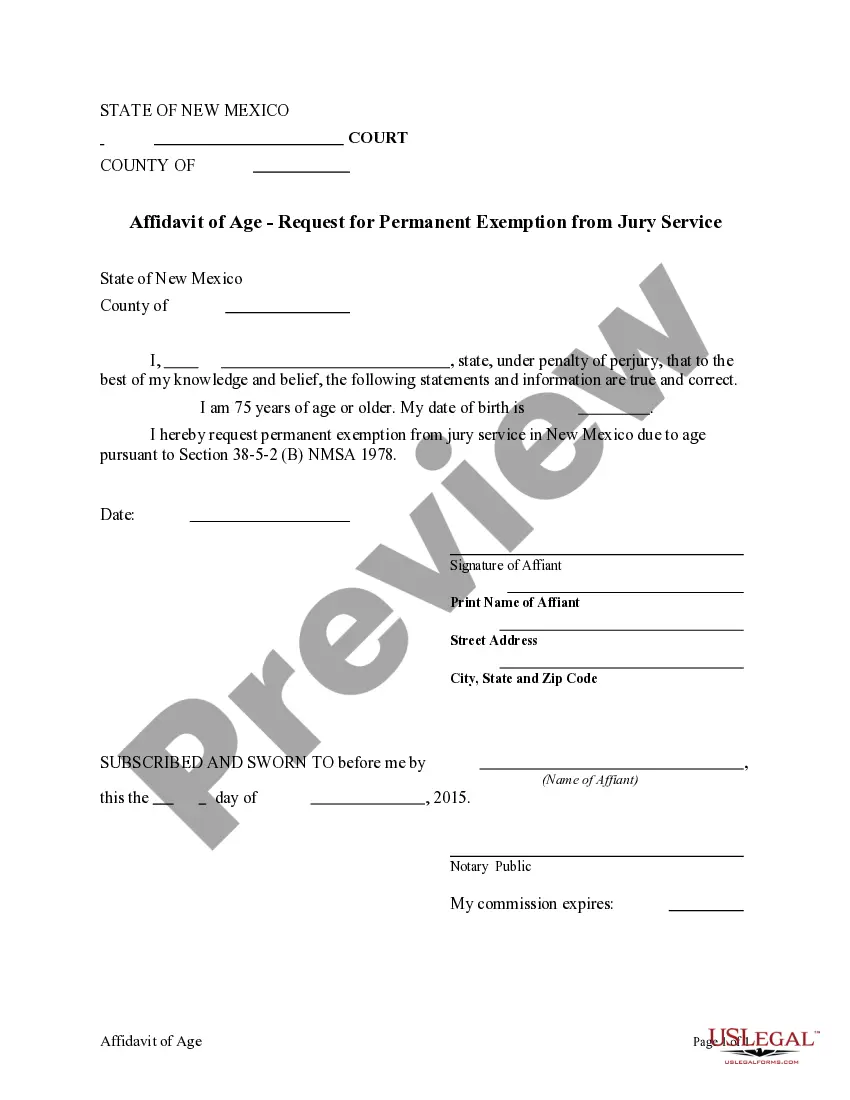
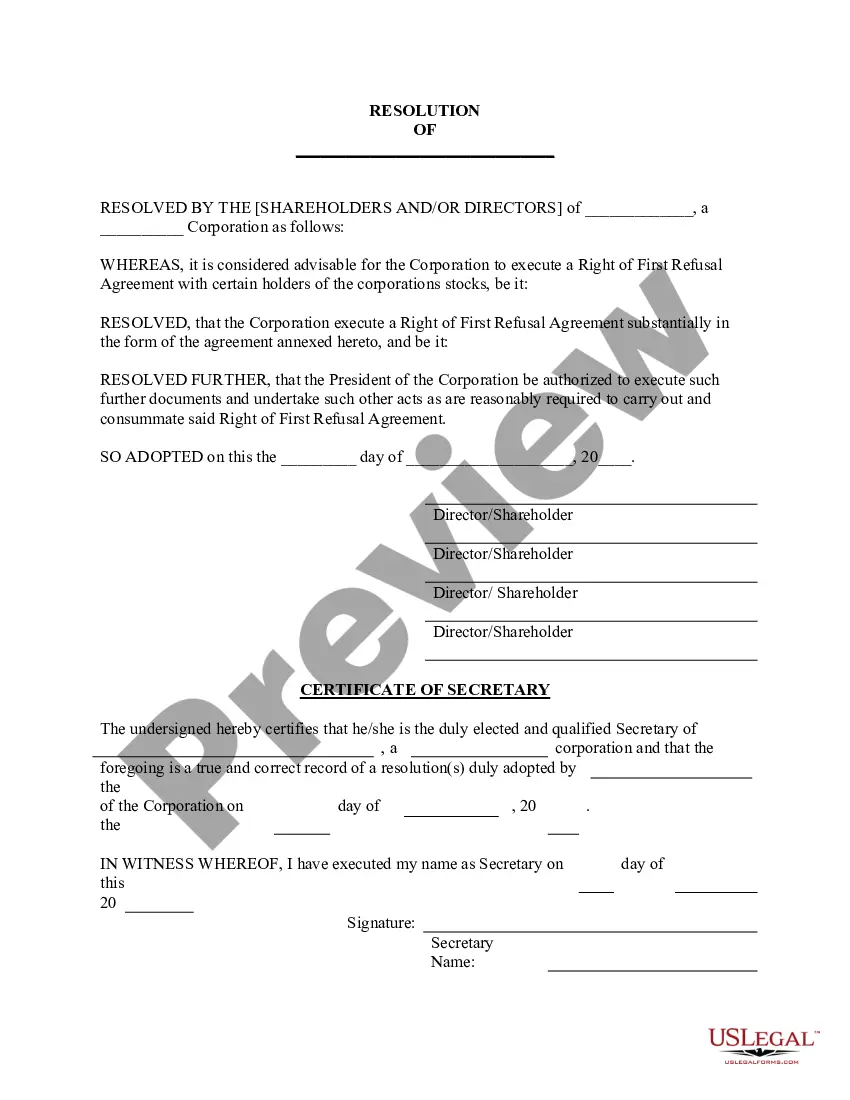








Form popularity
FAQ
To successfully defeat a motion to dismiss, a pro se plaintiff must rebut the following potential assertions: The plaintiff's allegations don't fit the facts of the case. There is a missing element of the claim. There are no factual allegations in the complaint, only conclusions.
If you want to file a motion, the process is generally something like this: You write your motion. You file your motion with the court clerk. The court clerk inserts the date and time your motion will be heard by the judge. You “serve” (mail) your motion to the other side.
A removal proceeding that has been terminated can be re-opened or refiled, and termination offers only temporary relief from potential deportation. If a removal proceeding is dismissed, that dismissal is generally permanent and cannot be reopened or renewed.
A motion to dismiss is typically filed by a defendant at the outset of a case. The purpose of this motion is to argue that even if all the allegations in the plaintiff's complaint are true, there is no legal basis for the lawsuit to proceed.
Rule 587 - Motion for Dismissal (a)Untimely Filing of Information. (1) Upon motion and a showing that an information has not been filed within a reasonable time, the court may order dismissal of the prosecution, or in lieu thereof, make such other order as shall be appropriate in the interests of justice.
Similar variation across courts was seen in motions to dismiss and motions for summary judgment. Across all cases, the mean time to rule on Rule 12 motions was almost 130 days, but when broken down by district the mean time varied from 63 days in the fastest court to 176 days in the slowest court.
Write your legal argument by stating the rule and explaining how your facts apply to it. Then, add your signature, a Certificate of Service, and a Notice of Hearing. File your motion with the clerk of court overseeing your case. Then, give copies to each defendant.
R.C.P. 440; (2) the non-moving parties shall file a response within twenty (20) days of the service of the motion, may attach any document, pleading or item not attached by the moving party, and shall include a brief or memorandum of law as provided in Phila.
The first lines of your motion should state your name and role in the case, and what you are asking the judge to do. Traditionally, the first line begins "Comes now the defendant," followed by your name. Then you state that you're asking the court to dismiss the plaintiff's complaint.
If you want to file a motion, the process is generally something like this: You write your motion. You file your motion with the court clerk. The court clerk inserts the date and time your motion will be heard by the judge. You “serve” (mail) your motion to the other side.
