Habeas Corpus For Child Detained By Parent In Mecklenburg
Description
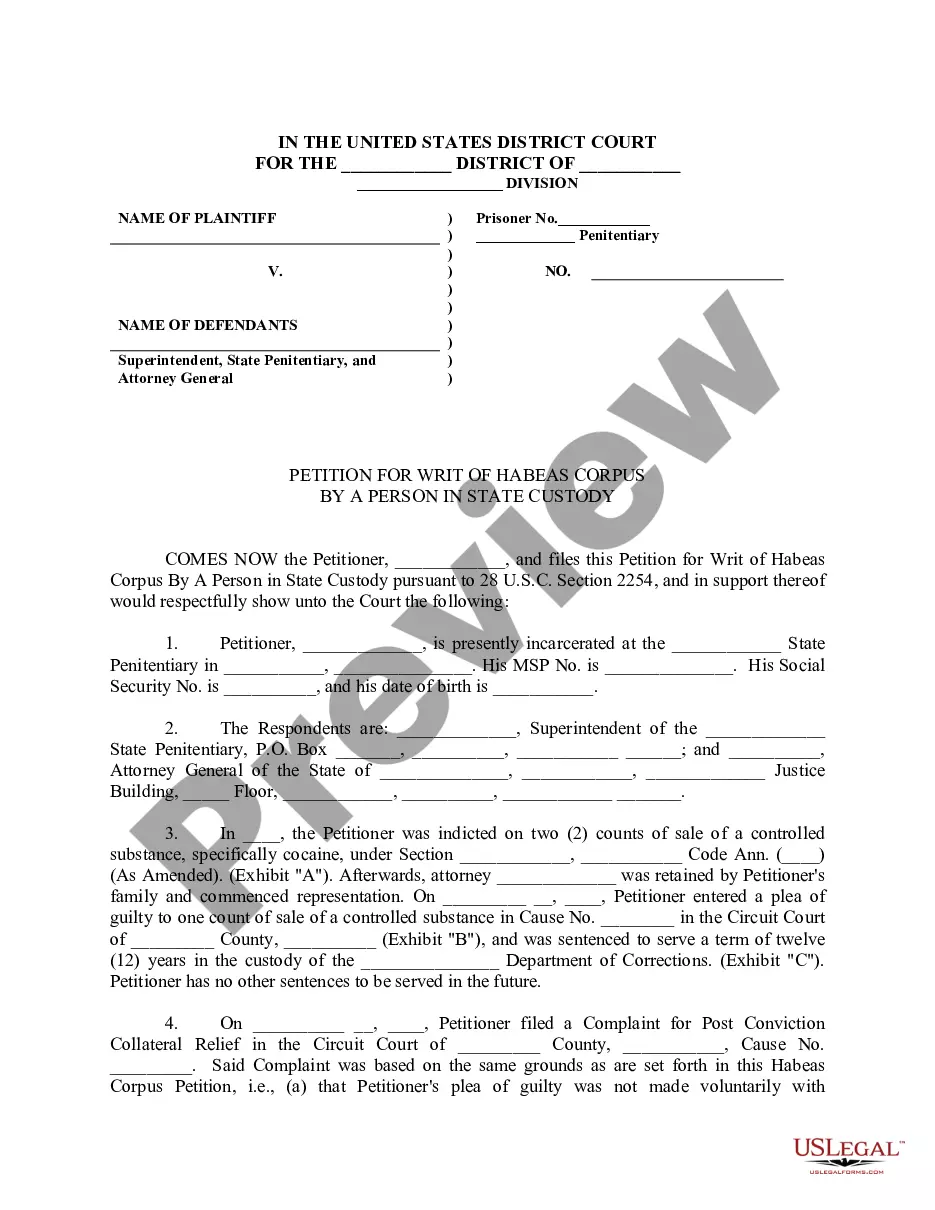
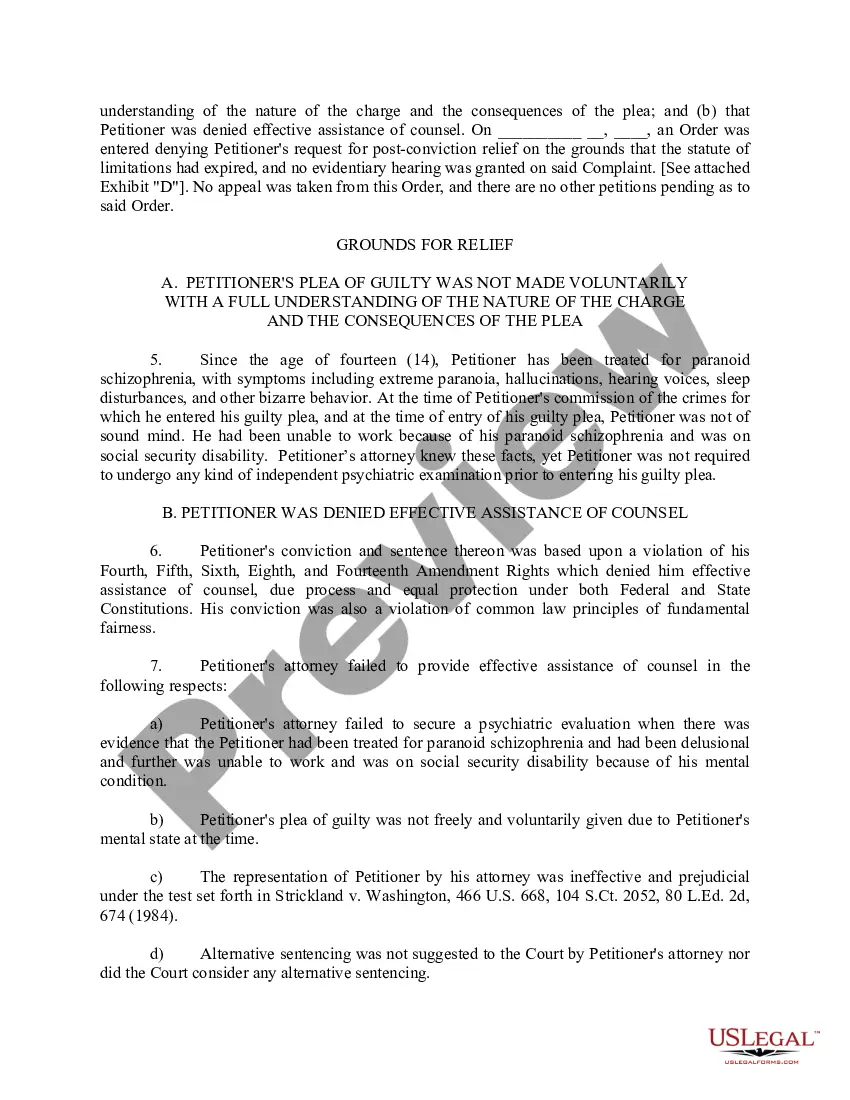
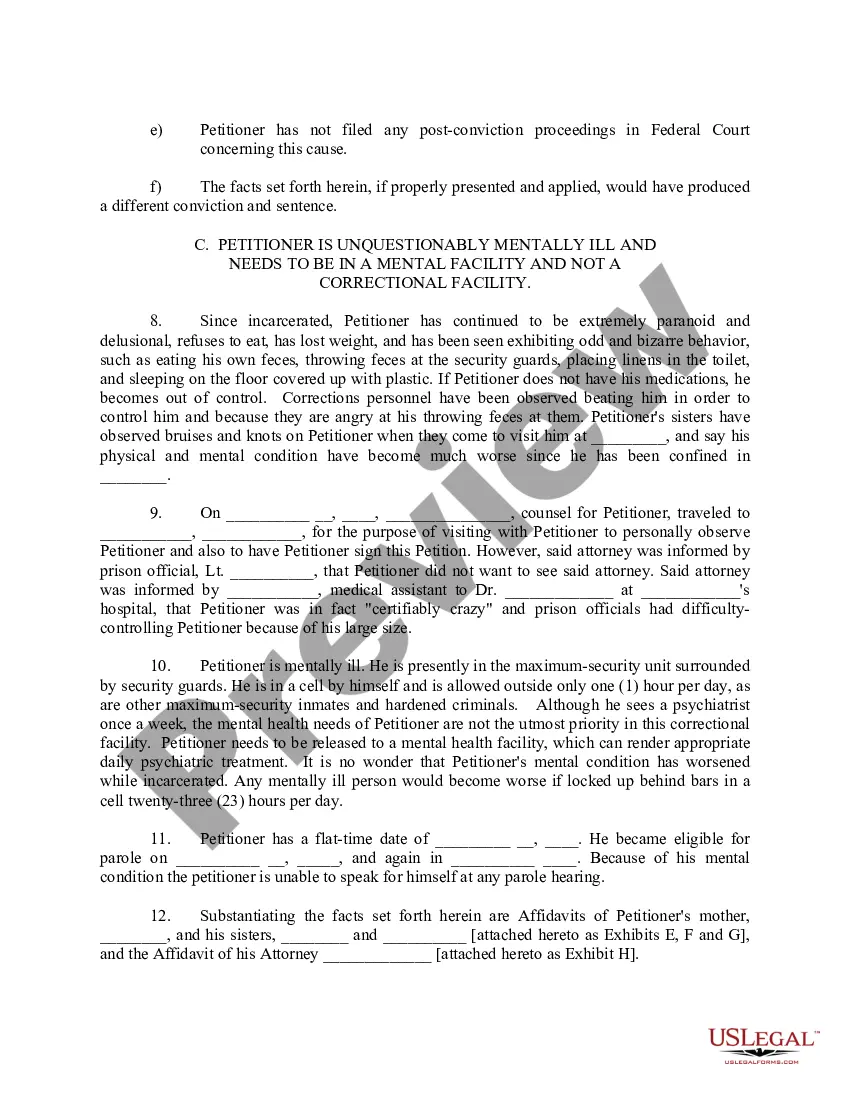
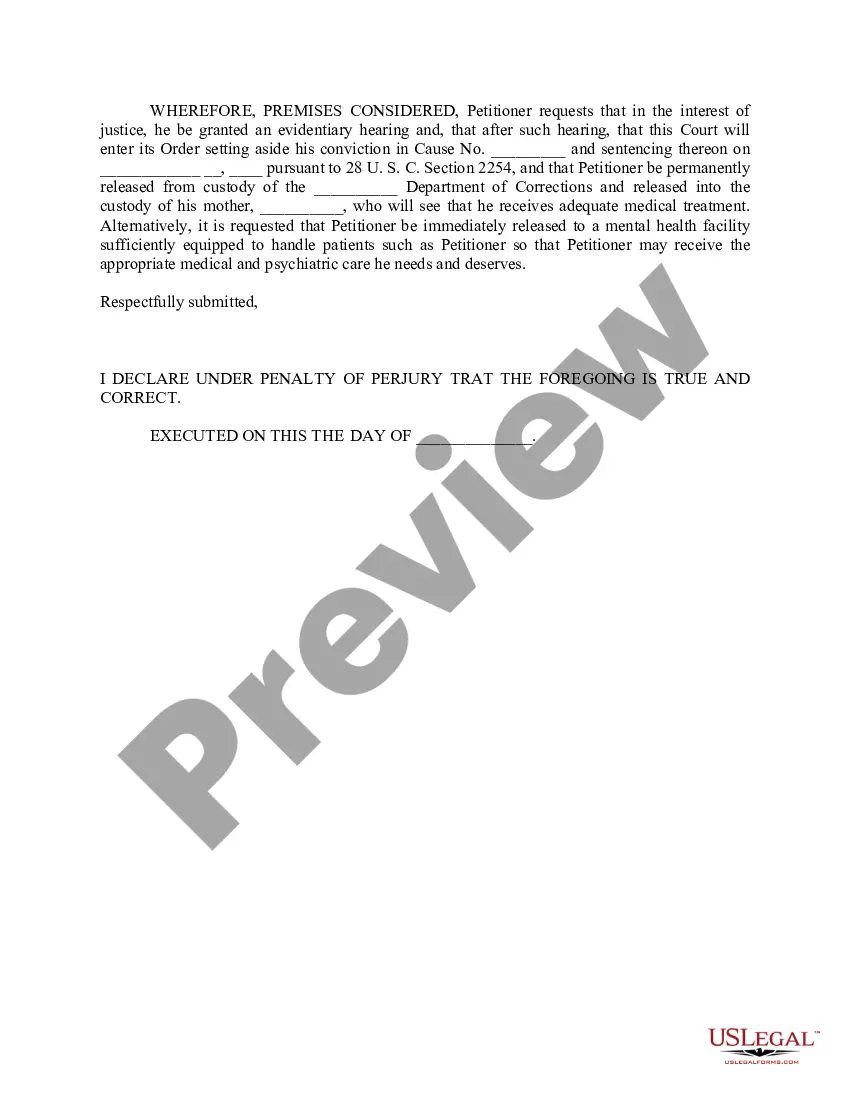
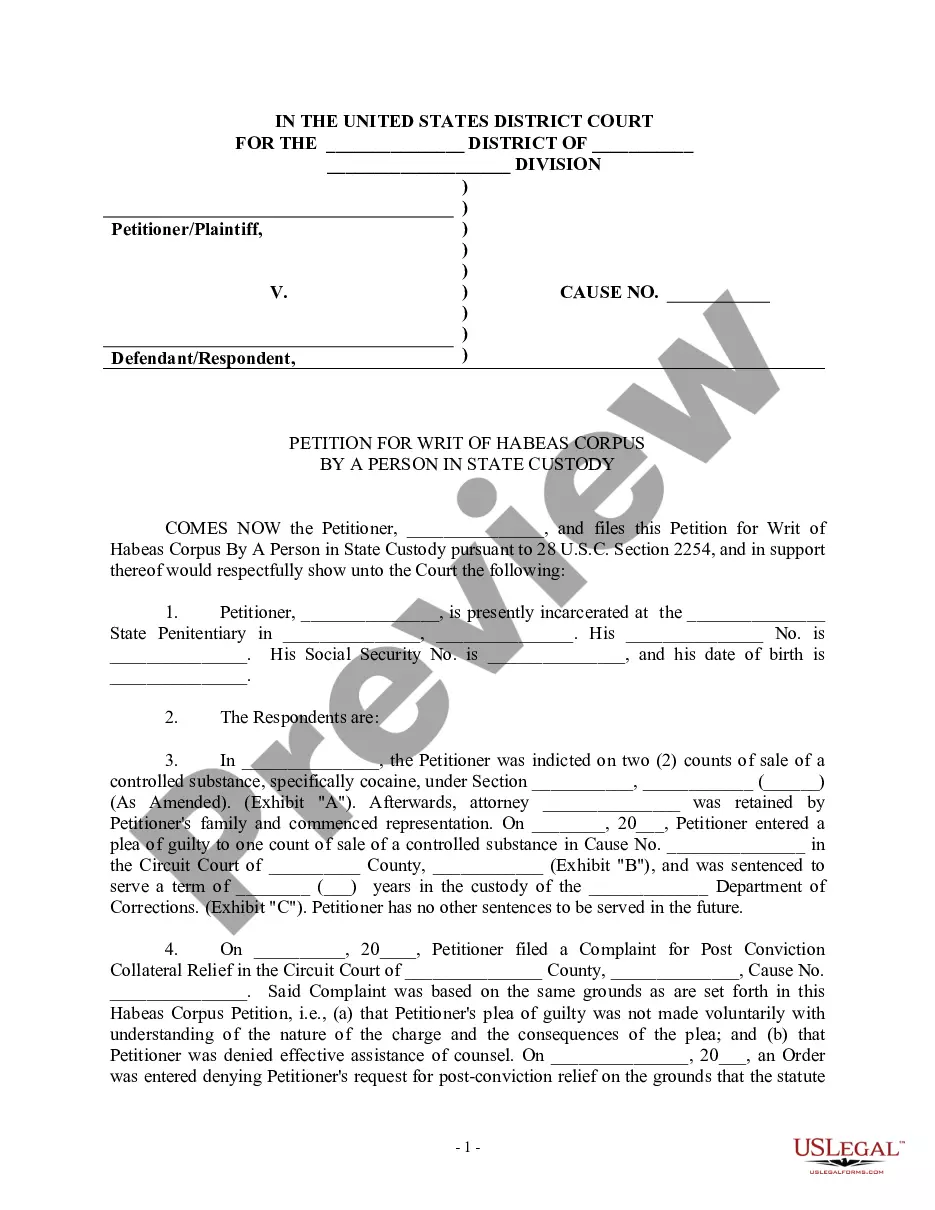
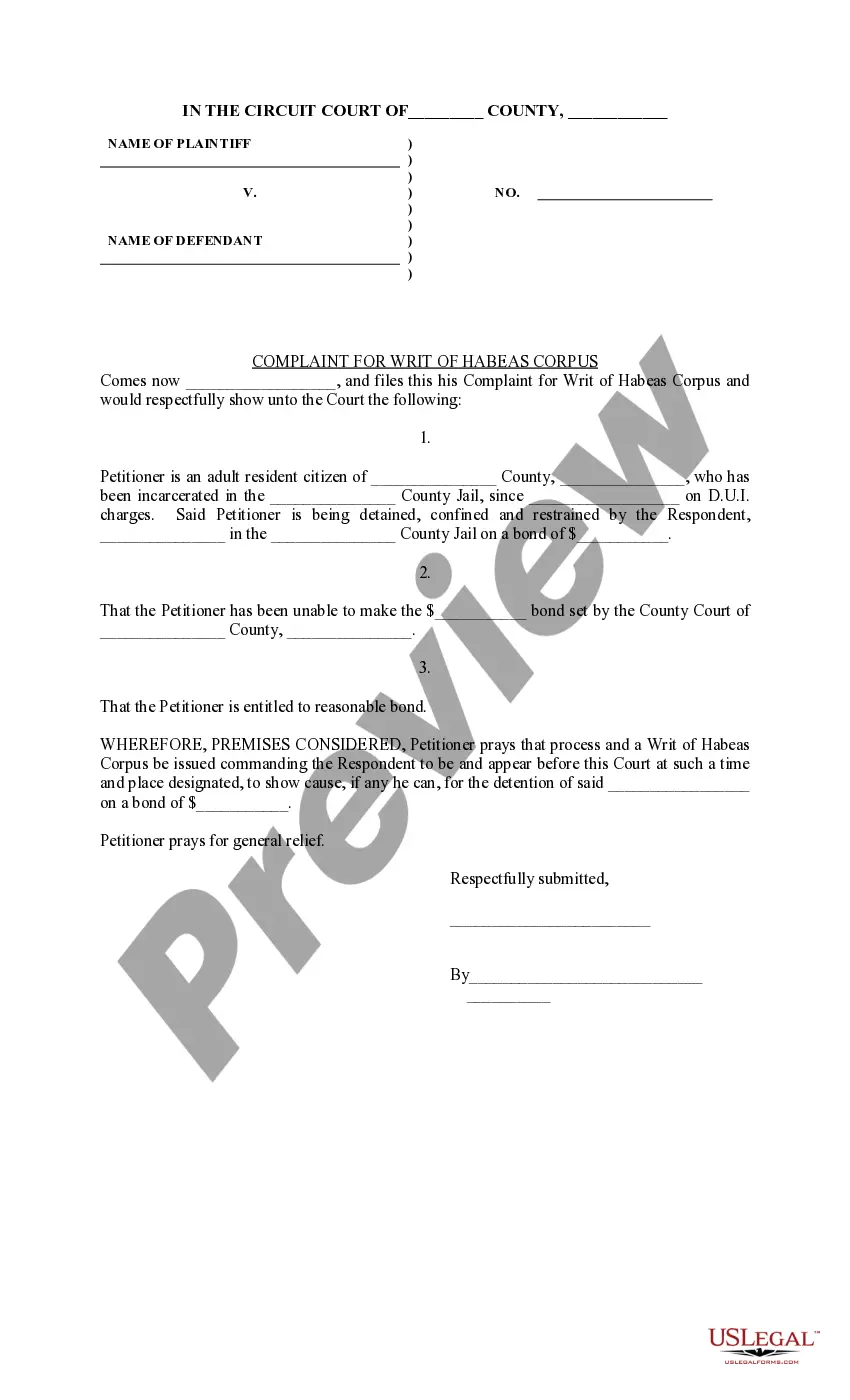
Get your form ready online
Our built-in tools help you complete, sign, share, and store your documents in one place.
Make edits, fill in missing information, and update formatting in US Legal Forms—just like you would in MS Word.
Download a copy, print it, send it by email, or mail it via USPS—whatever works best for your next step.
Sign and collect signatures with our SignNow integration. Send to multiple recipients, set reminders, and more. Go Premium to unlock E-Sign.
If this form requires notarization, complete it online through a secure video call—no need to meet a notary in person or wait for an appointment.
We protect your documents and personal data by following strict security and privacy standards.

Make edits, fill in missing information, and update formatting in US Legal Forms—just like you would in MS Word.

Download a copy, print it, send it by email, or mail it via USPS—whatever works best for your next step.

Sign and collect signatures with our SignNow integration. Send to multiple recipients, set reminders, and more. Go Premium to unlock E-Sign.

If this form requires notarization, complete it online through a secure video call—no need to meet a notary in person or wait for an appointment.

We protect your documents and personal data by following strict security and privacy standards.
Looking for another form?
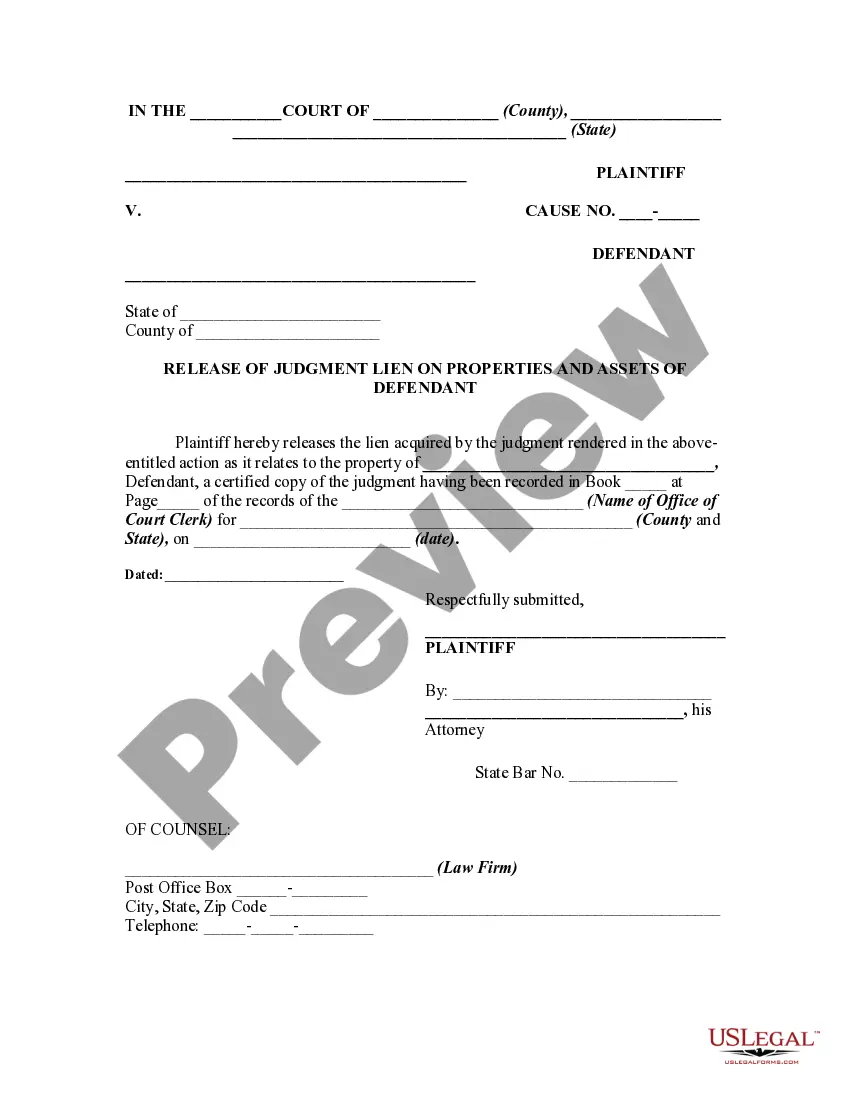
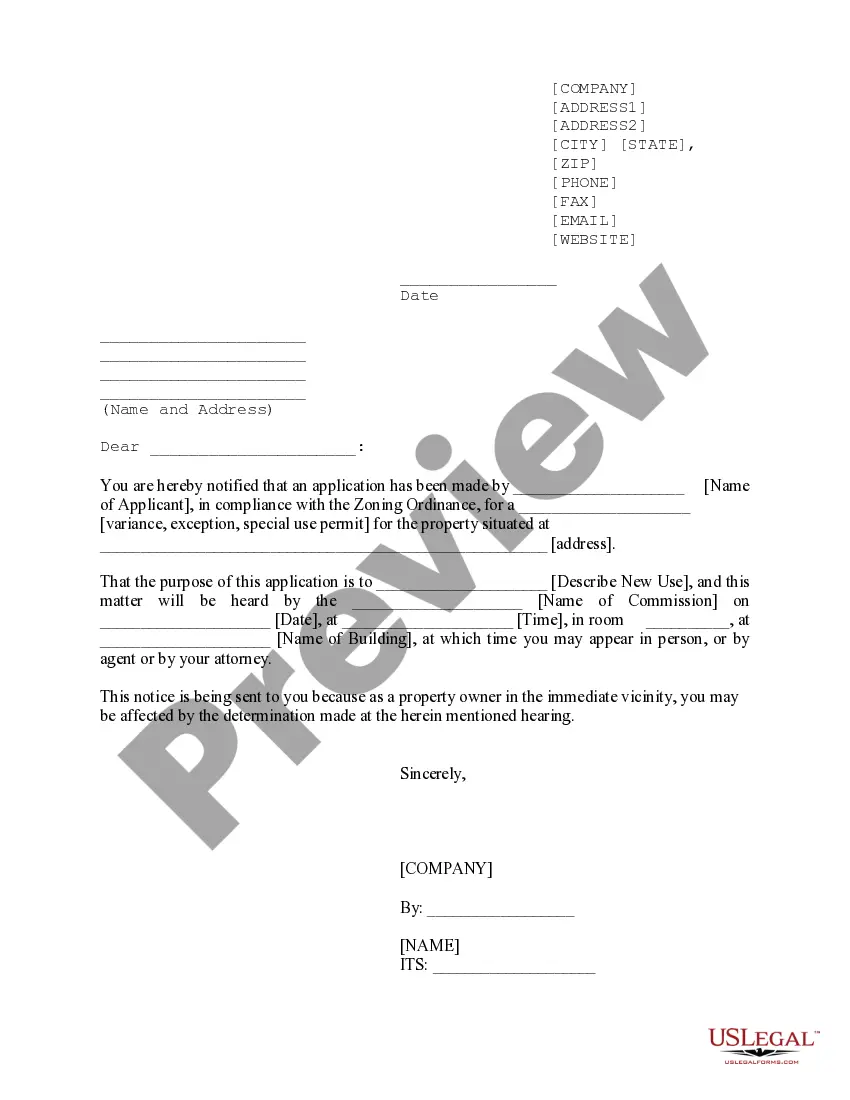
Form popularity
FAQ
Typical examples where a court has granted a habeas corpus petition include claims of new evidence discovered in the case, ineffective assistance of counsel, prosecutorial misconduct, incompetence to stand trial, and challenging conditions of confinement.
Habeas Corpus is a Latin word meaning which literally means 'to have the body of'. It is an order issued by the court to a person who has detained another person, to produce the body of the latter before it.
Common arguments for granting a habeas corpus petition include: You had incompetent legal counsel or a competent attorney was not provided. You were convicted under an unconstitutional law; You were convicted under a law that has since been changed, so what you did is no longer considered a crime;
A successful Writ of Habeas Corpus in California can achieve one of the following: Release the defendant. Reduce the defendant's sentencing. Make changes to the defendant's sentencing conditions.
A writ of habeas corpus is a limited remedy whereby a person may attempt to challenge the legal basis for continuing to hold him or her in custody. If the application for a writ is not summarily denied for failing to state a valid basis for relief, then the judge will order a hearing to decide the matter.
State every ground (reason) that supports your claim that you are being held in violation of the Constitution, laws, or treaties of the United States. Attach additional pages if you have more than four grounds. State the facts supporting each ground. Any legal arguments must be submitted in a separate memorandum.
A Writ of Habeas Corpus is one of the primary ways of obtaining a client's freedom based on his or her actual innocence. Actual innocence Writs of Habeas Corpus can include witness statements, affidavits, and other external evidence that shows how the client has been wrongfully convicted.
Habeas Corpus is a legal action through which a person can seek relief from unlawful detention. In custody disputes, a parent may file a writ of Habeas Corpus asking the court to order the other parent to return the child.
Typical examples where a court has granted a habeas corpus petition include claims of new evidence discovered in the case, ineffective assistance of counsel, prosecutorial misconduct, incompetence to stand trial, and challenging conditions of confinement.
The right to file a petition for writ of habeas corpus is guaranteed by the California constitution. In order to be eligible to petition for such relief, the petitioner must be “in custody,” either actually or constructively.