Printable Writ Of Habeas Corpus With Child In Maryland
Description
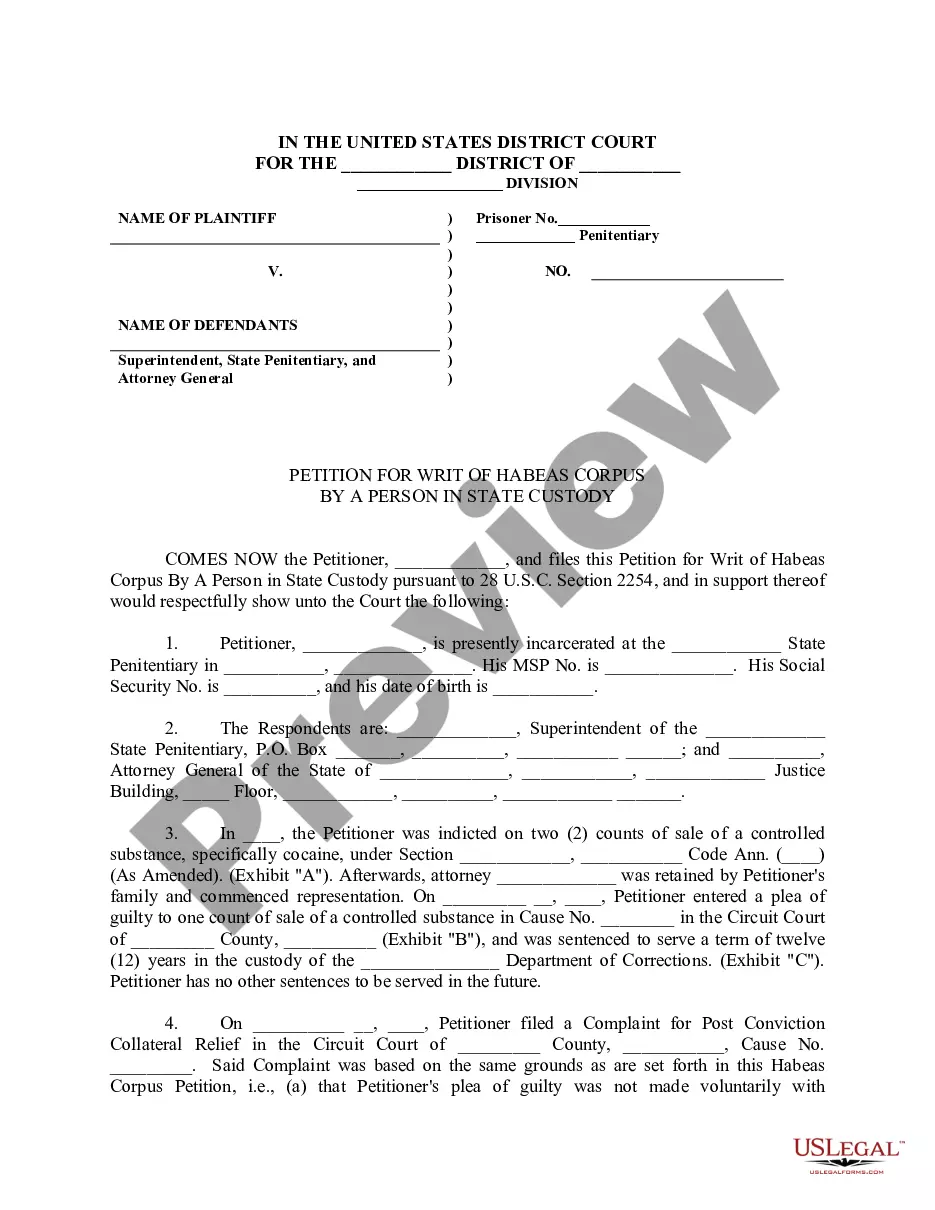
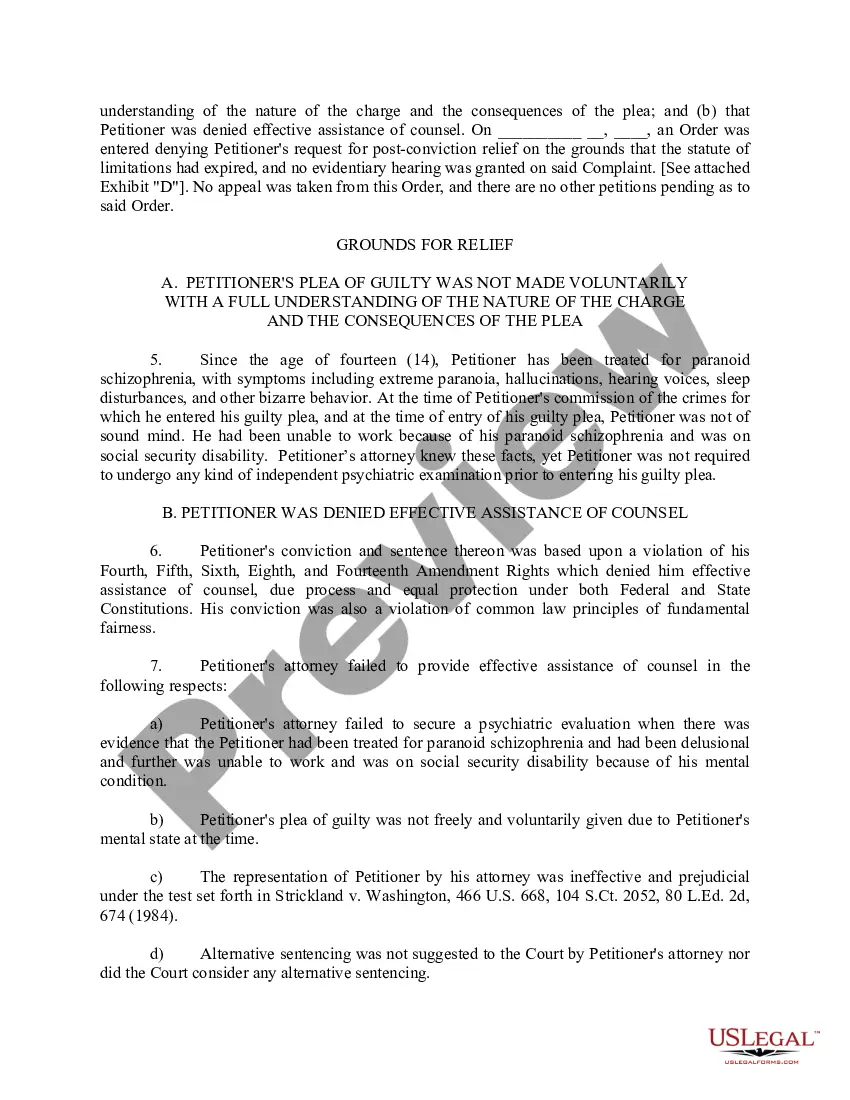
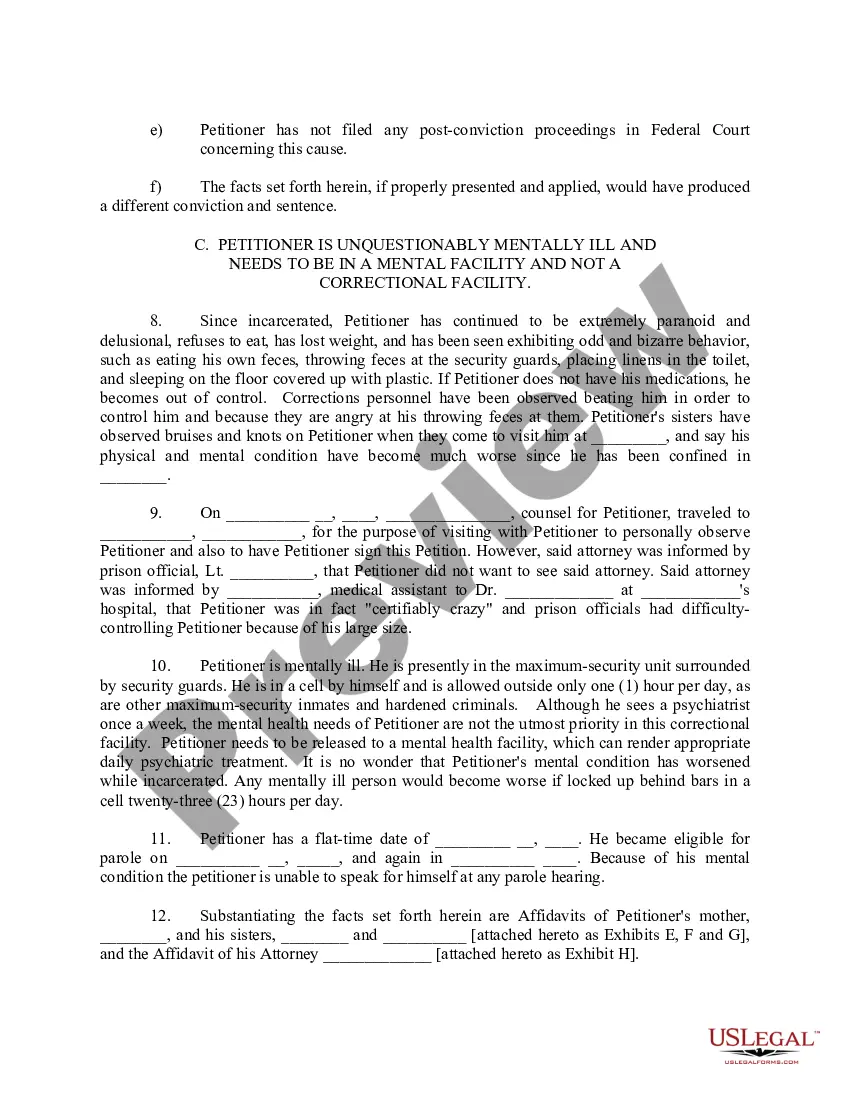
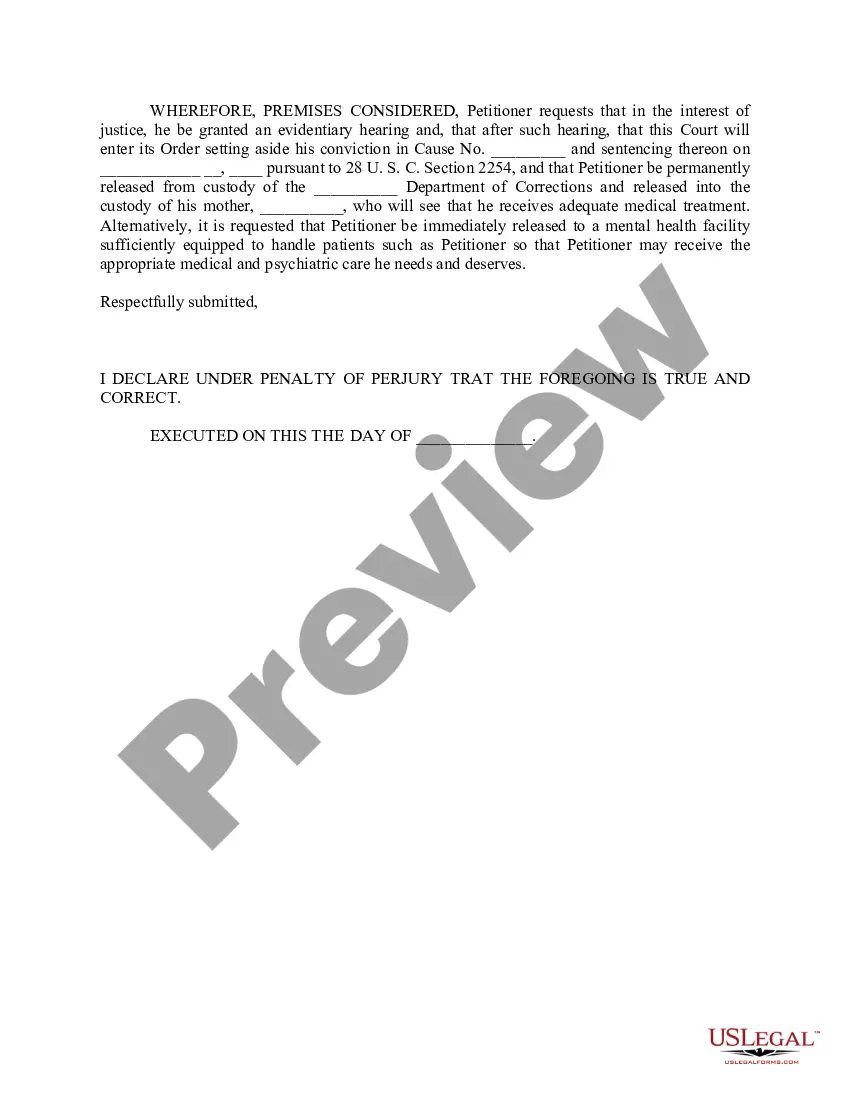
Get your form ready online
Our built-in tools help you complete, sign, share, and store your documents in one place.
Make edits, fill in missing information, and update formatting in US Legal Forms—just like you would in MS Word.
Download a copy, print it, send it by email, or mail it via USPS—whatever works best for your next step.
Sign and collect signatures with our SignNow integration. Send to multiple recipients, set reminders, and more. Go Premium to unlock E-Sign.
If this form requires notarization, complete it online through a secure video call—no need to meet a notary in person or wait for an appointment.
We protect your documents and personal data by following strict security and privacy standards.

Make edits, fill in missing information, and update formatting in US Legal Forms—just like you would in MS Word.

Download a copy, print it, send it by email, or mail it via USPS—whatever works best for your next step.

Sign and collect signatures with our SignNow integration. Send to multiple recipients, set reminders, and more. Go Premium to unlock E-Sign.

If this form requires notarization, complete it online through a secure video call—no need to meet a notary in person or wait for an appointment.

We protect your documents and personal data by following strict security and privacy standards.
Looking for another form?

Form popularity
FAQ
State every ground (reason) that supports your claim that you are being held in violation of the Constitution, laws, or treaties of the United States. Attach additional pages if you have more than four grounds. State the facts supporting each ground. Any legal arguments must be submitted in a separate memorandum.
Who has the burden of proof in a federal habeas corpus case? The habeas petitioner generally has the burden of proving a violation of federal law by a “preponderance of the evidence.” state courts in earlier stages of the appeal or state habeas process are correct.
Ask the court for a writ of habeas corpus (a court order telling a public official, like a prison warden, to bring you to the court and show a legal reason for holding you) to challenge your criminal conviction or commitment to another facility or the conditions under which you are being held.
Writ of habeas corpus The court can order the person keeping the child to present the child and explain the legal basis for their custody. If the court finds that the parent keeping the child is unlawful, it can order the immediate release of the child to the rightful custodian.
Arguments that Can Overturn Convictions. A Writ of Habeas Corpus usually addresses claims of ineffective assistance of counsel, prosecutorial misconduct, newly discovered evidence, jury misconduct, and claims of actual innocence.
Custody Battle Blunders: Top 10 Mistakes To Avoid Negative Speech About The Other Parent. Seeking Sympathy From The Child. Poor Communication With The Other Parent. Unjustifiably Withholding Access With The Other Parent. Misrepresenting Substance Abuse. Separating Siblings In Blended Families.
The term “habeas corpus,” means “you shall have the body” in Latin. It empowers courts to demand the appearance of a detained individual, such as a child, before a judge. In child custody cases, parents or guardians can use the writ of habeas corpus to contest the legality of custody arrangements.
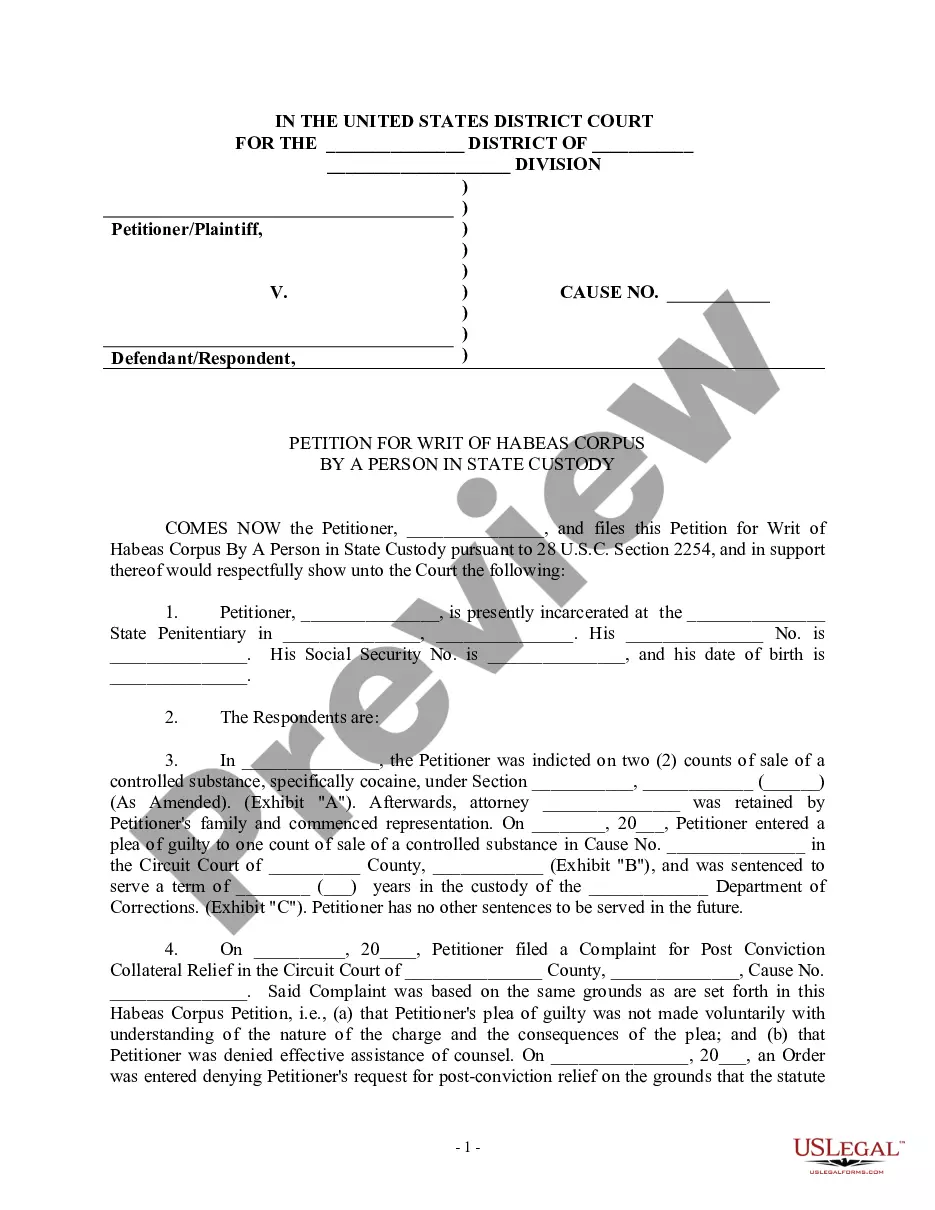
A petition for a writ of habeas corpus shall be supported by affidavit of the petitioner and shall include: (1) a statement that the individual by or on behalf of whom the writ is sought is unlawfully confined or restrained; (2) the place where the individual is confined or restrained, if known;
State every ground (reason) that supports your claim that you are being held in violation of the Constitution, laws, or treaties of the United States. Attach additional pages if you have more than four grounds. State the facts supporting each ground. Any legal arguments must be submitted in a separate memorandum.
Habeas Corpus is a legal action through which a person can seek relief from unlawful detention. In custody disputes, a parent may file a writ of Habeas Corpus asking the court to order the other parent to return the child.