Habeas Corpus Document Formation In Kings
Description






Get your form ready online
Our built-in tools help you complete, sign, share, and store your documents in one place.
Make edits, fill in missing information, and update formatting in US Legal Forms—just like you would in MS Word.
Download a copy, print it, send it by email, or mail it via USPS—whatever works best for your next step.
Sign and collect signatures with our SignNow integration. Send to multiple recipients, set reminders, and more. Go Premium to unlock E-Sign.
If this form requires notarization, complete it online through a secure video call—no need to meet a notary in person or wait for an appointment.
We protect your documents and personal data by following strict security and privacy standards.

Make edits, fill in missing information, and update formatting in US Legal Forms—just like you would in MS Word.

Download a copy, print it, send it by email, or mail it via USPS—whatever works best for your next step.

Sign and collect signatures with our SignNow integration. Send to multiple recipients, set reminders, and more. Go Premium to unlock E-Sign.

If this form requires notarization, complete it online through a secure video call—no need to meet a notary in person or wait for an appointment.

We protect your documents and personal data by following strict security and privacy standards.
Looking for another form?


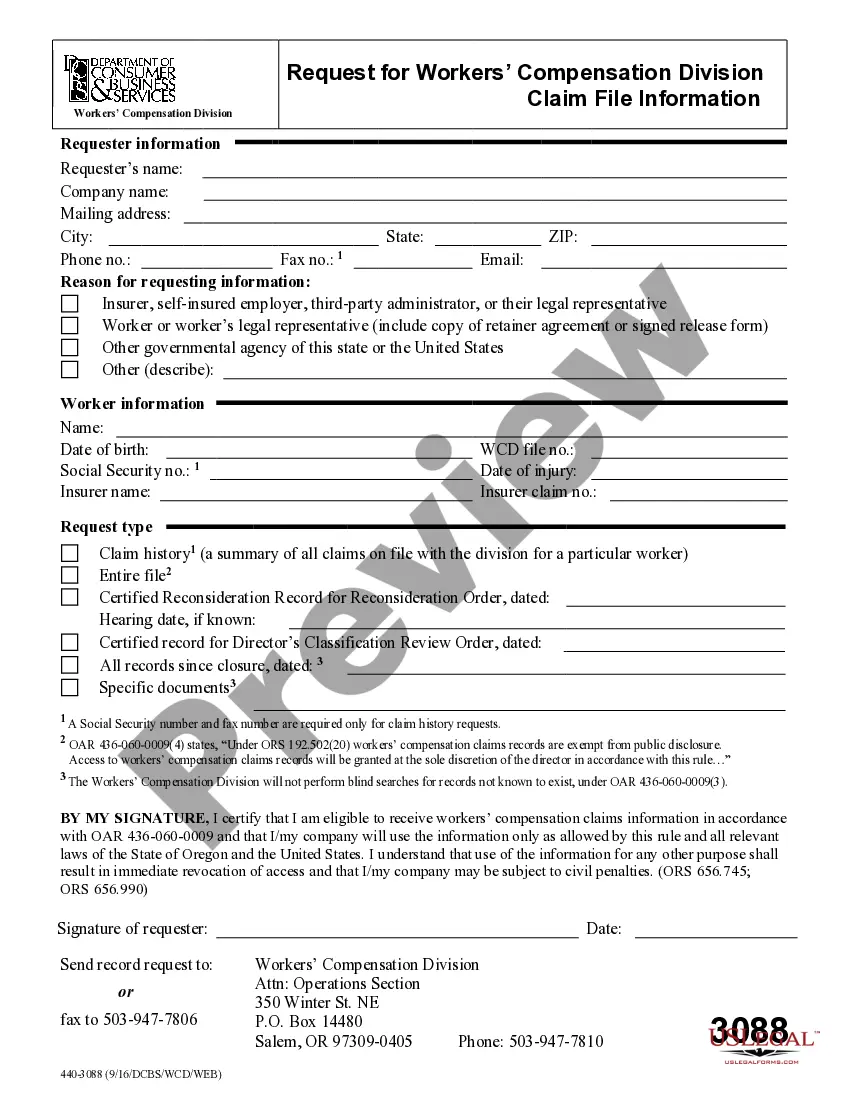

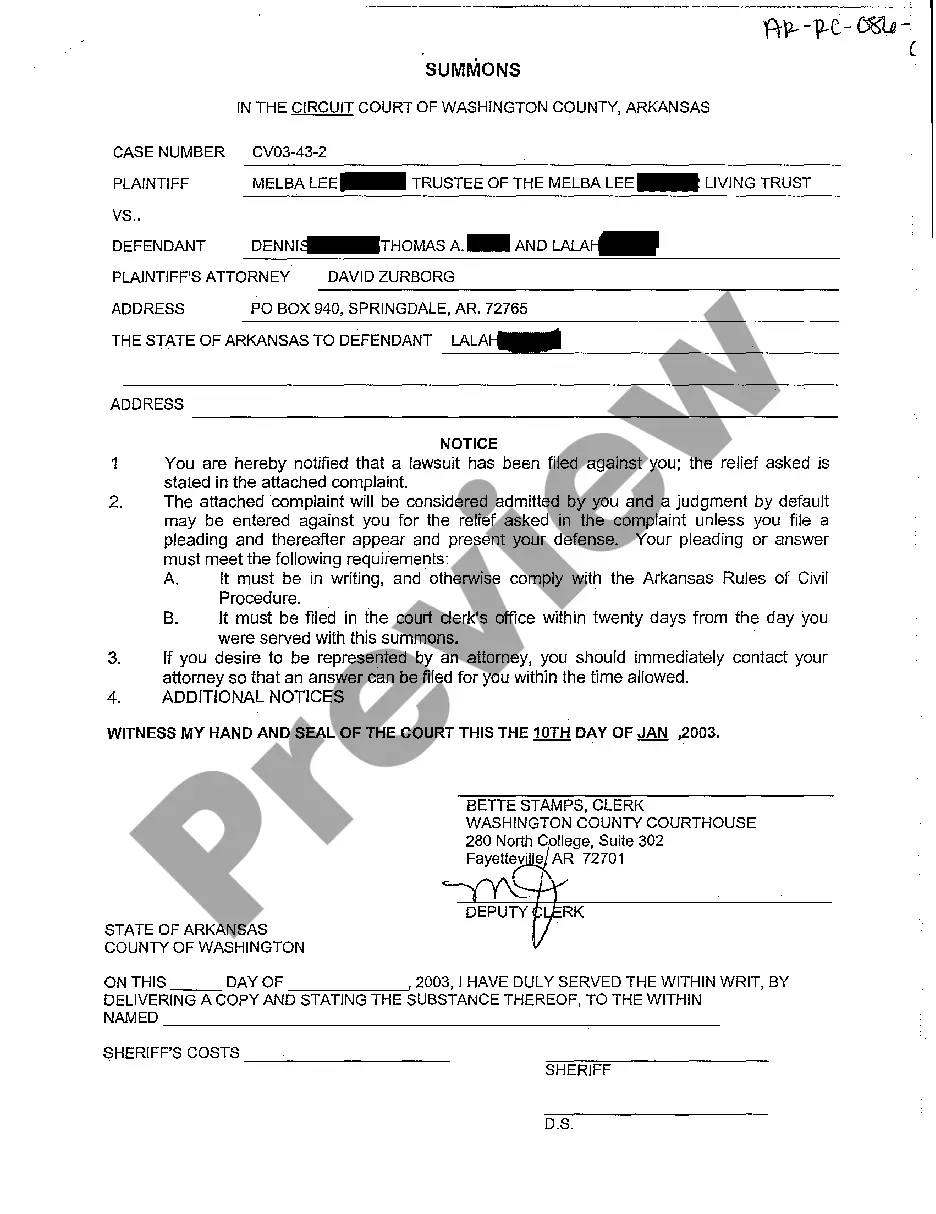

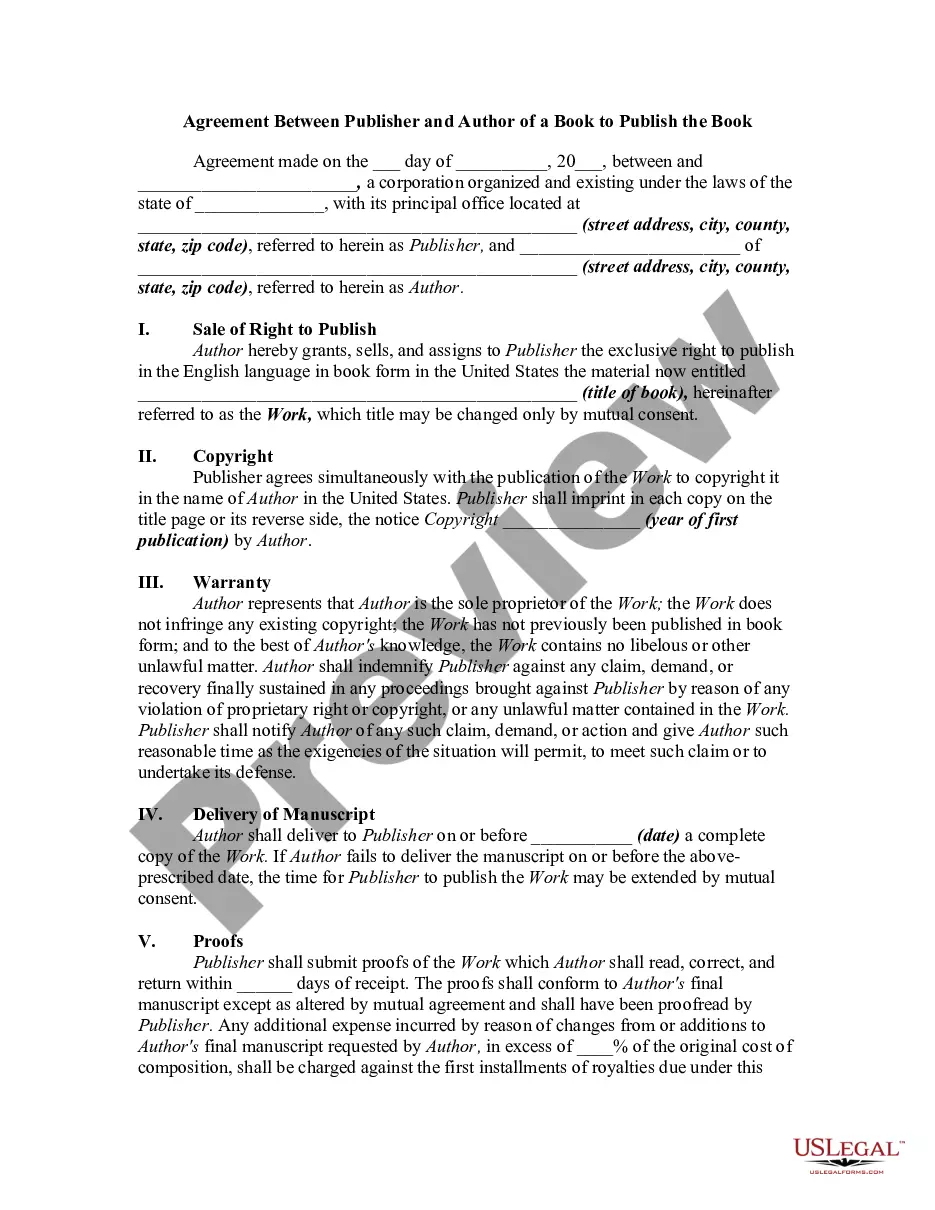



Form popularity
FAQ
Habeas corpus is a Latin phrase meaning “produce the body.” By means of the writ of habeas corpus a court may order the state to “produce the body,” or hand over a prisoner so that it might review the legality of the prisoner's detention.
The "Great Writ" of habeas corpus is a fundamental right in the Constitution that protects against unlawful and indefinite imprisonment. Translated from Latin it means "show me the body." Habeas corpus has historically been an important instrument to safeguard individual freedom against arbitrary executive power.
Habeas Corpus Act of 1679 Parliament passed the law during the reign of King Charles II (reigned 1660–1685) fearing that the king's Catholic brother James (reigned as James II, 1685–1688) might succeed him and disregard English liberties.
Habeas corpus, an ancient common-law writ, issued by a court or judge directing one who holds another in custody to produce the person before the court for some specified purpose.
Answer and Explanation: The Habeus Corpus Act of 1679 limited the power of the monarch to arbitrarily arrest a person. Arrests and imprisonment instead had to be approved by a judge.
The U.S. Constitution specifically includes the habeas procedure in the Suspension Clause (Clause 2), located in Article One, Section 9. This states that "The privilege of the writ of habeas corpus shall not be suspended, unless when in cases of rebellion or invasion the public safety may require it".
It was passed by what became known as the Habeas Corpus Parliament to define and strengthen the ancient prerogative writ of habeas corpus, which required a court to examine the lawfulness of a prisoner's detention and thus prevent unlawful or arbitrary imprisonment.
Final answer: The Habeas Corpus Act of 1679 significantly contributed to the limitation of monarchical power in England by protecting individuals against unlawful detention. This act arose during a time of increased fear of absolutism under monarchs like James II, culminating in the Glorious Revolution.
Thus, to effectively file a writ of habeas corpus in California state court, an inmate must have been convicted and either serving a sentence of incarceration, probation or parole. They must have also filed a direct appeal to the appellate court and then to the California Supreme Court.
The right to file a petition for writ of habeas corpus is guaranteed by the California constitution. In order to be eligible to petition for such relief, the petitioner must be “in custody,” either actually or constructively.
