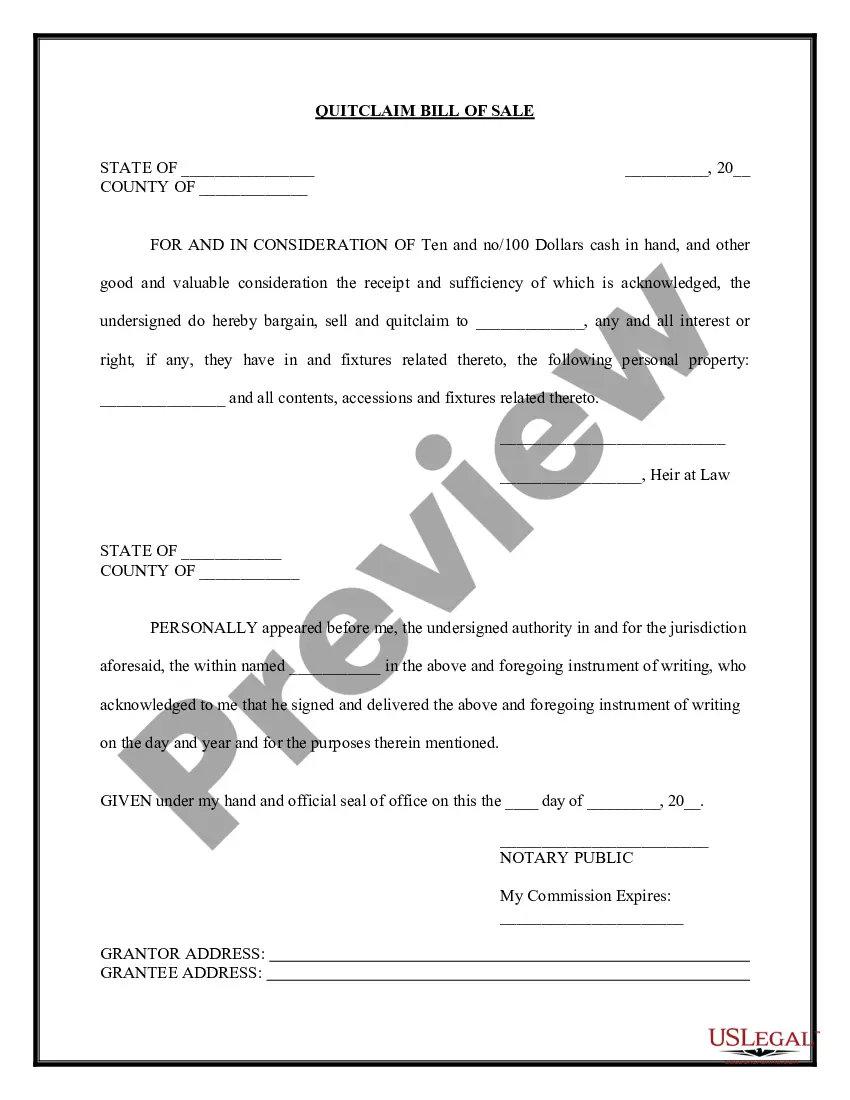
Petition Writ Form With 2 Points In King
Description






Get your form ready online
Our built-in tools help you complete, sign, share, and store your documents in one place.
Make edits, fill in missing information, and update formatting in US Legal Forms—just like you would in MS Word.
Download a copy, print it, send it by email, or mail it via USPS—whatever works best for your next step.
Sign and collect signatures with our SignNow integration. Send to multiple recipients, set reminders, and more. Go Premium to unlock E-Sign.
If this form requires notarization, complete it online through a secure video call—no need to meet a notary in person or wait for an appointment.
We protect your documents and personal data by following strict security and privacy standards.

Make edits, fill in missing information, and update formatting in US Legal Forms—just like you would in MS Word.

Download a copy, print it, send it by email, or mail it via USPS—whatever works best for your next step.

Sign and collect signatures with our SignNow integration. Send to multiple recipients, set reminders, and more. Go Premium to unlock E-Sign.

If this form requires notarization, complete it online through a secure video call—no need to meet a notary in person or wait for an appointment.

We protect your documents and personal data by following strict security and privacy standards.
Looking for another form?
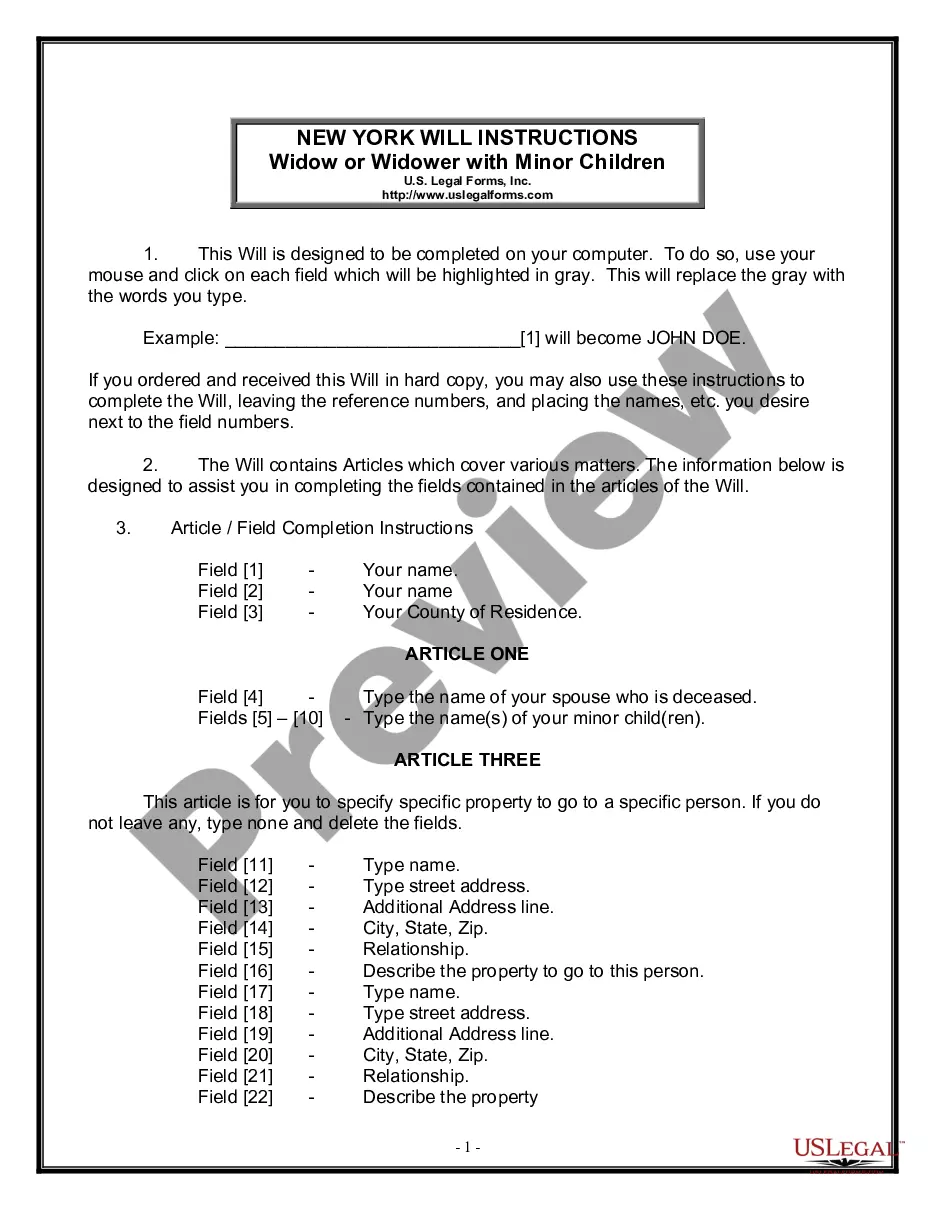









Form popularity
FAQ
Keep the petition language short and simple. Then include the ask, or the action you want the target to take (e.g., introduce anti-retaliation legislation in your state). A well-written petition should communicate the urgency of the problem and the need for action.
Your petition language should include the decision-maker you're targeting, the action you're asking them to take, a description of the problem and the solution, and why it's timely.
Here are some core elements to keep in mind when writing a petition: Start with a clear and concise message. What is the issue that you are petitioning about? ... Make it easy to sign. Include a compelling call to action. Personalize your petition. Use strong visuals. Proofread your petition carefully.
How-to create a petition: Choose a target. An effective target is a person who has the power to give you what you want. Write the message. Keep this short and sweet. Make a Specific Ask. Ask your target to take a concrete action. Create space for people to sign and fill their information.
State every ground (reason) that supports your claim that you are being held in violation of the Constitution, laws, or treaties of the United States. Attach additional pages if you have more than four grounds. State the facts supporting each ground. Any legal arguments must be submitted in a separate memorandum.
Petitions start with a letter stating one's points and end with many signatures. Step 1 – Decide on your audience. (Teacher, principal, community leader, senator, Organization, etc) In your greeting, use their name to start your letter. Step 2 – In the body of your letter, explain your issue.
Sample petition targeting local government We believe that the installation of a speed bump on Street Name would greatly enhance the safety and well-being of our neighborhood. Neighborhood Name is a family-oriented community with numerous children, pedestrians, and pets that frequently traverse the area.
The Brooklyn Supreme Courthouse is located on Adams Street between Joralemon and Johnson Streets. It also houses the Registrar's Office, County Clerk, and Surrogate's Court. Construction on the Supreme Courthouse began in 1955.
Use certified copies of marriage and divorce certificates or name change orders as proof to notify these federal and state agencies that you changed your name. Social Security card. Driver's license or state ID card. Tax returns. U.S. passport. Naturalization certificate and certificate of citizenship. Veterans benefits.
In most situations, you must have a very good reason to change your name, and a judge must approve your request and issue a name change order unless the name change is related to marital status. You may change your first name, middle name, and/or last name to a new name or names.