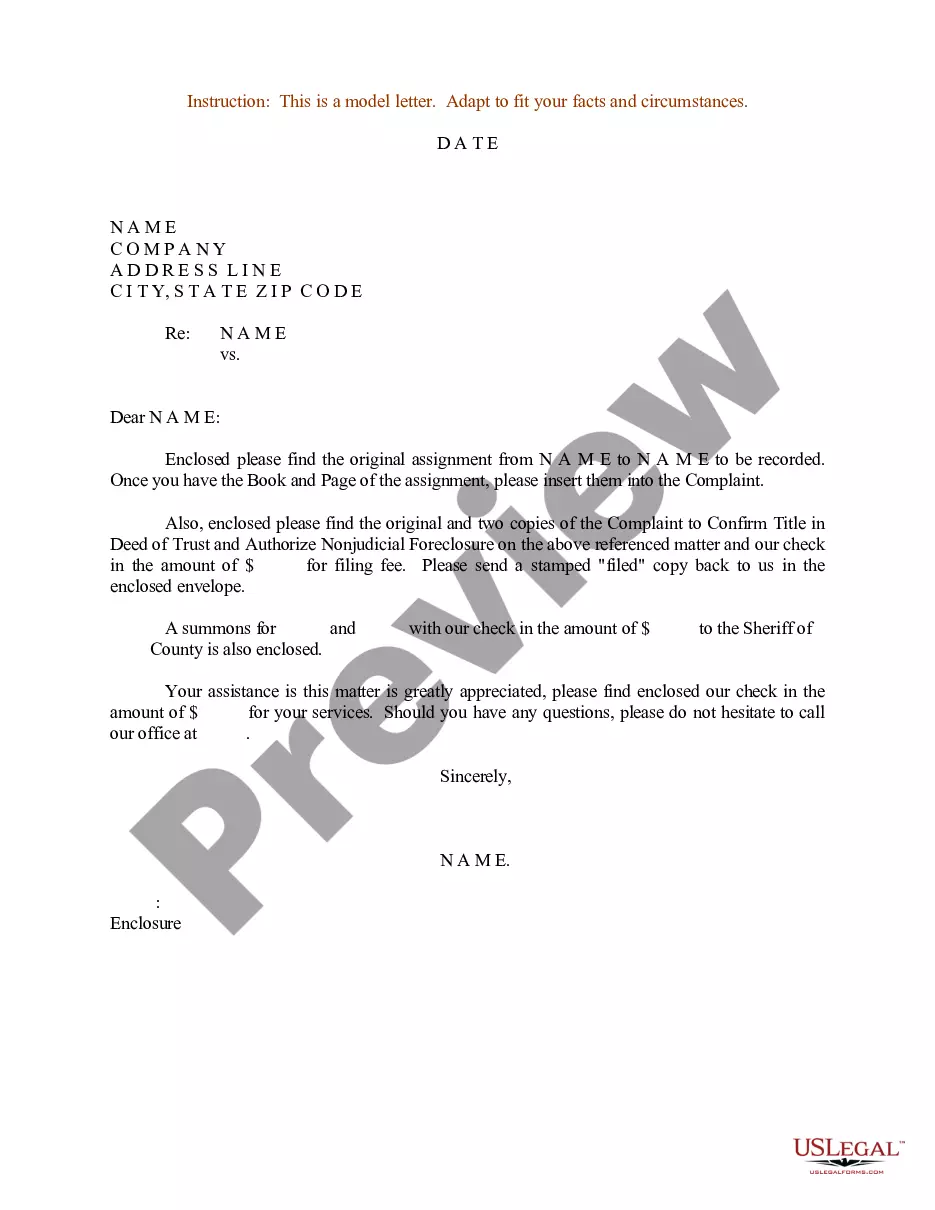
Writ For Assistance In Houston
Description






Get your form ready online
Our built-in tools help you complete, sign, share, and store your documents in one place.
Make edits, fill in missing information, and update formatting in US Legal Forms—just like you would in MS Word.
Download a copy, print it, send it by email, or mail it via USPS—whatever works best for your next step.
Sign and collect signatures with our SignNow integration. Send to multiple recipients, set reminders, and more. Go Premium to unlock E-Sign.
If this form requires notarization, complete it online through a secure video call—no need to meet a notary in person or wait for an appointment.
We protect your documents and personal data by following strict security and privacy standards.

Make edits, fill in missing information, and update formatting in US Legal Forms—just like you would in MS Word.

Download a copy, print it, send it by email, or mail it via USPS—whatever works best for your next step.

Sign and collect signatures with our SignNow integration. Send to multiple recipients, set reminders, and more. Go Premium to unlock E-Sign.

If this form requires notarization, complete it online through a secure video call—no need to meet a notary in person or wait for an appointment.

We protect your documents and personal data by following strict security and privacy standards.
Looking for another form?









Form popularity
FAQ
If no supersedeas bond is filed (Note: The matter must be under appeal for the defendant to file such a bond) and approved, a writ of execution must be issued if the plaintiff applies for it after the expiration of thirty days from the time final judgment is signed.
A sheriff or constable. A person over 18 years of age authorized by written order of the court. A person certified under order of the Supreme Court.
Another way a creditor may try to collect their judgment is through a writ of execution. A writ of execution allow the debtor's non-exempt property to be seized and sold. The proceeds from the sale go to the debt owed to the creditor.
The writ is issued by the Clerk of the U.S. District or Bankruptcy Court, at the discretion of the judge, after judgment is rendered.
After the court orders an eviction against your tenant, they have a minimum grace period of at least five days after the judgement to vacate your property.
A few assets are protected from seizure by a writ of execution, but which will vary by state law. These may include social security payments, qualified retirement account assets, and unemployment payments. Other exemptions may include personal apparel, home furnishings, farm equipment, and pets.
The U.S. Marshals Service can schedule your eviction as soon as 3 days after your landlord files the writ. Writs last for 75 days, and you can be evicted at any time within that period.
The writ petition does not automatically stay the proceedings in the trial court or stay enforcement of a judgment or order. A stay request to the Court of Appeal requires indicating whether or not a stay was first requested in the lower court, and if not, why.
Generally, if the writ isn't served within 30 days of issuance, then it would expire because it would be determined that a new month to month tenancy has been entered into if it wasn't served on the tenant within that time.
A writ of assistance is an order directing that a party convey, deliver, or turn over a deed, document, or right of ownership. This writ, which may also be called a writ of restitution or writ of possession, usually serves as an eviction from real property.