Oklahoma Writ Of Assistance With Eviction In Fairfax
Description
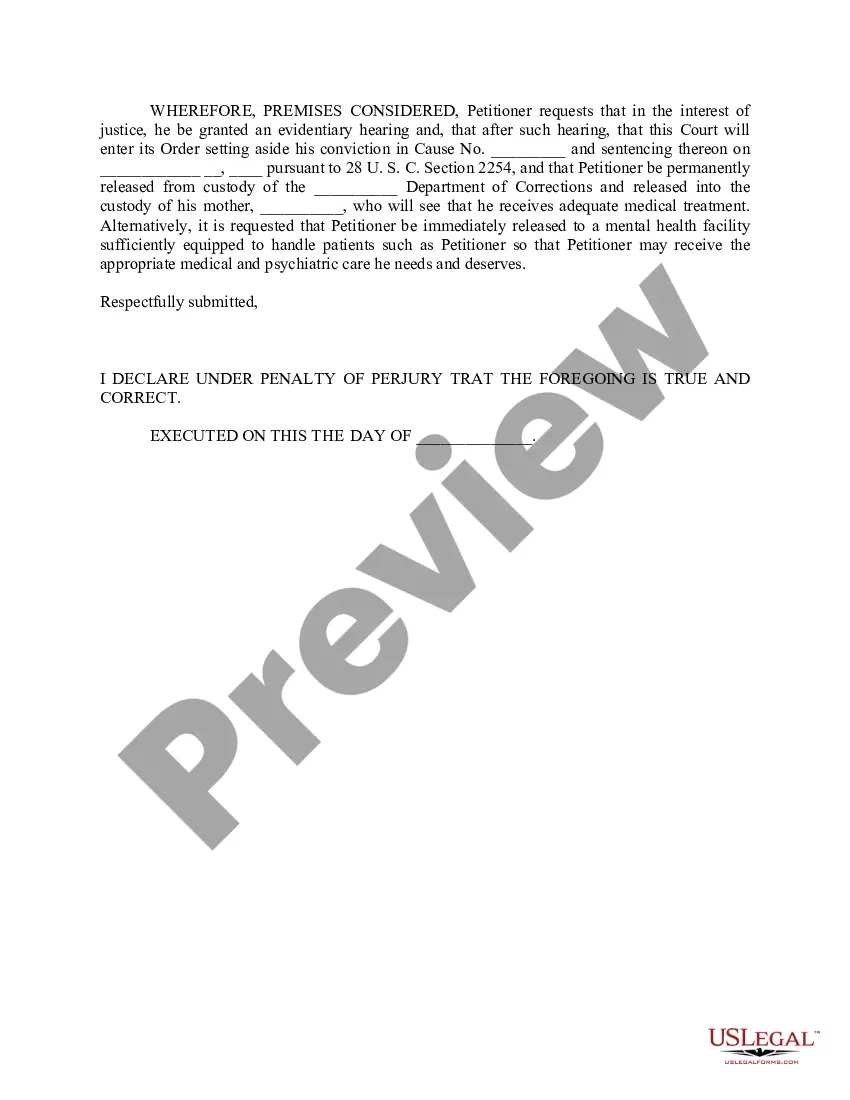
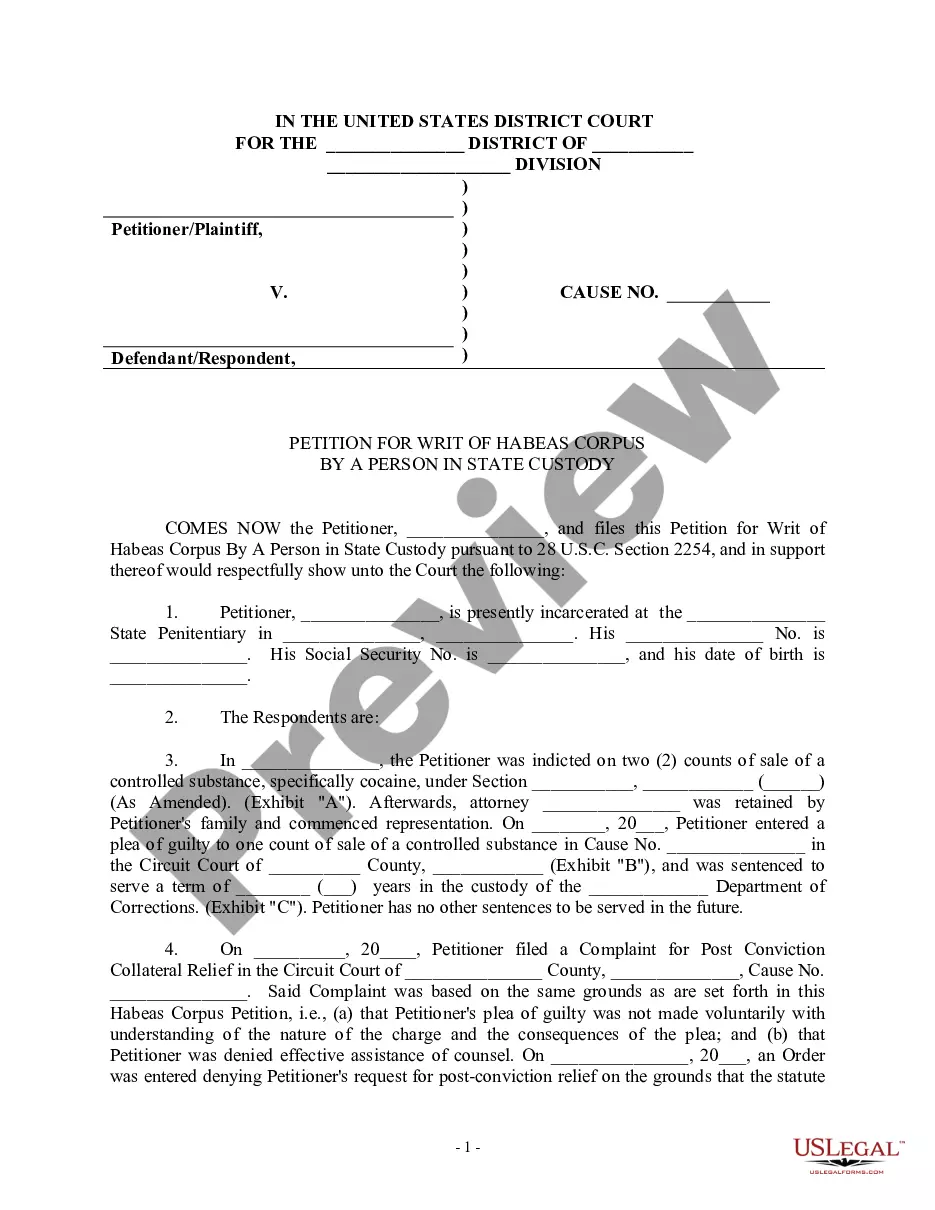
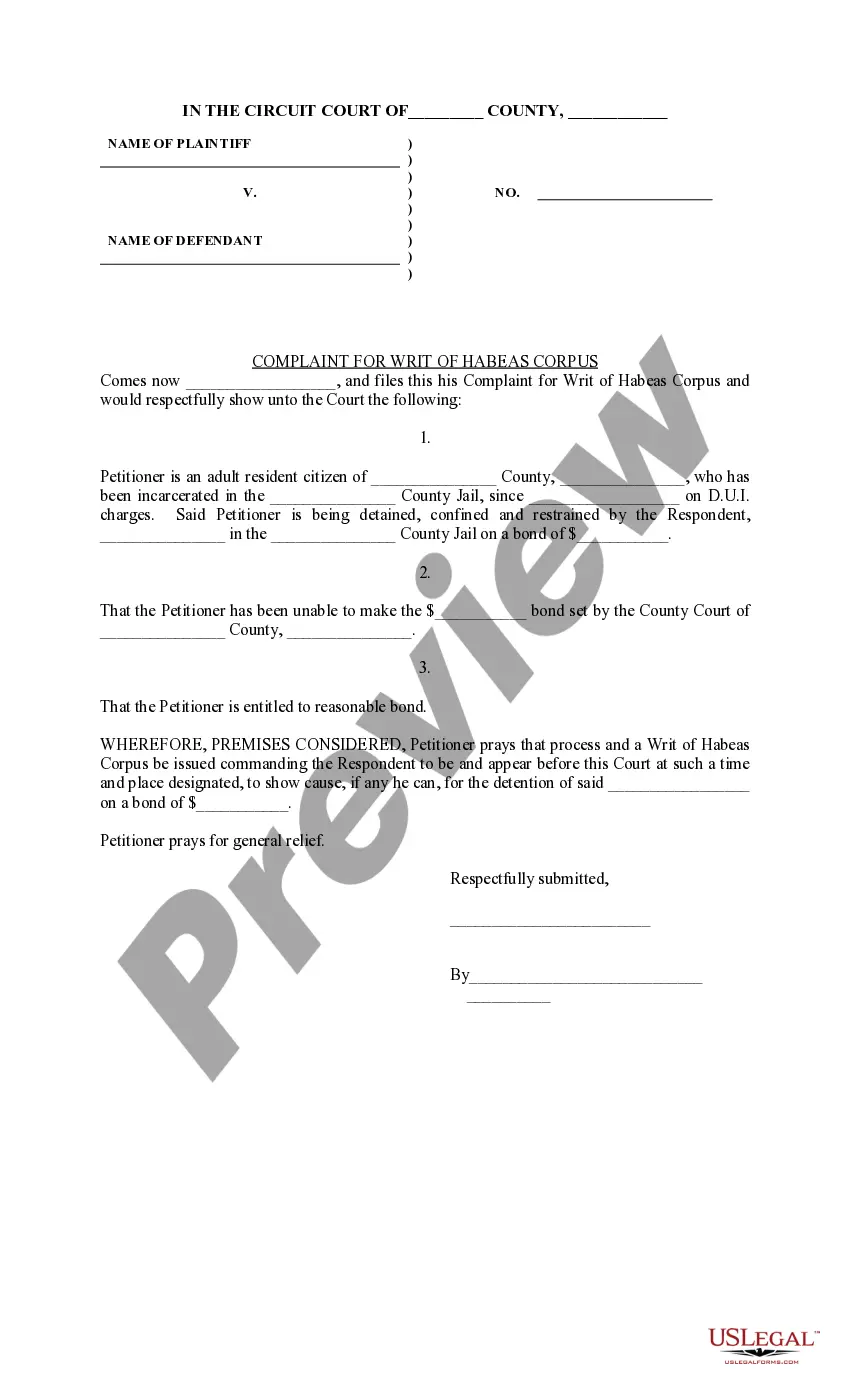
Get your form ready online
Our built-in tools help you complete, sign, share, and store your documents in one place.
Make edits, fill in missing information, and update formatting in US Legal Forms—just like you would in MS Word.
Download a copy, print it, send it by email, or mail it via USPS—whatever works best for your next step.
Sign and collect signatures with our SignNow integration. Send to multiple recipients, set reminders, and more. Go Premium to unlock E-Sign.
If this form requires notarization, complete it online through a secure video call—no need to meet a notary in person or wait for an appointment.
We protect your documents and personal data by following strict security and privacy standards.

Make edits, fill in missing information, and update formatting in US Legal Forms—just like you would in MS Word.

Download a copy, print it, send it by email, or mail it via USPS—whatever works best for your next step.

Sign and collect signatures with our SignNow integration. Send to multiple recipients, set reminders, and more. Go Premium to unlock E-Sign.

If this form requires notarization, complete it online through a secure video call—no need to meet a notary in person or wait for an appointment.

We protect your documents and personal data by following strict security and privacy standards.
Looking for another form?
Form popularity
FAQ
The Writ of Eviction is issued 10 days after the landlord wins the case. It is delivered to the tenant 15-30 days once received by the law enforcement officials. Tenants then have 72 hours to vacate the property.
Eviction Process in Oklahoma Landlord Serves a Zero- to 15-Day Eviction Notice in Oklahoma. Landlord Files an Eviction Lawsuit with the Court. Court Serves Tenant a Summons. Tenant Files an Answer. Landlord and Tenant Attend Court Hearing and Receive Judgment. Tenant Gets 48 Hours to Move Out.
The writ is issued by the Clerk of the U.S. District or Bankruptcy Court, at the discretion of the judge, after judgment is rendered.
If there is no written agreement, you can give them a written 30 day notice to vacate. If they don't vacate, then you can file a formal eviction action in court to get a hearing date and then a judgment and writ of possession that the sheriff would execute to force them to leave.
It varies, but generally 30 days. If a tenant just ``walks away'' from his rental, the landlord must store the possessions for 30 days in case the tenant returns and wants his things back. After that, they belong to the landlord to dispose of as he sees fit.
Yes. A notice to move is not the same thing as actually moving. If the tenant is delinquent on rent or in violation of other lease terms at the time of the notice, the landlord may choose to proceed with the eviction for one or both of two reasons: Distrust.
If the judge rules against you, you must follow the judge's directions. You may have only 48 hours to move out. If you do not move in time, the landlord can ask the sheriff to post a 48-hour notice on your door. After 48 hours, the sheriff will return to remove you and lock you out.
Except as otherwise provided in the Oklahoma Residential Landlord and Tenant Act, when the tenancy is month-to-month or tenancy at will, the landlord or tenant may terminate the tenancy provided the landlord or tenant gives a written notice to the other at least thirty (30) days before the date upon which the ...
Step-by-step guide on creating a template for eviction notice with cause: Include complete addresses of both the property and tenant(s). Clearly state the current date. Provide the names of all tenants involved. Specify the status and date of the lease agreement. Explicitly list the reason(s) for eviction.