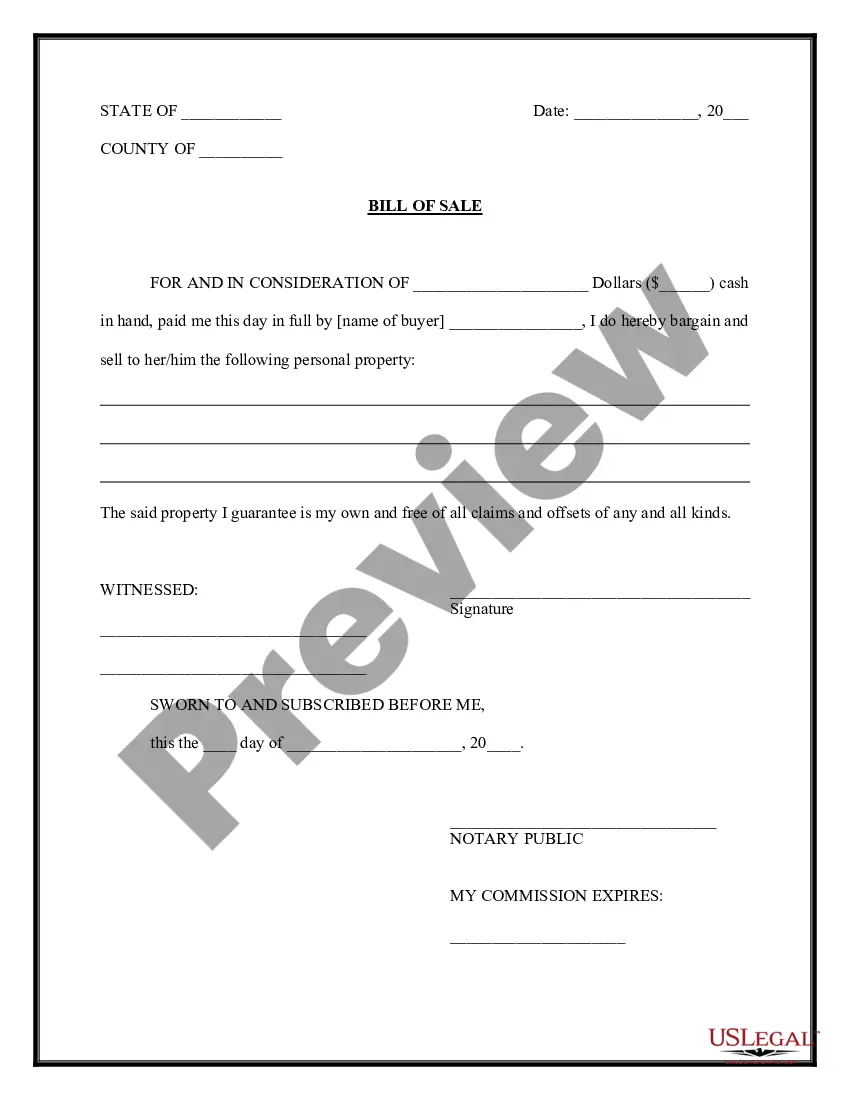
Petition Writ Habeas Corpus With Example In Alameda
Description






Get your form ready online
Our built-in tools help you complete, sign, share, and store your documents in one place.
Make edits, fill in missing information, and update formatting in US Legal Forms—just like you would in MS Word.
Download a copy, print it, send it by email, or mail it via USPS—whatever works best for your next step.
Sign and collect signatures with our SignNow integration. Send to multiple recipients, set reminders, and more. Go Premium to unlock E-Sign.
If this form requires notarization, complete it online through a secure video call—no need to meet a notary in person or wait for an appointment.
We protect your documents and personal data by following strict security and privacy standards.

Make edits, fill in missing information, and update formatting in US Legal Forms—just like you would in MS Word.

Download a copy, print it, send it by email, or mail it via USPS—whatever works best for your next step.

Sign and collect signatures with our SignNow integration. Send to multiple recipients, set reminders, and more. Go Premium to unlock E-Sign.

If this form requires notarization, complete it online through a secure video call—no need to meet a notary in person or wait for an appointment.

We protect your documents and personal data by following strict security and privacy standards.
Looking for another form?
Form popularity
FAQ
A number of people arrested and detained throughout the country sought writs of habeas corpus before the courts. He wanted them released through writs of habeas corpus, a right hitherto granted only to human prisoners.
Today, habeas corpus is mainly used as a post-conviction remedy for state or federal prisoners who challenge the legality of the application of federal laws that were used in the judicial proceedings that resulted in their detention.
For example, if an individual was convicted on the basis that their skin color matched that of the perpetrator ing to eyewitnesses, but there is no other evidence against them, then the individual can appeal for habeas corpus in order to be freed from imprisonment.
State every ground (reason) that supports your claim that you are being held in violation of the Constitution, laws, or treaties of the United States. Attach additional pages if you have more than four grounds. State the facts supporting each ground. Any legal arguments must be submitted in a separate memorandum.
A Writ of Habeas Corpus is usually filed by submitting a Petition, a Memorandum of Points and Authorities, a Declaration from the defendant, and other evidence which supports the Writ of Habeas Corpus. The Memorandum of Points of Authorities is a legal memorandum, which contains the legal arguments of the defendant.
Habeas Corpus/Prisoner TitleName Bruner-McMahon v. Jameson, et al. District of Kansas Disability Law Center, Inc. v. Massachusetts Department of Correction, et al District of Massachusetts Rosario v. Roden, et al District of Massachusetts Gary Bradford Cone v. Wayne Carpenter Western District of Tennessee3 more rows
The "Great Writ" of habeas corpus is a fundamental right in the Constitution that protects against unlawful and indefinite imprisonment. Translated from Latin it means "show me the body." Habeas corpus has historically been an important instrument to safeguard individual freedom against arbitrary executive power.
State every ground (reason) that supports your claim that you are being held in violation of the Constitution, laws, or treaties of the United States. Attach additional pages if you have more than four grounds. State the facts supporting each ground. Any legal arguments must be submitted in a separate memorandum.
The denial of a petition becomes final immediately if the Court of Appeal has not previously issued an alternative writ or order to show cause. (Cal. Rules of Ct., rule 8.264(a)(2)(A).) That means that a petition for review from summary denial of a petition for writ of habeas corpus must be filed within ten days.