Erisa Complaint Sample Without Notice In Utah
Description
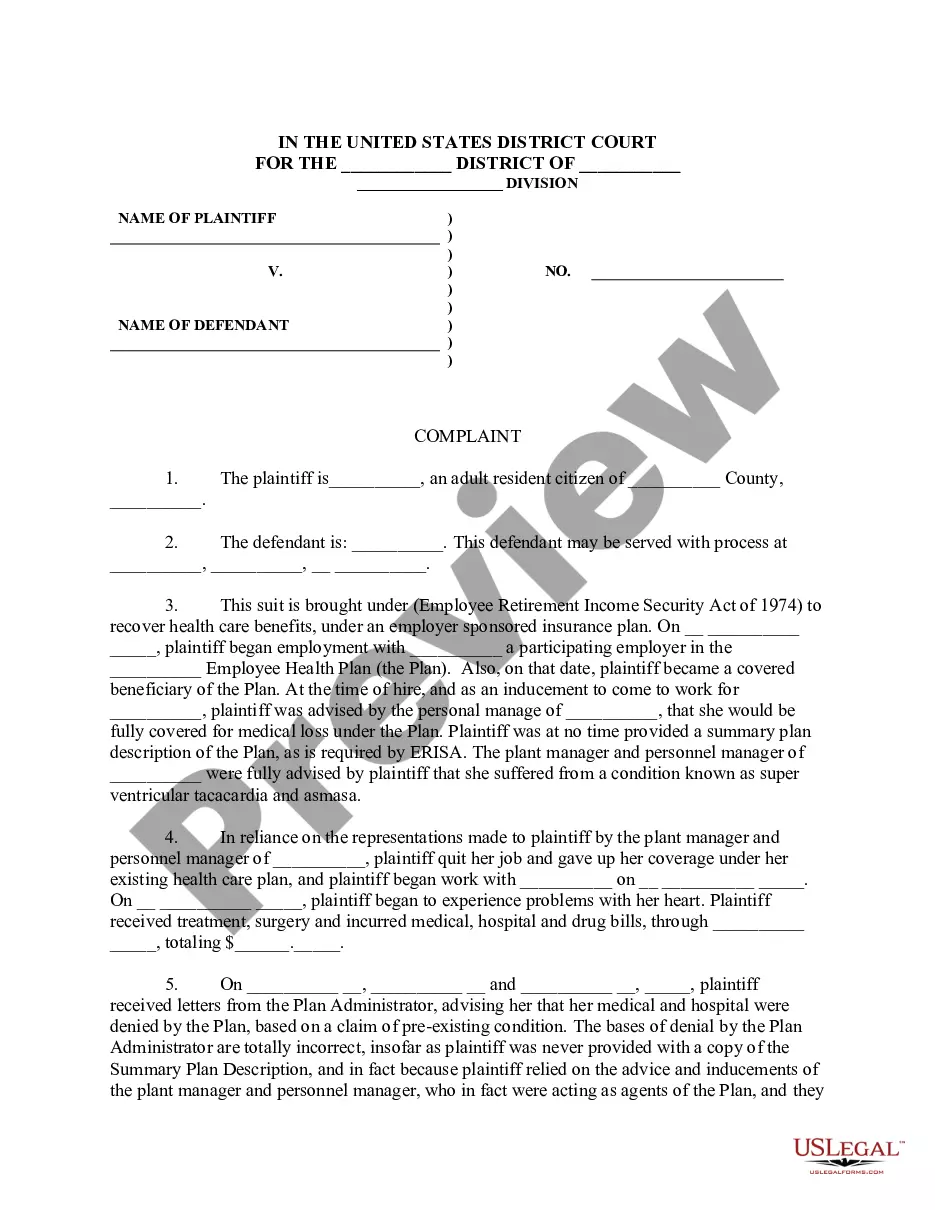
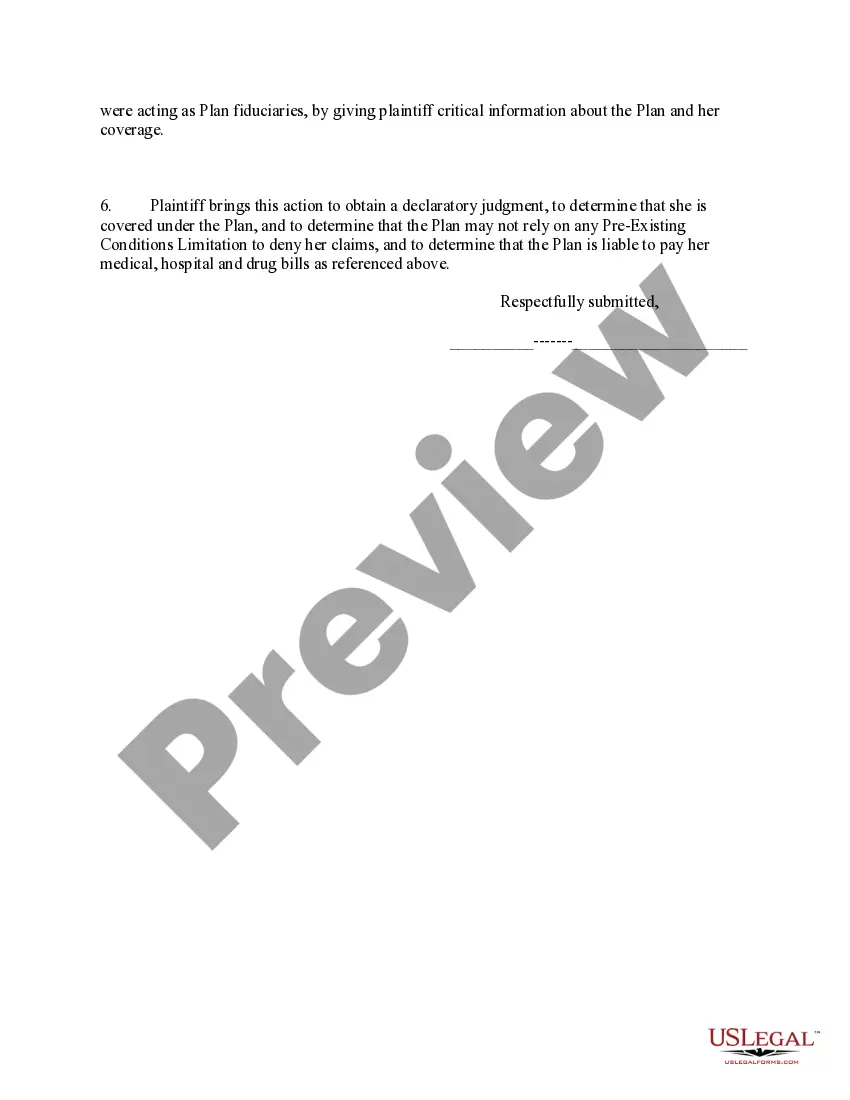
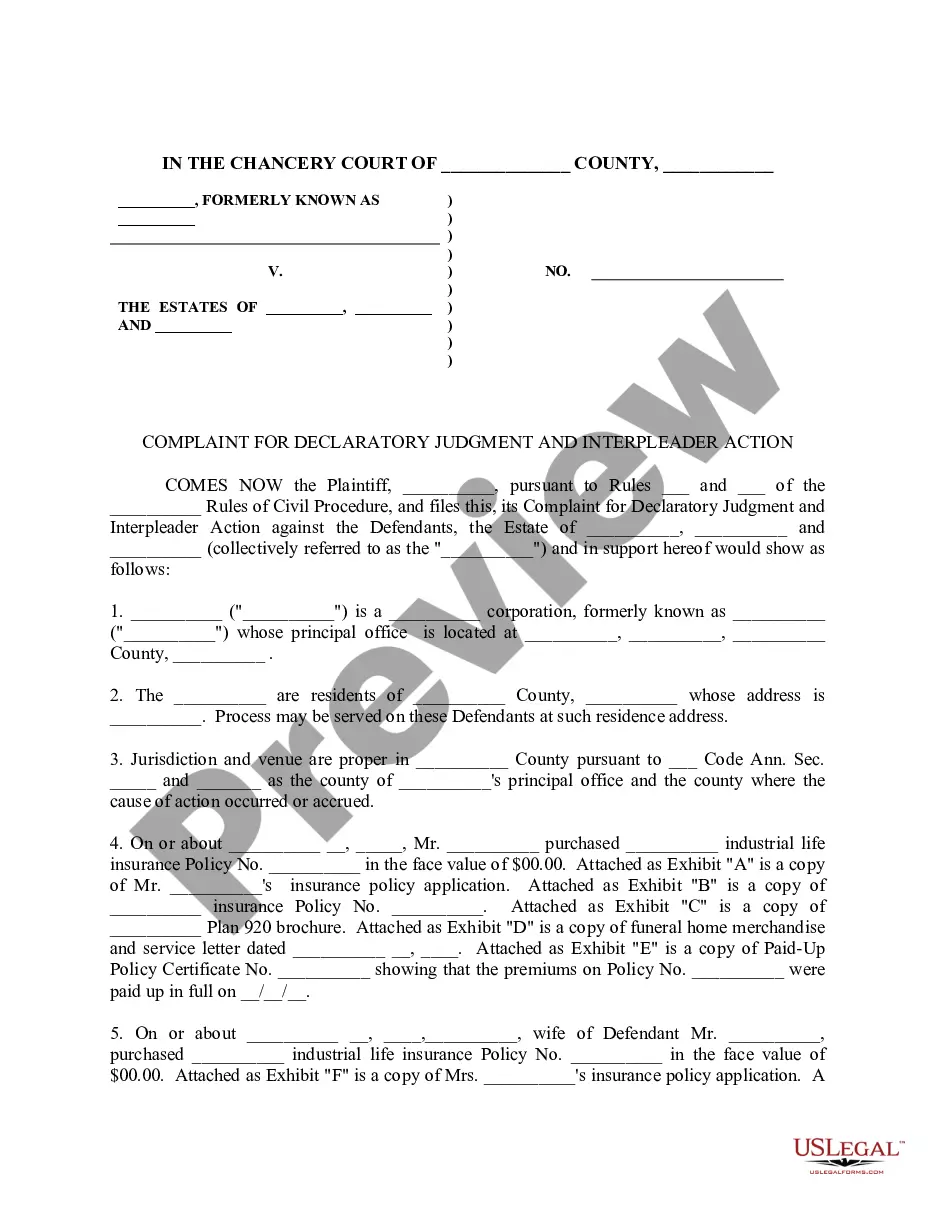
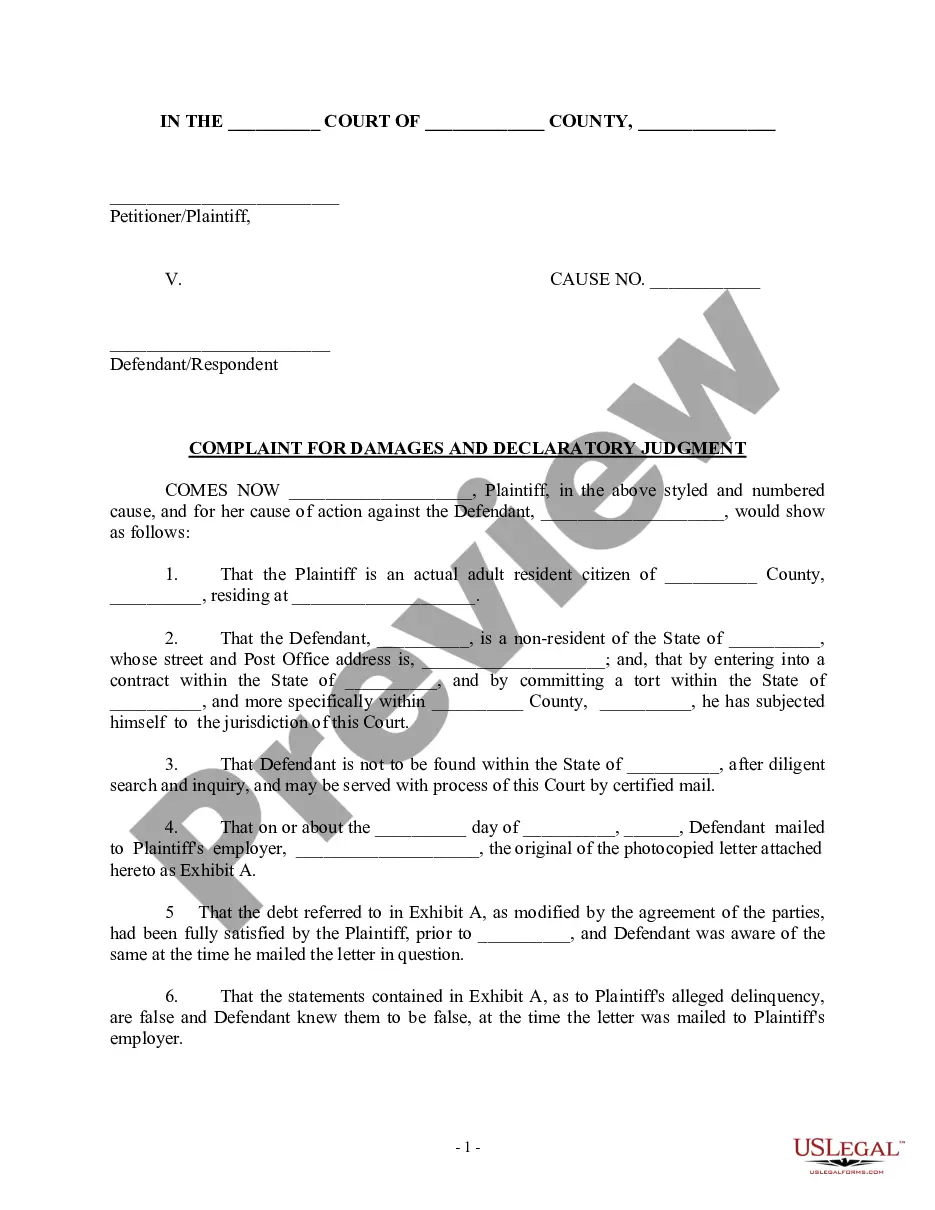
Get your form ready online
Our built-in tools help you complete, sign, share, and store your documents in one place.
Make edits, fill in missing information, and update formatting in US Legal Forms—just like you would in MS Word.
Download a copy, print it, send it by email, or mail it via USPS—whatever works best for your next step.
Sign and collect signatures with our SignNow integration. Send to multiple recipients, set reminders, and more. Go Premium to unlock E-Sign.
If this form requires notarization, complete it online through a secure video call—no need to meet a notary in person or wait for an appointment.
We protect your documents and personal data by following strict security and privacy standards.

Make edits, fill in missing information, and update formatting in US Legal Forms—just like you would in MS Word.

Download a copy, print it, send it by email, or mail it via USPS—whatever works best for your next step.

Sign and collect signatures with our SignNow integration. Send to multiple recipients, set reminders, and more. Go Premium to unlock E-Sign.

If this form requires notarization, complete it online through a secure video call—no need to meet a notary in person or wait for an appointment.

We protect your documents and personal data by following strict security and privacy standards.
Looking for another form?







Form popularity
FAQ
Arrangements that are subject to ERISA must meet these reporting and disclosure requirements: Form 5500 annual reports and summary annual reports, • A written plan document and summary plan description (SPD), and • Participant notices.
The Employee Benefits Security Administration is an agency within the Department of Labor that administers and enforces the provisions of Title I of the Employee Retirement Income Security Act (ERISA). ERISA established fiduciary and other standards for employee benefit plans sponsored by private-sector employers.
By bringing these lawsuits, employees are enforcing their rights under the benefit plans. They are also making sure that plan administrators and others are being prudent and honest in how they administer plans. ERISA allows plan participants and beneficiaries to get into federal court to bring these claims.
Filing an ERISA Claim: Step-by-Step Guide Step 1: Review Your Plan. The first step in filing an ERISA claim is to review your disability insurance policy thoroughly. Step 2: Gather Evidence. Step 3: File Your Claim. Step 4: Wait for a Decision. Step 5: Appeal if Necessary.
To file an ERISA appeal, you need to follow the ERISA appeal procedure of your benefit plan. Usually, the plan will tell you what the appeal process is for your claim. You'll typically be notified of this when they send you notice of the denial of your claim.
Contact your regional EBSA office to file a complaint or an appeal after exhausting your insurance appeals process. You can also find ERISA information through the U.S. Department of Labor online at .dol/ebsa.
Filing an ERISA Claim: Step-by-Step Guide Step 1: Review Your Plan. The first step in filing an ERISA claim is to review your disability insurance policy thoroughly. Step 2: Gather Evidence. Step 3: File Your Claim. Step 4: Wait for a Decision. Step 5: Appeal if Necessary.
The Employee Benefits Security Administration (EBSA) is responsible for administering and enforcing the fiduciary, reporting and disclosure provisions of Title I of the Employee Retirement Income Security Act of 1974 (ERISA). Until February 2003, EBSA was known as the Pension and Welfare Benefits Administration (PWBA).
EBSA also conducts investigations of criminal violations regarding employee benefit plans such as embezzlement, kickbacks, and false statements under Title 18 of the U.S. Criminal Code. Prosecution of these criminal violations is handled by U.S. Attorneys' offices, see Criminal Enforcement News Releases.
The Employee Retirement Income Security Act of 1974 (ERISA) covers most voluntarily established private sector employee benefit plans. Private-sector employers are responsible for making sure their retirement plans comply with ERISA regulations.
