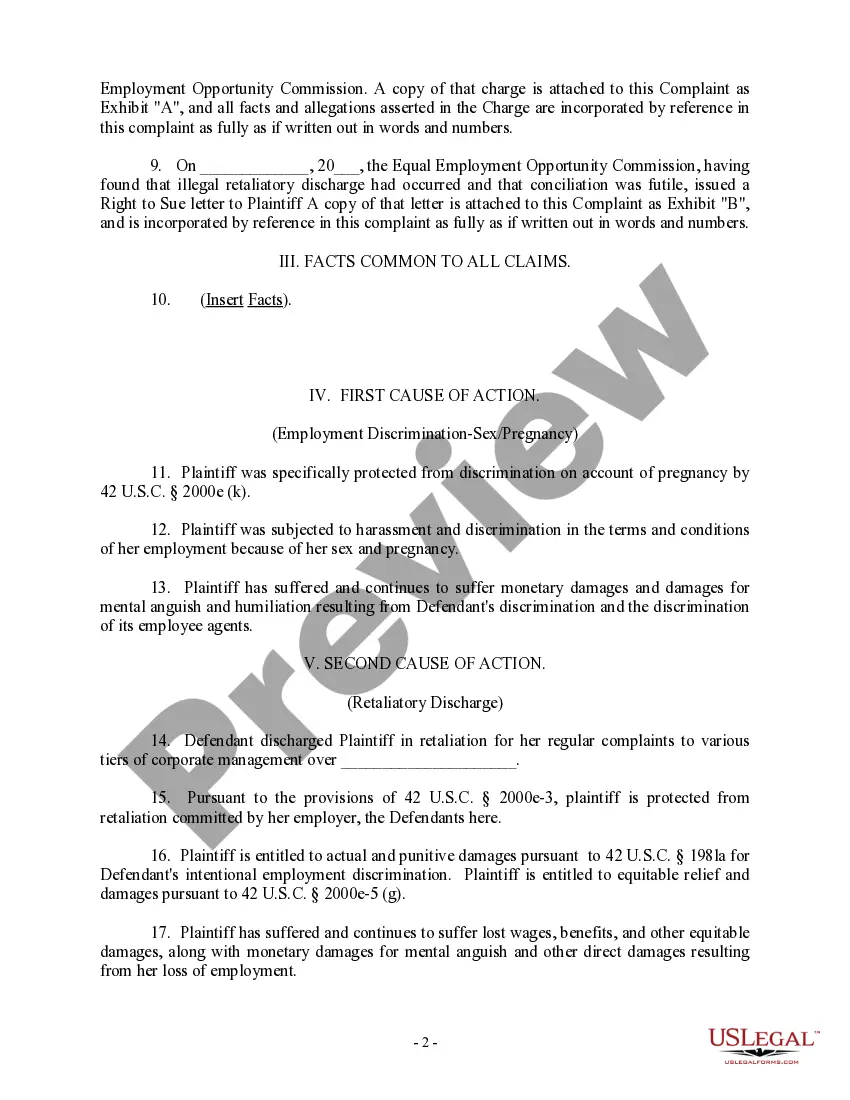
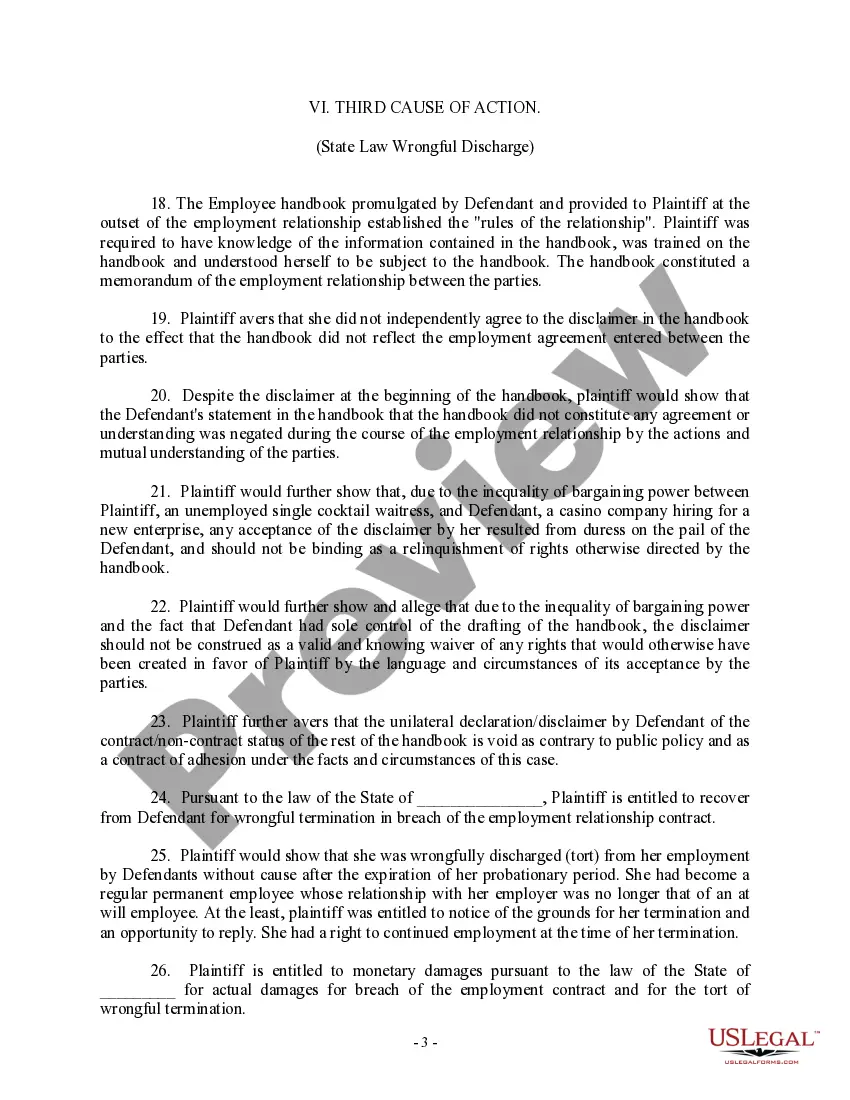
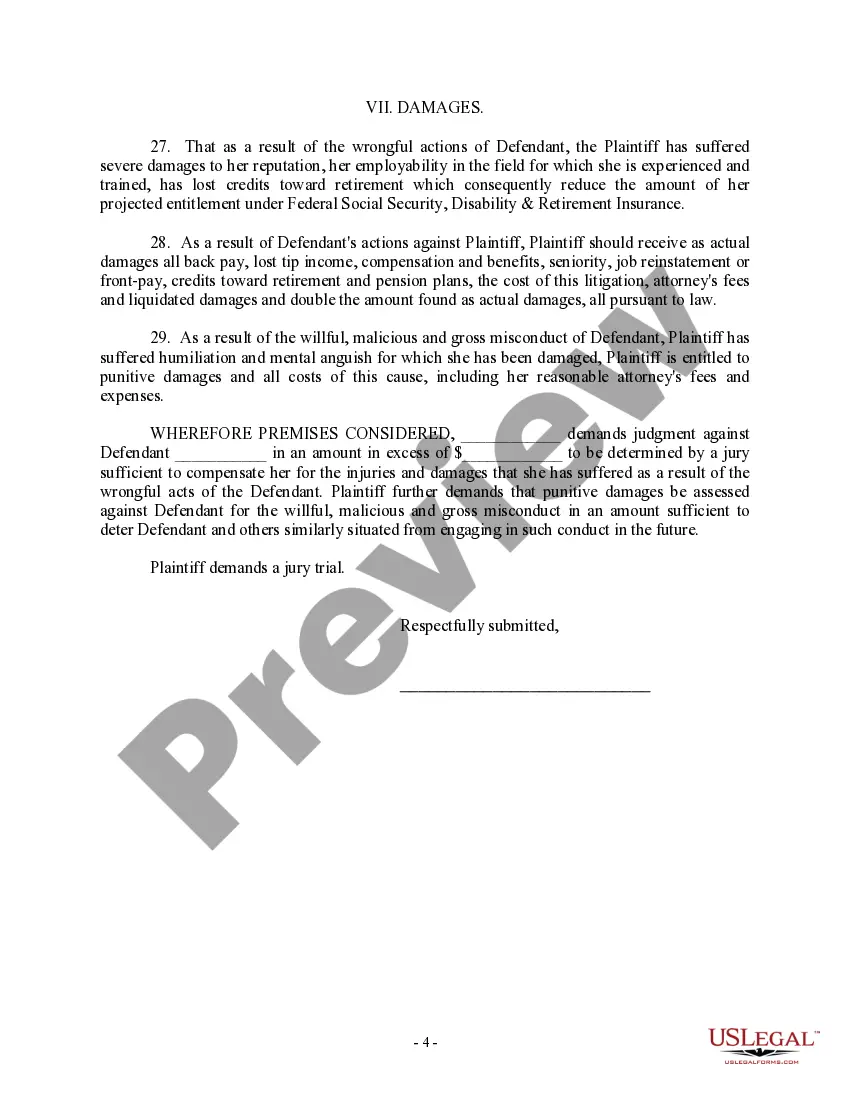
National Labor Relations Board Complaint Form In Cook
Description



Get your form ready online
Our built-in tools help you complete, sign, share, and store your documents in one place.
Make edits, fill in missing information, and update formatting in US Legal Forms—just like you would in MS Word.
Download a copy, print it, send it by email, or mail it via USPS—whatever works best for your next step.
Sign and collect signatures with our SignNow integration. Send to multiple recipients, set reminders, and more. Go Premium to unlock E-Sign.
If this form requires notarization, complete it online through a secure video call—no need to meet a notary in person or wait for an appointment.
We protect your documents and personal data by following strict security and privacy standards.

Make edits, fill in missing information, and update formatting in US Legal Forms—just like you would in MS Word.

Download a copy, print it, send it by email, or mail it via USPS—whatever works best for your next step.

Sign and collect signatures with our SignNow integration. Send to multiple recipients, set reminders, and more. Go Premium to unlock E-Sign.

If this form requires notarization, complete it online through a secure video call—no need to meet a notary in person or wait for an appointment.

We protect your documents and personal data by following strict security and privacy standards.
Looking for another form?








Form popularity
FAQ
NLRB management also may provide information to the OIG. Individuals may choose to remain anonymous or request that their identities be confidential. OIG maintains confidentiality in ance with Section 7(b) of the Inspector General Act of 1978.
Other Proactive Disclosed NLRB Records The Agency makes many reports available to the public, containing various types of information related to casehandling, the Agency's performance, the FOIA, and Office of the Inspector General.
The National Labor Relations Act protects most employees whether the workplace is unionized or non-unionized.
Examples of Employer Conduct Which Violate the NLRA Are: Promising benefits to employees to discourage their union support. Transferring, laying off, terminating, assigning employees more difficult work tasks, or otherwise punishing employees because they engaged in union or protected concerted activity.
The National Labor Relations Board (NLRB) enforces the National Labor Relations Act by investigating allegations of wrong-doing brought by workers, unions, or employers, conducting elections, and deciding and resolving cases.
For example, the NLRA does not protect employees who engage in: Secondary boycotts. Strikes about a union's jurisdiction over a type of work. Strikes for recognition of a union in defiance of a certified union.
Examples of Employer Conduct Which Violate the NLRA Are: Questioning employees about their union sympathies or activities in circumstances that tend to interfere with, restrain or coerce employees in the exercise of their rights under the Act. Promising benefits to employees to discourage their union support.
Common allegations against employers in complaints include threats, interrogations and unlawful disciplinary actions against employees for their union activity; promises of benefits to discourage unionization; and, in the context of collective bargaining relationships, refusals to provide information, refusals to ...
