Employment Law For Hr Professionals In Texas
Description




Get your form ready online
Our built-in tools help you complete, sign, share, and store your documents in one place.
Make edits, fill in missing information, and update formatting in US Legal Forms—just like you would in MS Word.
Download a copy, print it, send it by email, or mail it via USPS—whatever works best for your next step.
Sign and collect signatures with our SignNow integration. Send to multiple recipients, set reminders, and more. Go Premium to unlock E-Sign.
If this form requires notarization, complete it online through a secure video call—no need to meet a notary in person or wait for an appointment.
We protect your documents and personal data by following strict security and privacy standards.

Make edits, fill in missing information, and update formatting in US Legal Forms—just like you would in MS Word.

Download a copy, print it, send it by email, or mail it via USPS—whatever works best for your next step.

Sign and collect signatures with our SignNow integration. Send to multiple recipients, set reminders, and more. Go Premium to unlock E-Sign.

If this form requires notarization, complete it online through a secure video call—no need to meet a notary in person or wait for an appointment.

We protect your documents and personal data by following strict security and privacy standards.
Looking for another form?
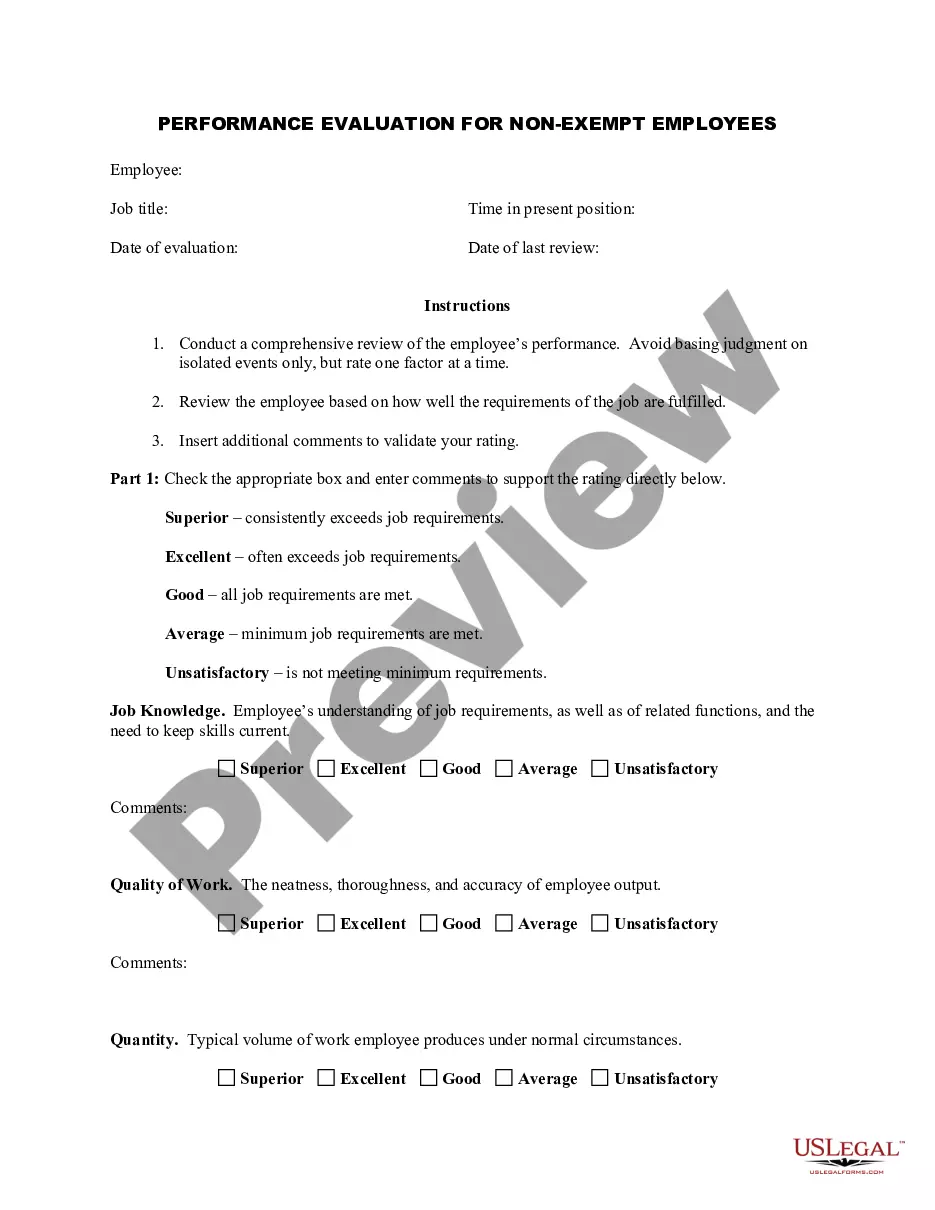

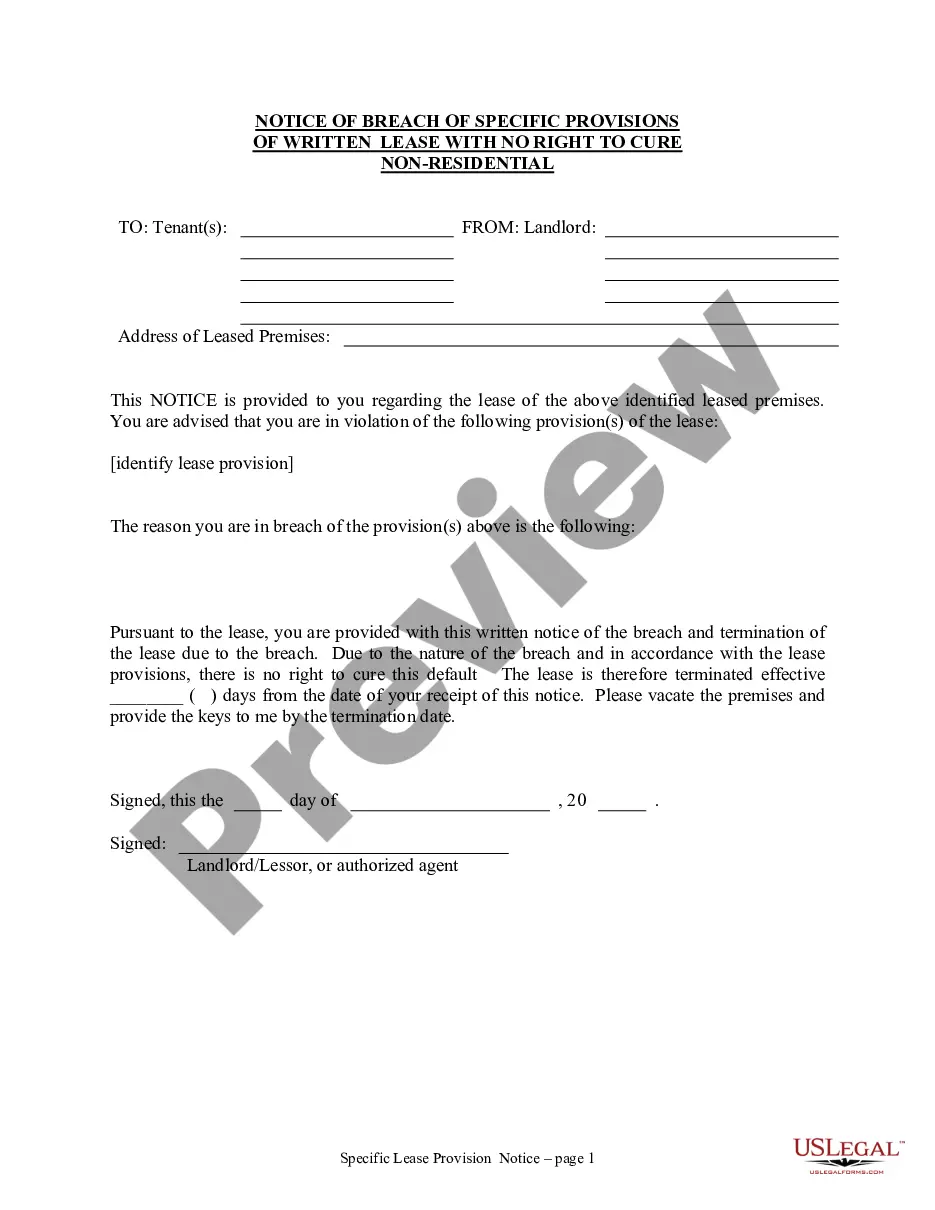


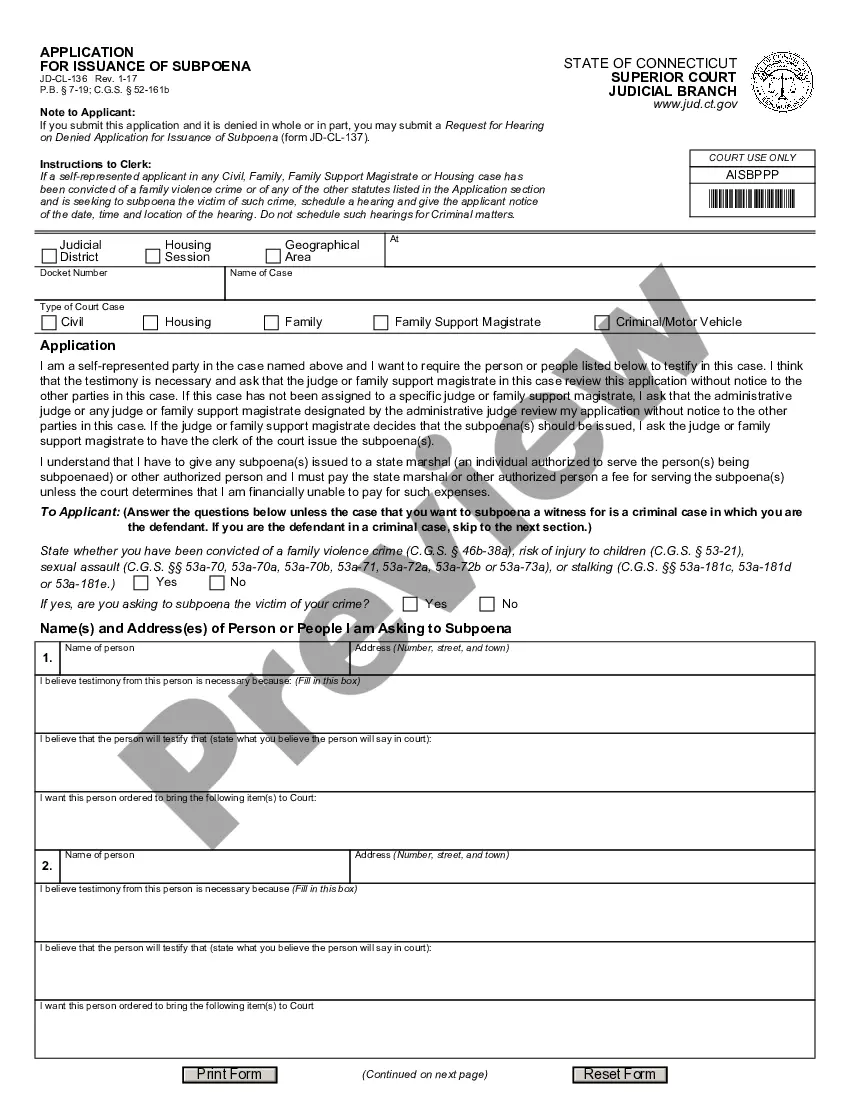




Form popularity
FAQ
Sources of HR Compliance Statutory Compliance: Your business must comply with government laws, or statutes, that regulate the workplace. Statutory compliance in HR includes areas like minimum wage, employment taxes, equal opportunity employment, insurance, and other federal and state mandates.
An effective HR manager has knowledge and experience of all compliance issues. These include issues relating to employee benefits and compensation, health and safety, leave entitlements, discrimination and harassment, confidentiality, and employee labor rights.
Areas that do fall under HR Compliance include things like employment contracts, worker classification, occupational health and safety, breaks and right to disconnect, company policies and others.
1.3 How would an HR professional determine whether an employment law is applicable to his/her employer? The first step is determining which federal employment statutes apply to the firm. Some federal laws apply to all employers regardless of size. Such is the case of the USERRA and the NLRA.
Know Your Laws: Managers must understand key employment laws like NLRA, FMLA, ADA, Title VII, and ADEA to avoid legal issues and support their teams effectively.
HR compliance means adhering to all applicable labor laws. The larger your organization and the more geographic regions you operate in, the more regulations you must comply with.
The basic rule of Texas employment law is employment at will, meaning either party in an employment relationship can modify the terms of the relationship unless there is a statute or an express agreement stating otherwise.
HR law provides the legal framework for employment relationships and governs areas such as discrimination, harassment, and employee rights. HR professionals who excel in employee relations are equipped to manage conflict, build trust, and improve communication between management and employees.
HR Compliance and Documentation They ensure internal documentation is in line with the law, specifically employee policies, HR recordkeeping, compliance audits, and internal controls, as well as training and education on HR issues.
As I mentioned, it is very important for the HR department to develop and enforce company policies and procedures; however, it is even more important for the HR department to develop the tools and skills for managers and employees to understand why the policies are in place and what the results are if they aren't ...
