Employment Discrimination Sample For Visa Application In Ohio
Description




Get your form ready online
Our built-in tools help you complete, sign, share, and store your documents in one place.
Make edits, fill in missing information, and update formatting in US Legal Forms—just like you would in MS Word.
Download a copy, print it, send it by email, or mail it via USPS—whatever works best for your next step.
Sign and collect signatures with our SignNow integration. Send to multiple recipients, set reminders, and more. Go Premium to unlock E-Sign.
If this form requires notarization, complete it online through a secure video call—no need to meet a notary in person or wait for an appointment.
We protect your documents and personal data by following strict security and privacy standards.

Make edits, fill in missing information, and update formatting in US Legal Forms—just like you would in MS Word.

Download a copy, print it, send it by email, or mail it via USPS—whatever works best for your next step.

Sign and collect signatures with our SignNow integration. Send to multiple recipients, set reminders, and more. Go Premium to unlock E-Sign.

If this form requires notarization, complete it online through a secure video call—no need to meet a notary in person or wait for an appointment.

We protect your documents and personal data by following strict security and privacy standards.
Looking for another form?


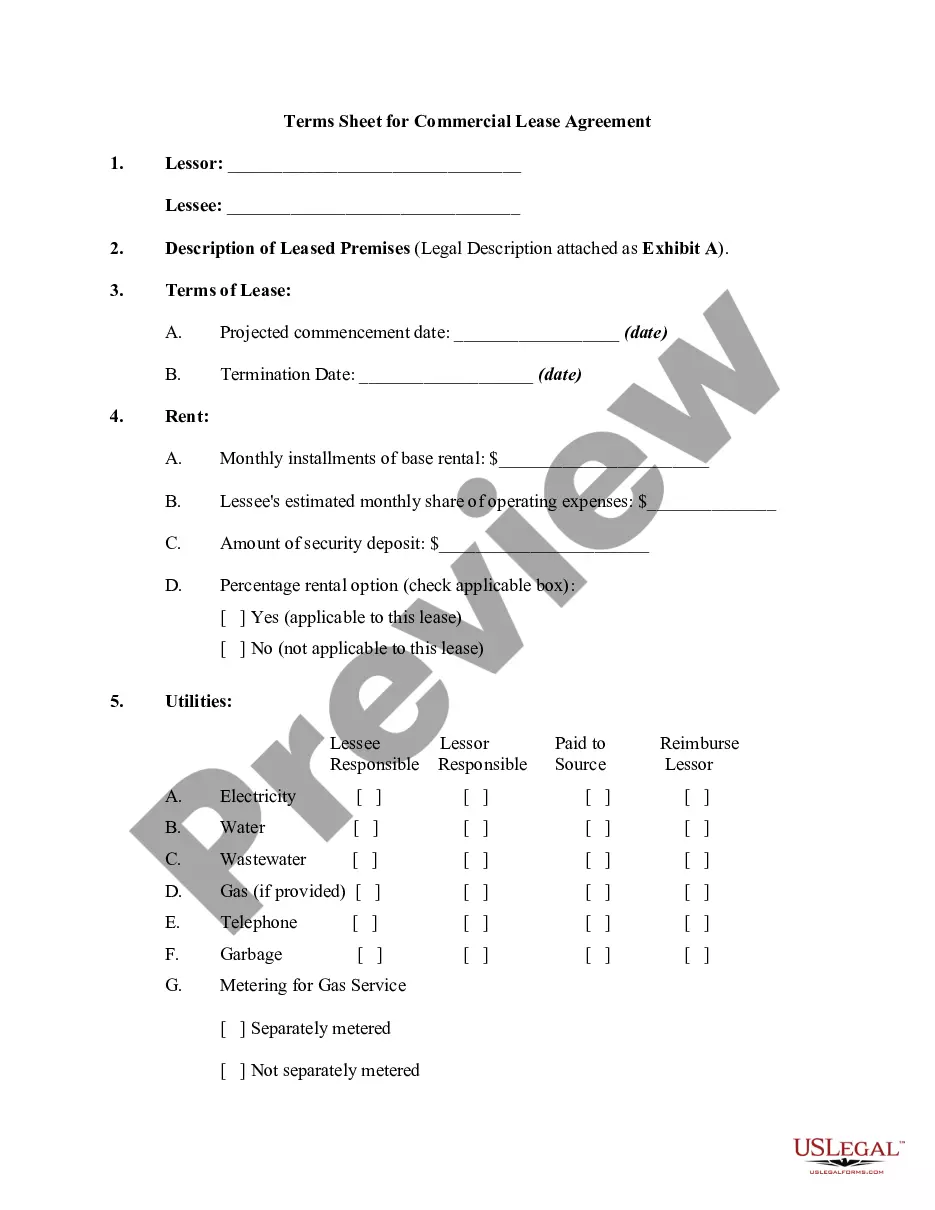

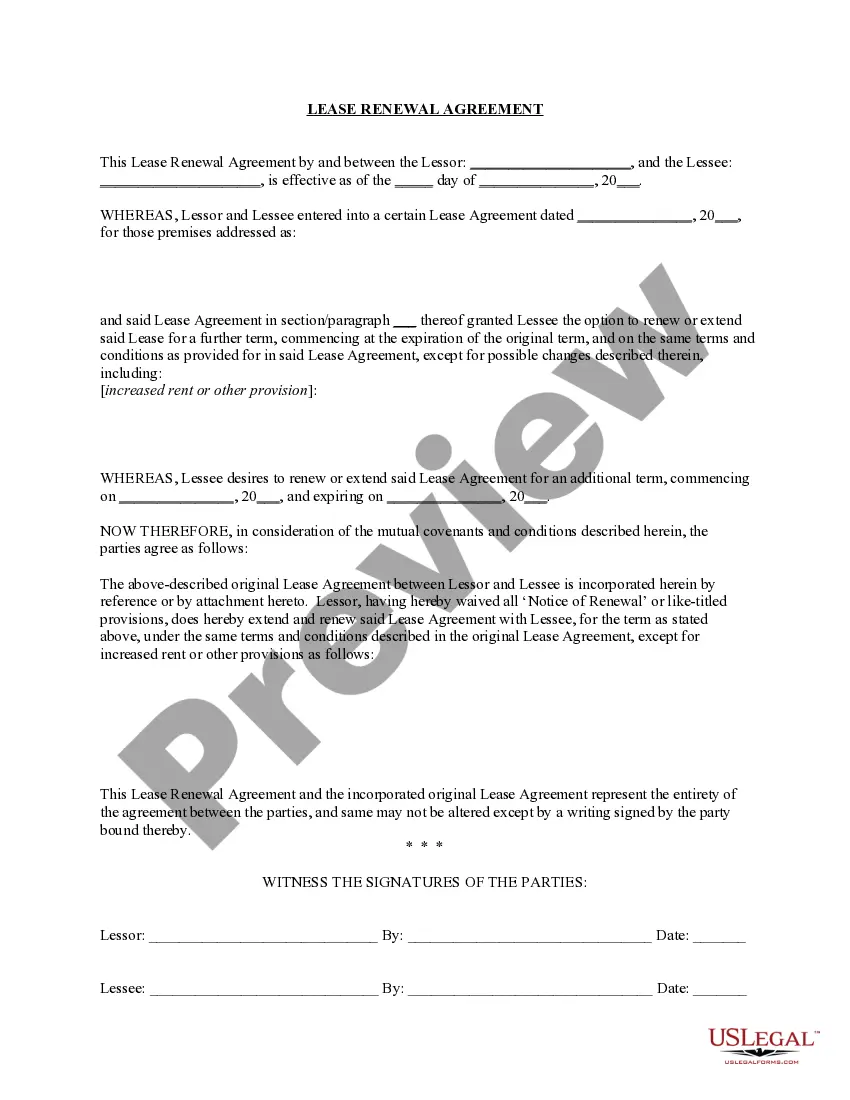





Form popularity
FAQ
The following would be considered illegal discrimination if there is evidence that the decision was made based on a protected characteristic: Sexual Harassment. Refusal to Provide Services. Unfair Lending Practices. Misrepresenting the Availability of Housing. Refusal to Allow “Reasonable Modifications” Refusing Rental.
On July 1, 2018, new regulations from California's Fair Employment and Housing Council (“FEHC”) clarified that discrimination based on immigration status is prohibited under the Fair Employment and Housing Act (“FEHA”).
To prove discrimination, plaintiffs must provide evidence that they: (a) are a member of a protected class, (b) are qualified for the position at issue, (c) suffered an adverse employment action, and (d) the employer treated similarly situated employees outside of the protected class more favorably (or some other ...
Evidence takes several forms. It includes your testimony, which is the very first evidence gathered by EEOC. It also includes written materials such as evaluations, notes by your employer, letters, memos, and the like. You will be asked to provide any documents you may have that relate to your case.
Age. Age discrimination involves treating someone (an applicant or employee) less favorably because of age. Disability. Genetic Information. Unlawful Workplace Harassment (Harassment) ... National Origin. Pregnancy. Race/Color. Religion.
Keep a Written Record: The first step in documenting employment discrimination is to keep a written record of every incident that occurs. Your records should include dates, times, locations, who was involved, who witnessed it, and details of what exactly happened.
Yes, employers can reject a candidate based on visa status, but there are important legal considerations to keep in mind. In the United States, for example, employers must comply with anti-discrimination laws, such as the Immigration and Nationality Act (INA) and Title VII of the Civil Rights Act.
Employers are prohibited from discriminating against employees based on their national origin or citizenship status. Employers cannot refuse to hire or terminate employees based on their immigration status.
The Immigration Reform and Control Act requires you to verify your employees' eligibility status, even those you know to be U.S. citizens. However, the same Act prohibits you from asking people to prove their citizenship or work status before offering them employment.
You have protections against discrimination. An employer with four or more employees generally may not discriminate against you because of your citizenship or immigration status.