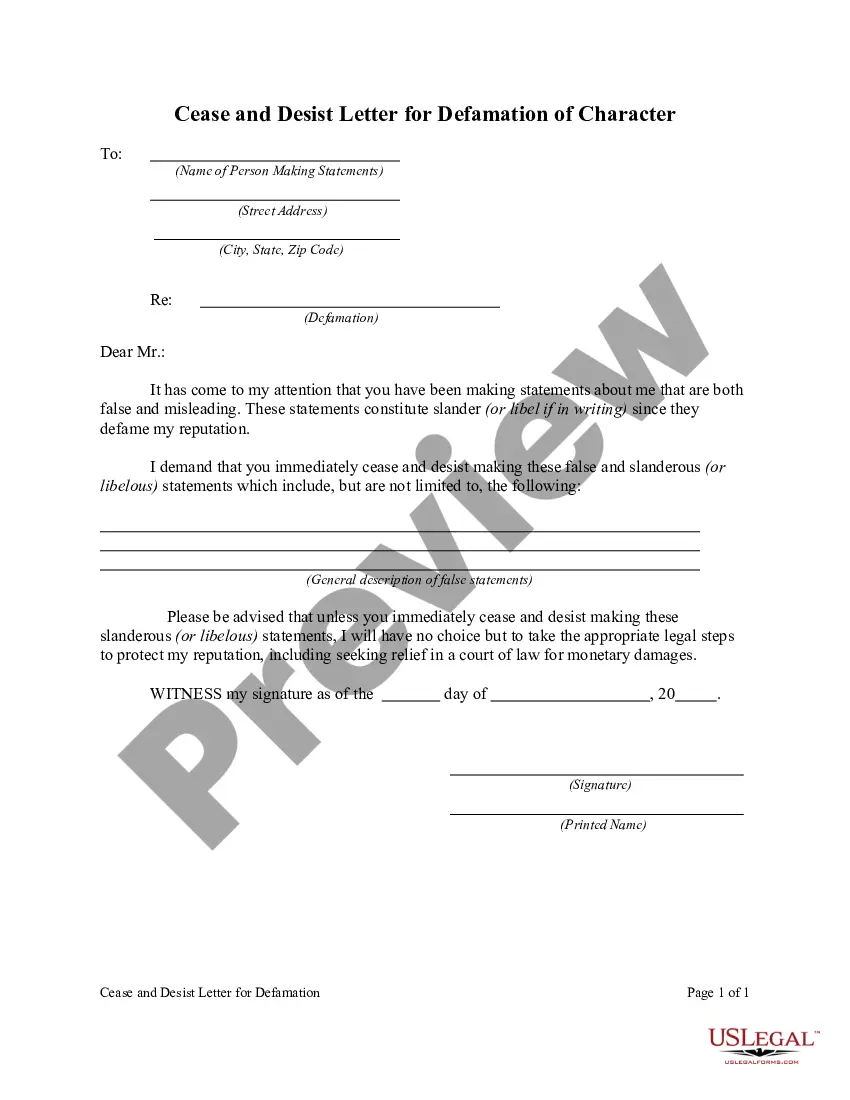
Employment Discrimination Rights With Criminal Records In Ohio
Description
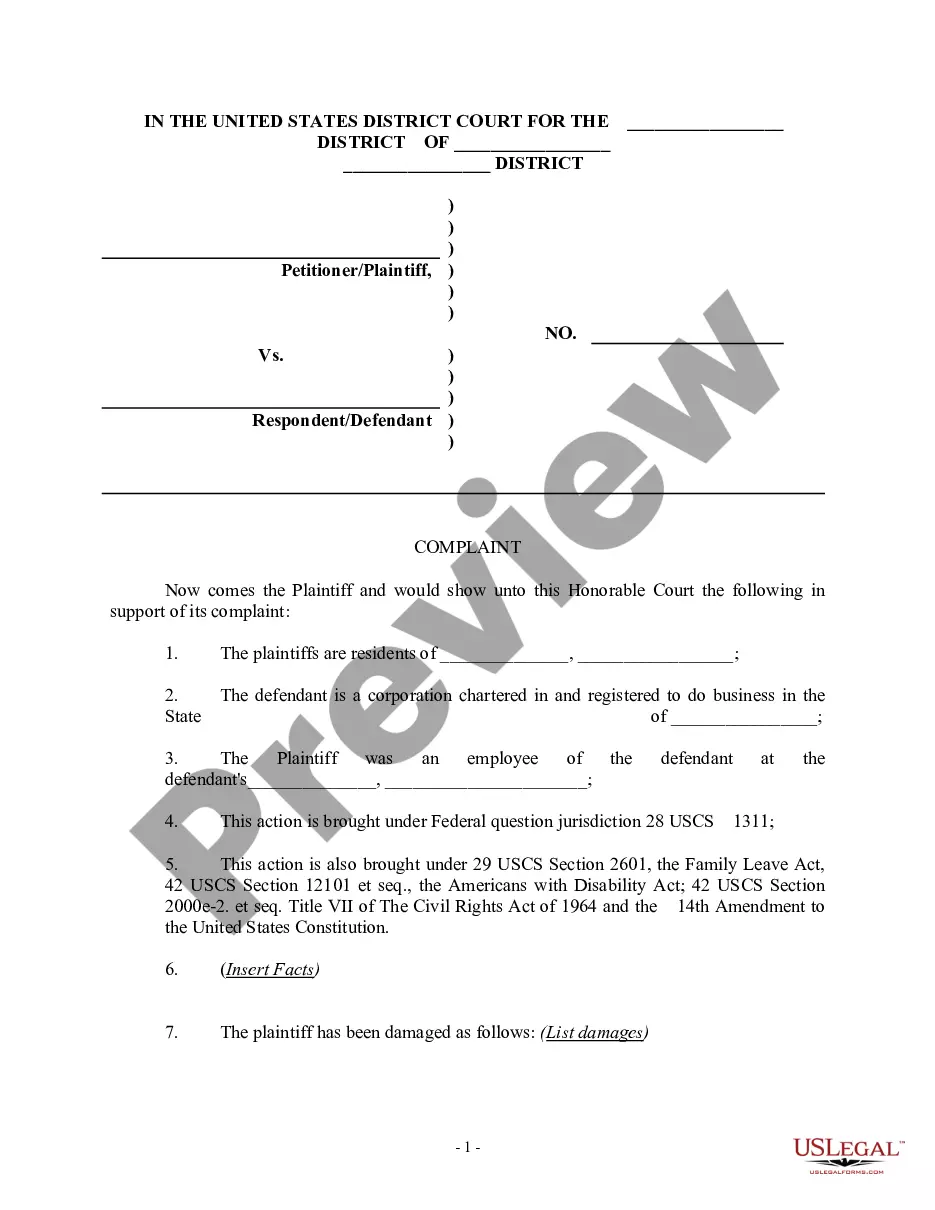
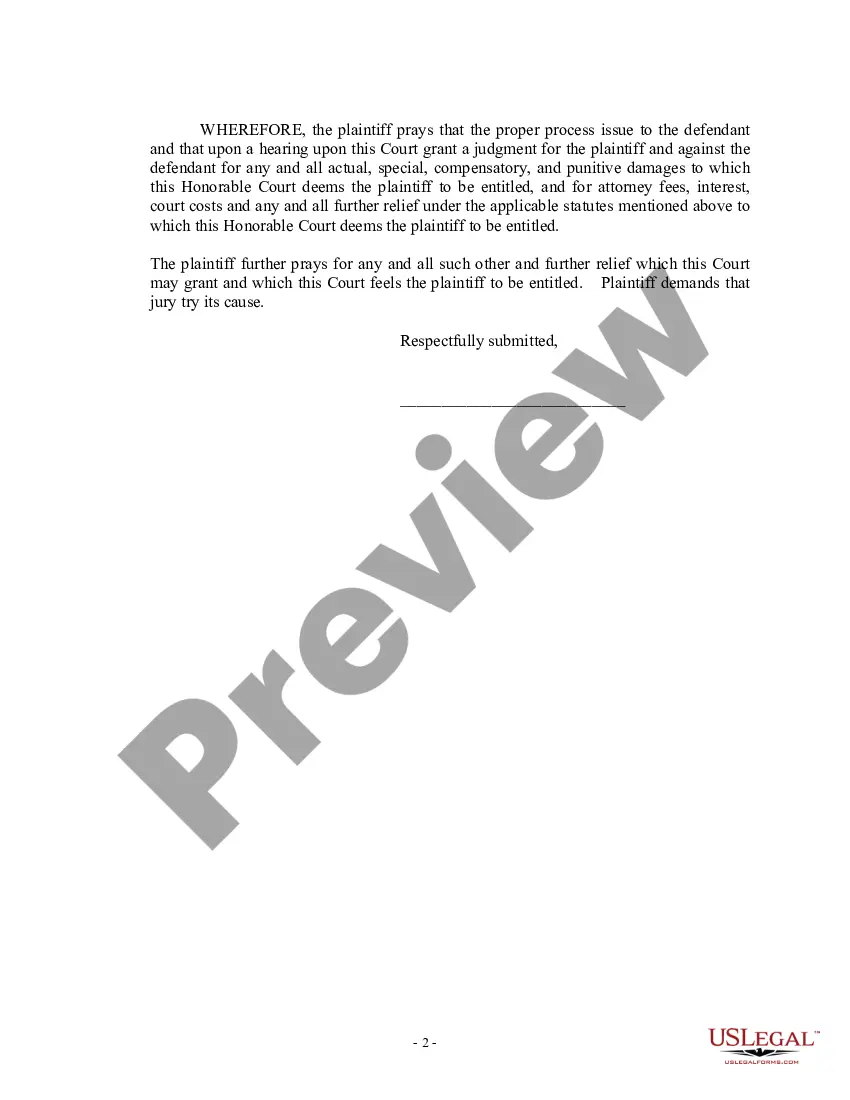
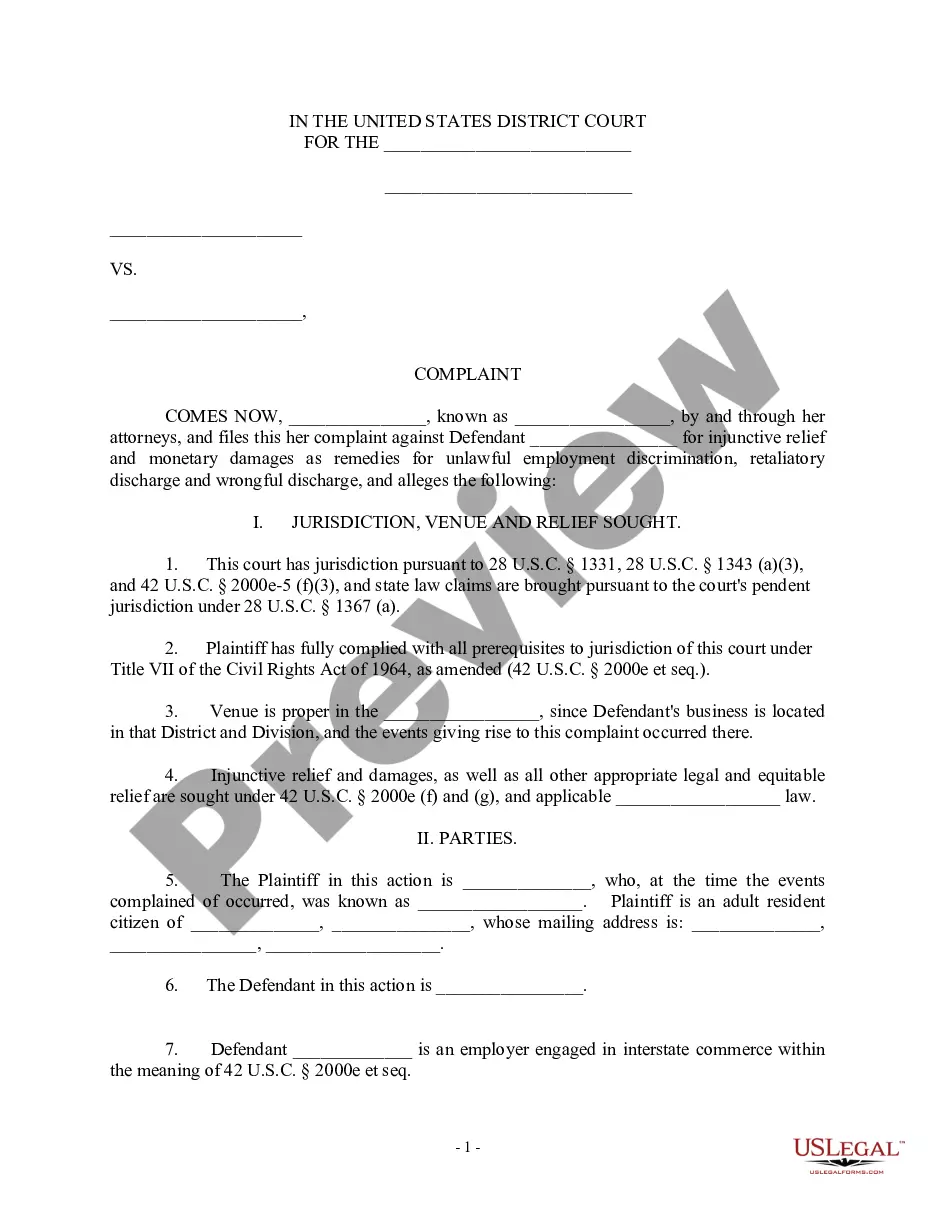
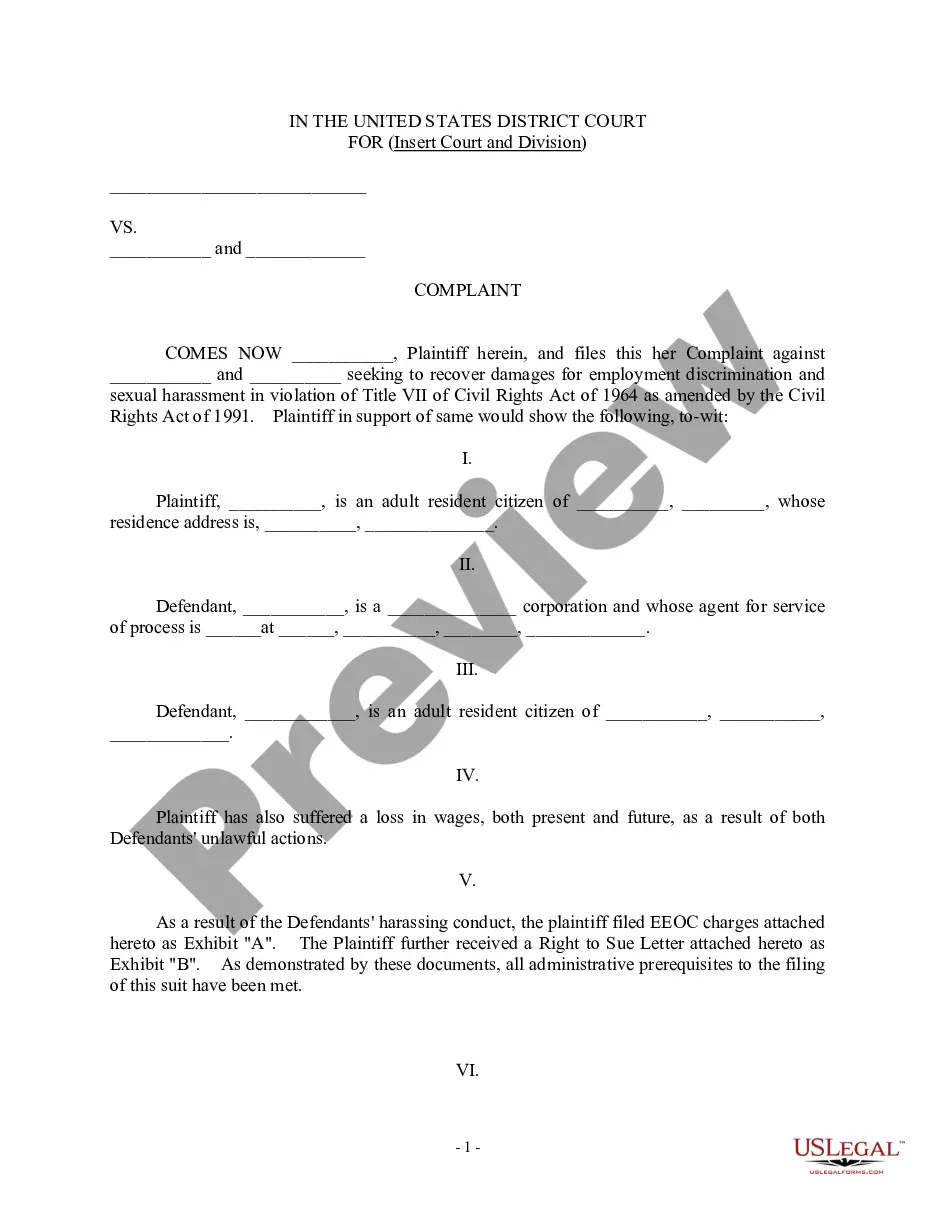
Get your form ready online
Our built-in tools help you complete, sign, share, and store your documents in one place.
Make edits, fill in missing information, and update formatting in US Legal Forms—just like you would in MS Word.
Download a copy, print it, send it by email, or mail it via USPS—whatever works best for your next step.
Sign and collect signatures with our SignNow integration. Send to multiple recipients, set reminders, and more. Go Premium to unlock E-Sign.
If this form requires notarization, complete it online through a secure video call—no need to meet a notary in person or wait for an appointment.
We protect your documents and personal data by following strict security and privacy standards.

Make edits, fill in missing information, and update formatting in US Legal Forms—just like you would in MS Word.

Download a copy, print it, send it by email, or mail it via USPS—whatever works best for your next step.

Sign and collect signatures with our SignNow integration. Send to multiple recipients, set reminders, and more. Go Premium to unlock E-Sign.

If this form requires notarization, complete it online through a secure video call—no need to meet a notary in person or wait for an appointment.

We protect your documents and personal data by following strict security and privacy standards.
Looking for another form?

Form popularity
FAQ
What is the best defense to an employment discrimination claim? If the employer can provide a legitimate, non-discriminatory reason for taking an adverse employment action and the employee cannot show that the proffered reason is false, the employer will likely prevail in the lawsuit.
Charges of discrimination can be filed against employers with four (4) or more employees. The act of discrimination must have occurred no more than two years prior to the date of filing.
Wronged employees have three ways of proving their employers intended to discriminate: circumstantial evidence, direct evidence, and pattern and practice. Circumstantial evidence is evidence that proves a fact by inference, as opposed to direct evidence which directly proves a fact.
The way in which that can be done and proven is generally through circumstantial evidence showing that you are a member of a protected class, that you were denied a promotion, for example, and that the reason that your employer gave for why it denied you that promotion, was actually just a pretext for discrimination.
Under the state or federal anti-discrimination laws, an employer may defend against discrimination claims and avoid liability if it can show both a proper, relevant affirmative defense and that less discriminatory alternatives are not available.
Below we discuss some potential defenses to allegations of workplace discrimination in California. Defense #1: Bona Fide Occupational Qualification. Defense #2: Business Necessity. Defense #3: Employee Job Performance. Defense #4: Breach of Contract. Defense #5: Reasonable Factor Other Than Age.
Bona Fide Occupational Qualification (BFOQ) as a Discrimination Defense. In certain limited situations, an employer can argue that consideration of a protected characteristic, such as gender or age, is not discriminatory because there is a bona fide occupational qualification that justifies it.
For example, asking only people of a certain race about their financial histories or criminal records is evidence of discrimination.
Tips for getting a job with a criminal record Understand the regulations. Look for employers open to hiring people with criminal records. Do volunteer work. Get training. Gather references. Make use of inside connections. Steer the conversation to the positive. Be truthful.
For example, state law provides restrictions regarding certain positions for certain felony convictions (e.g., Ohio Revised Code (ORC) 2961.02 prohibits individuals convicted of a felony involving fraud, deceit, or theft from holding a position that has substantial management or control over the property of a state ...