Employment Discrimination Rights With Child Protective Services In Montgomery
Description
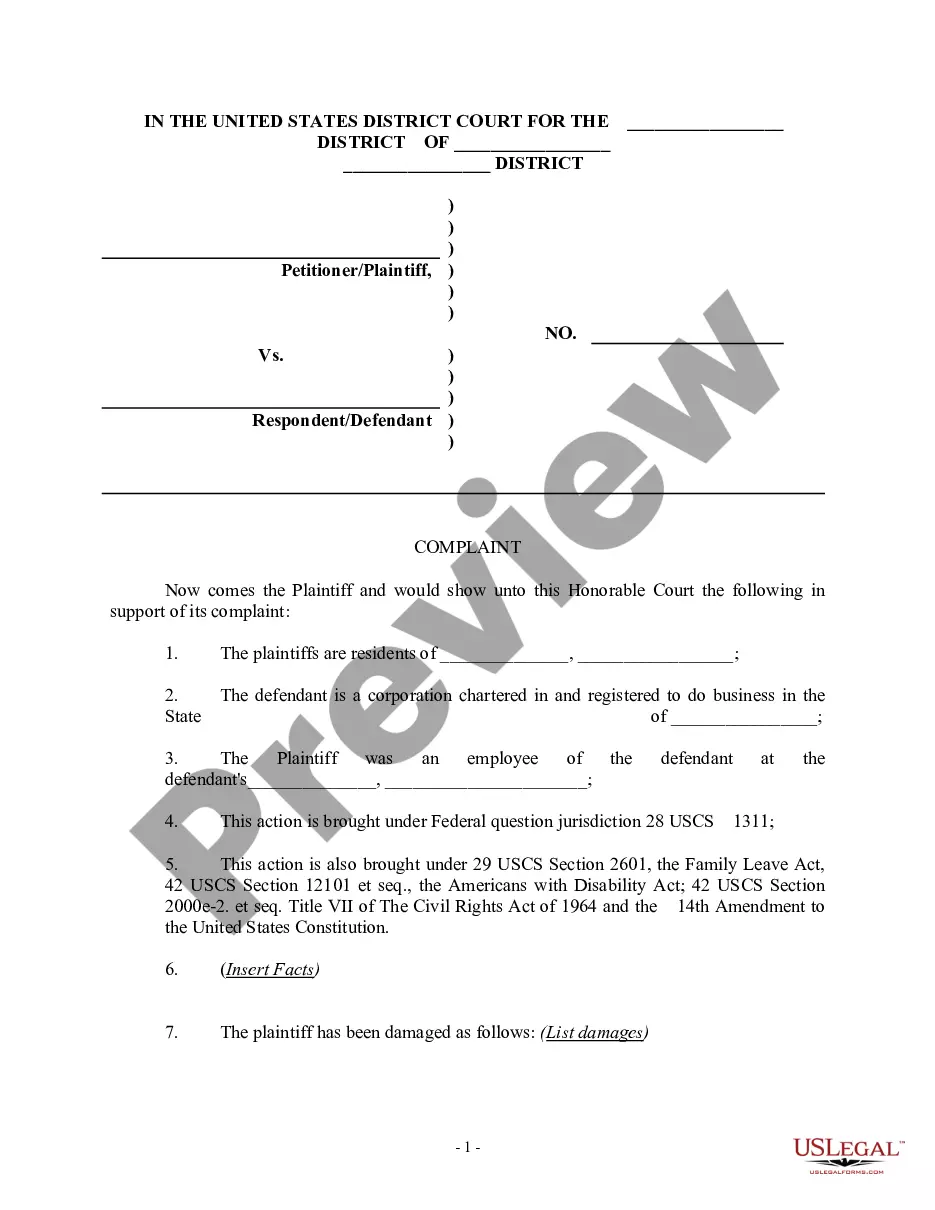
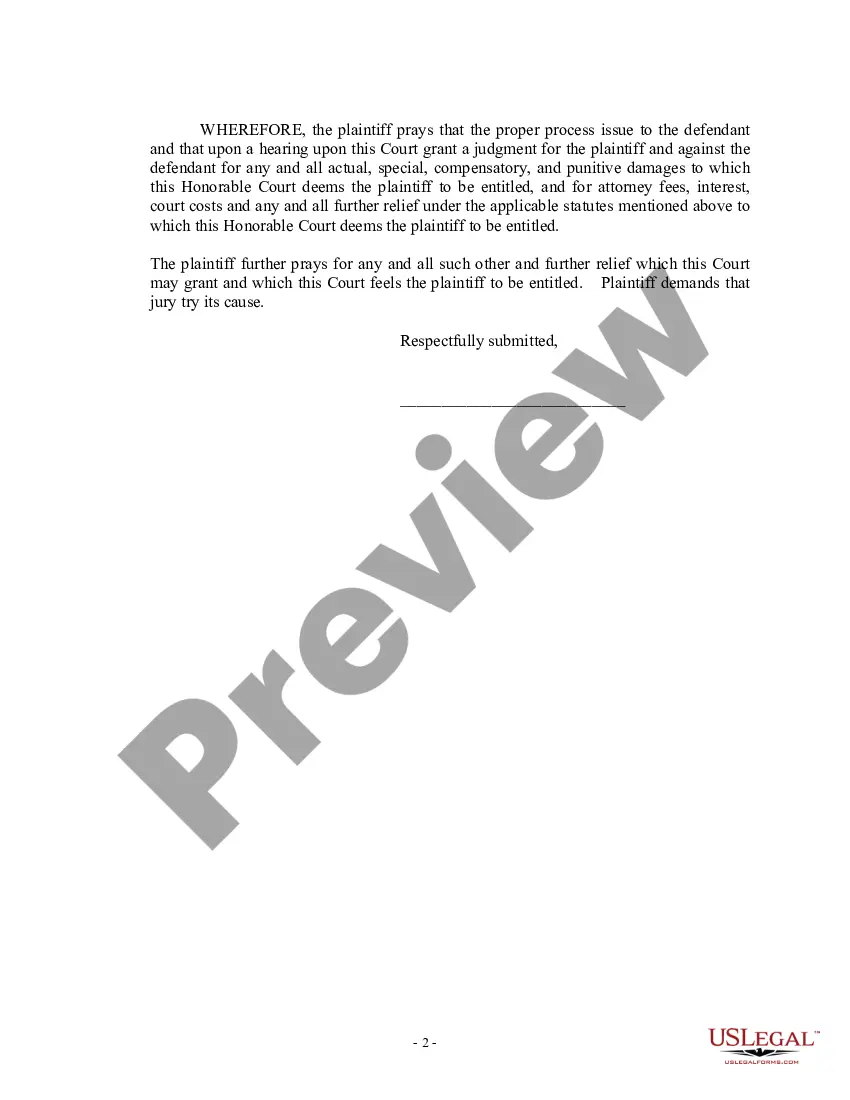
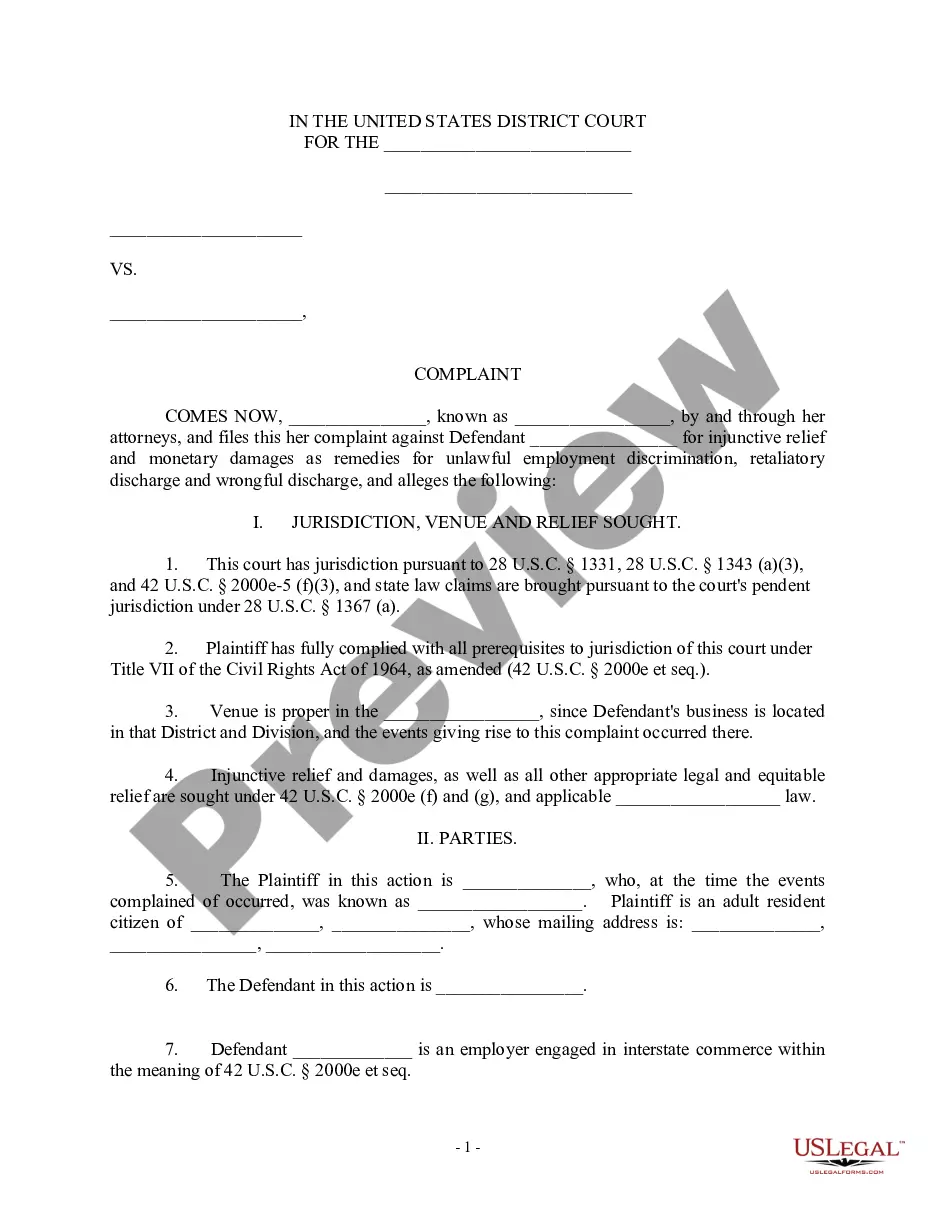
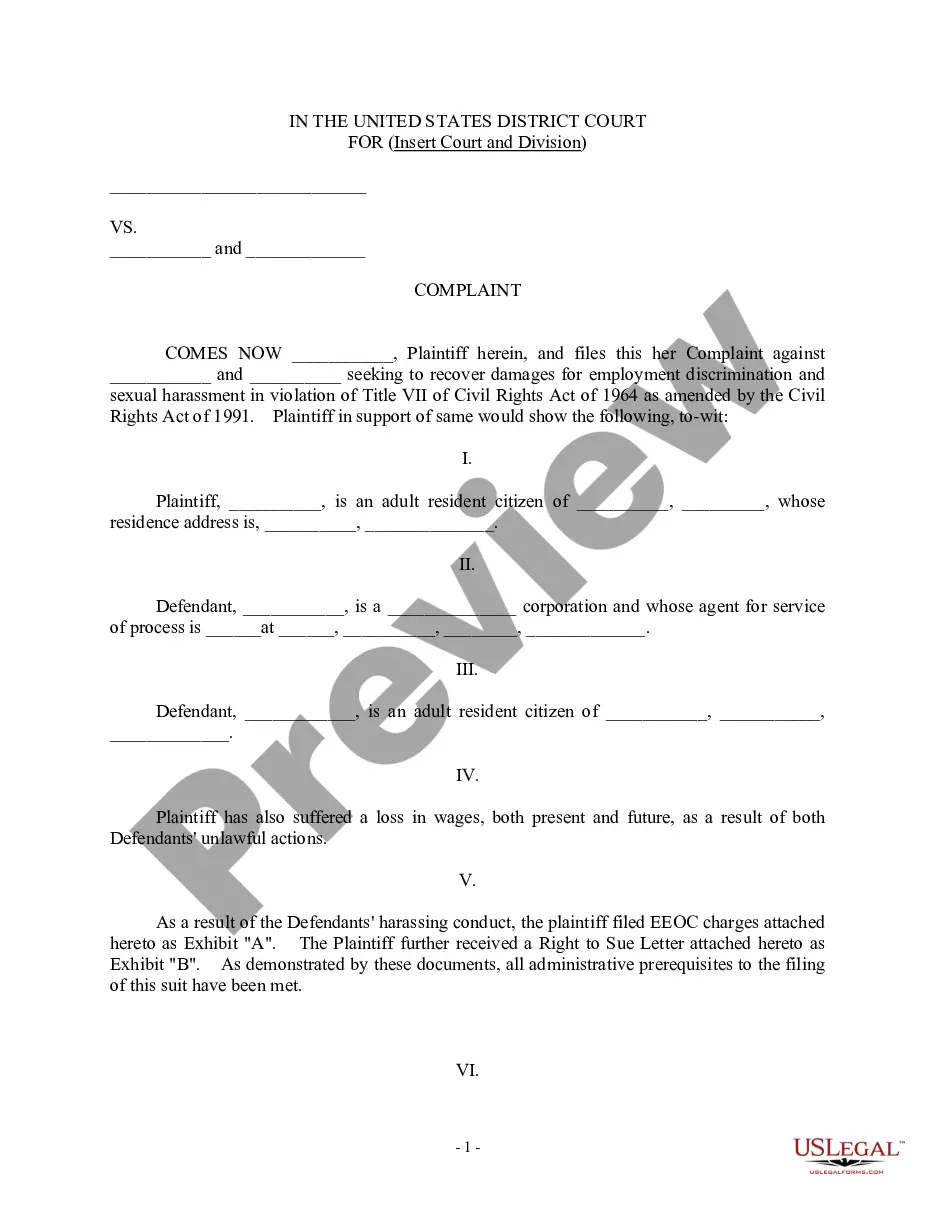
Get your form ready online
Our built-in tools help you complete, sign, share, and store your documents in one place.
Make edits, fill in missing information, and update formatting in US Legal Forms—just like you would in MS Word.
Download a copy, print it, send it by email, or mail it via USPS—whatever works best for your next step.
Sign and collect signatures with our SignNow integration. Send to multiple recipients, set reminders, and more. Go Premium to unlock E-Sign.
If this form requires notarization, complete it online through a secure video call—no need to meet a notary in person or wait for an appointment.
We protect your documents and personal data by following strict security and privacy standards.

Make edits, fill in missing information, and update formatting in US Legal Forms—just like you would in MS Word.

Download a copy, print it, send it by email, or mail it via USPS—whatever works best for your next step.

Sign and collect signatures with our SignNow integration. Send to multiple recipients, set reminders, and more. Go Premium to unlock E-Sign.

If this form requires notarization, complete it online through a secure video call—no need to meet a notary in person or wait for an appointment.

We protect your documents and personal data by following strict security and privacy standards.
Looking for another form?
Form popularity
FAQ
Rights of Parents and Children Parents and children involved in CPS investigations have the right to legal representation. They have the right to be treated fairly and to challenge any findings or decisions.
This was a 4th Amendment (unlawful seizure) and 14th Amendments violation (due process). 3. CPS keeping a parent away from the child undergoing a sexual assault examination, without parental consent, a legitimate reason to exclude her, or a medical emergency.
A child may be removed if: They are subjected to physical, sexual, or emotional abuse. Neglect results in insufficient food, shelter, or medical care. The child faces imminent danger due to their environment. A parent is involved in illegal activities that endanger the child.
A: In California, individuals have the right to bring lawsuits against government agencies, including Child Protective Services (CPS). If you believe CPS has acted wrongfully towards you or your child, you may consider filing a claim for violations of your civil rights or for emotional distress.
Court Resolution: Within 12 months of giving CPS temporary legal responsibility (temporary managing conservatorship) for a child, the court will either return your child to you or give permanent custody to a relative, a close family friend, or to CPS.
Telephone: Call (800) 720-7777, Monday-Friday am to pm. Online Form: Send your questions or complaints online with our Case-Specific Question and Complaint Form. Printable Form: Fill out and send the DFPS Case Complaint FormPDF Document by email attachment, fax, or standard mail.
CPS takes the lead in responding to reports of maltreatment, conducting thorough assessments to evaluate the safety of the child. Simultaneously, DCFS works to provide comprehensive support services to families involved, aiming for the preservation and reunification of families whenever feasible.
Words like "harassment," "discrimination," and "lawsuit" are heavily loaded with legal implications, which can put HR on high alert. By using descriptive, neutral language, you can convey your concerns without triggering a defensive reaction.
“I'm not sure, but…” Speculating or making assumptions can muddle the facts, leading to misunderstandings. Stick to what you know. “It's always been done this way”: This defense can imply resistance to change or justify inappropriate behavior based on tradition, which doesn't hold up under scrutiny.
Our friends at Cohen & Cohen offer some tips for handling unfair treatment at work: Step One: Document EVERYTHING. Step Two: File a Complaint with Your Company's HR Department. Step Three: Call an Employment Lawyer. Step Four: Contact Your State's Employment Commission. Step Five: Contact the EEOC.