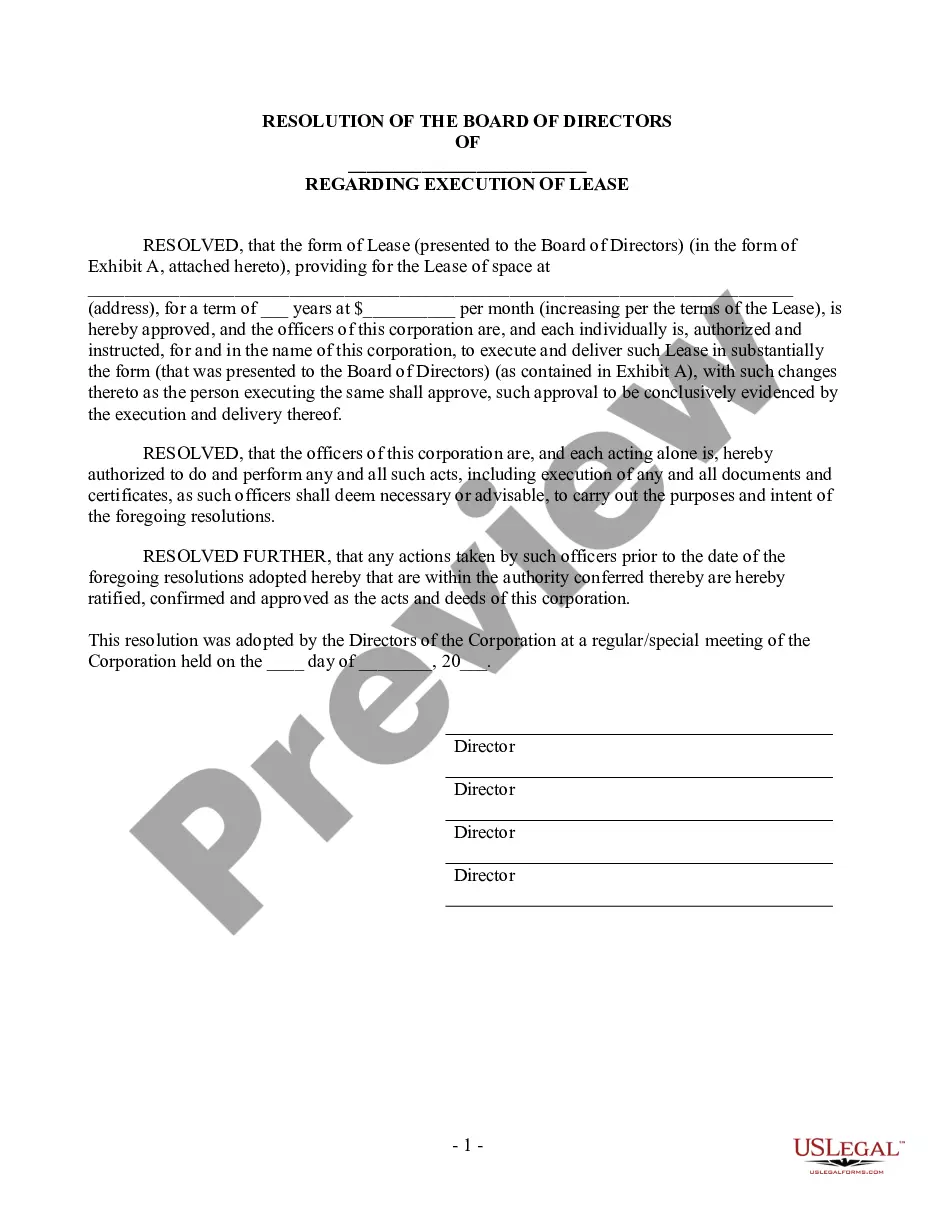
Discrimination Letter Example In Massachusetts
Description




Get your form ready online
Our built-in tools help you complete, sign, share, and store your documents in one place.
Make edits, fill in missing information, and update formatting in US Legal Forms—just like you would in MS Word.
Download a copy, print it, send it by email, or mail it via USPS—whatever works best for your next step.
Sign and collect signatures with our SignNow integration. Send to multiple recipients, set reminders, and more. Go Premium to unlock E-Sign.
If this form requires notarization, complete it online through a secure video call—no need to meet a notary in person or wait for an appointment.
We protect your documents and personal data by following strict security and privacy standards.

Make edits, fill in missing information, and update formatting in US Legal Forms—just like you would in MS Word.

Download a copy, print it, send it by email, or mail it via USPS—whatever works best for your next step.

Sign and collect signatures with our SignNow integration. Send to multiple recipients, set reminders, and more. Go Premium to unlock E-Sign.

If this form requires notarization, complete it online through a secure video call—no need to meet a notary in person or wait for an appointment.

We protect your documents and personal data by following strict security and privacy standards.
Looking for another form?




Form popularity
FAQ
When you make a discrimination claim, you need to provide the court with evidence from which it could decide that the discrimination took place. The obligation on you to provide this evidence is called the burden of proof.
The easiest way to prove unlawful discrimination is through the use of direct evidence. Direct evidence is the kind that, if believed, requires a conclusion that unlawful discrimination motivated the employer's decision. Direct evidence requires no inference or presumption.
Evidence in a discrimination case in California typically includes: emails, text messages, recordings, disciplinary forms, termination documents, or a copy of your employment contract if one exists. If you're like most Californians, you spend an inordinate amount of time at work.
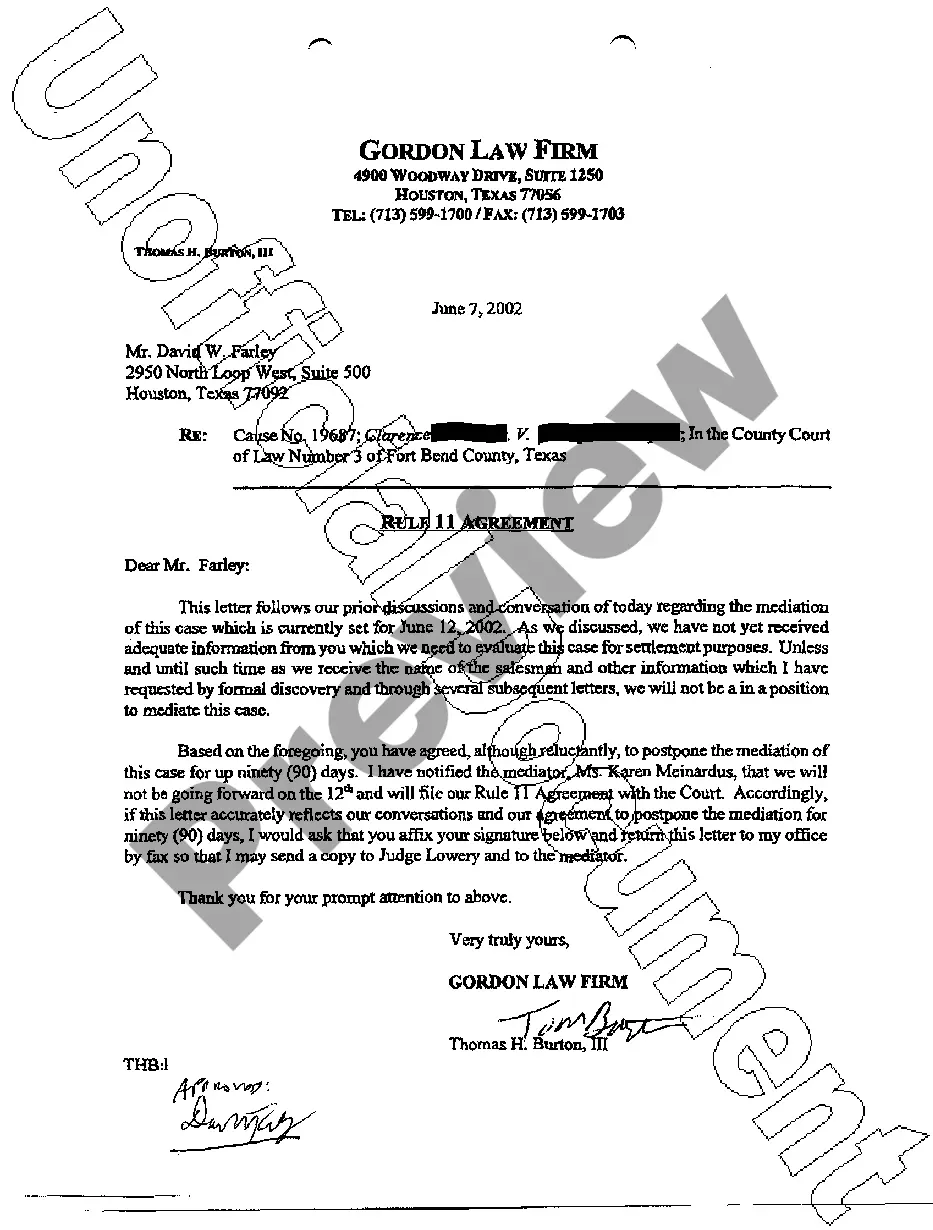
Include the following in your complaint letter: Your name, address and telephone number. The name, address, and telephone number of your attorney or authorized representative, if you are represented. The basis of your complaint. The date(s) that the incident(s) you are reporting as discrimination occurred.
E) Discrimination in housing – When seeking an apartment for rent, the landlord tells you that “no children are allowed” (discrimination based on family status) or they won't rent to people under 25 years (age discrimination) because “they're too noisy and won't look after the place”.
Basic rules keep your letter to the point. You need to give enough detail for your employer to be able to investigate your complaint properly. keep to the facts. never use abusive or offensive language. explain how you felt about the behaviour you are complaining about but don't use emotive language.
I have been working for NAME OF EMPLOYER for 4 years as a packer on the production line. From the point at which Jane Doe became my shift manager DATE, I have been experiencing poor treatment compared to my colleagues. I believe this is because of racial discrimination.
You'll want to address the person by name, include the date at the top of the letter, and your name, address, and phone number at the bottom. After the salutation, state the following: A description of the events or incidents you believed to be discriminatory, and when they occurred.