Employment Discrimination Rights With Criminal Records In Maricopa
Description
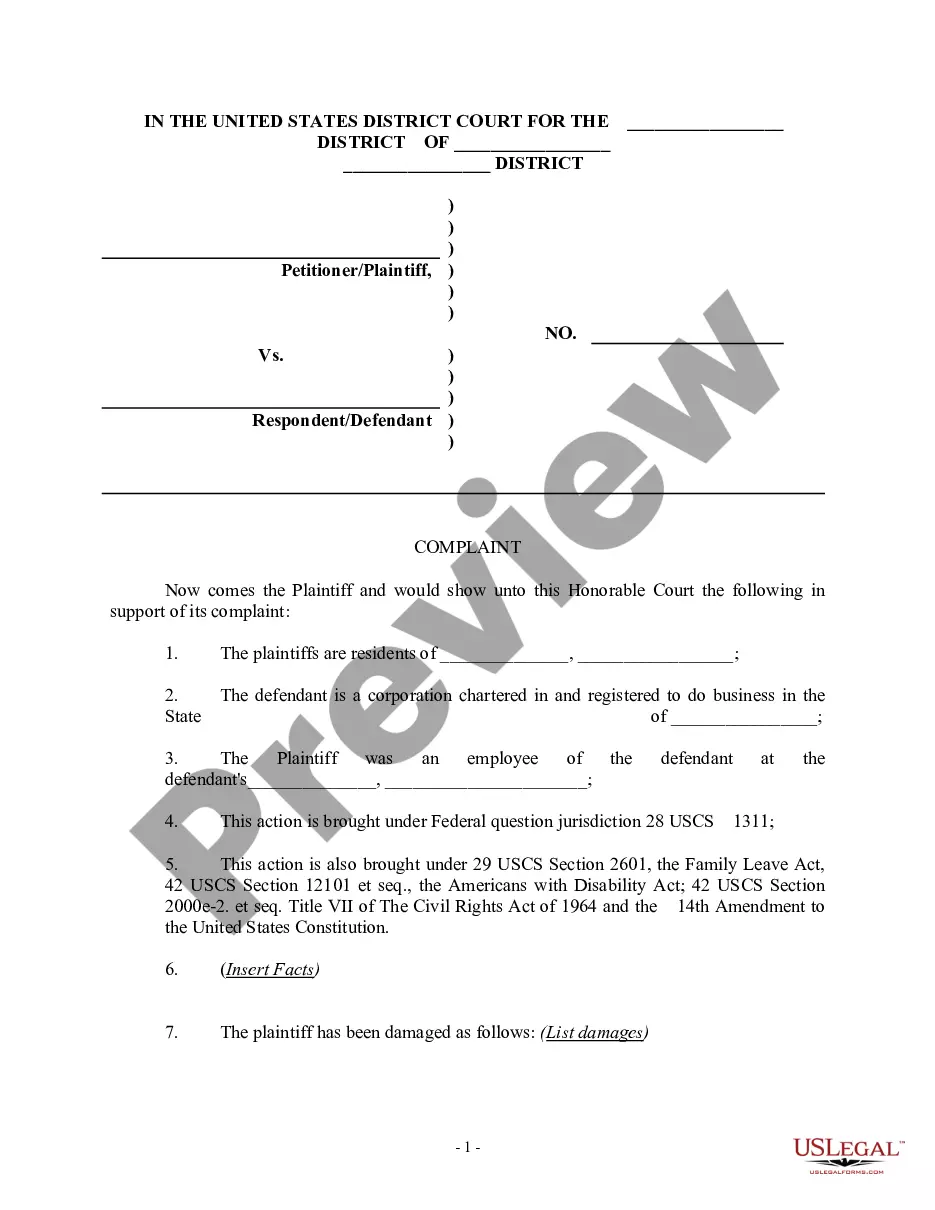
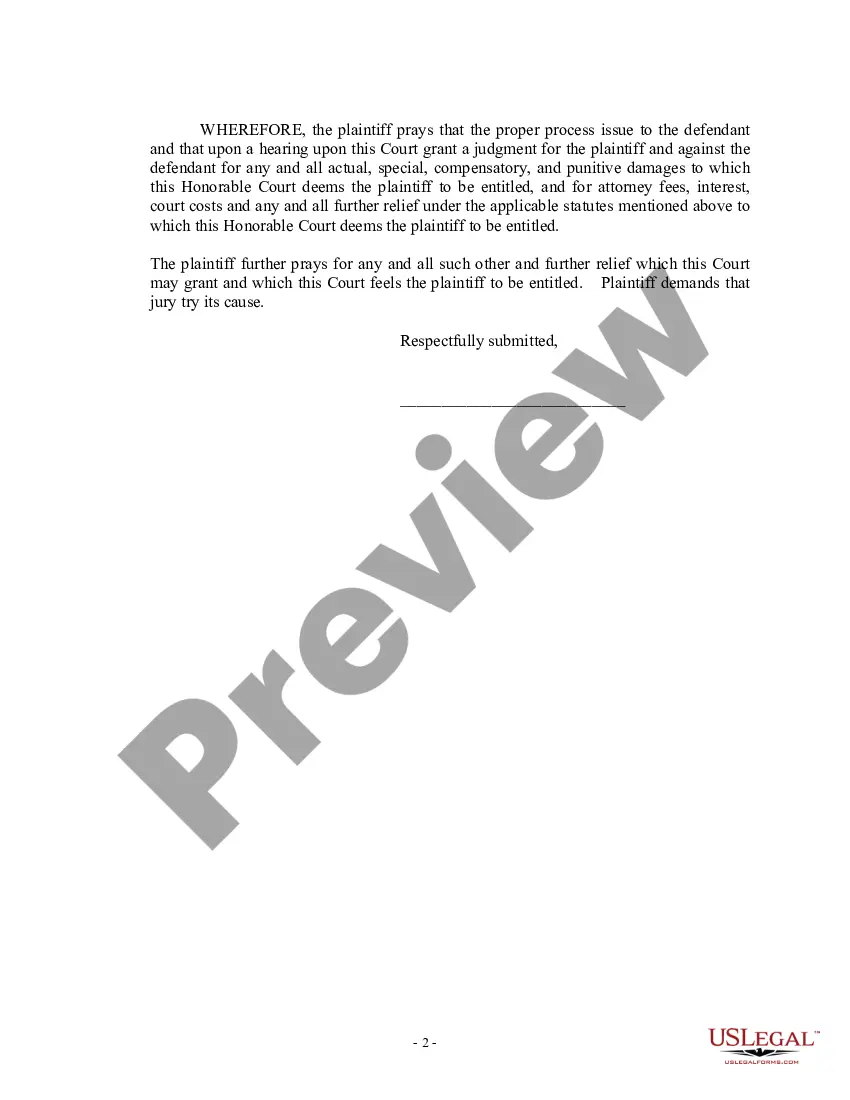
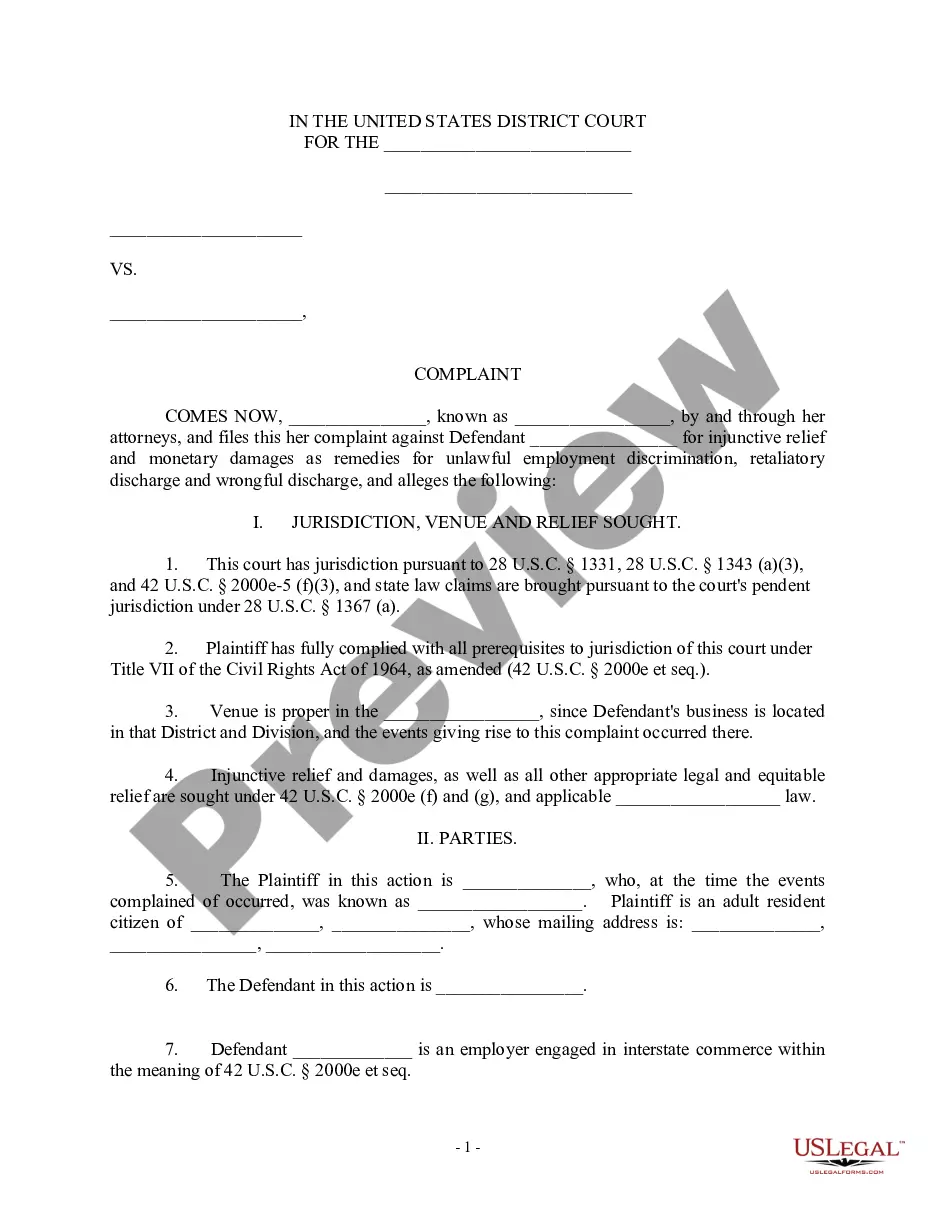
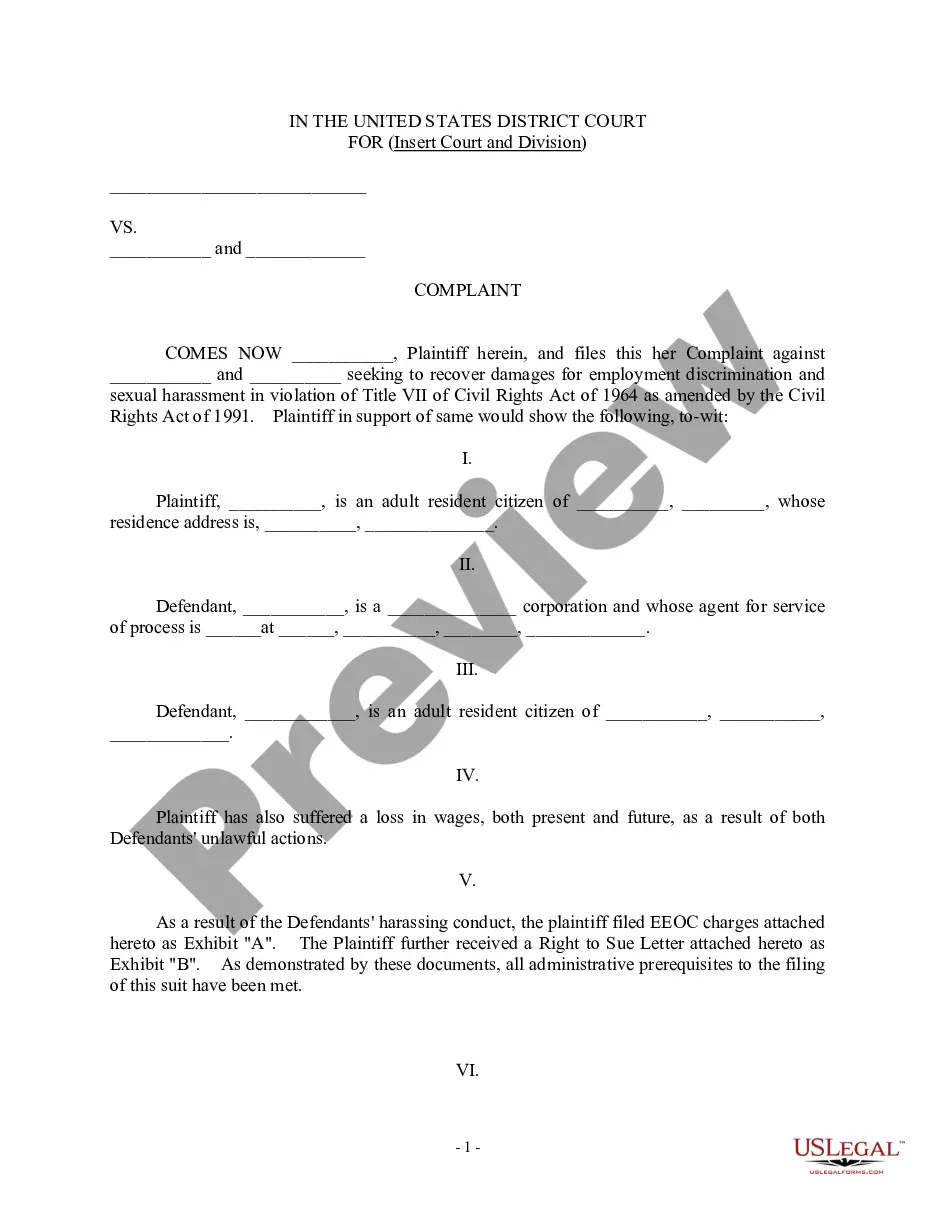
Get your form ready online
Our built-in tools help you complete, sign, share, and store your documents in one place.
Make edits, fill in missing information, and update formatting in US Legal Forms—just like you would in MS Word.
Download a copy, print it, send it by email, or mail it via USPS—whatever works best for your next step.
Sign and collect signatures with our SignNow integration. Send to multiple recipients, set reminders, and more. Go Premium to unlock E-Sign.
If this form requires notarization, complete it online through a secure video call—no need to meet a notary in person or wait for an appointment.
We protect your documents and personal data by following strict security and privacy standards.

Make edits, fill in missing information, and update formatting in US Legal Forms—just like you would in MS Word.

Download a copy, print it, send it by email, or mail it via USPS—whatever works best for your next step.

Sign and collect signatures with our SignNow integration. Send to multiple recipients, set reminders, and more. Go Premium to unlock E-Sign.

If this form requires notarization, complete it online through a secure video call—no need to meet a notary in person or wait for an appointment.

We protect your documents and personal data by following strict security and privacy standards.
Looking for another form?
Form popularity
FAQ
When addressing a criminal record, be honest, take responsibility, and emphasize personal growth and rehabilitation. Acknowledge the past, express remorse, and discuss efforts to improve yourself. Emphasize your commitment to personal and professional development and highlight relevant achievements and skills.
Most states allow you to 'erase' criminal records through processes called sealing or expunging. However, each state has differing eligibility criteria, types of records that can be 'erased' and process to go about it. Depending on the state, some...
This seven-year lookback period doesn't apply to jobs with a salary of $75,000 or more. Some states limit the lookback period for criminal records to seven years. However, there is no 7-year background check law in Arizona, and criminal convictions may be reported indefinitely under the FCRA.
For a misdemeanor, records will be sealed three years after conviction or release from jail. For a felony, records will be sealed eight years after conviction or release from prison. Individuals must maintain a clean record and be no longer on probation or parole in order to qualify for record sealing.
Depending on where you live, there may be ways to conceal your criminal record from background checks, such as through expungement or sealing. These processes and eligibility requirements vary by jurisdiction, so it is best to contact an expungement or sealing attorney in your state to see your eligibility.
Many people mistakenly think that United States criminal records automatically clear after 7 years. This is inaccurate. However, after 5 to 10 years, you may be eligible for expungement, depending on state law. At that point, you can file a petition with the court to have your criminal record expunged.
On January 1, 2023, A.R.S. Section 13-911 went into effect, which allows for certain individuals with criminal records to seal those records from public view. Previously, Arizona only allowed conviction “set-asides” but not expungements or record sealings.
Unlike the option of setting aside a record, an expungement order under Arizona law sets the conviction aside and removes all references to it from public records. This means that if someone runs a background check on you, your criminal record would not show up.
The SCC programs help inmates who are within 90-days of release prepare to re-enter the workforce. The DERS program's pre-employment skills activity cycle provides high risk/high needs inmates with pre-employment preparation skills and instills a strength, confidence and motivation, set by example.