Employment Discrimination Sample For Visitor Visa Canada In Georgia
Description




Get your form ready online
Our built-in tools help you complete, sign, share, and store your documents in one place.
Make edits, fill in missing information, and update formatting in US Legal Forms—just like you would in MS Word.
Download a copy, print it, send it by email, or mail it via USPS—whatever works best for your next step.
Sign and collect signatures with our SignNow integration. Send to multiple recipients, set reminders, and more. Go Premium to unlock E-Sign.
If this form requires notarization, complete it online through a secure video call—no need to meet a notary in person or wait for an appointment.
We protect your documents and personal data by following strict security and privacy standards.

Make edits, fill in missing information, and update formatting in US Legal Forms—just like you would in MS Word.

Download a copy, print it, send it by email, or mail it via USPS—whatever works best for your next step.

Sign and collect signatures with our SignNow integration. Send to multiple recipients, set reminders, and more. Go Premium to unlock E-Sign.

If this form requires notarization, complete it online through a secure video call—no need to meet a notary in person or wait for an appointment.

We protect your documents and personal data by following strict security and privacy standards.
Looking for another form?



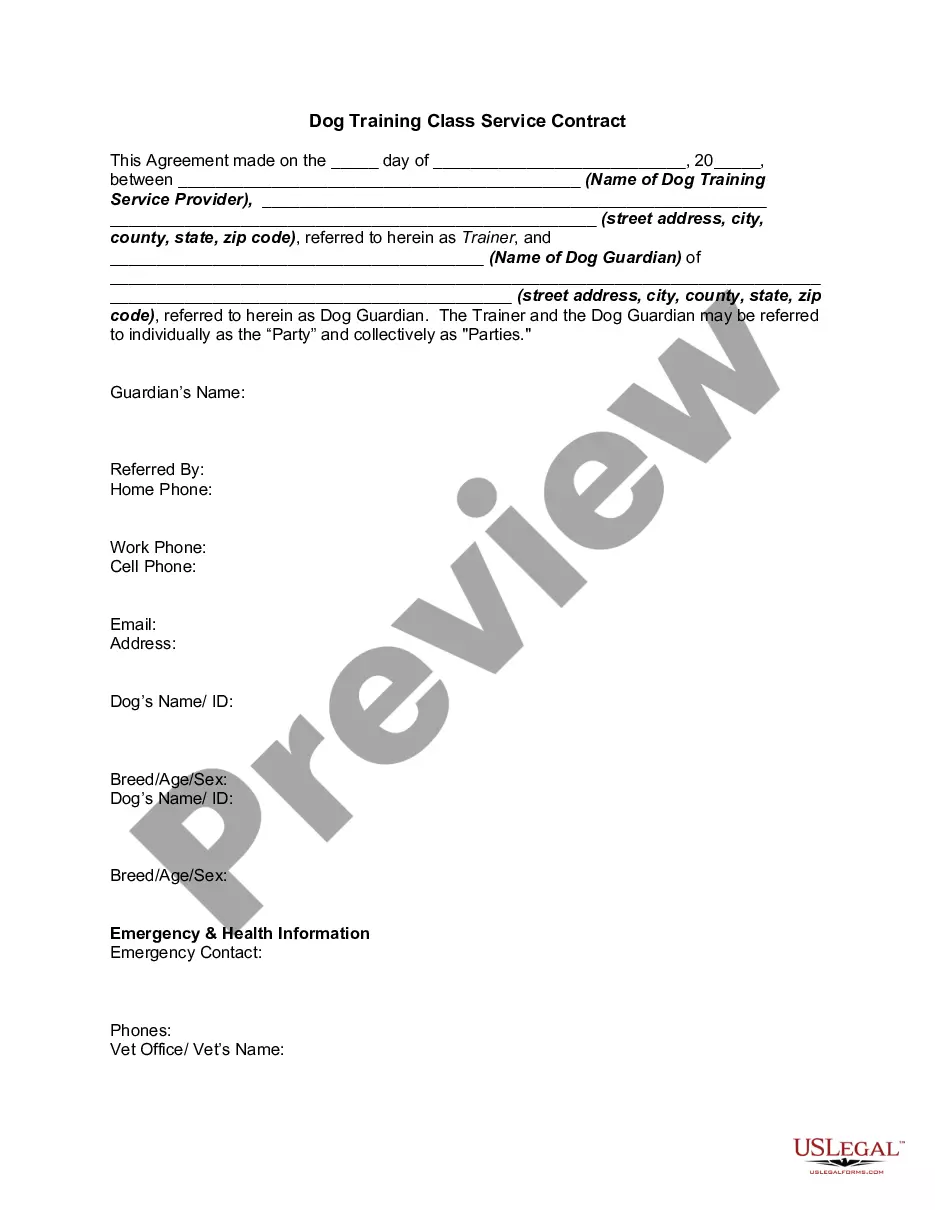





Form popularity
FAQ
Instead, the understanding of discrimination has evolved from case law. To establish prima facie discrimination (discrimination on its face) under the Code, a claimant must show that: they have a characteristic protected from discrimination. they have experienced an adverse impact within a social area protected.
On July 1, 2018, new regulations from California's Fair Employment and Housing Council (“FEHC”) clarified that discrimination based on immigration status is prohibited under the Fair Employment and Housing Act (“FEHA”).
Employment reference letter format for Canadian immigration Your name. Employer's name. The start and end dates of your employment. Your job title. The job duties you held at the company. The number of hours you worked there per week and whether the job was part-time or full-time. Your annual salary plus benefits.
They are called grounds of discrimination and are listed in the Canadian Human Rights Act. For example: Were you fired because of your race? Were you denied a service because of your gender identity, your colour, your disability? Maybe it was about more than one thing.
The letter should include the following: date, no earlier than 3 months before you apply. confirmation that you have a job with the employer. your full name and date of birth. date you started the job. brief description of your job. current salary. contact information of your manager. phone number.
How to write a letter of employment: Include employer and requesting organisation details. Provide employee information (name, job title, employment dates). Follow a formal business letter format. Clearly state the letter's purpose. Include any additional requested details. Provide contact information and sign off.
A letter from your employer can confirm that you have a stable job and will return to it. It can also show that your employer supports your visit to Canada. The letter should be printed on your employer's official letterhead. Your manager or human resources contact should print their name and sign the letter.
Common reasons include: Tourism: If they are visiting for leisure or sightseeing. Family Visit: If they are visiting family members who reside in Canada. Business: If the visit is for business meetings, conferences, or other professional purposes. Study: If they are attending a short course or program.
When writing a Letter of Explanation for a Canada visitor visa, you should address any missing documents or clarify any discrepancies in your application. Be clear, concise, and honest. Provide supporting documents where possible and explain the situation in a professional manner.
