Employment Discrimination Sample With Replacement In California
Description




Get your form ready online
Our built-in tools help you complete, sign, share, and store your documents in one place.
Make edits, fill in missing information, and update formatting in US Legal Forms—just like you would in MS Word.
Download a copy, print it, send it by email, or mail it via USPS—whatever works best for your next step.
Sign and collect signatures with our SignNow integration. Send to multiple recipients, set reminders, and more. Go Premium to unlock E-Sign.
If this form requires notarization, complete it online through a secure video call—no need to meet a notary in person or wait for an appointment.
We protect your documents and personal data by following strict security and privacy standards.

Make edits, fill in missing information, and update formatting in US Legal Forms—just like you would in MS Word.

Download a copy, print it, send it by email, or mail it via USPS—whatever works best for your next step.

Sign and collect signatures with our SignNow integration. Send to multiple recipients, set reminders, and more. Go Premium to unlock E-Sign.

If this form requires notarization, complete it online through a secure video call—no need to meet a notary in person or wait for an appointment.

We protect your documents and personal data by following strict security and privacy standards.
Looking for another form?


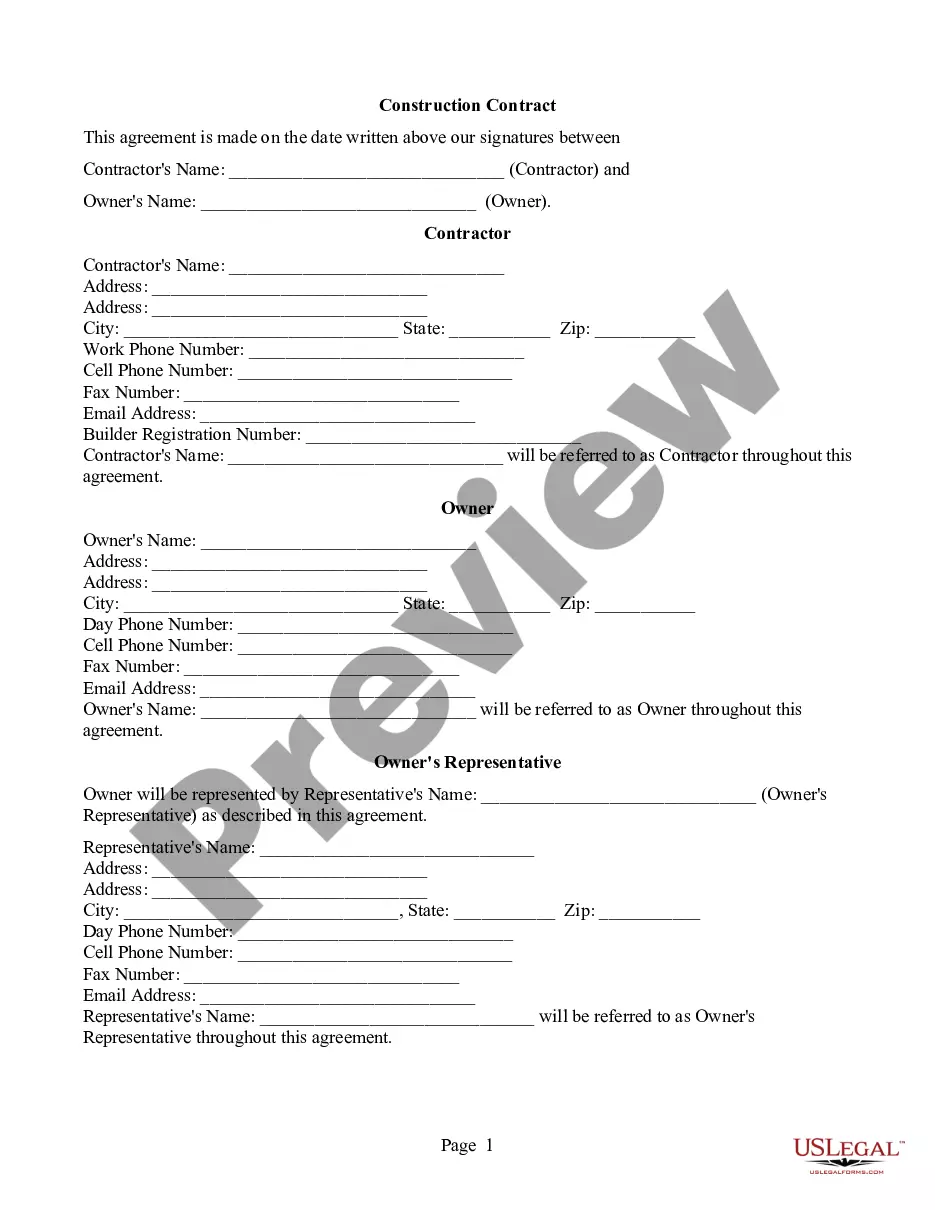

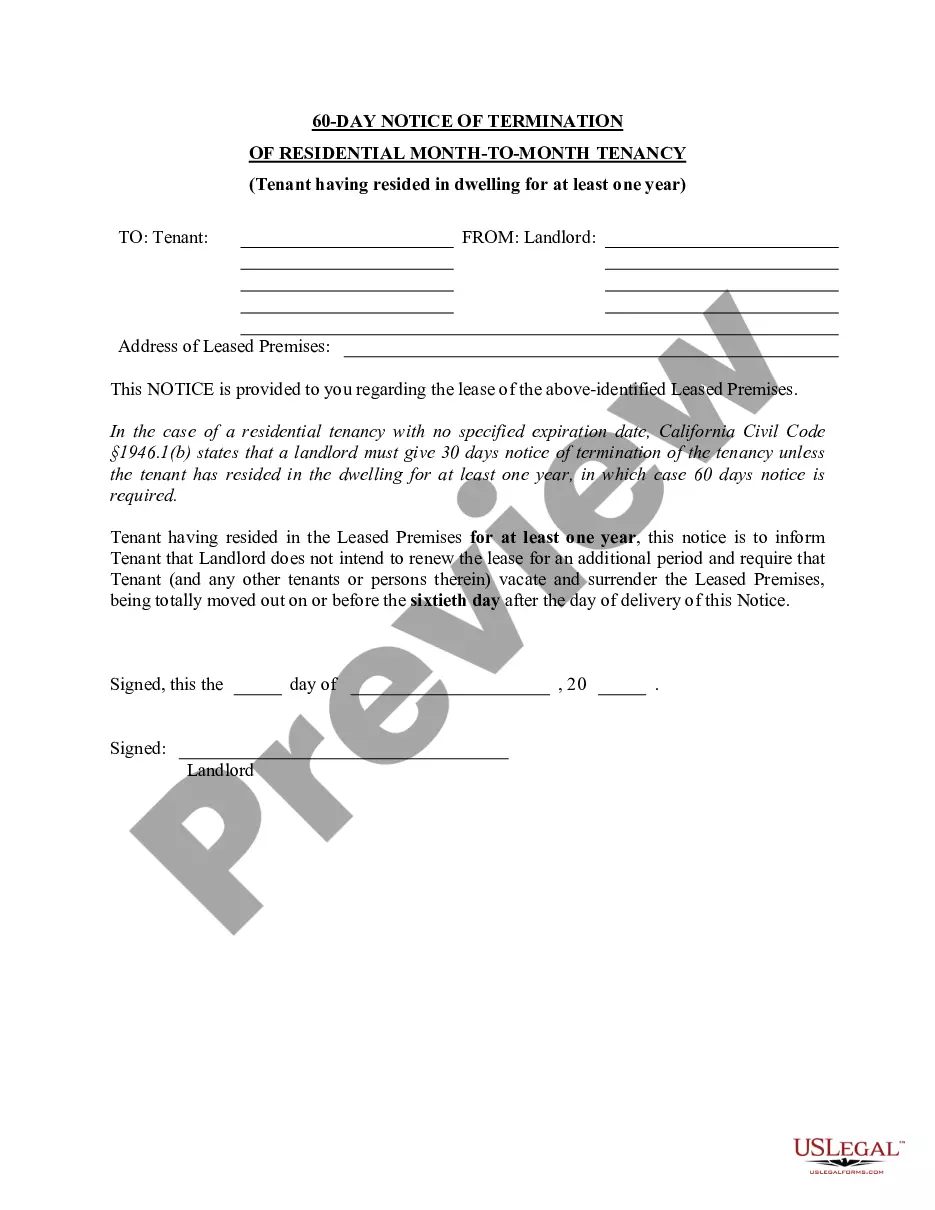




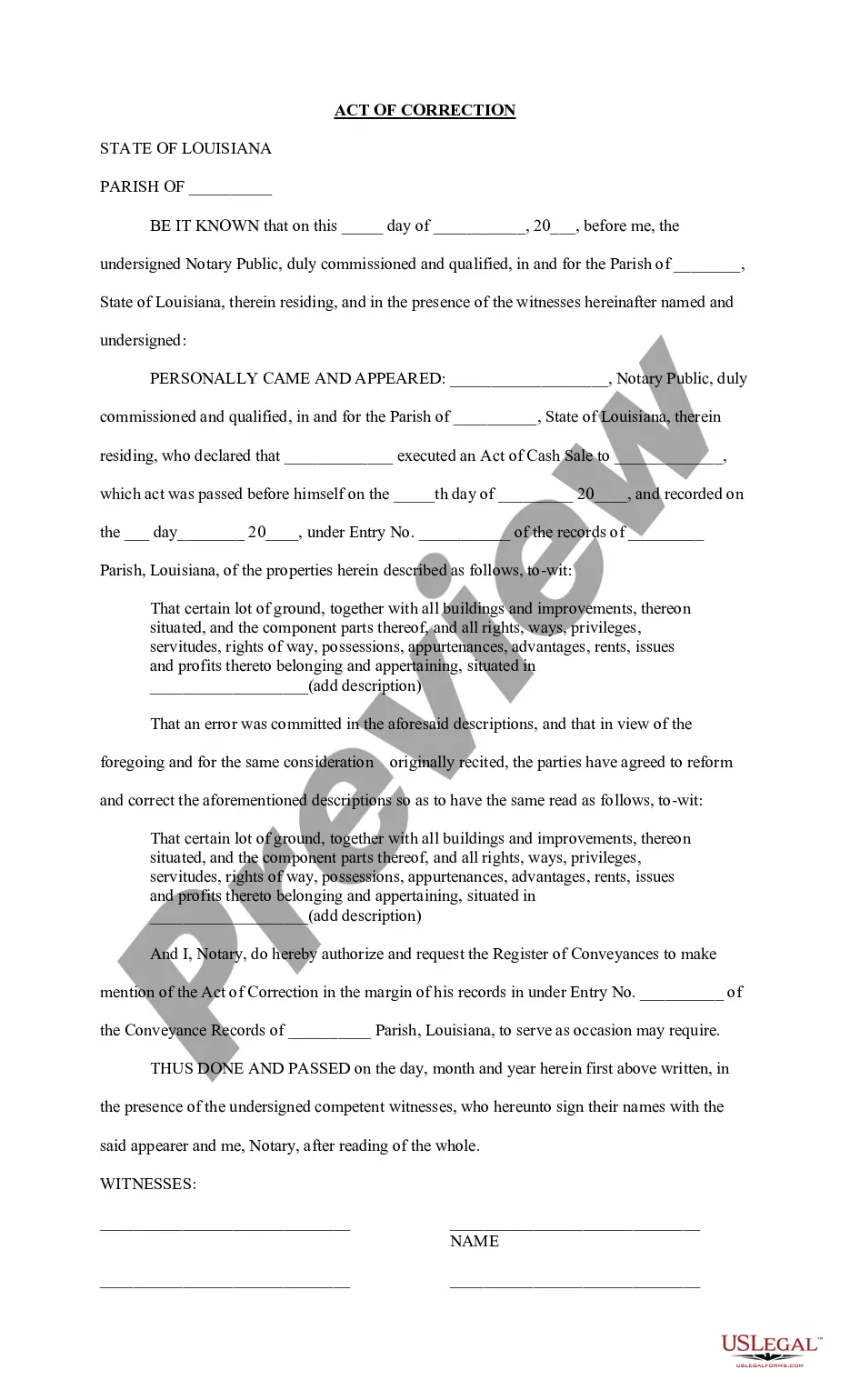
Form popularity
FAQ
Create an account on the Cal Civil Rights System for yourself. All you need is a valid email address and a phone number. Once you have an account, call 800-884-1684. Our staff will associate your account with the complaint.
However, discrimination is a state of mind and, therefore, notoriously hard to prove. Sophisticated employers are well aware that discrimination is illegal. Thus, most cases are established through circumstantial evidence.
Age. Age discrimination involves treating someone (an applicant or employee) less favorably because of age. Disability. Genetic Information. Unlawful Workplace Harassment (Harassment) ... National Origin. Pregnancy. Race/Color. Religion.
Average Disability Discrimination Settlements in California The average settlement for a disability discrimination case can range from around $25,000 to $500,000. Less complex cases often settle for about $100,000 or less, while more involved cases can exceed $1,000,000.
The following definitions are from the University of California – Anti-Discrimination Policy. Discrimination is defined as an Unfavorable Action taken because of an individual's actual or perceived Protected Category.
To prove discrimination, plaintiffs must provide evidence that they: (a) are a member of a protected class, (b) are qualified for the position at issue, (c) suffered an adverse employment action, and (d) the employer treated similarly situated employees outside of the protected class more favorably (or some other ...
To build a strong case, you must demonstrate that you suffered an adverse employment action as a result of the discrimination. Adverse actions can include being passed over for a promotion, denial of a lateral transfer, receiving unfavorable performance evaluations, demotion, or termination.
Short answer: The average disability discrimination settlement in California is approximately $40,000 – $150,000 with the median settlement around $75,000. Settlements in less complex cases often settle below approximately $40,000 or lower and complex cases can surpass approximately $1,000,000.
Report discrimination to a local Fair Employment Practices Agency (FEPA). If the discrimination breaks both a state and federal law, the FEPA will also send your complaint to the EEOC. Use the EEOC's directory of field offices to find the FEPA near you.