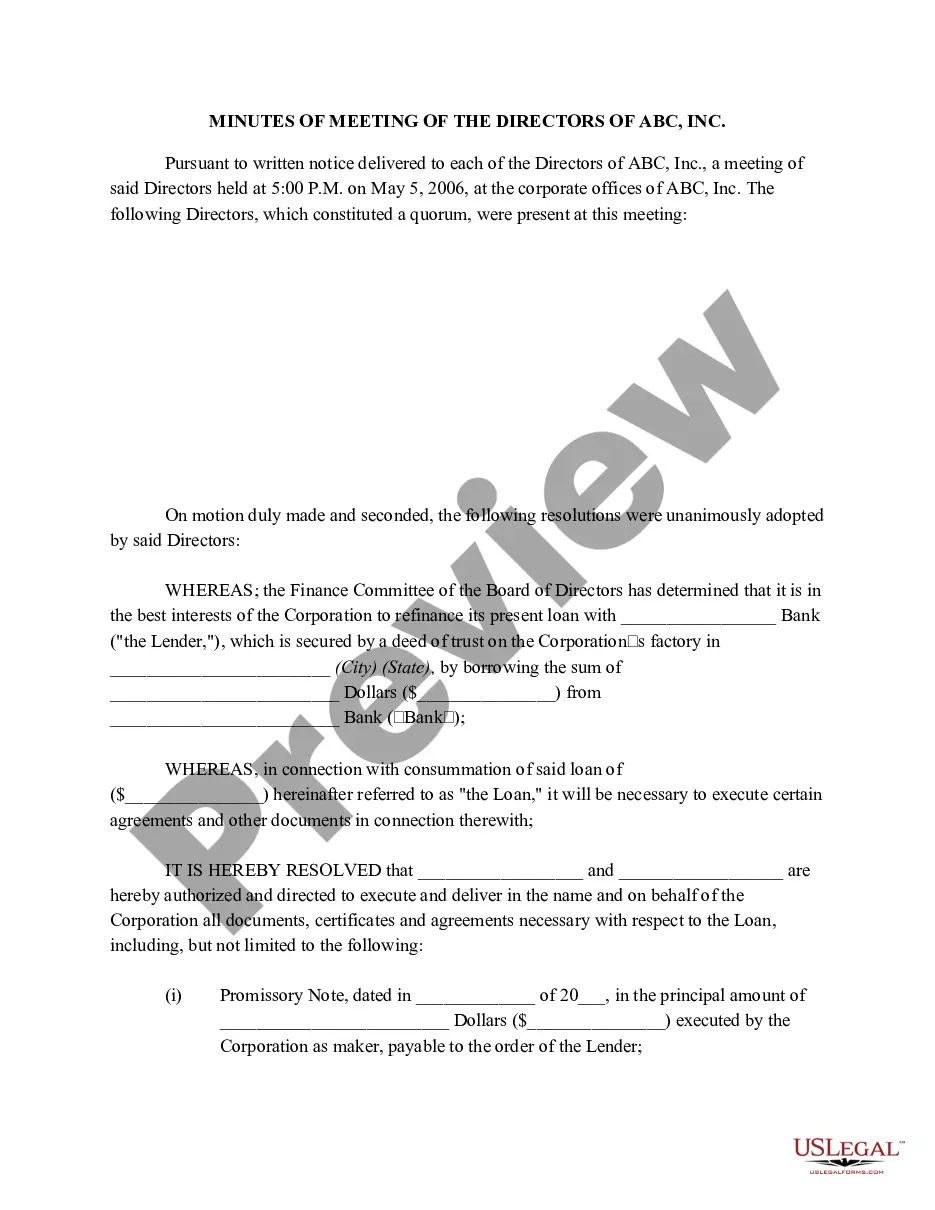
Discrimination With Examples In Bexar
Description




Get your form ready online
Our built-in tools help you complete, sign, share, and store your documents in one place.
Make edits, fill in missing information, and update formatting in US Legal Forms—just like you would in MS Word.
Download a copy, print it, send it by email, or mail it via USPS—whatever works best for your next step.
Sign and collect signatures with our SignNow integration. Send to multiple recipients, set reminders, and more. Go Premium to unlock E-Sign.
If this form requires notarization, complete it online through a secure video call—no need to meet a notary in person or wait for an appointment.
We protect your documents and personal data by following strict security and privacy standards.

Make edits, fill in missing information, and update formatting in US Legal Forms—just like you would in MS Word.

Download a copy, print it, send it by email, or mail it via USPS—whatever works best for your next step.

Sign and collect signatures with our SignNow integration. Send to multiple recipients, set reminders, and more. Go Premium to unlock E-Sign.

If this form requires notarization, complete it online through a secure video call—no need to meet a notary in person or wait for an appointment.

We protect your documents and personal data by following strict security and privacy standards.
Looking for another form?







Form popularity
FAQ
Seek support systems. You may start to believe you're not good enough. But family and friends can remind you of your worth and help you reframe those faulty beliefs. Family and friends can also help counteract the toll that microaggressions and other examples of daily discrimination can take.
Here are five ways: Celebrate other cultures. Call out bigotry and hate speech. Teach children kindness and how to talk about differences. Act in solidarity — and intervene if it's safe to do so. Support human rights organizations like UNICEF.
Filing a Complaint The Texas Workforce Commission Civil Rights Division (TWCCRD) Employment Discrimination Inquiry Submission System (EDISS) is the method to submit your employment discrimination complaint. It provides an ample amount of space to describe how you have been discriminated against.
If possible, try to talk about the issue with your employer or a supervisor. This can often resolve the problem quickly, especially if it was an unintentional mistake. If this does not work, you may need to pursue your legal rights.
What to Do if You are the Target of Discrimination Practice positive self-talk. If you're getting negative messages about your worth, it helps to focus on your strengths and your core values. Avoid dwelling. Practice mindfulness and meditation. Find community. Seek help from a mental health professional.
Dealing with discrimination Focus on your strengths. Focusing on your core values, beliefs, and perceived strengths can motivate people to succeed, and may even buffer the negative effects of bias. Seek support systems. Get involved. Help yourself think clearly. Don't dwell. Seek professional help.
Direct evidence of discrimination is usually found where an employer admits to the employee or someone else, verbally or in writing, that their intent or motive is to take an Adverse Employment Action (described above) against an employee because the employee is a member of a Protected Class.
Explain as clearly as possible what happened, why you believe it happened, and how you were discriminated against. Please include how other persons were treated differently from you, if applicable. If you were denied a benefit or service, please provide a copy of the denial letter.
Evidence in a discrimination case in California typically includes: emails, text messages, recordings, disciplinary forms, termination documents, or a copy of your employment contract if one exists. If you're like most Californians, you spend an inordinate amount of time at work.
You'll want to address the person by name, include the date at the top of the letter, and your name, address, and phone number at the bottom. After the salutation, state the following: A description of the events or incidents you believed to be discriminatory, and when they occurred.