Declaratory Judgment Illinois Insurance Coverage In San Diego
Description

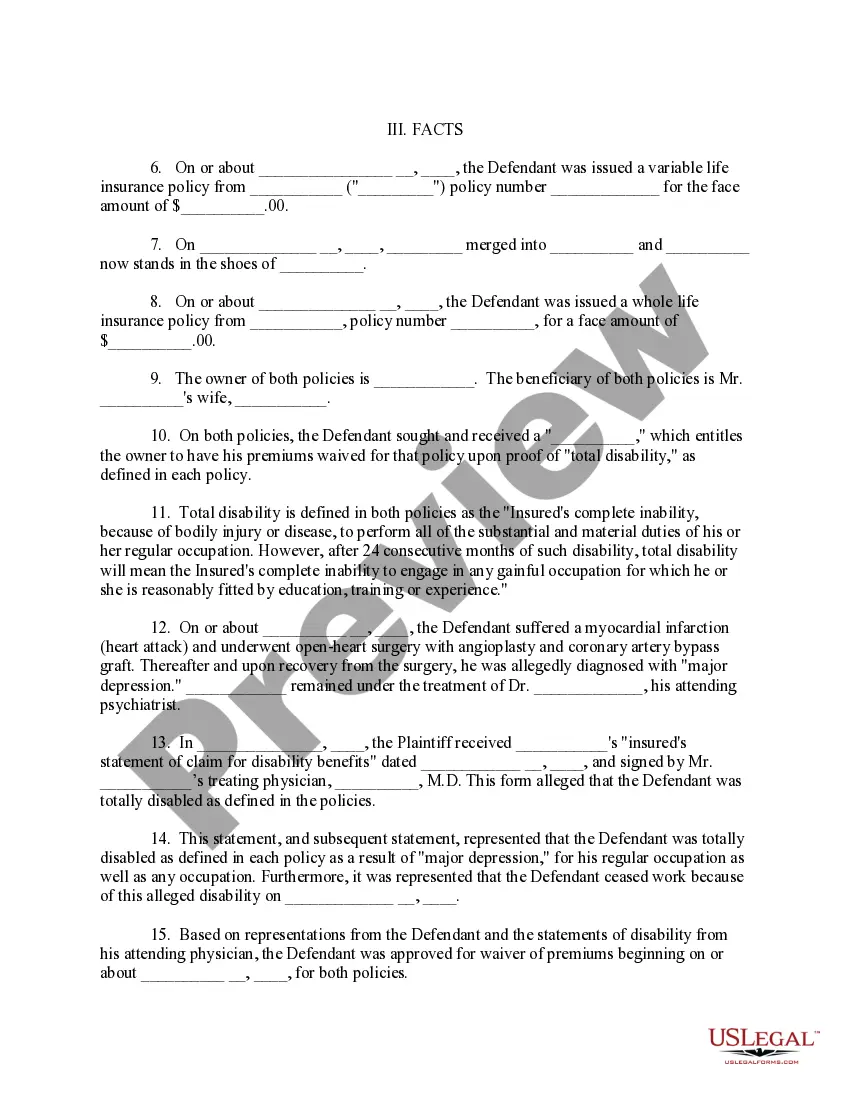
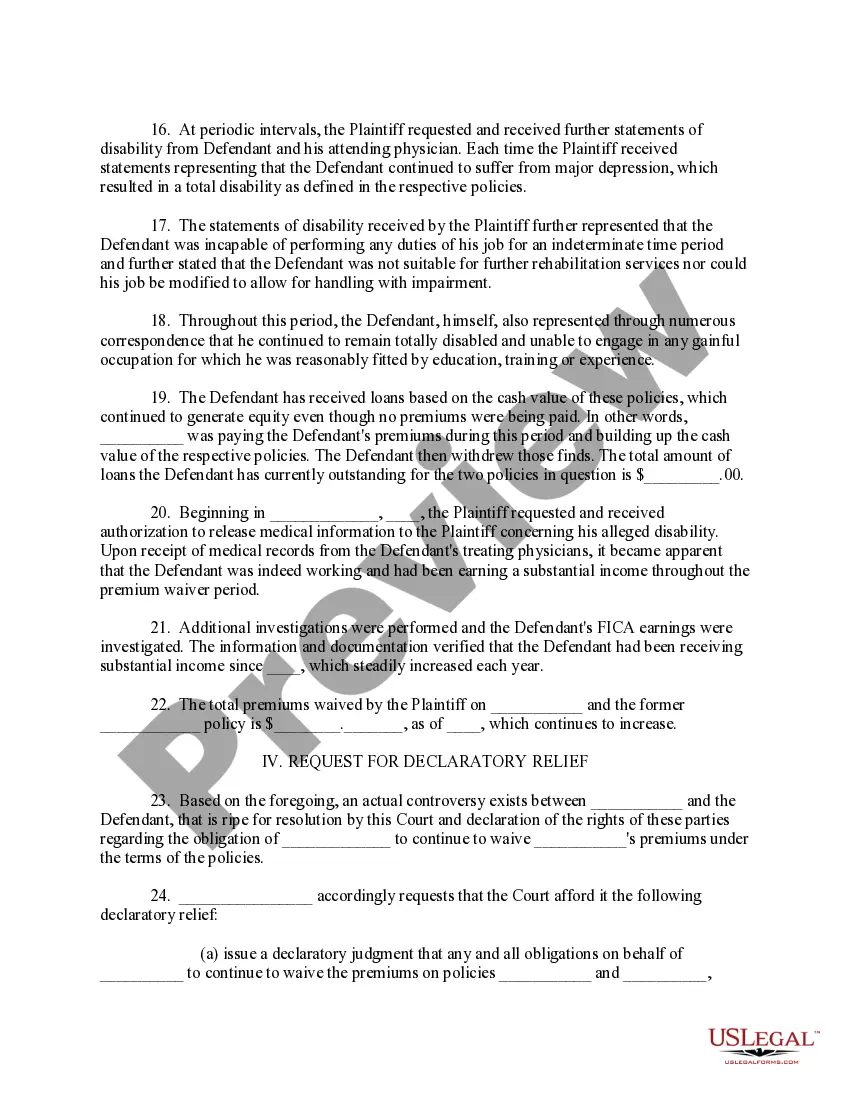
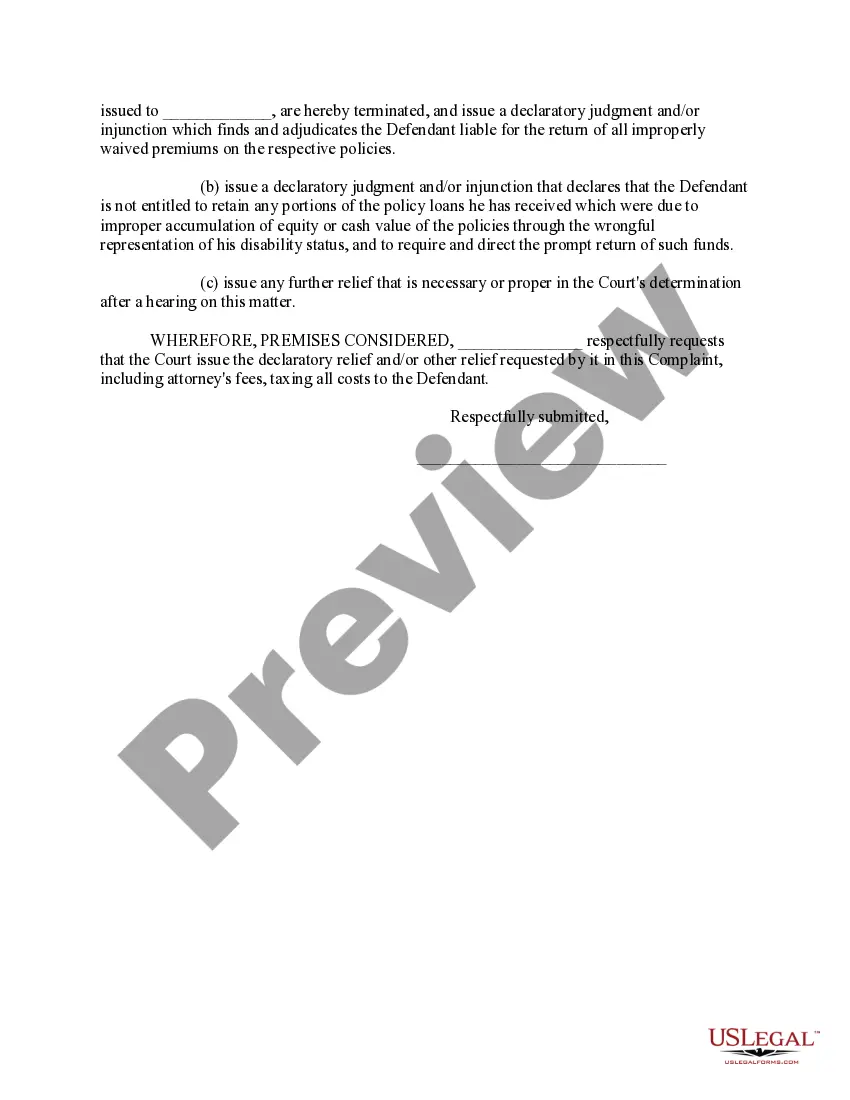



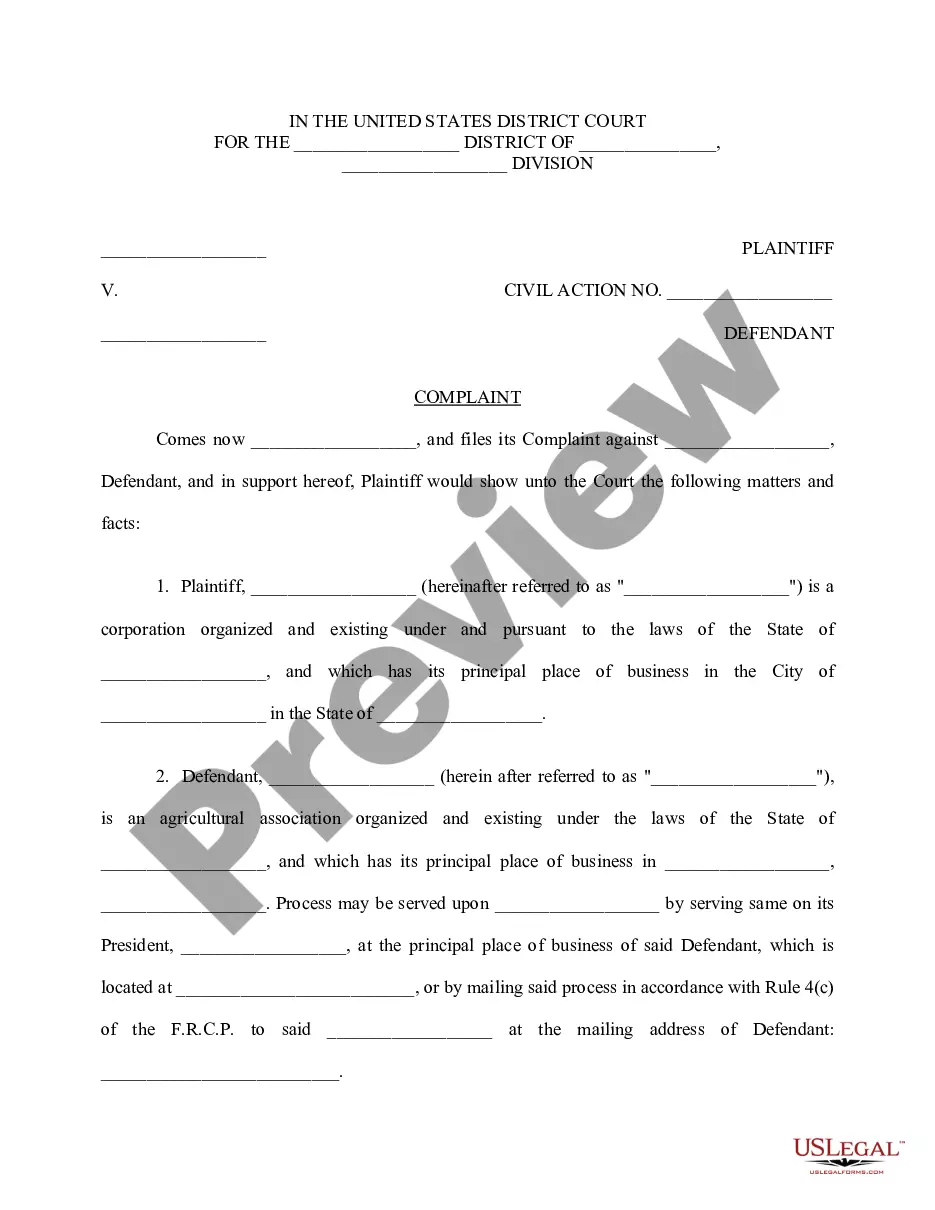
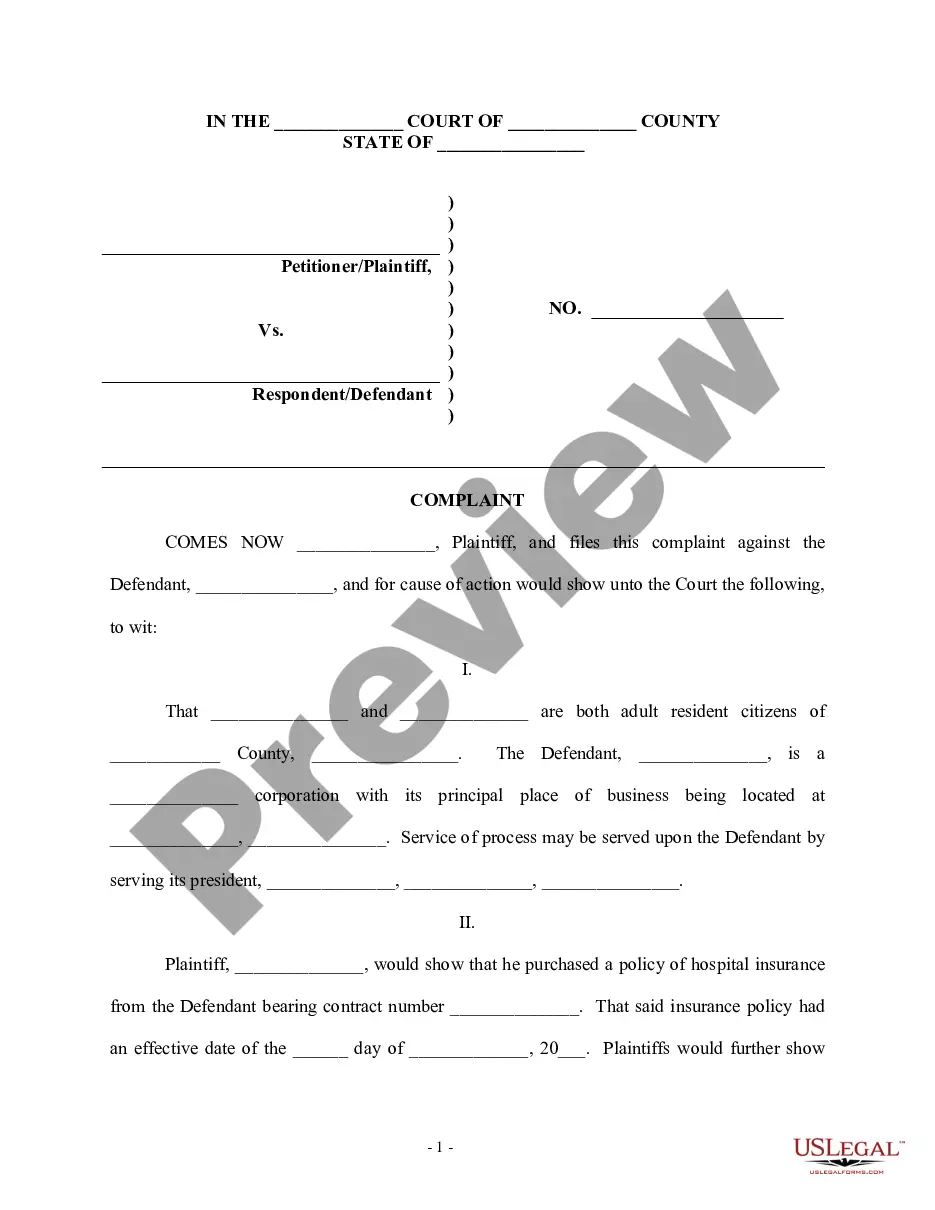
Get your form ready online
Our built-in tools help you complete, sign, share, and store your documents in one place.
Make edits, fill in missing information, and update formatting in US Legal Forms—just like you would in MS Word.
Download a copy, print it, send it by email, or mail it via USPS—whatever works best for your next step.
Sign and collect signatures with our SignNow integration. Send to multiple recipients, set reminders, and more. Go Premium to unlock E-Sign.
If this form requires notarization, complete it online through a secure video call—no need to meet a notary in person or wait for an appointment.
We protect your documents and personal data by following strict security and privacy standards.

Make edits, fill in missing information, and update formatting in US Legal Forms—just like you would in MS Word.

Download a copy, print it, send it by email, or mail it via USPS—whatever works best for your next step.

Sign and collect signatures with our SignNow integration. Send to multiple recipients, set reminders, and more. Go Premium to unlock E-Sign.

If this form requires notarization, complete it online through a secure video call—no need to meet a notary in person or wait for an appointment.

We protect your documents and personal data by following strict security and privacy standards.
Looking for another form?

Form popularity
FAQ
They are generally requested when a lawsuit is threatened but before the lawsuit is actually filed, when a conflict might exist between a party's or parties' rights under law or under contract and as a way to prevent multiple lawsuits from the same plaintiff.
41-1034 - Declaratory judgment. A. Any person who is or may be affected by a rule may obtain a judicial declaration of the validity of the rule by filing an action for declaratory relief in the superior court in Maricopa county in ance with title 12, chapter 10, article 2.
The Court explained the concept of declaratory relief as providing parties with "a formal statement by a court pronouncing upon the existence or non-existence of a legal state of affairs", confirming or denying the existence of rights between disputing parties, including pronouncing on the non-existence of a contract.
The duty to defend is a crucial obligation imposed on insurance companies. When an insured party faces a claim or lawsuit covered by their insurance policy, the insurer has a duty to provide legal defense for the insured.
Generally, declaratory judgement actions for non-infringement of intellectual property are brought in cases that one party is threatened to infringe the patent right of another party although not yet filed a lawsuit, or that one of the parties concerned seriously worry about the infringement of the patent right, or ...
Your insurance company client wants to file a declaratory judgment action to determine whether the insurer owes coverage to one of the defendants in a civil lawsuit.
A declaratory judgment is a binding judgment from a court defining the legal relationship between parties and their rights in a matter before the court. When there is uncertainty as to the legal obligations or rights between two parties, a declaratory judgment offers an immediate means to resolve this uncertainty.
A declaratory judgment is a ruling of the court to clarify something (usually a contract provision) that is in dispute. A summary judgment is a ruling that a case or portion of a case must be dismissed because there are no triable issues of material fact in dispute.
A declaratory judgment is a legally binding judgment where a court declares the rights and obligations of the parties to a written agreement, such as an insurance policy or other contract.