Farm Would Business Formation In Maryland
Description

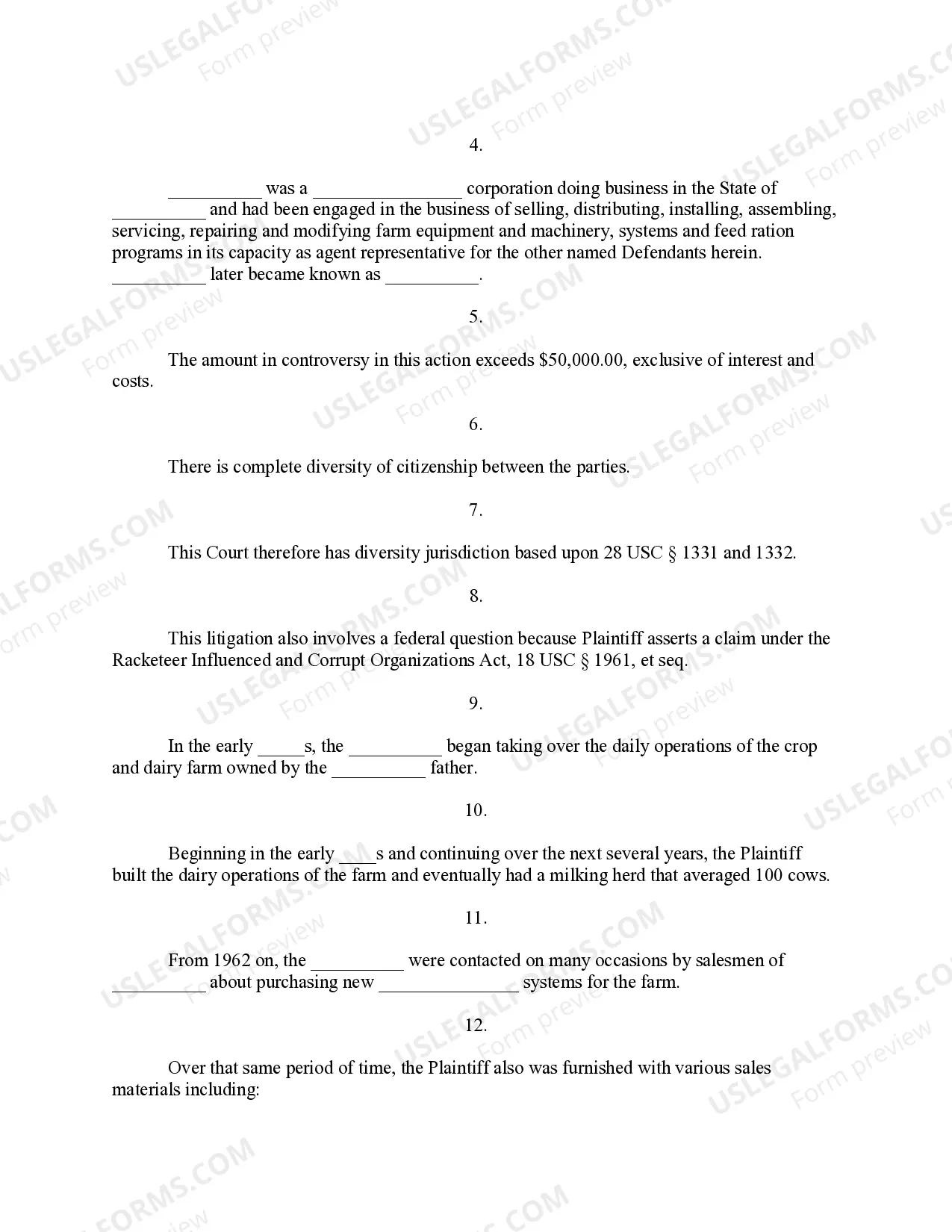
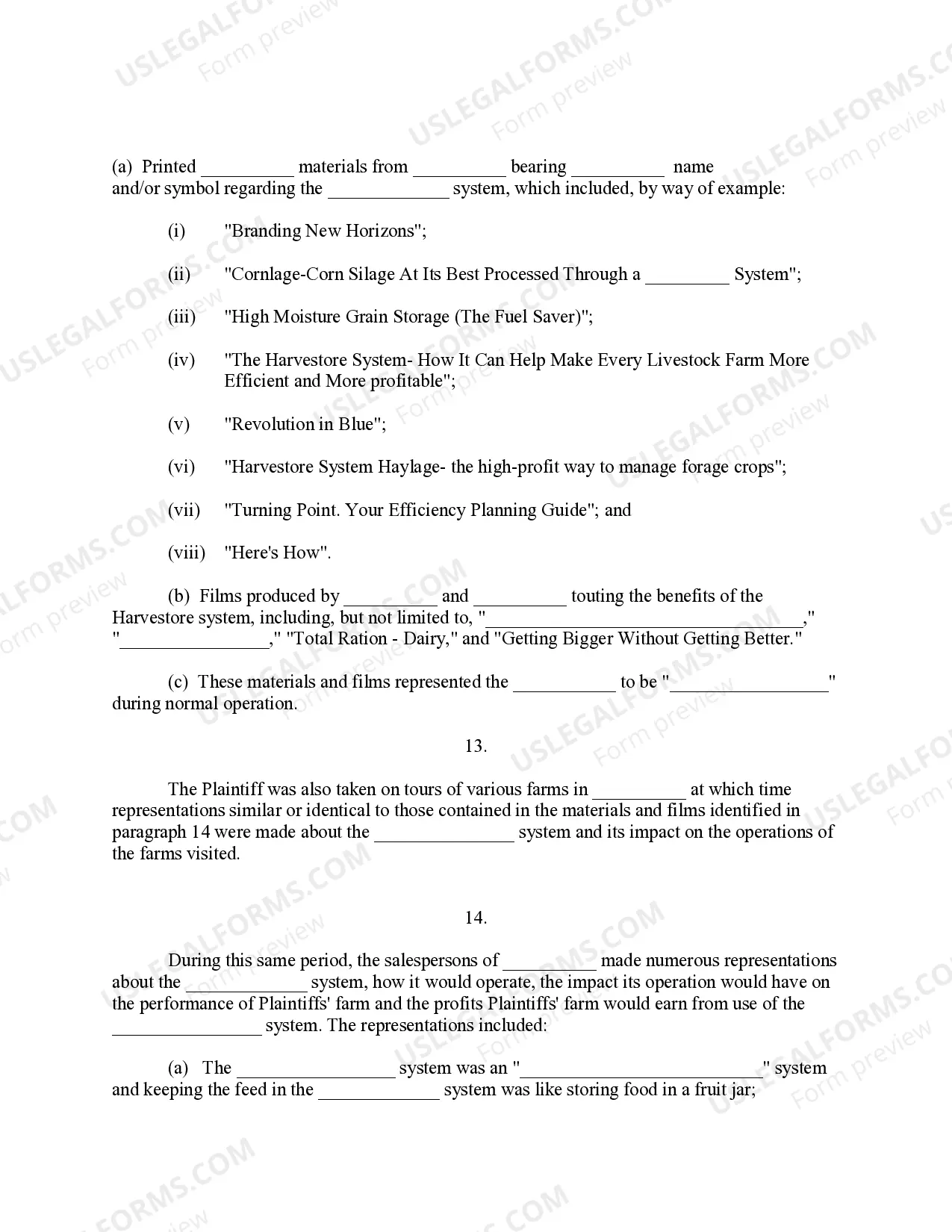
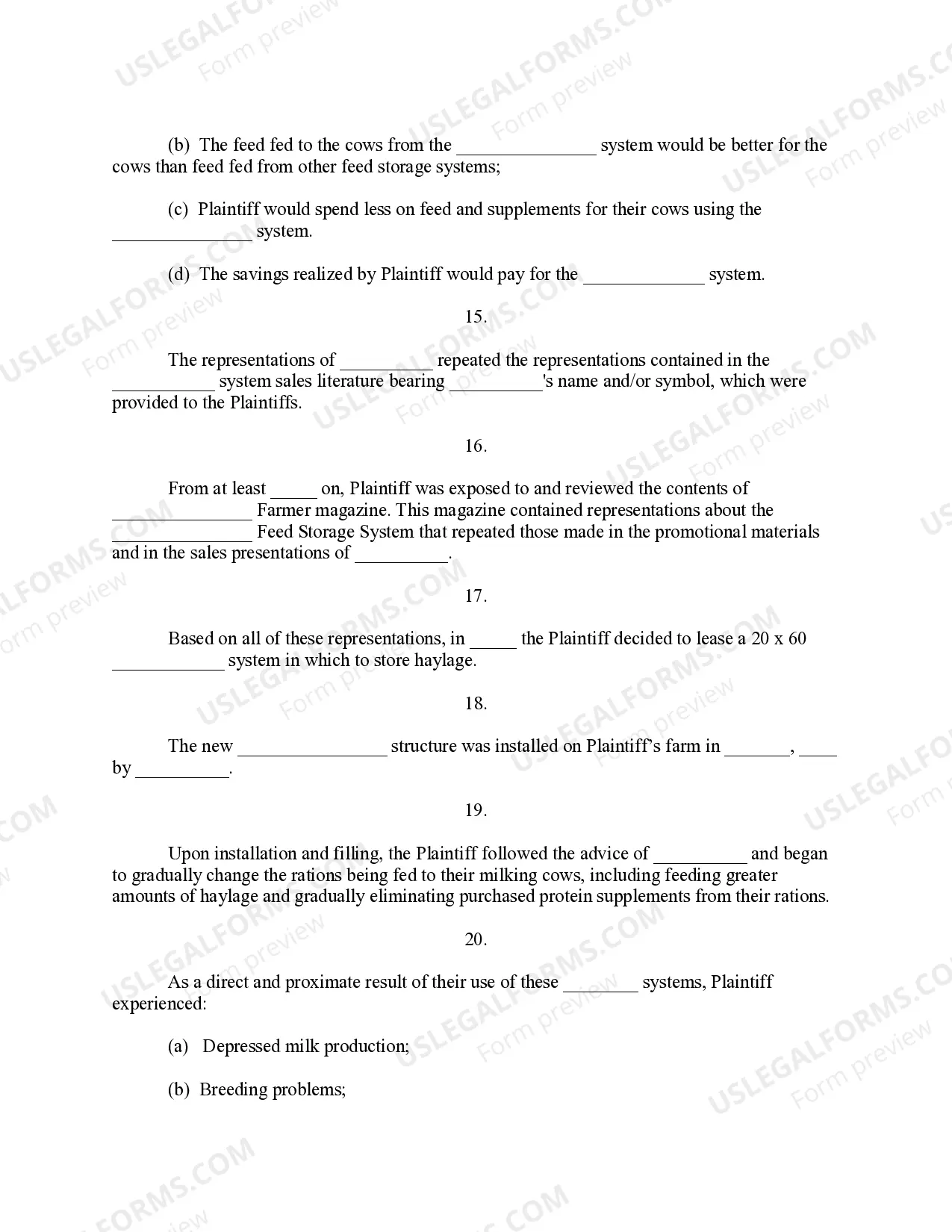
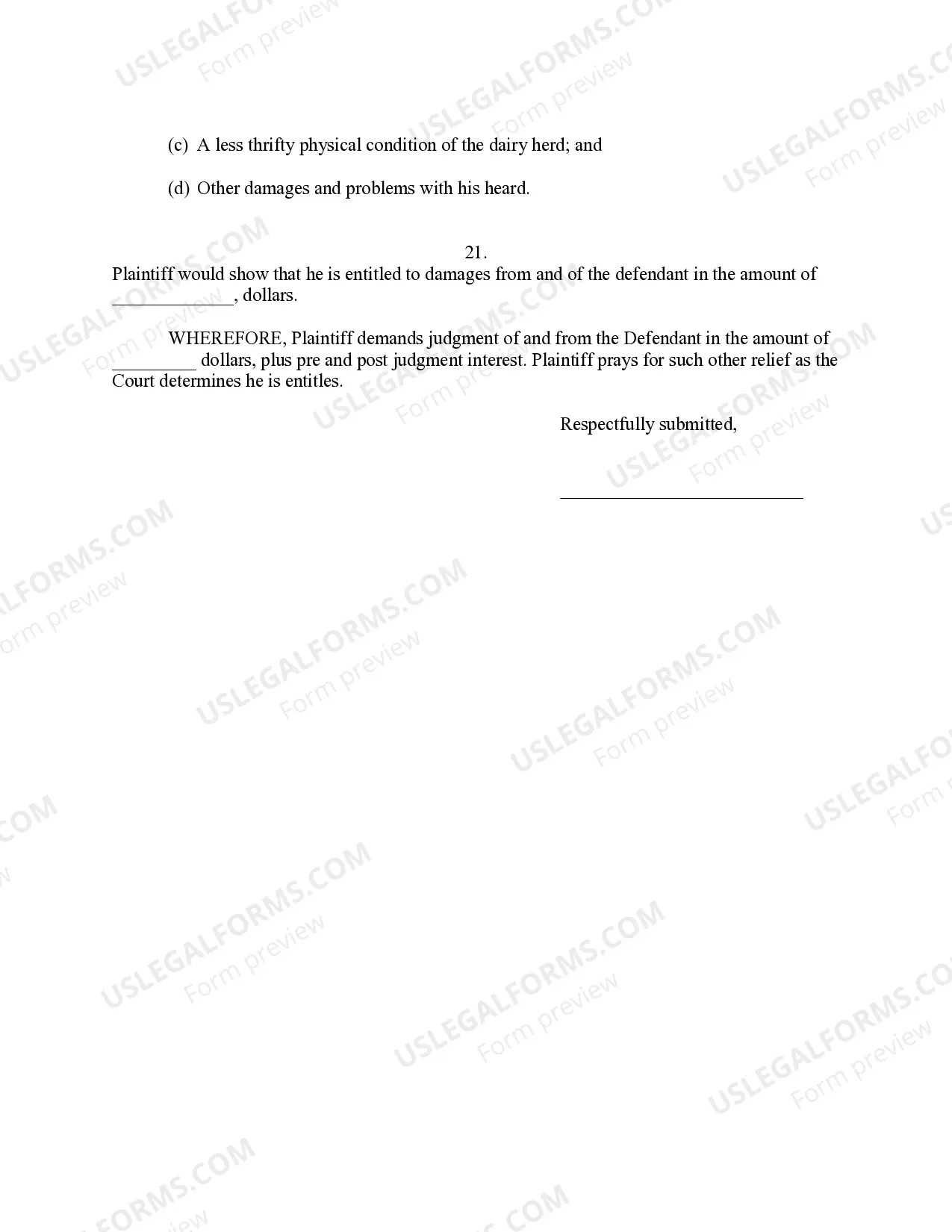


Get your form ready online
Our built-in tools help you complete, sign, share, and store your documents in one place.
Make edits, fill in missing information, and update formatting in US Legal Forms—just like you would in MS Word.
Download a copy, print it, send it by email, or mail it via USPS—whatever works best for your next step.
Sign and collect signatures with our SignNow integration. Send to multiple recipients, set reminders, and more. Go Premium to unlock E-Sign.
If this form requires notarization, complete it online through a secure video call—no need to meet a notary in person or wait for an appointment.
We protect your documents and personal data by following strict security and privacy standards.

Make edits, fill in missing information, and update formatting in US Legal Forms—just like you would in MS Word.

Download a copy, print it, send it by email, or mail it via USPS—whatever works best for your next step.

Sign and collect signatures with our SignNow integration. Send to multiple recipients, set reminders, and more. Go Premium to unlock E-Sign.

If this form requires notarization, complete it online through a secure video call—no need to meet a notary in person or wait for an appointment.

We protect your documents and personal data by following strict security and privacy standards.
Looking for another form?
Form popularity
FAQ
Sole proprietorships or general partnerships require no legal entry formalities except compliance with state and local licensing and taxation requirements.
Generally speaking, there is no minimum acreage for farm tax exemption. There may, however, be specific acreage minimums required to be considered for certain land classifications such as a “greenbelt” property.
BUSINESS PERSONAL PROPERTY RETURN An Annual Report must be filed by all business entities formed, qualified or registered to do business in the State of Maryland, as of January 1st .
LLCs (limited liability companies) can be used to transfer farmland and farm businesses to one or more people over a period of time.
There are several ways you can choose to structure the ownership of your farm operation, ranging from a sole-proprietorship, general partnership, or corporation. More and more farms are now using a limited liability company (LLC) as a business entity which has become popular in the industry for several reasons.
A farmer is an individual who is engaged in farming per the definition found above (IRS Publication 225, page 1, “You are in the business of farming if you cultivate, operate, or manage a farm for profit, either as an owner or tenant”). Generally, the farmer has a profit motive when operating a farming business.
There are several ways you can choose to structure the ownership of your farm operation, ranging from a sole-proprietorship, general partnership, or corporation. More and more farms are now using a limited liability company (LLC) as a business entity which has become popular in the industry for several reasons.
How to start a farming business Define your farming business concept. Conduct market research. Develop a business plan. Obtain licenses and certifications. Secure financing. Acquire land and necessary. Implement farming operations. Establish sales and distribution channels.
How to start a farming business Define your farming business concept. Conduct market research. Develop a business plan. Obtain licenses and certifications. Secure financing. Acquire land and necessary. Implement farming operations. Establish sales and distribution channels.
