Farm Would Business For Fork In Cook
Description

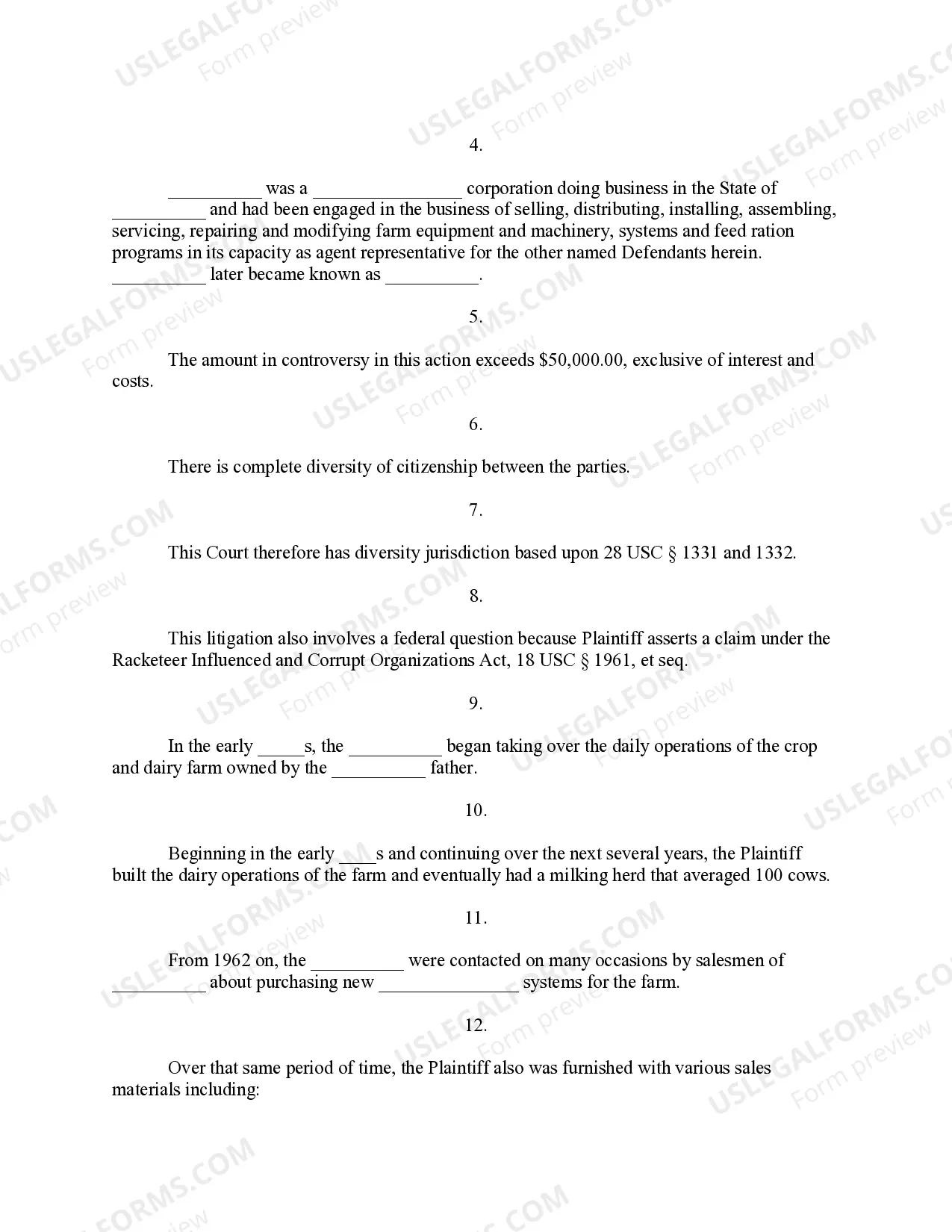
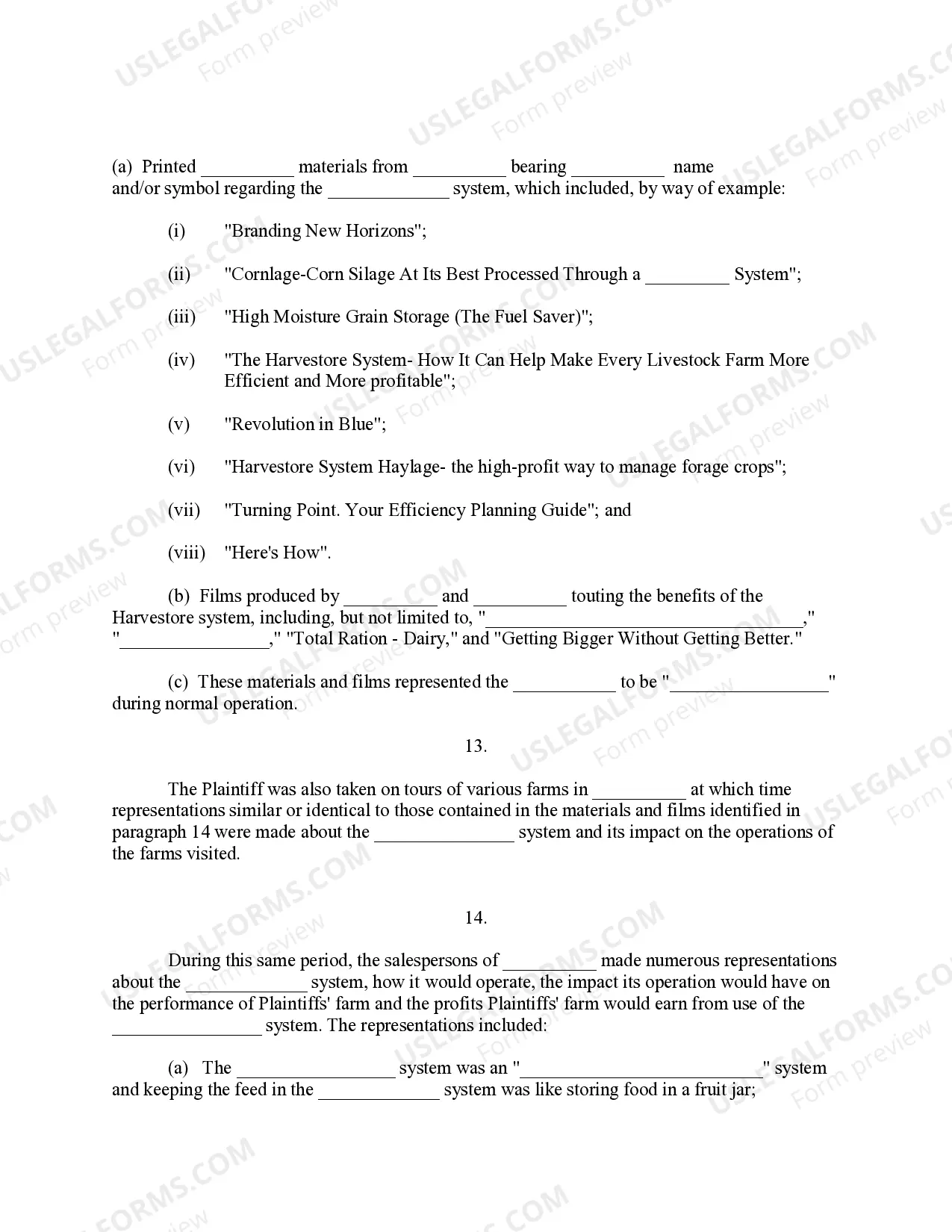
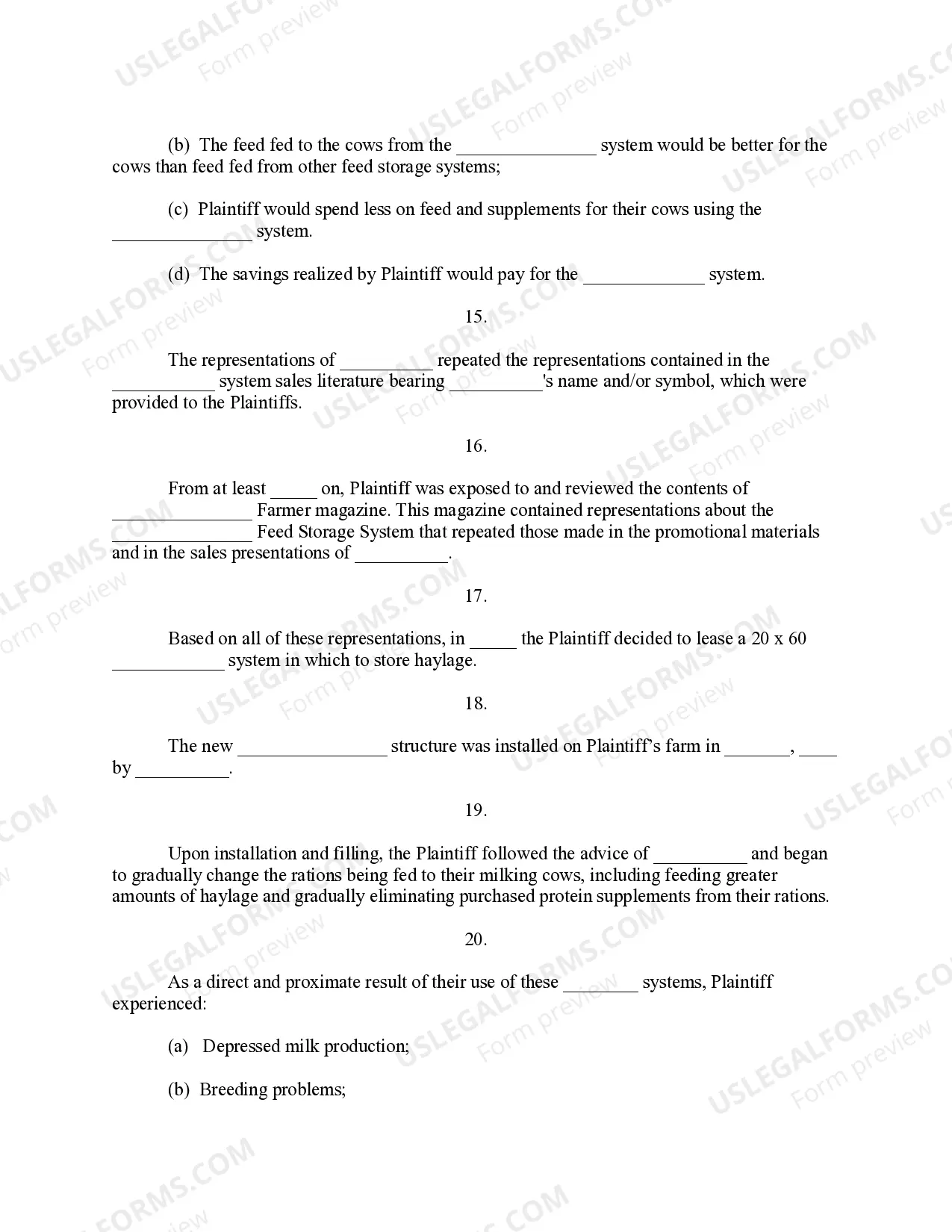
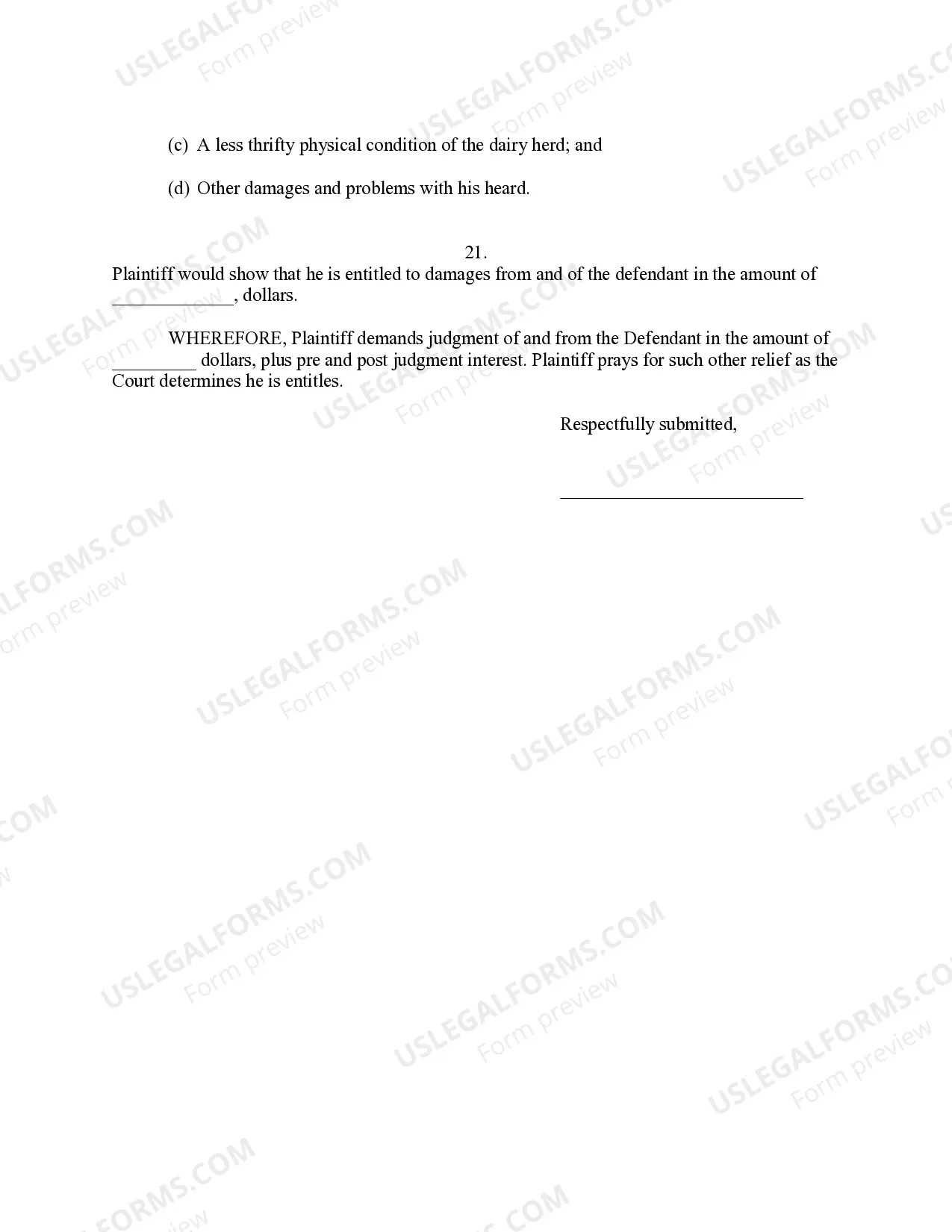


Get your form ready online
Our built-in tools help you complete, sign, share, and store your documents in one place.
Make edits, fill in missing information, and update formatting in US Legal Forms—just like you would in MS Word.
Download a copy, print it, send it by email, or mail it via USPS—whatever works best for your next step.
Sign and collect signatures with our SignNow integration. Send to multiple recipients, set reminders, and more. Go Premium to unlock E-Sign.
If this form requires notarization, complete it online through a secure video call—no need to meet a notary in person or wait for an appointment.
We protect your documents and personal data by following strict security and privacy standards.

Make edits, fill in missing information, and update formatting in US Legal Forms—just like you would in MS Word.

Download a copy, print it, send it by email, or mail it via USPS—whatever works best for your next step.

Sign and collect signatures with our SignNow integration. Send to multiple recipients, set reminders, and more. Go Premium to unlock E-Sign.

If this form requires notarization, complete it online through a secure video call—no need to meet a notary in person or wait for an appointment.

We protect your documents and personal data by following strict security and privacy standards.
Looking for another form?








Form popularity
FAQ
The Farm-to-Fork approach focuses on reducing the amount of harmful chemicals in food by promoting organic farming methods. Local producers prioritize natural pest control and soil enrichment, which means fewer synthetic pesticides and fertilizers are used.
There are five main steps in the journey of RTE produce, from farm to fork: (A) production, (B) cleaning and packaging, (C) distribution, (D) retail, and (E) consumer. To avoid pathogen contamination of produce, it is very important that safety precautions are taken at each step.
How to start a farming business Define your farming business concept. Conduct market research. Develop a business plan. Obtain licenses and certifications. Secure financing. Acquire land and necessary. Implement farming operations. Establish sales and distribution channels.
Farm to fork is a concept that encompasses the various stages of food production and consumption, emphasizing a more direct connection between the production of food on farms and its consumption on our plates.
Farm-to-table (or farm-to-fork, and in some cases farm-to-school) is a social movement which promotes serving local food at restaurants and school cafeterias, preferably through direct acquisition from the producer (which might be a winery, brewery, ranch, fishery, or other type of food producer which is not strictly a ...
The Farm to Fork and Biodiversity Strategies set two key non-legally binding targets for pesticides: Target 1: to reduce by 50% the use and risk of chemical pesticides by 2030. Target 2: to reduce by 50% the use of more hazardous pesticides by 2030.
Farm-to-table chefs often take a farmer's excess produce and ferment or pickle whatever can't be utilized on the menu immediately. The same is true with cattle, and innovative chefs will plan meals around whatever is delivered – even less popular items like organ meat.
As a beginning farmer you will need a federal tax ID number , also known as an Employer Identification Number (EIN). An EIN is used to identify a business entity, hire employees, apply for business licenses, permits, and more. The EIN is necessary for reporting to the IRS. You may apply for an EIN online .
The food travels from the farmer to a processing center, where that food is collected; then to a regional distribution center and on to the local retailer or restaurant; and then finally to the hungry consumer.
