Dog Contract Agreement With Dog In Suffolk
Description
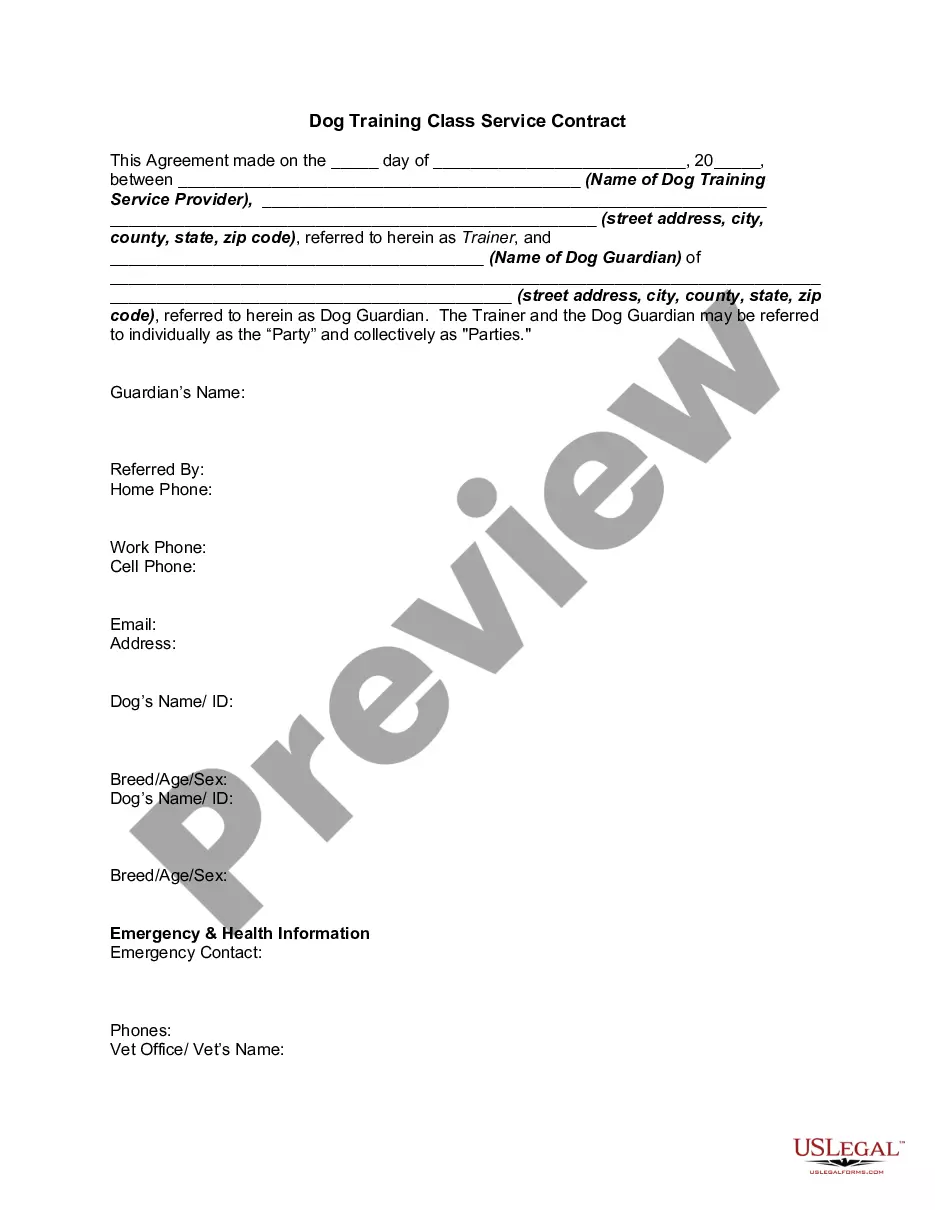
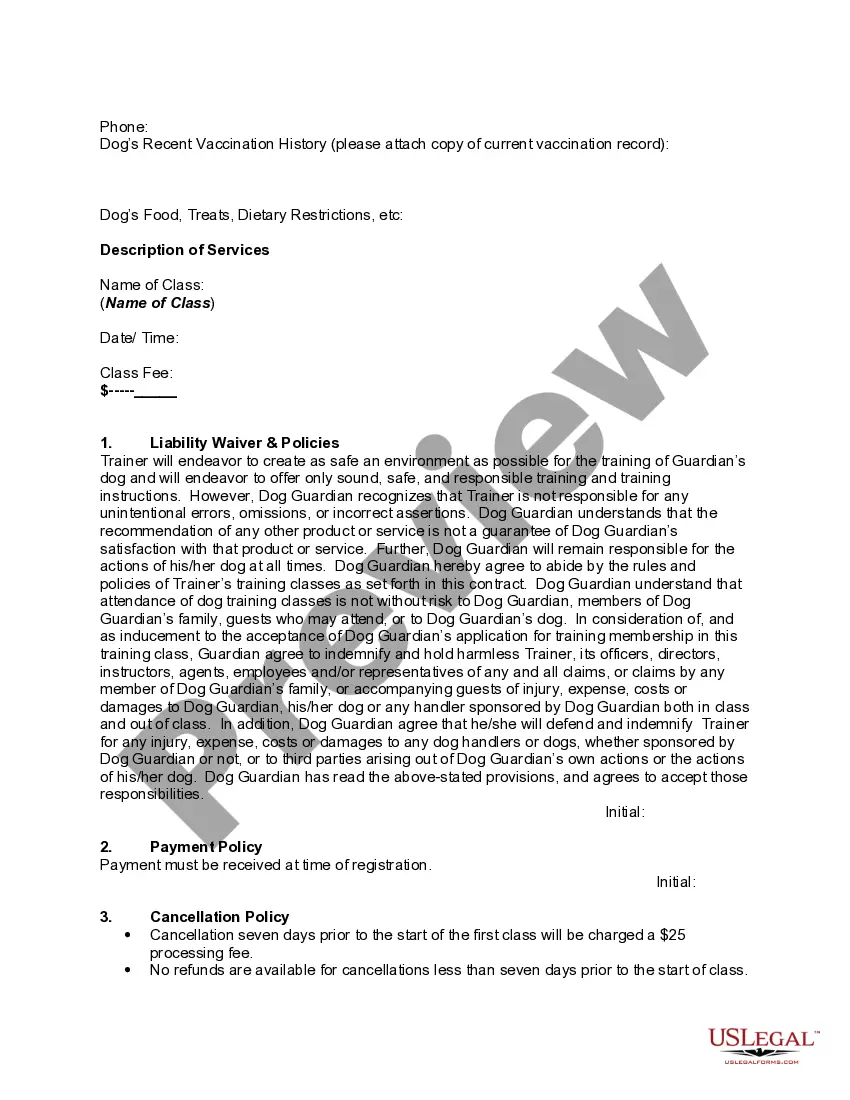
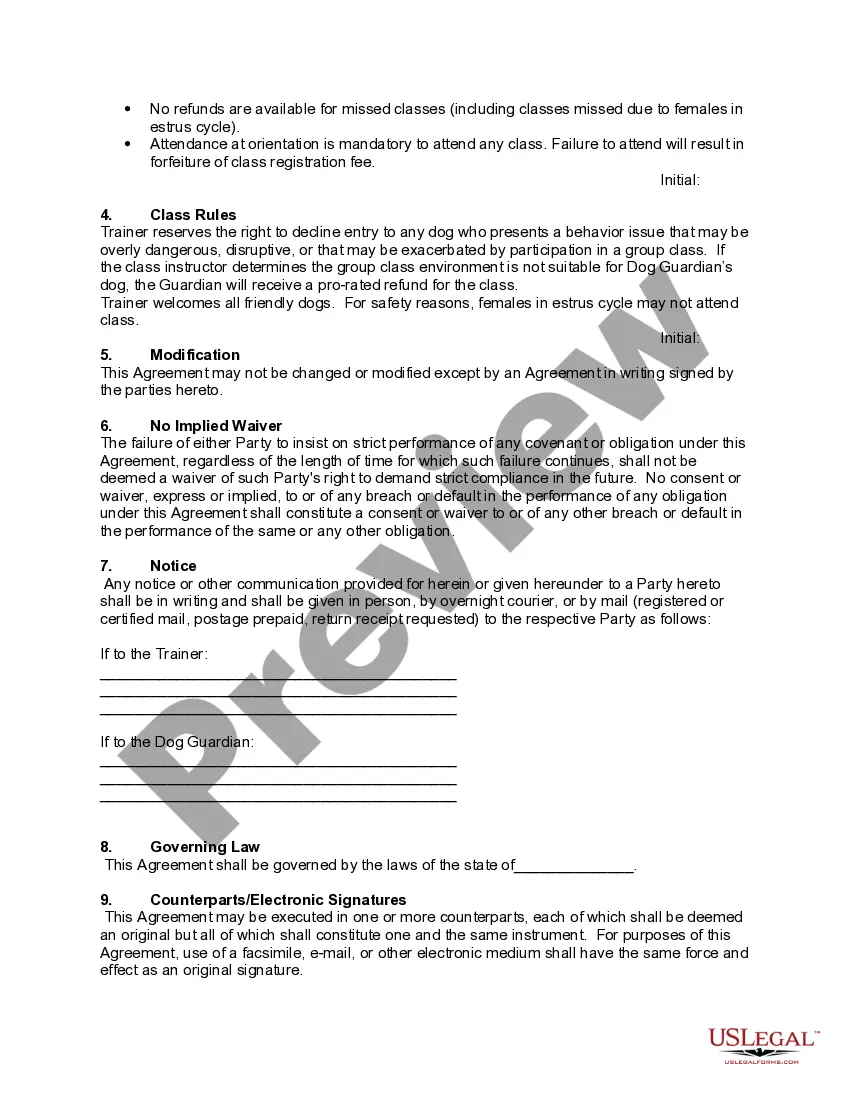
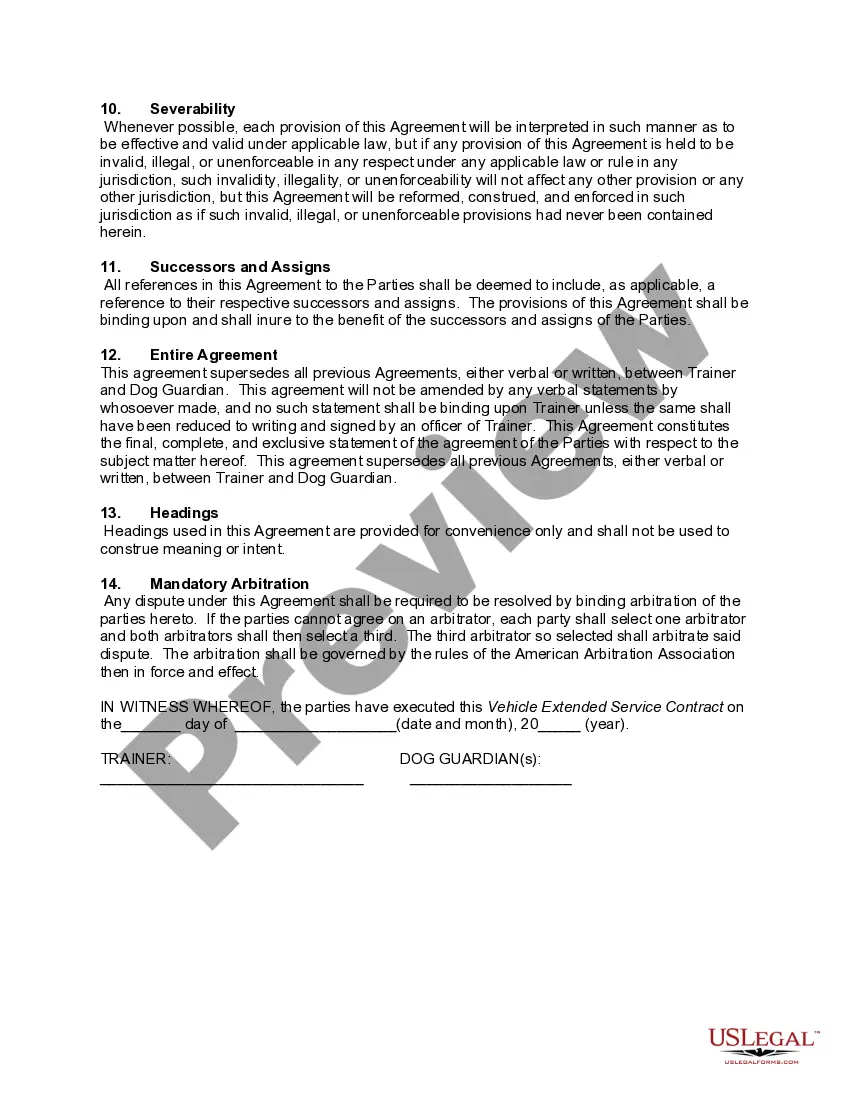
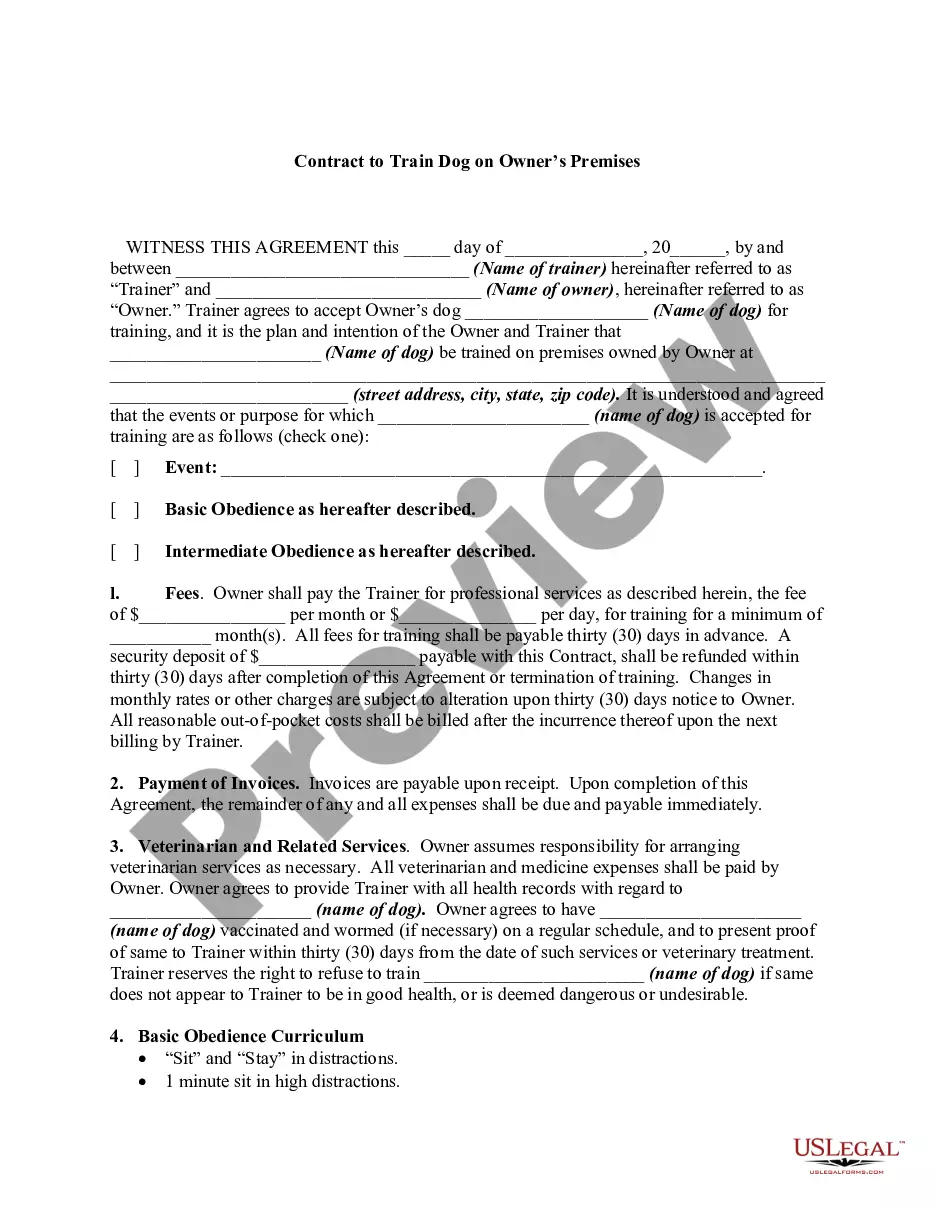
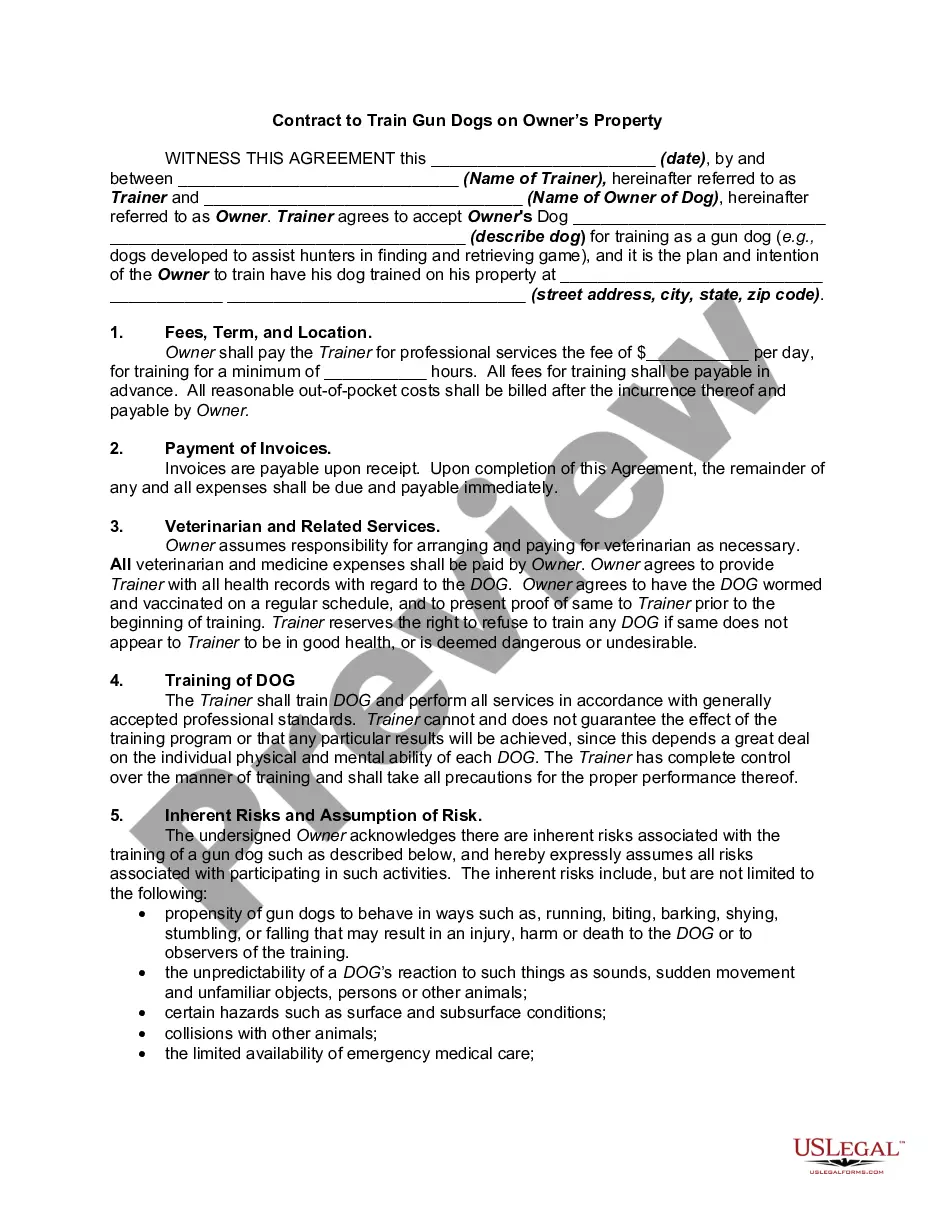
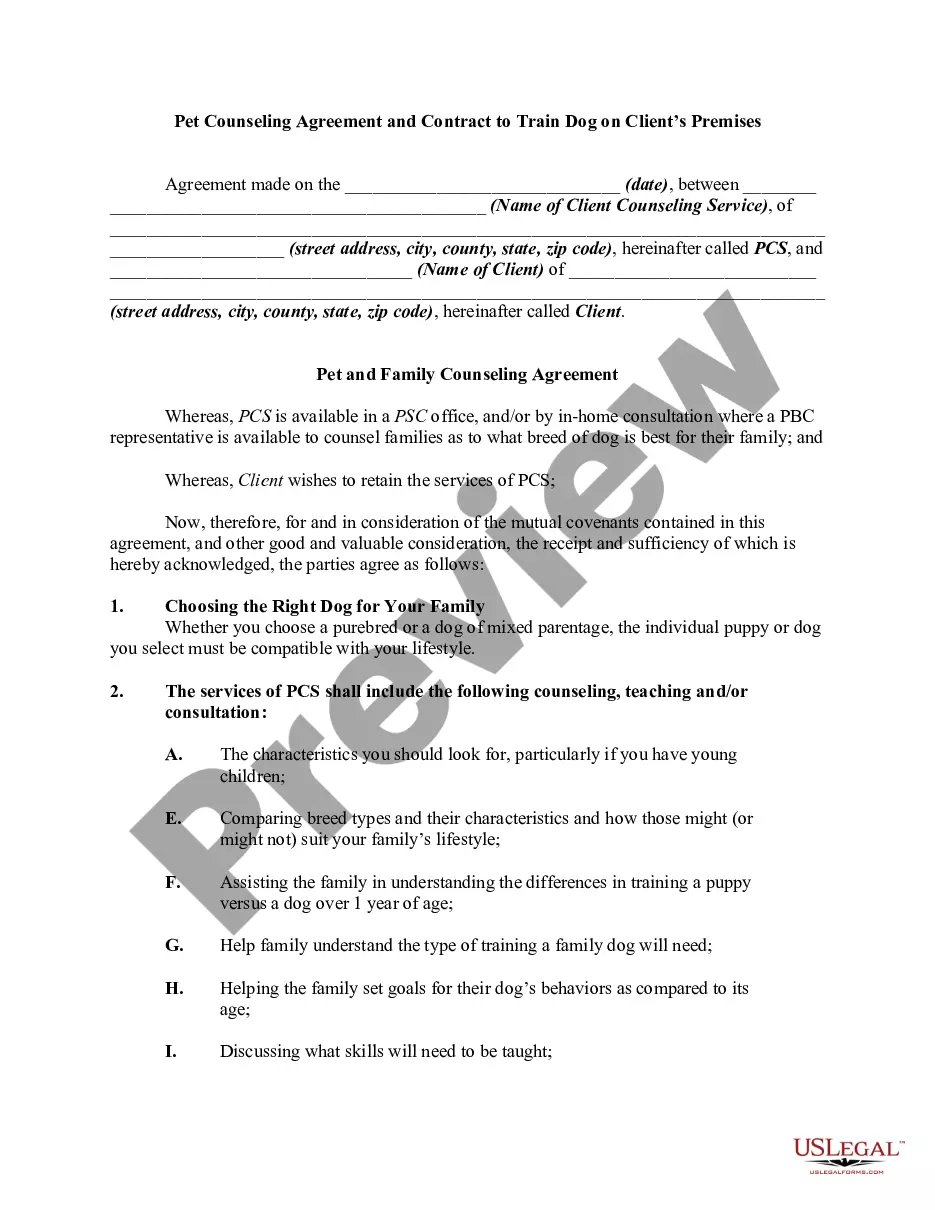
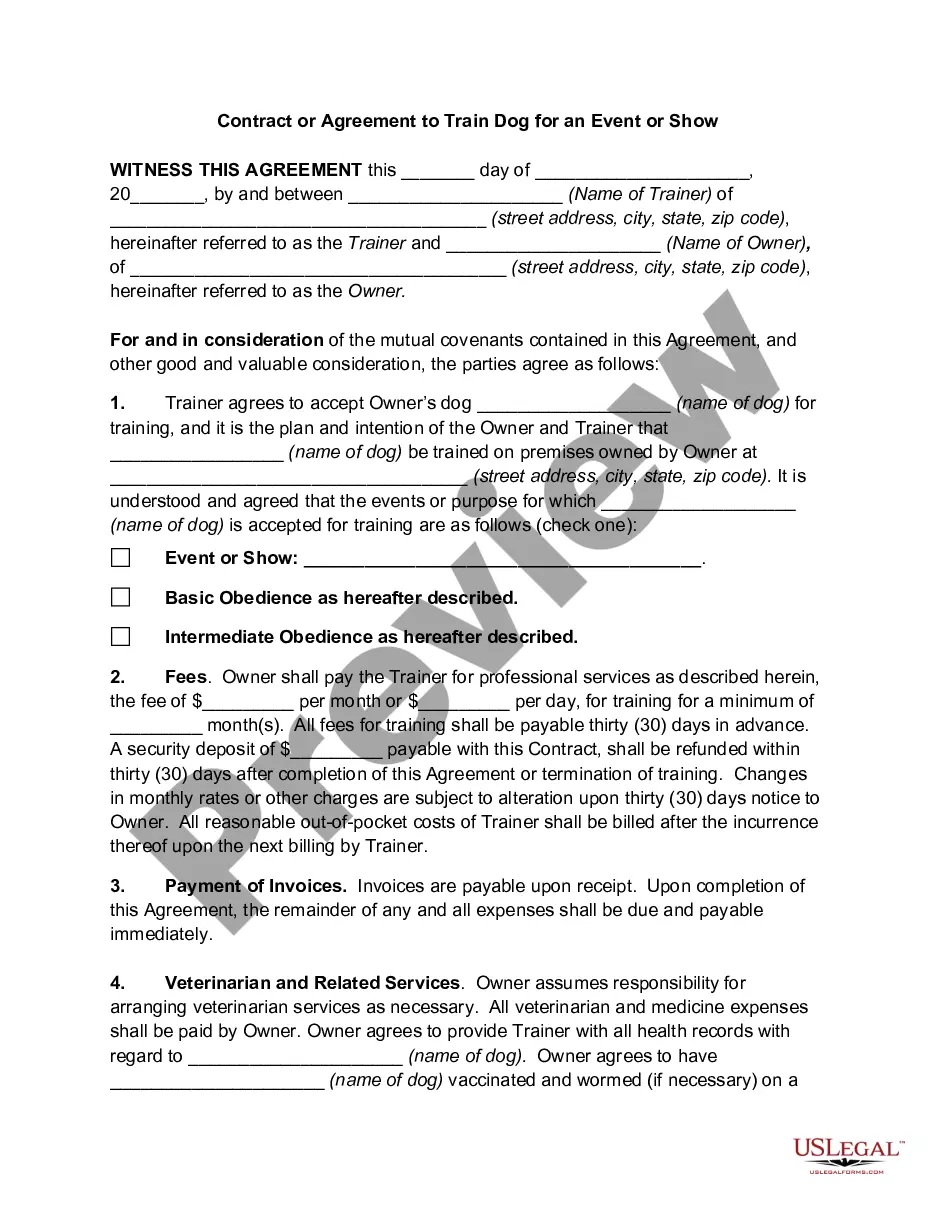
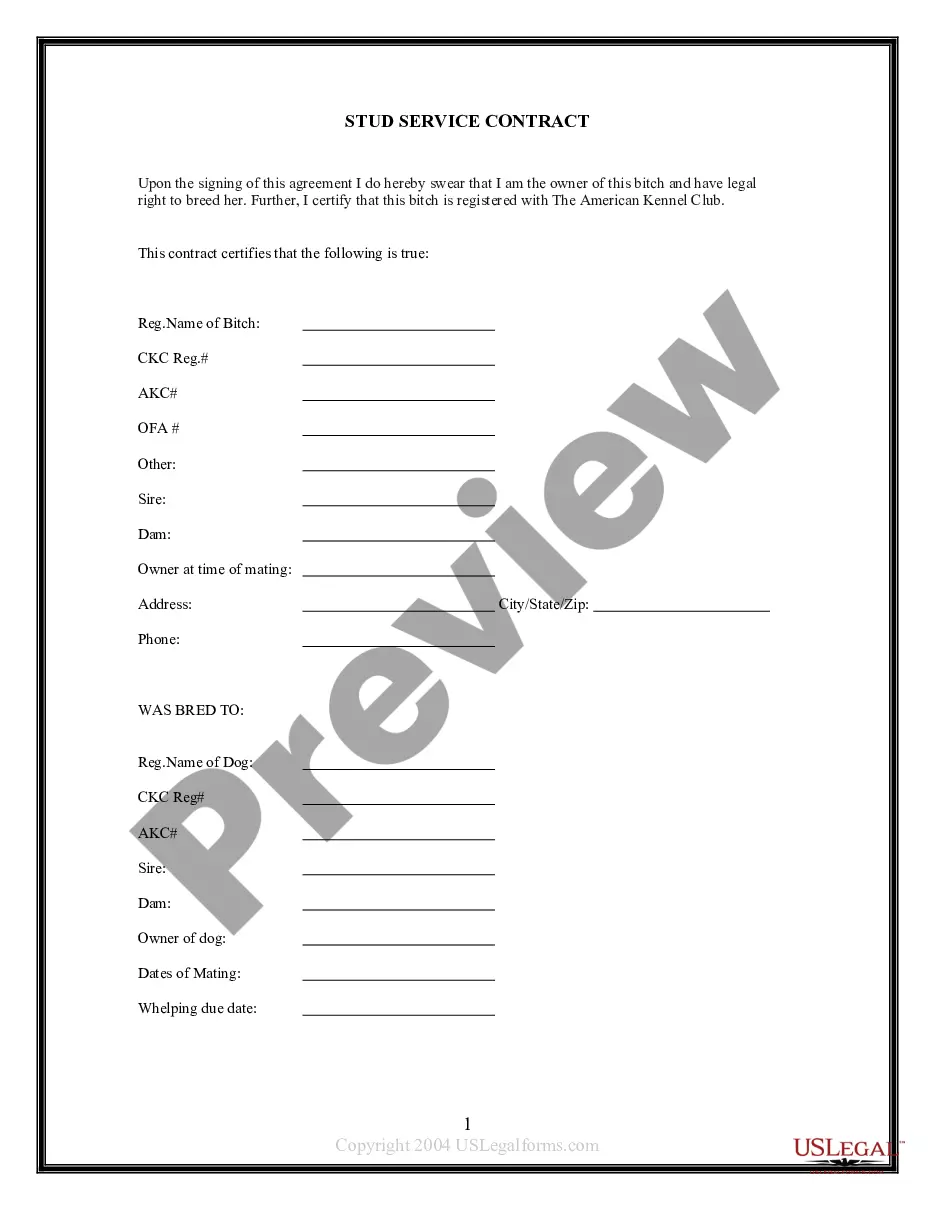
Get your form ready online
Our built-in tools help you complete, sign, share, and store your documents in one place.
Make edits, fill in missing information, and update formatting in US Legal Forms—just like you would in MS Word.
Download a copy, print it, send it by email, or mail it via USPS—whatever works best for your next step.
Sign and collect signatures with our SignNow integration. Send to multiple recipients, set reminders, and more. Go Premium to unlock E-Sign.
If this form requires notarization, complete it online through a secure video call—no need to meet a notary in person or wait for an appointment.
We protect your documents and personal data by following strict security and privacy standards.

Make edits, fill in missing information, and update formatting in US Legal Forms—just like you would in MS Word.

Download a copy, print it, send it by email, or mail it via USPS—whatever works best for your next step.

Sign and collect signatures with our SignNow integration. Send to multiple recipients, set reminders, and more. Go Premium to unlock E-Sign.

If this form requires notarization, complete it online through a secure video call—no need to meet a notary in person or wait for an appointment.

We protect your documents and personal data by following strict security and privacy standards.
Looking for another form?



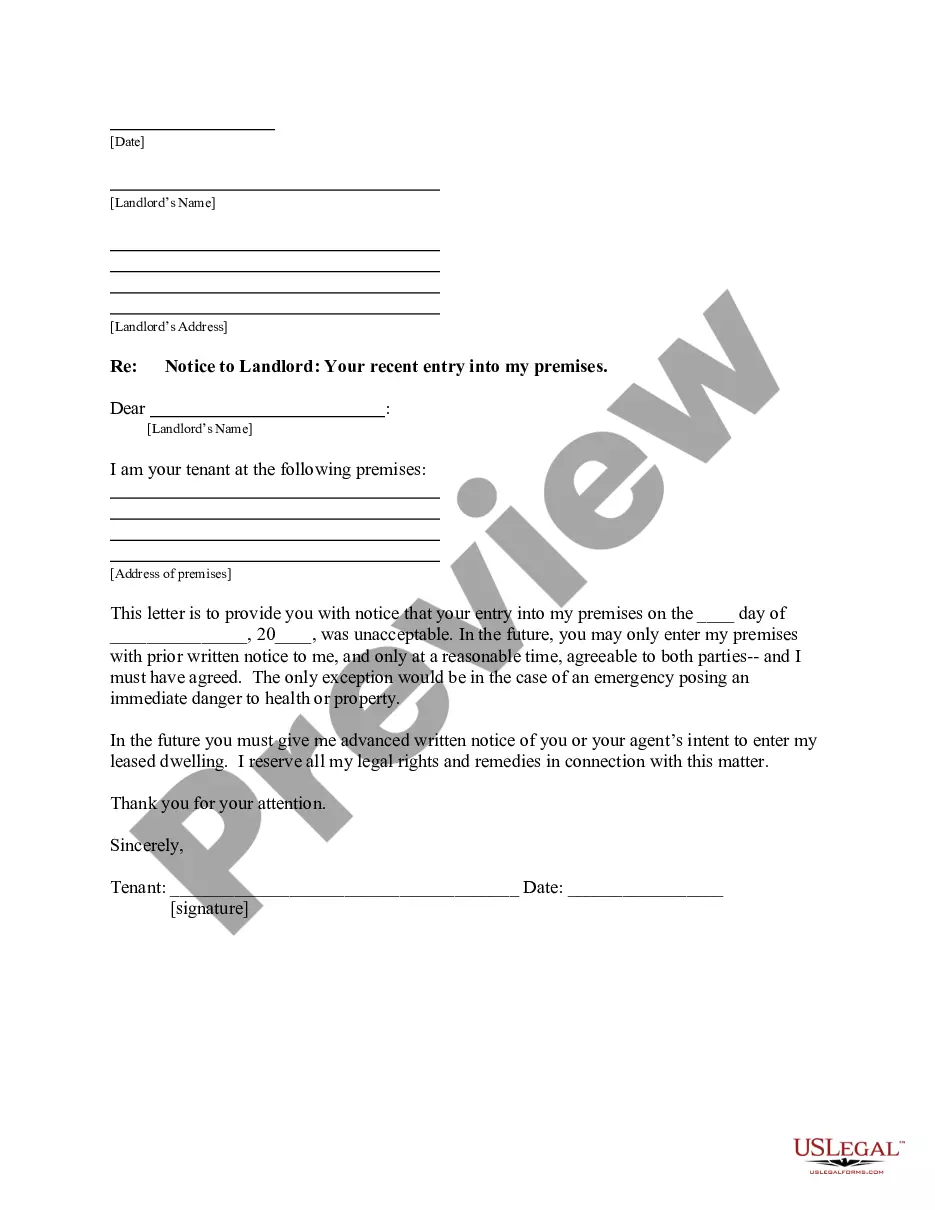

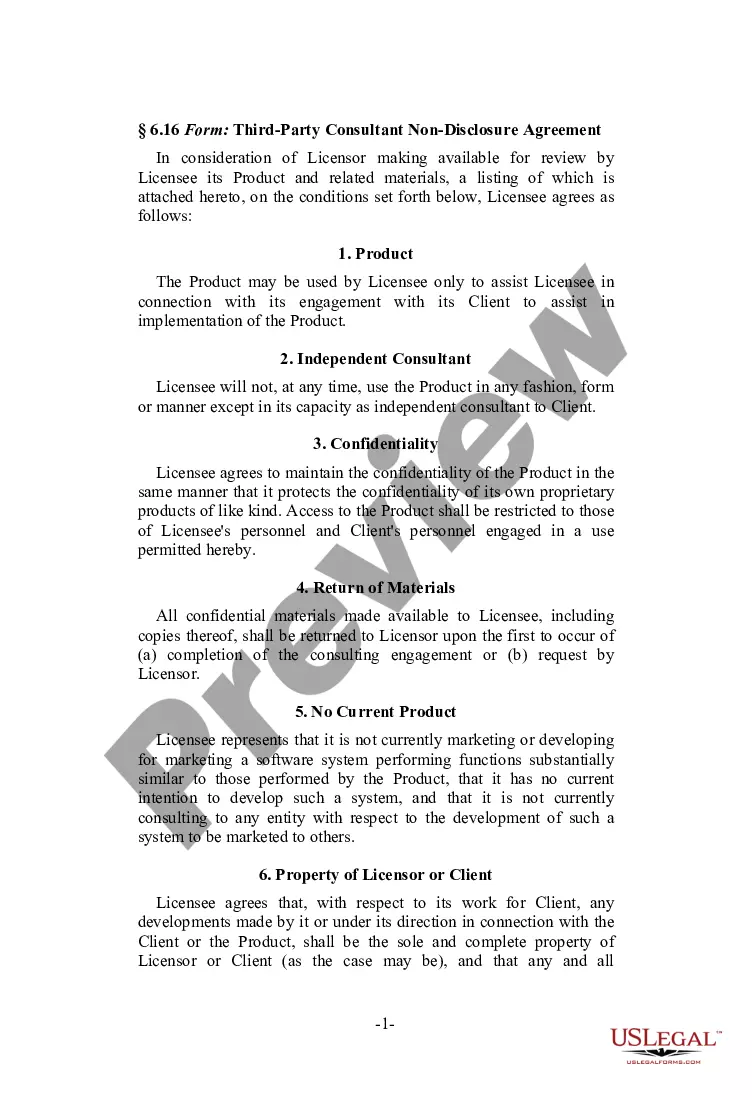
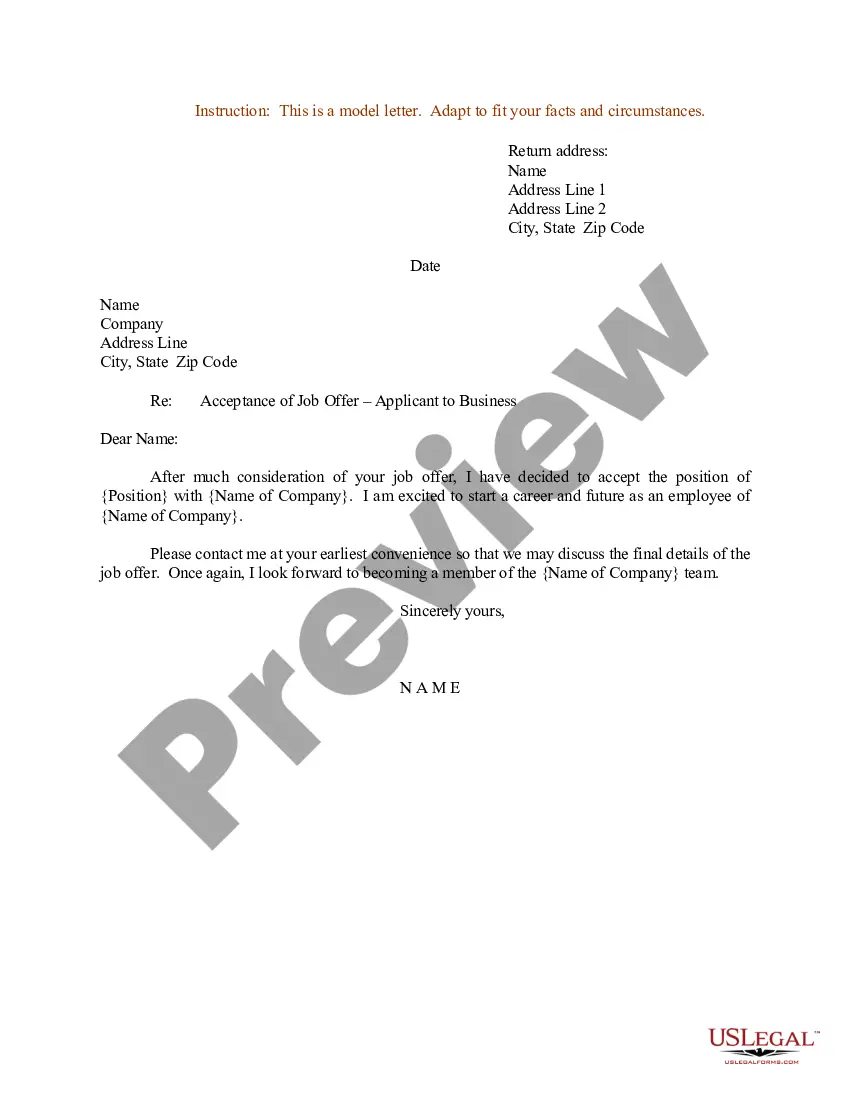


Form popularity
FAQ
Detailing Your Living Situation and Lifestyle. Give the adoption center or rescue a clear picture of your living situation and daily routine. This can include details such as whether you live in a house or apartment, the number of people living in your household, and your availability to care for the dog.
Politely follow up with the rescue organization and request the dog's paperwork. If the rescue continues to refuse to provide the paperwork, you may want to consult an animal law attorney in your area. Check if your local or state laws have any requirements for rescues to provide adoption paperwork to new owners.
The 3-3-3 rule is a guideline for transitioning a rescue dog into its new home and helping it to settle in. It suggests that the first three days should be used for adjusting to its new surroundings, the next three weeks for training and bonding, and the first three months for continued socialization and training.
A written contract is a good way to transfer pet ownership if you want to specify care and treatment. If your pet is microchipped, that ownership also must be transferred, along with local licenses.
Yes! your contract is legally binding and the rescue should be your FIRST port of call for returning/rehoming the dog.
In the painful event of a serious dispute, a court is more likely to enforce terms that are clearly spelled out as essential to the Breeder's agreement to sell the puppy in the first place. Not everything is a Deal Breaker - Remember, if the contract is too overbearing and unreasonable, it likely won't be enforceable.
Breeding contracts spell out the rights and responsibilities of the breeder and the other person whether the other person is purchasing a puppy or stud service. Good breeders will stand behind their services and their dogs.
Checklist for a Sales Agreement When Buying a Dog Health. The seller should set out any health problems the dog has or might have and should guarantee that the dog is otherwise healthy. Vaccinations. List the vaccinations the dog has had and when they were given. History. Training. Pedigree. Quality. Price. Warranties.
Breeder contracts usually cover several essential elements: Health guarantees against genetic conditions, return policies for various situations, spay/neuter agreements, breeding rights and restrictions, and may include stipulations for the future care and welfare of the puppy, including diet, living conditions, and ...
Most breeders that are even somewhat reputable will require you to sign some sort of contract/document up front along with the deposit. If they insist that they won't have you sign a contract, that's a big red flag.
