Torts Form With Decimals In Tarrant
Description


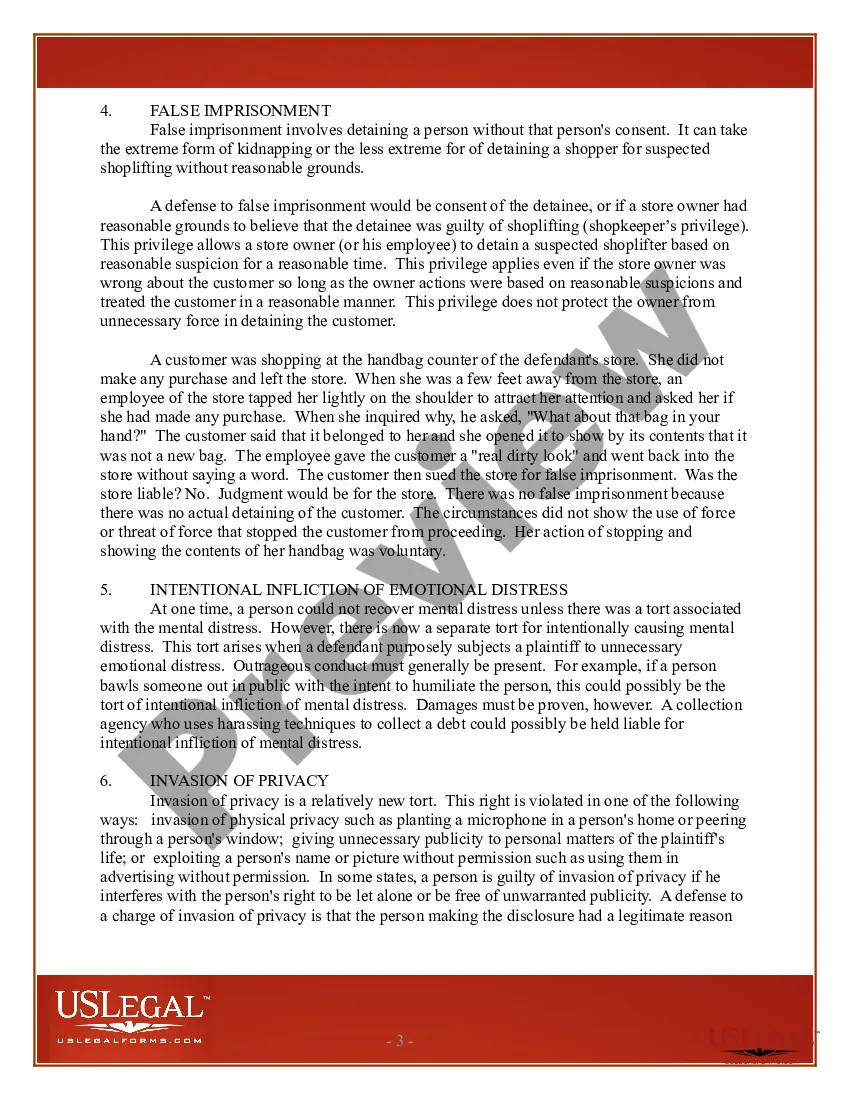
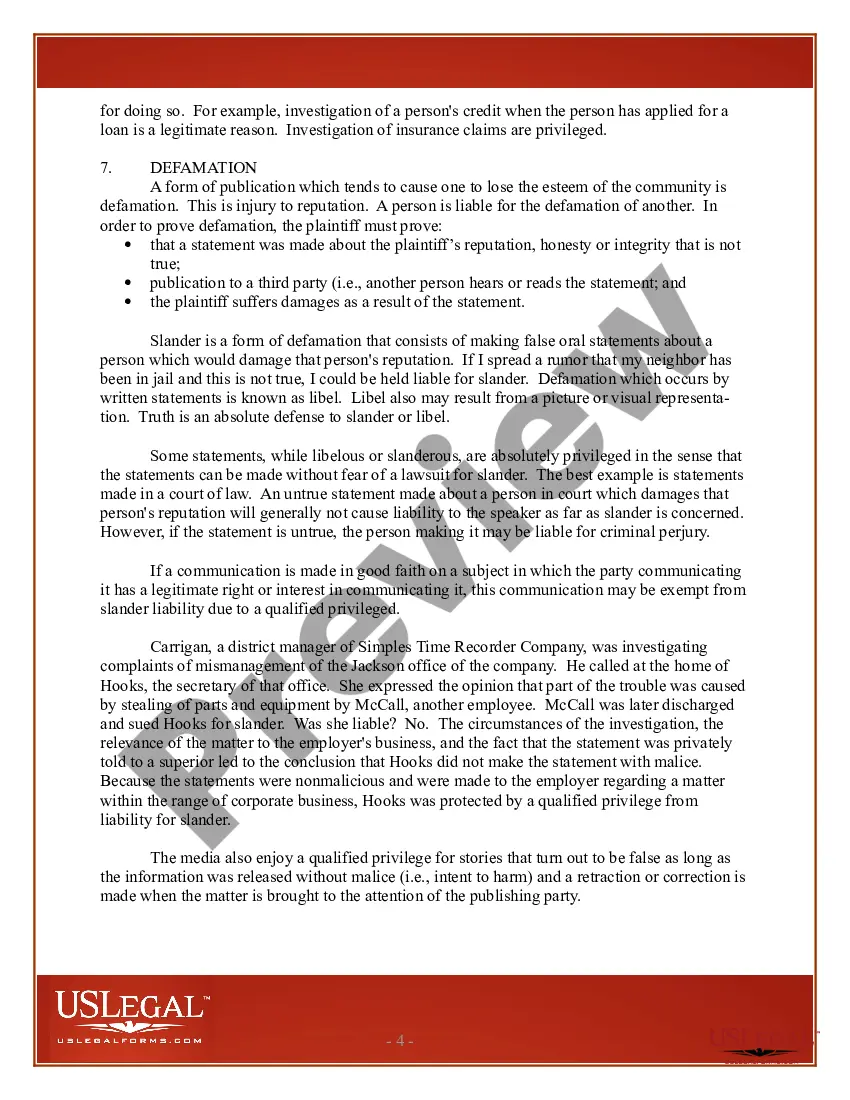
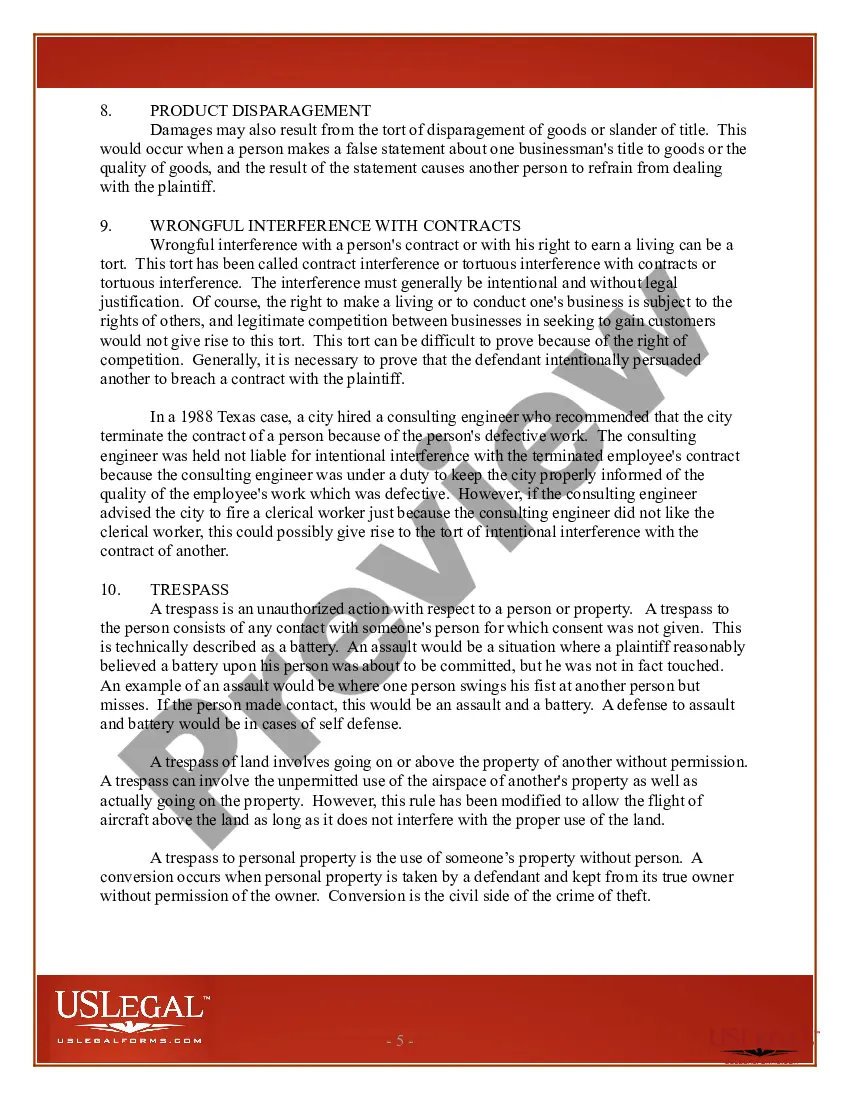

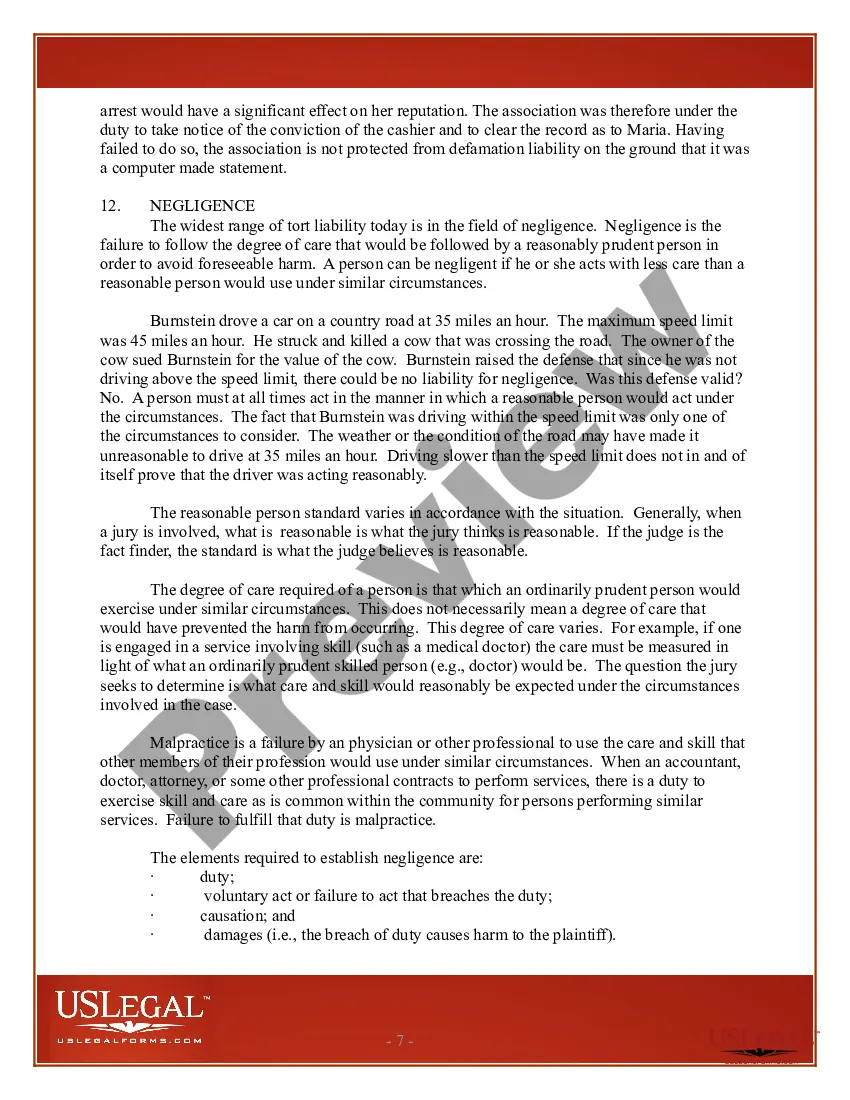








Get your form ready online
Our built-in tools help you complete, sign, share, and store your documents in one place.
Make edits, fill in missing information, and update formatting in US Legal Forms—just like you would in MS Word.
Download a copy, print it, send it by email, or mail it via USPS—whatever works best for your next step.
Sign and collect signatures with our SignNow integration. Send to multiple recipients, set reminders, and more. Go Premium to unlock E-Sign.
If this form requires notarization, complete it online through a secure video call—no need to meet a notary in person or wait for an appointment.
We protect your documents and personal data by following strict security and privacy standards.

Make edits, fill in missing information, and update formatting in US Legal Forms—just like you would in MS Word.

Download a copy, print it, send it by email, or mail it via USPS—whatever works best for your next step.

Sign and collect signatures with our SignNow integration. Send to multiple recipients, set reminders, and more. Go Premium to unlock E-Sign.

If this form requires notarization, complete it online through a secure video call—no need to meet a notary in person or wait for an appointment.

We protect your documents and personal data by following strict security and privacy standards.
Looking for another form?


Form popularity
FAQ
Step 1: Count how many grids are completely shaded. This will be the number for your ones digit. Step 2: In the grid that is partially shaded, count how many parts are shaded and how many total parts there are. If the grid has 10 total parts, the number of shaded parts will be your tenths digit.
To help read a decimal, you can put it into a place value chart. Let's use 0.45 as an example. You read this decimal by using the place value of the last digit to the right of the decimal point. This number is read as forty-five hundredths because the last digit is in the hundredths place.
Convert 42.356 to words: Forty-two point three five six.
The first digit after the decimal represents the tenths place. The next digit after the decimal represents the hundredths place. The remaining digits continue to fill in the place values until there are no digits left.
First, write the whole-number part. Write "and" for the decimal point. Next, write the word form of the digits in the decimal part. Finally, end with the place value of the last digit.
Step 1: Write the first number from the given number. Step 2: Add the decimal point after the first number. Step 3: Now, count the number of digits after the first number from the given number and write it in the power of 10. Step 2: Adding the decimal point after 5, it becomes “5.”
Two hundred seven that's the first name and the last name is where that decimal ends. So what placeMoreTwo hundred seven that's the first name and the last name is where that decimal ends. So what place does that seven sit in well it ends in the thousandths.
Expert-Verified Answer 25.8366. Twenty five and eight thousand three hundred sixty-six ten thousandths. 17.3. Seventeen and three tenths. 2.8751. Two and eight thousand seven hundred fifty-one ten thousandths. 123.04. One hundred twenty-three and four hundredths. 0.008.
The existence of a legal duty to the plaintiff; The defendant breached that duty; The plaintiff was injured; and, The defendant's breach of duty caused the injury.
To prove negligence, the plaintiff (injured party) must establish the following elements: Duty of Care: The defendant had a legal duty to act with reasonable care towards the plaintiff. Breach of Duty: The defendant breached their duty of care by failing to act with reasonable care.