Tort Negligence Liability For Principals And Agents In Philadelphia
Description

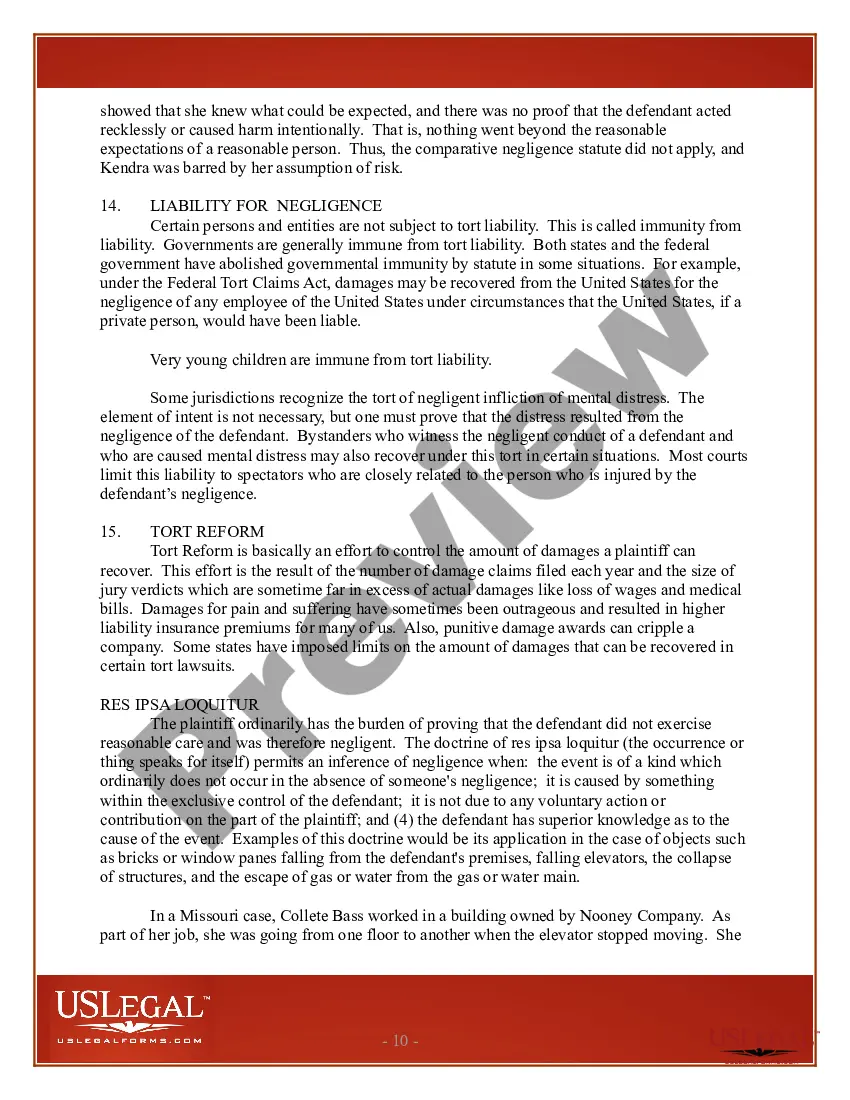




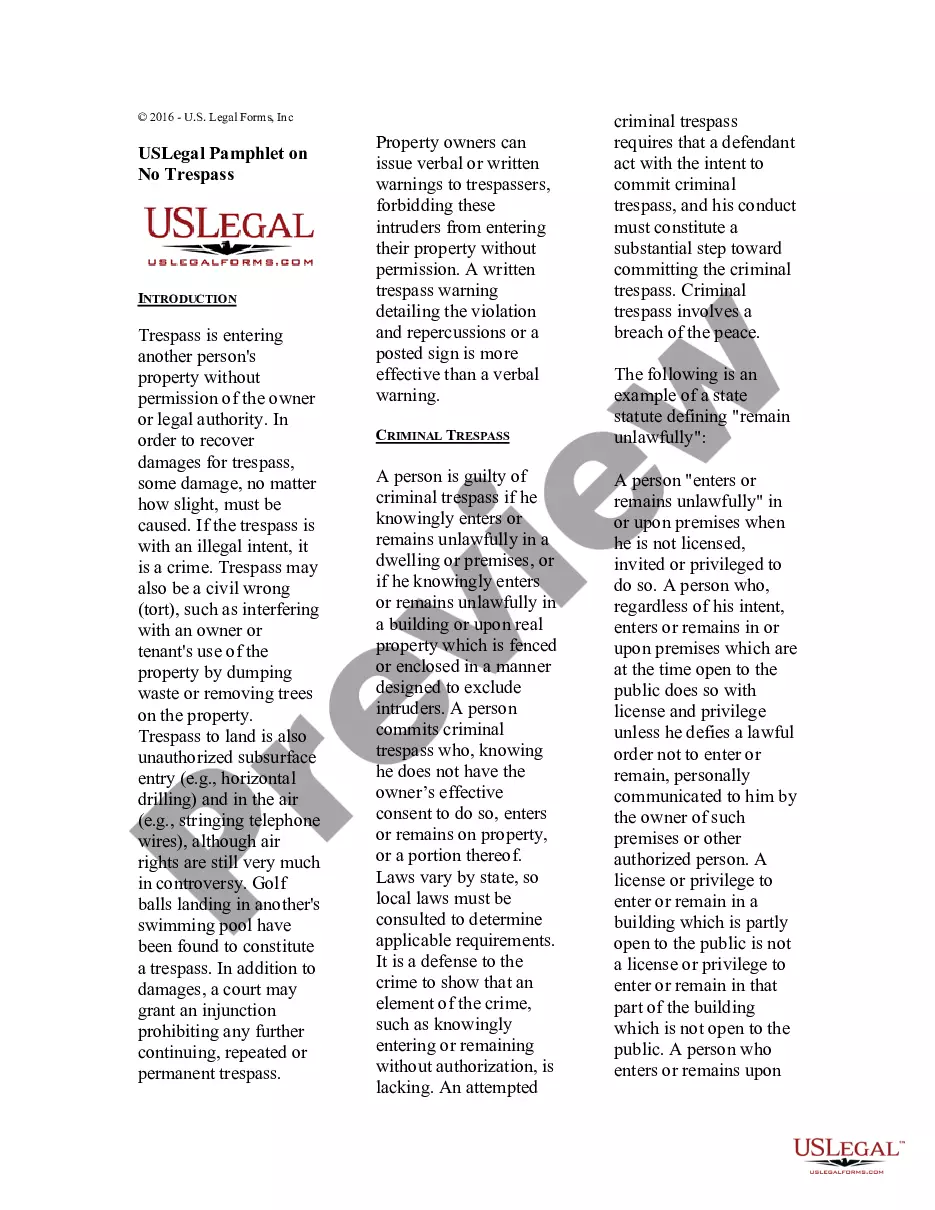
Get your form ready online
Our built-in tools help you complete, sign, share, and store your documents in one place.
Make edits, fill in missing information, and update formatting in US Legal Forms—just like you would in MS Word.
Download a copy, print it, send it by email, or mail it via USPS—whatever works best for your next step.
Sign and collect signatures with our SignNow integration. Send to multiple recipients, set reminders, and more. Go Premium to unlock E-Sign.
If this form requires notarization, complete it online through a secure video call—no need to meet a notary in person or wait for an appointment.
We protect your documents and personal data by following strict security and privacy standards.

Make edits, fill in missing information, and update formatting in US Legal Forms—just like you would in MS Word.

Download a copy, print it, send it by email, or mail it via USPS—whatever works best for your next step.

Sign and collect signatures with our SignNow integration. Send to multiple recipients, set reminders, and more. Go Premium to unlock E-Sign.

If this form requires notarization, complete it online through a secure video call—no need to meet a notary in person or wait for an appointment.

We protect your documents and personal data by following strict security and privacy standards.
Looking for another form?
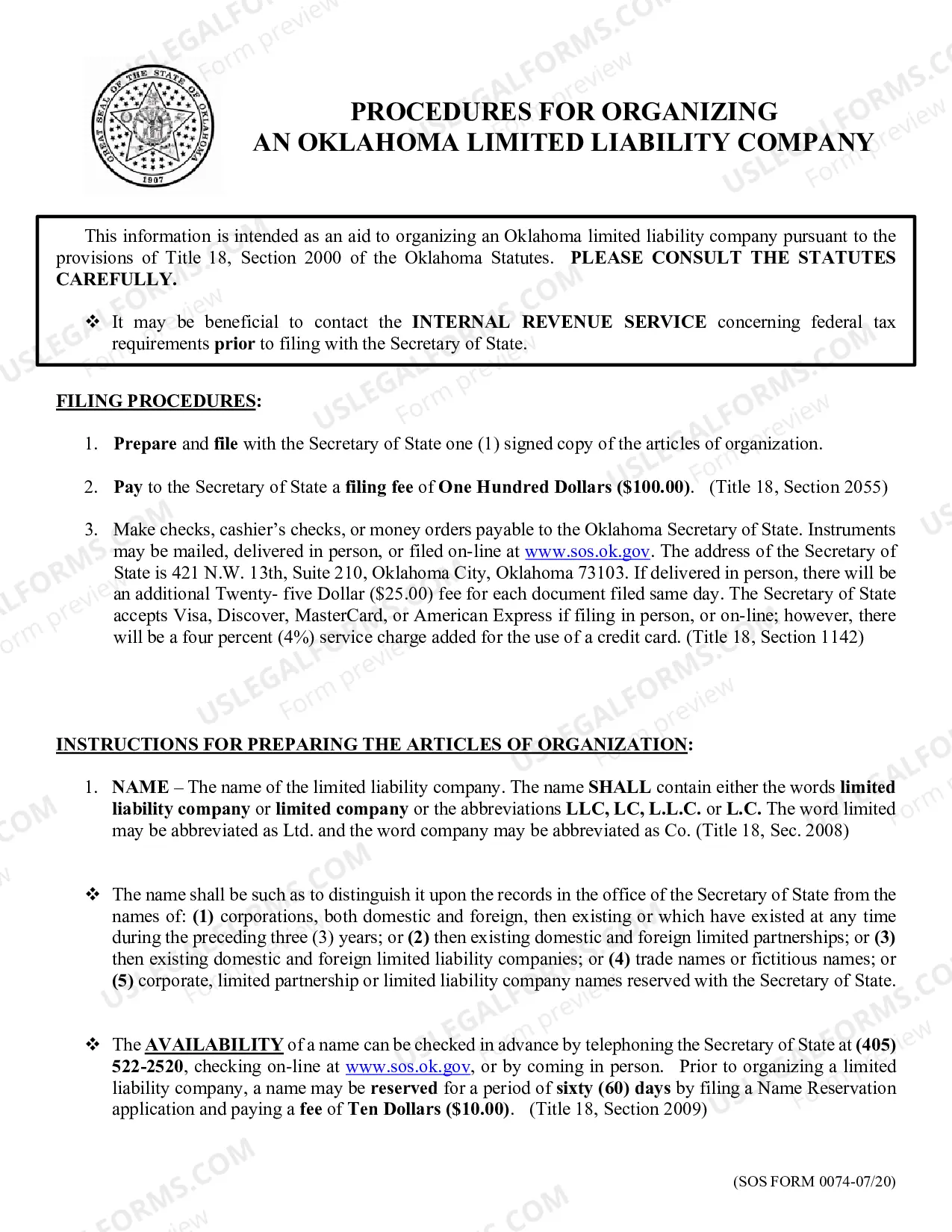





Form popularity
FAQ
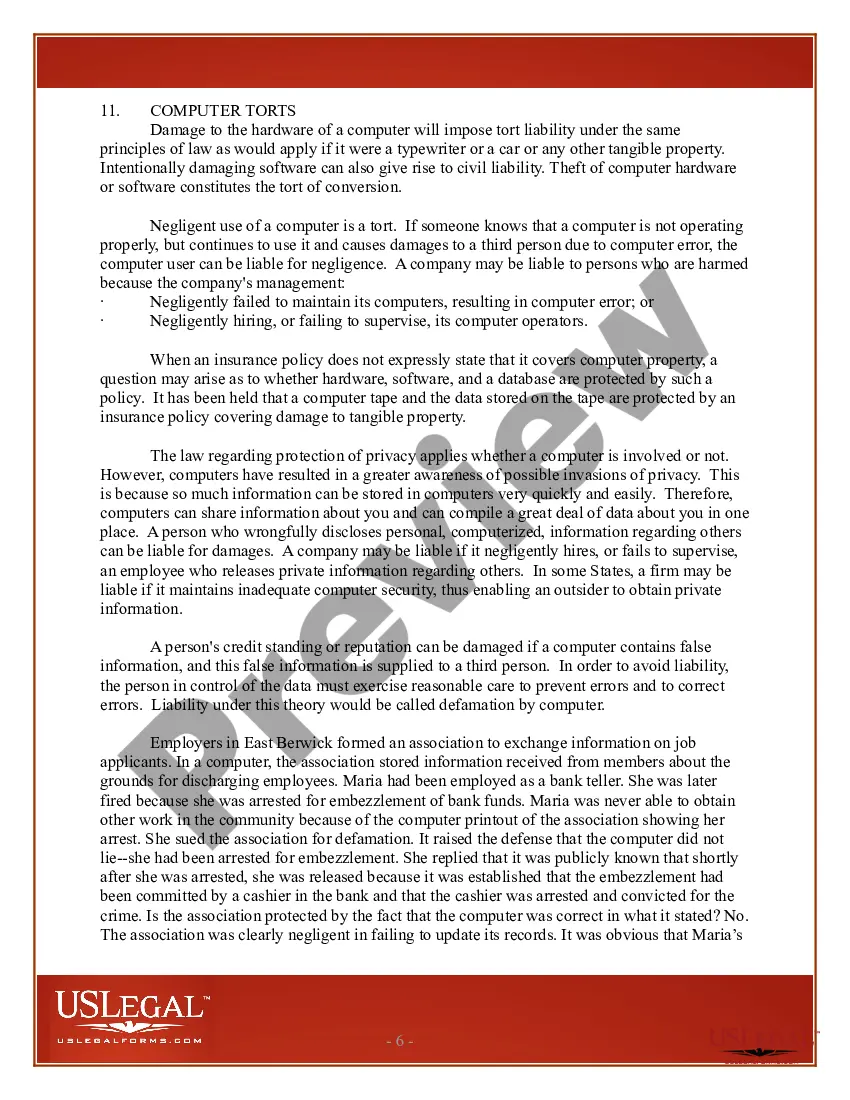
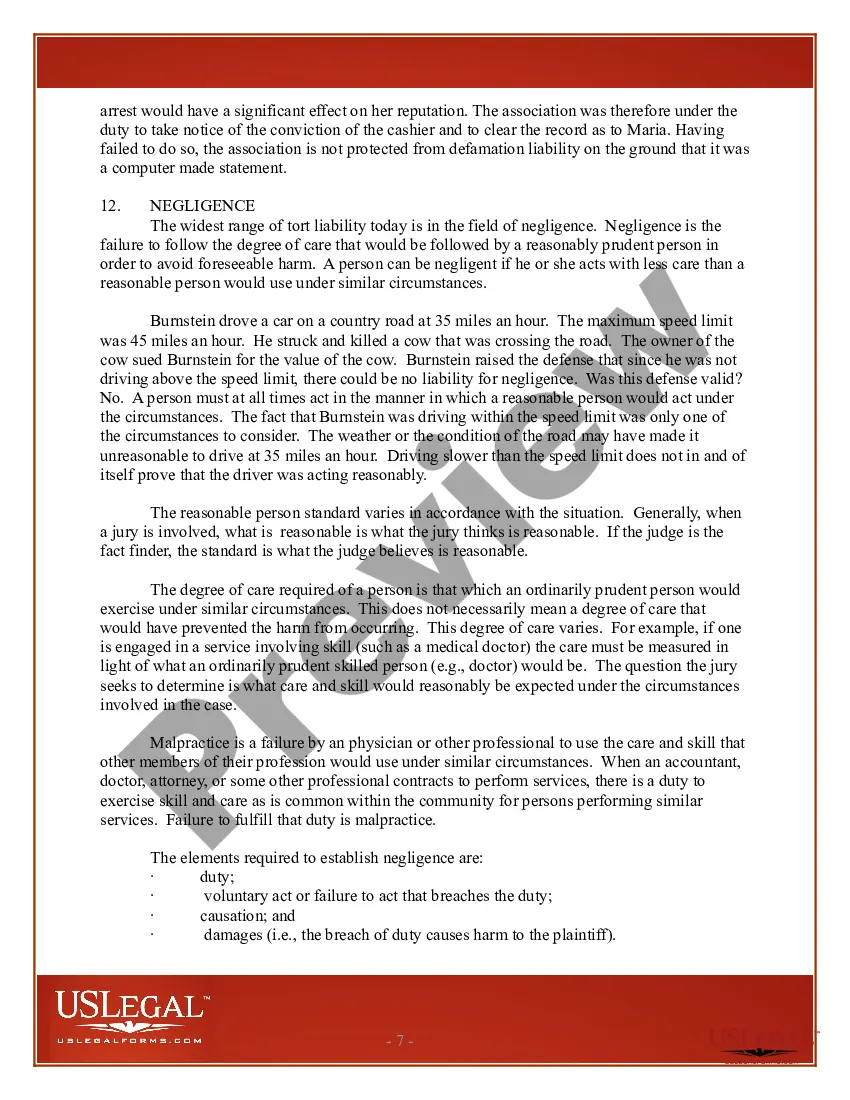
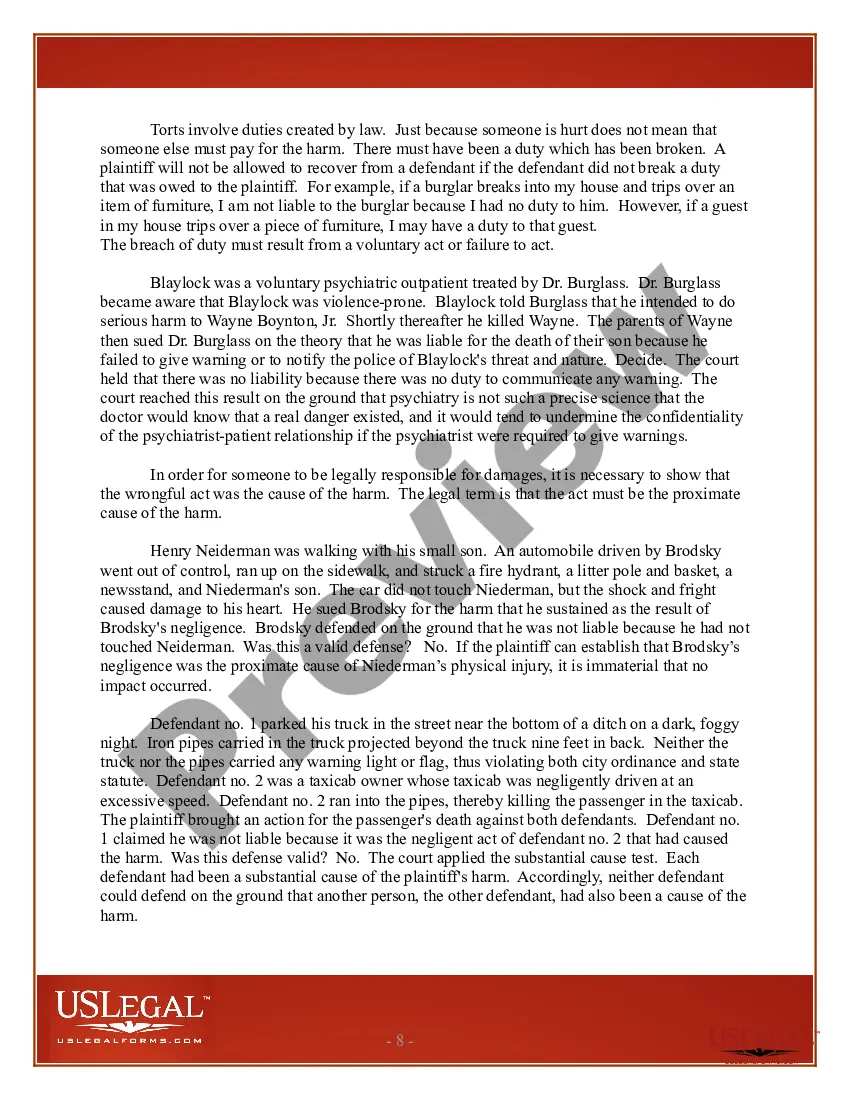
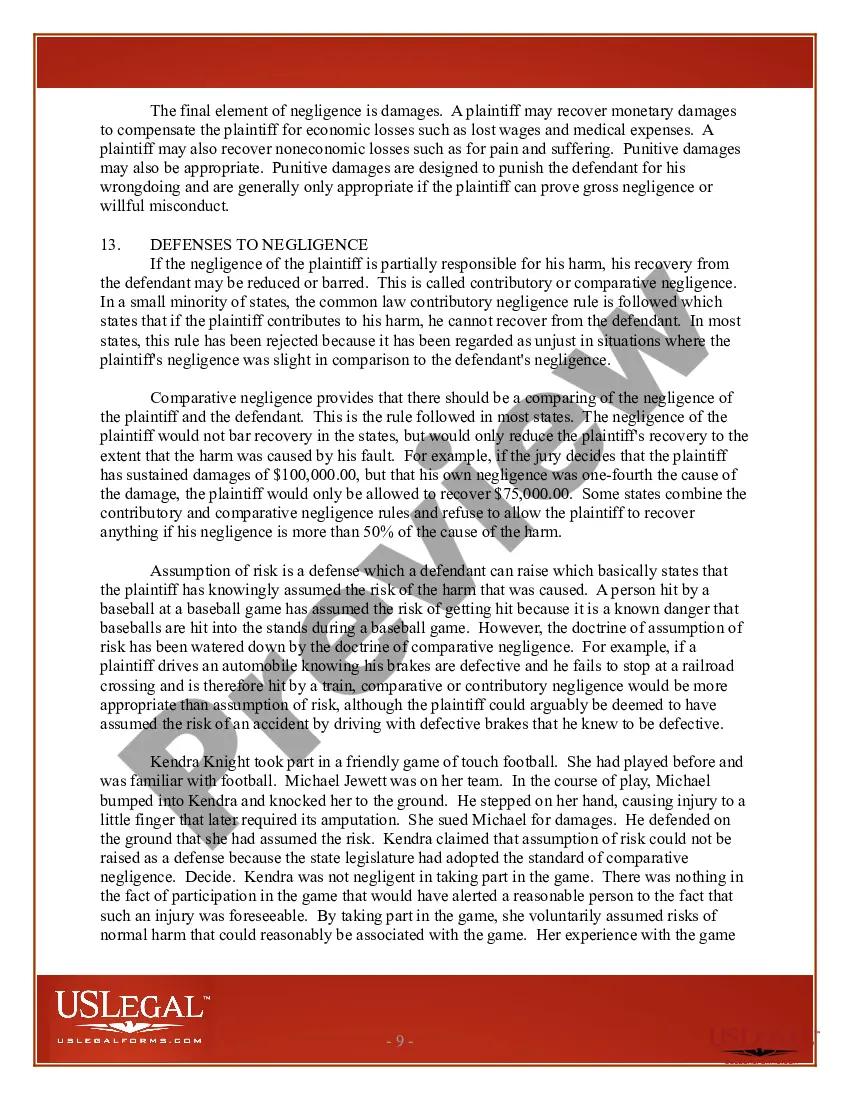
A principal can also be held vicariously liable - or indirectly liable - for their agent's tortious conduct. In this context, the agent is not acting with actual authority when committing the tort, so it is not as if the principal itself committed the tort.
This is especially true if the third party is made aware of the agent's authority limitations. In this situation, the third party may still attempt to sue the principal for any damages caused. However, the principal can then turn around and sue the agent to recover any damages caused.
A principal can be directly liable for the agent's actions when the agent is acting with actual or true authority on the principal's behalf, or the agent's conduct is ratified by the principal. Restatement (3d) of the Law of Agency, § 7.03; Restatement (3d) of the Law of Agency, § 7.04; Court Opinions.
A principal can be held directly liable for an agent's torts when: The principal gave faulty instructions to the agent. The principal negligently hired the agent. The principal failed to properly supervise the agent.
Agent owes the principal five duties: performance, notification, loyalty, obedience, and accounting. (631).
An agent is not generally liable for contracts made; the principal is liable. But the agent will be liable if he is undisclosed or partially disclosed, if the agent lacks authority or exceeds it, or, of course, if the agent entered into the contract in a personal capacity.
Similarly, if the agent or principal loses capacity to enter into an agency relationship, it is suspended or terminated. The agency terminates if its purpose becomes illegal. Even though authority has terminated, whether by action of the parties or operation of law, the principal may still be subject to liability.
A principal can be held directly liable for their agent's tortious conduct when their agent is acting with actual or true authority on the principal's behalf.
No person can be held liable in tort unless the act or omission with which he or she is charged was a breach of a duty owing by that person to the plaintiff or to a class to which the plaintiff belongs, and the plaintiff has suffered individual damage therefrom.
