Tort Negligence Liability For Dummies In Pennsylvania
Description

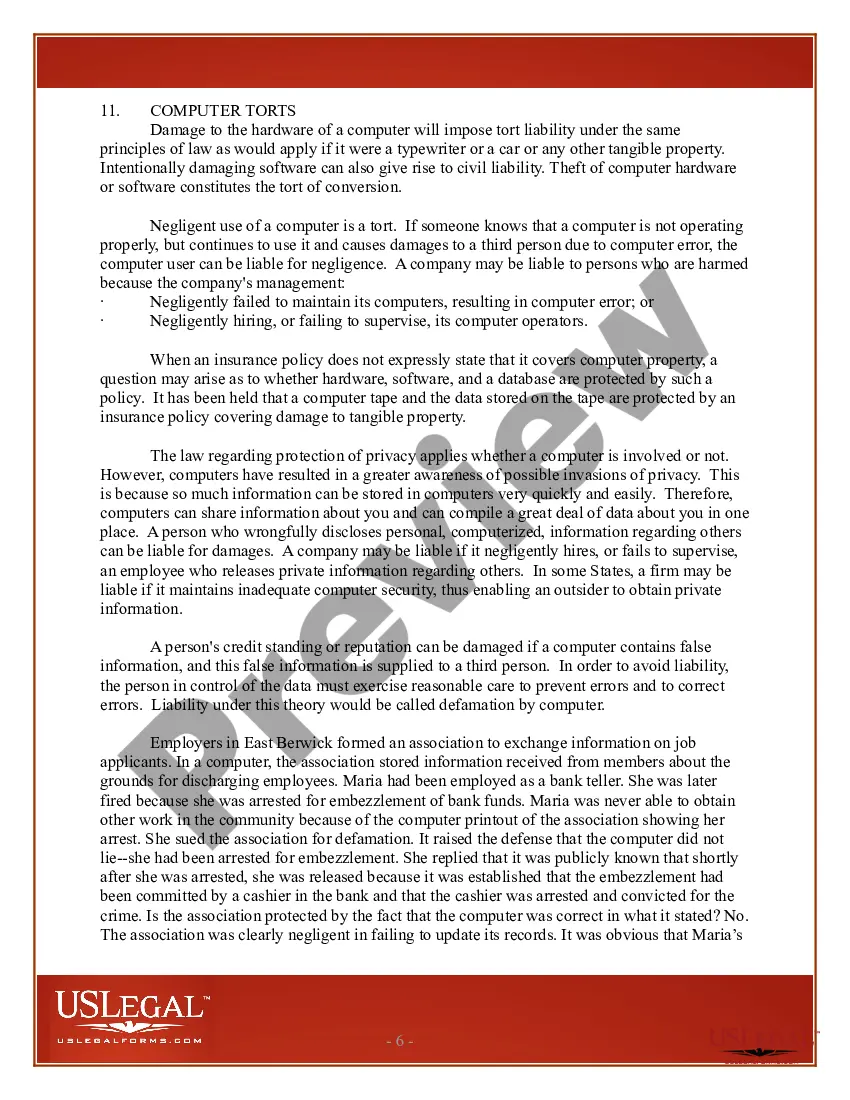
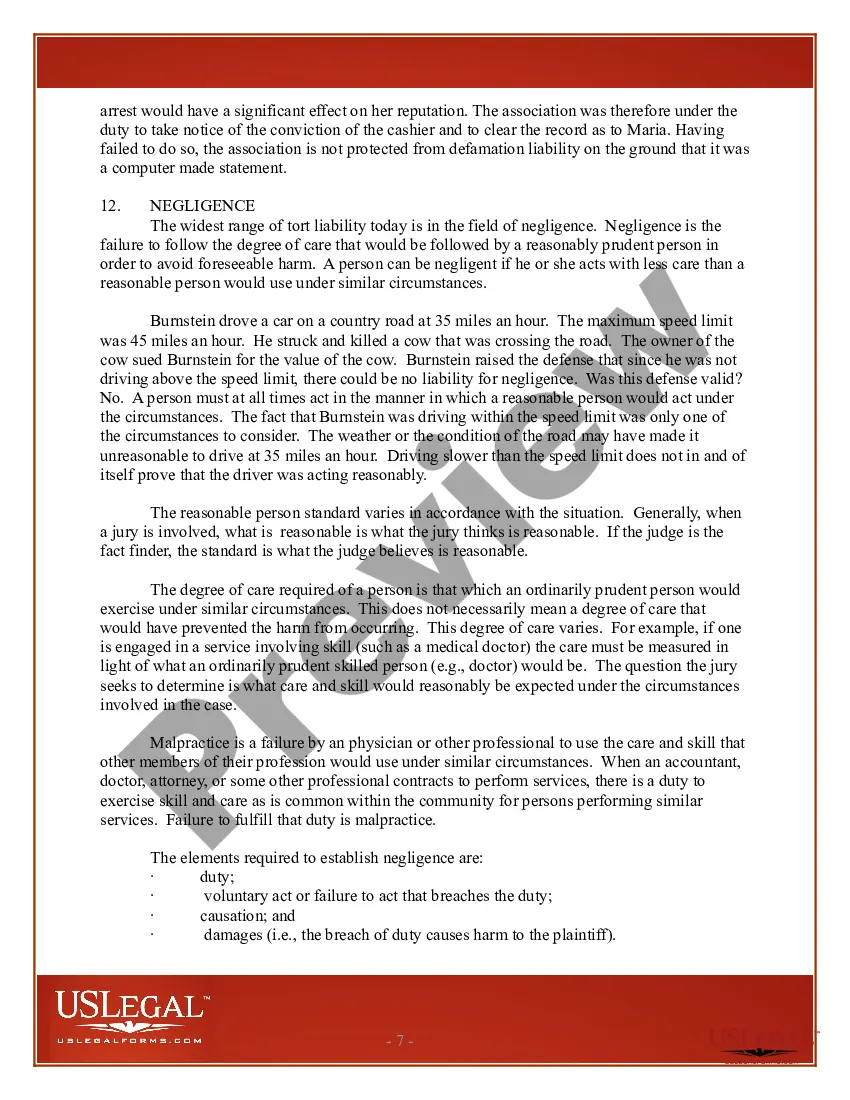
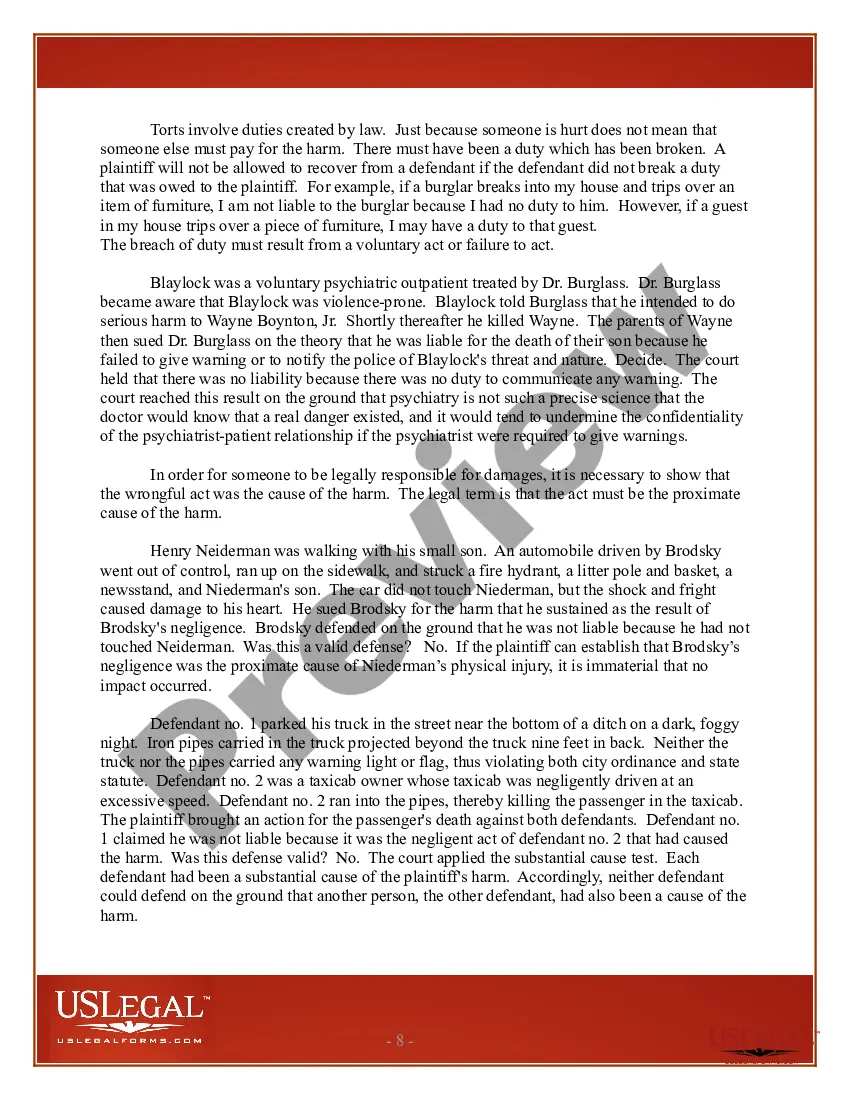
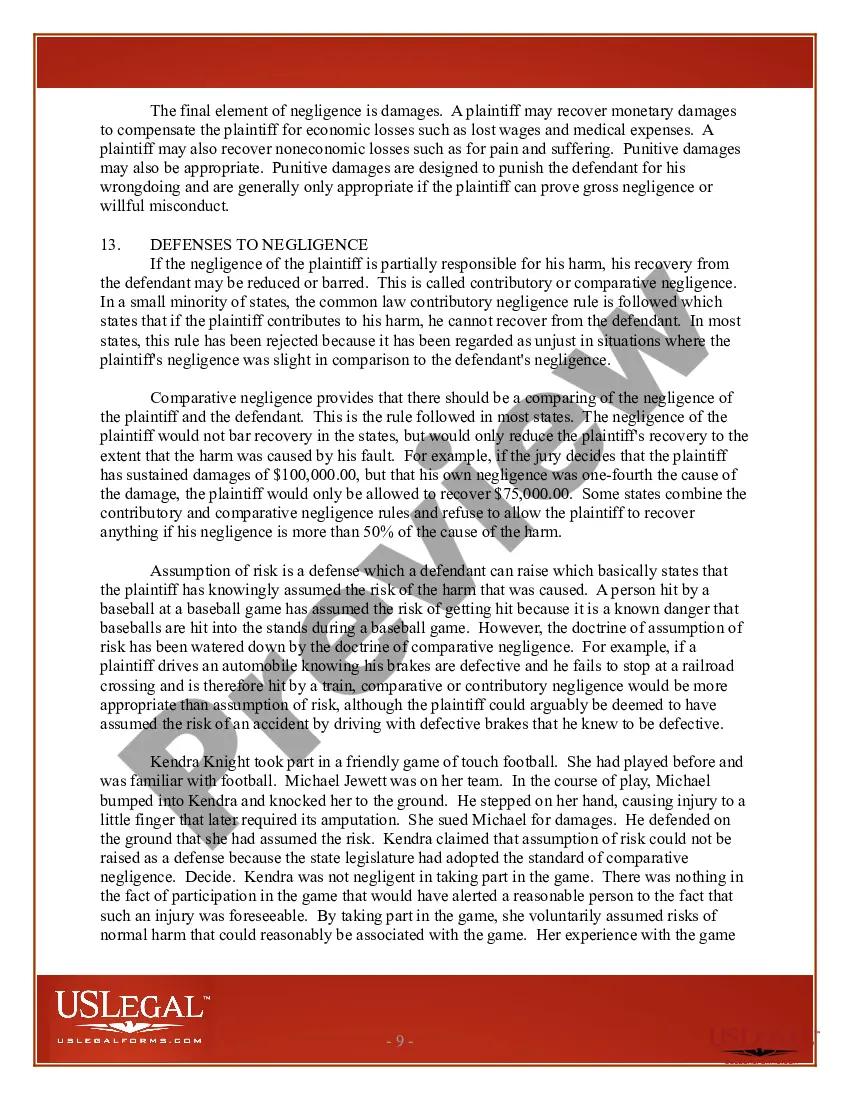




Get your form ready online
Our built-in tools help you complete, sign, share, and store your documents in one place.
Make edits, fill in missing information, and update formatting in US Legal Forms—just like you would in MS Word.
Download a copy, print it, send it by email, or mail it via USPS—whatever works best for your next step.
Sign and collect signatures with our SignNow integration. Send to multiple recipients, set reminders, and more. Go Premium to unlock E-Sign.
If this form requires notarization, complete it online through a secure video call—no need to meet a notary in person or wait for an appointment.
We protect your documents and personal data by following strict security and privacy standards.

Make edits, fill in missing information, and update formatting in US Legal Forms—just like you would in MS Word.

Download a copy, print it, send it by email, or mail it via USPS—whatever works best for your next step.

Sign and collect signatures with our SignNow integration. Send to multiple recipients, set reminders, and more. Go Premium to unlock E-Sign.

If this form requires notarization, complete it online through a secure video call—no need to meet a notary in person or wait for an appointment.

We protect your documents and personal data by following strict security and privacy standards.
Looking for another form?



Form popularity
FAQ
A negligent tort refers to a legal claim or lawsuit brought against an individual or entity for causing harm or injury to another person due to their negligent behavior (See negligence).
4 Elements of Negligence (1) Duty. In plain terms, the “duty” element requires that the defendant owe a legal duty to the plaintiff. (2) Causation. The “causation” element generally relates to whether the defendant's actions hurt the plaintiff. (3) Breach. Breach is simple to explain but difficult to prove. (4) Damages.
These legal elements include a professional duty owed to a patient, breach of duty, proximate cause or causal con- nection elicited by a breach of duty, and resulting in- juries or damages suffered. 1 These 4 elements apply to all cases of negligence regardless of specialty or clin- ician level.
Under the state's modified comparative negligence rules, as long as the plaintiff's contributory negligence is found to be 50% or less at fault for the incident that caused your injury, you are entitled to pursue compensation.
Pennsylvania law states that full tort coverage gives the injury victim an unrestricted right to seek compensation for injuries from the at-fault driver.
The four main types of negligence include: Comparative Negligence. In many cases, both parties can be found partially at fault in an incident. Contributory Negligence. Gross Negligence: This is an egregious, reckless form of negligence that disregards the safety and well-being of others. Vicarious Negligence.
Primary tabs. Negligence is the failure to behave with the level of care that a reasonable person would have exercised under the same circumstances. Either a person's actions or omissions of actions can be found negligent.
The four elements of negligence in Pennsylvania are: Duty of care: The legal requirement to act safely. Breach of duty of care: Failing to meet the duty of care – acting negligently. Proximate cause: The person's negligence causing harm.
If your insurance has “No Threshold” or full tort coverage, you are allowed to sue an at-fault driver who caused your injuries. This can be valuable for obtaining compensation that your insurance does not cover.
A negligence claim requires that the person bringing the claim (the plaintiff) establish four distinct elements: duty of care, breach, causation, and damages.
