Torts Form With Decimals In Michigan
Description





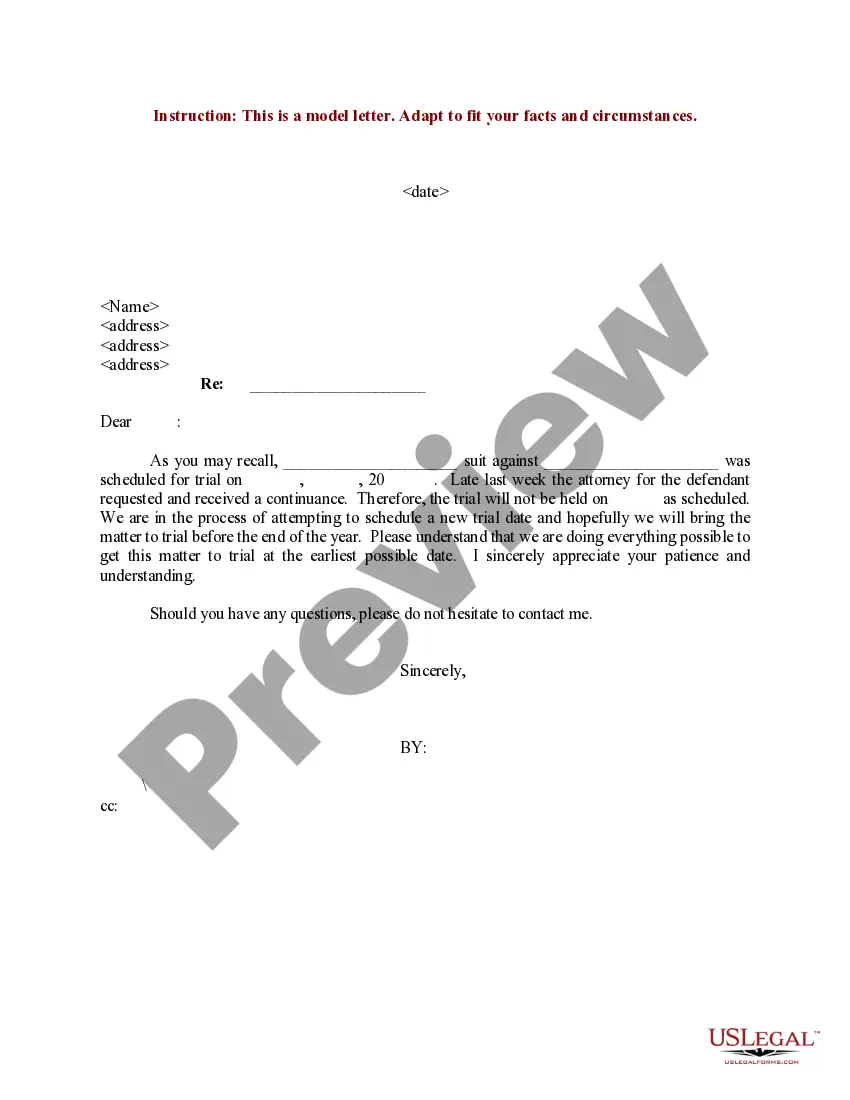
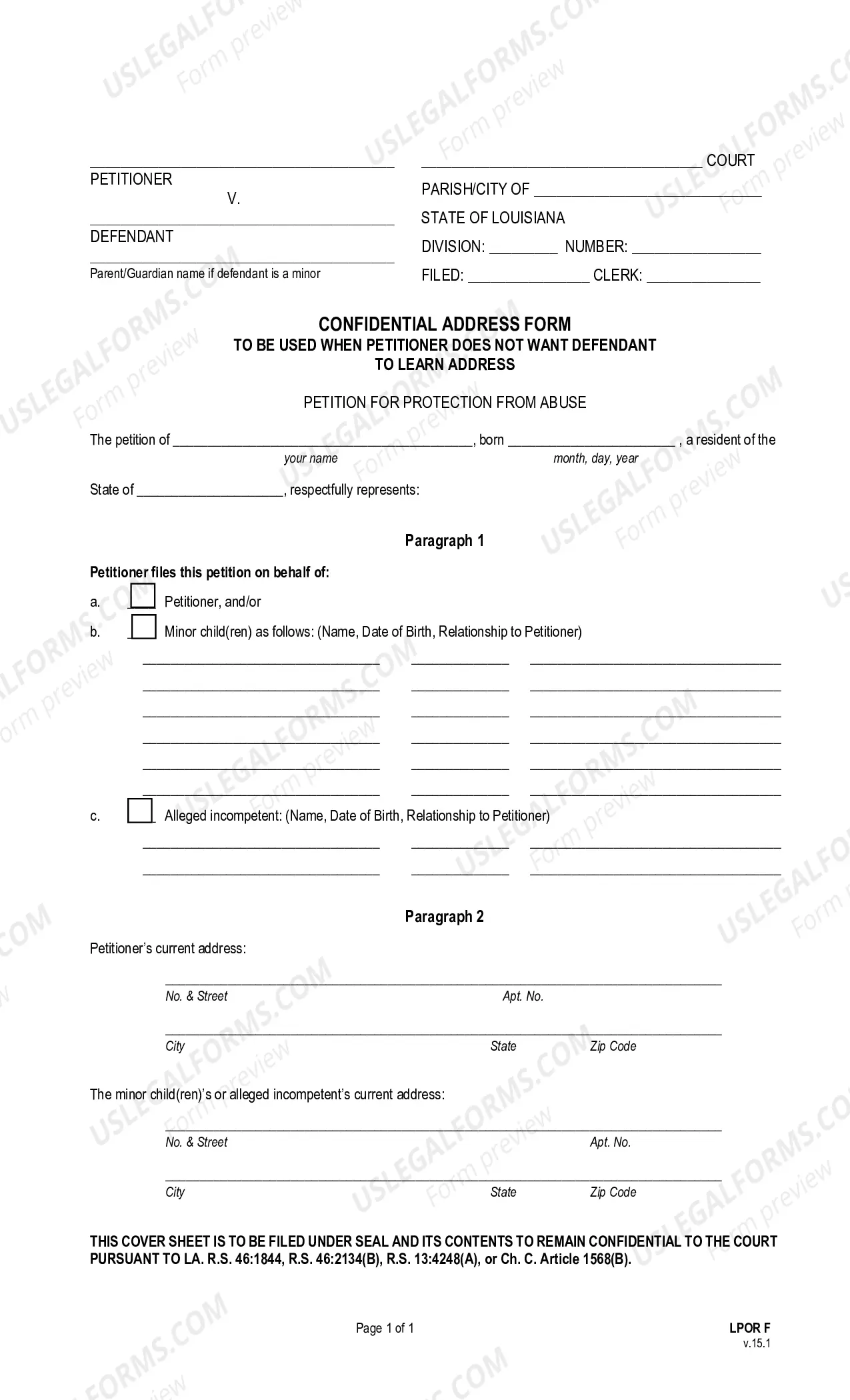
Get your form ready online
Our built-in tools help you complete, sign, share, and store your documents in one place.
Make edits, fill in missing information, and update formatting in US Legal Forms—just like you would in MS Word.
Download a copy, print it, send it by email, or mail it via USPS—whatever works best for your next step.
Sign and collect signatures with our SignNow integration. Send to multiple recipients, set reminders, and more. Go Premium to unlock E-Sign.
If this form requires notarization, complete it online through a secure video call—no need to meet a notary in person or wait for an appointment.
We protect your documents and personal data by following strict security and privacy standards.

Make edits, fill in missing information, and update formatting in US Legal Forms—just like you would in MS Word.

Download a copy, print it, send it by email, or mail it via USPS—whatever works best for your next step.

Sign and collect signatures with our SignNow integration. Send to multiple recipients, set reminders, and more. Go Premium to unlock E-Sign.

If this form requires notarization, complete it online through a secure video call—no need to meet a notary in person or wait for an appointment.

We protect your documents and personal data by following strict security and privacy standards.
Looking for another form?







Form popularity
FAQ
These rules are the “Michigan Court Rules of 1985.” An individual rule may be referred to as “Michigan Court Rule __________,” and cited by the symbol “MCR __________.” For example, this rule may be cited as MCR 1.101.
Case citations generally includes the case name, followed by the reporter volume, the reporter abbreviation, the first page of the case, the specific page for the cited material, and the court abbreviation and date in parentheses (unless the court name is obvious from the reporter abbreviation).
For legislative research, three basic citations are often used: Public Act Year and Number ("P.A.") e.g., P.A. 1962, No. 174 §2315. Michigan Compiled Laws Annotated Number (M.C.L.A.) e.g., §36.31. Bill Number and Year Enacted. e.g., 0102 (1999)
Under Michigan mini tort auto law, victims of auto accidents can only recover a maximum of $3,000 for vehicle damage from the driver who caused the crash. (MCL 500.3135(3)(e)) This is called a mini tort claim.
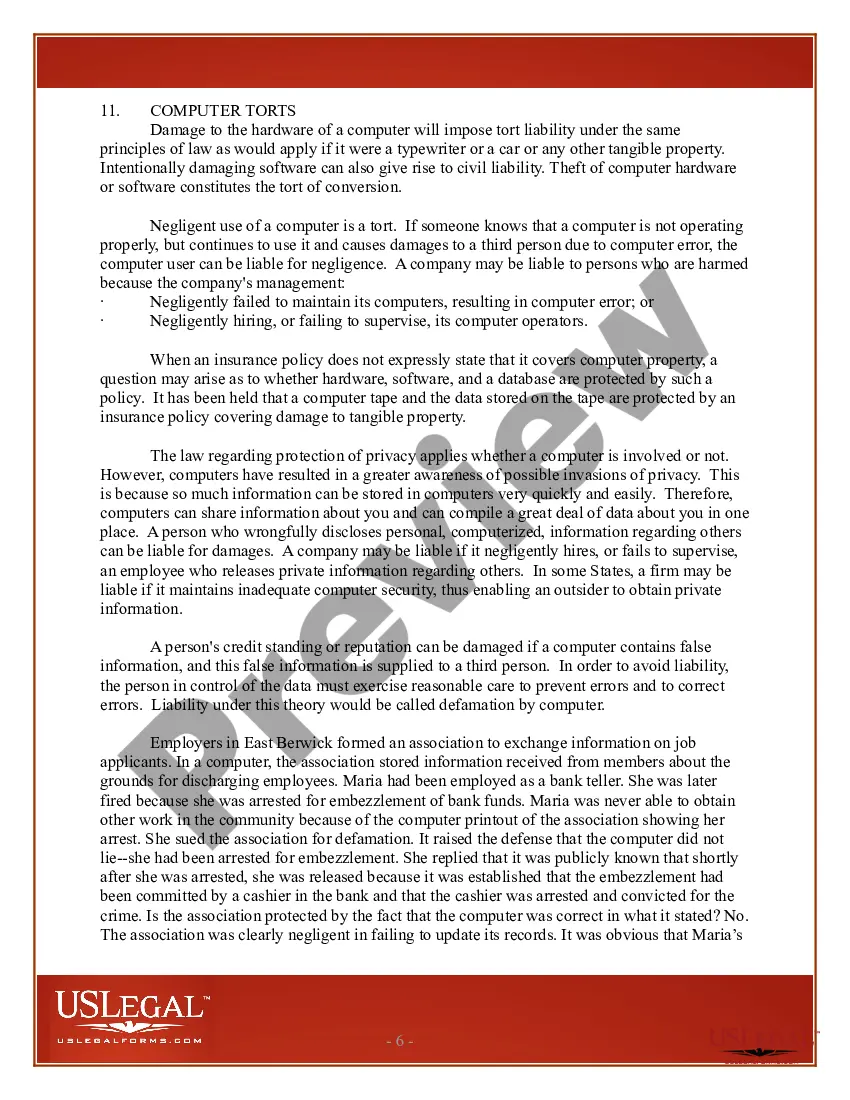
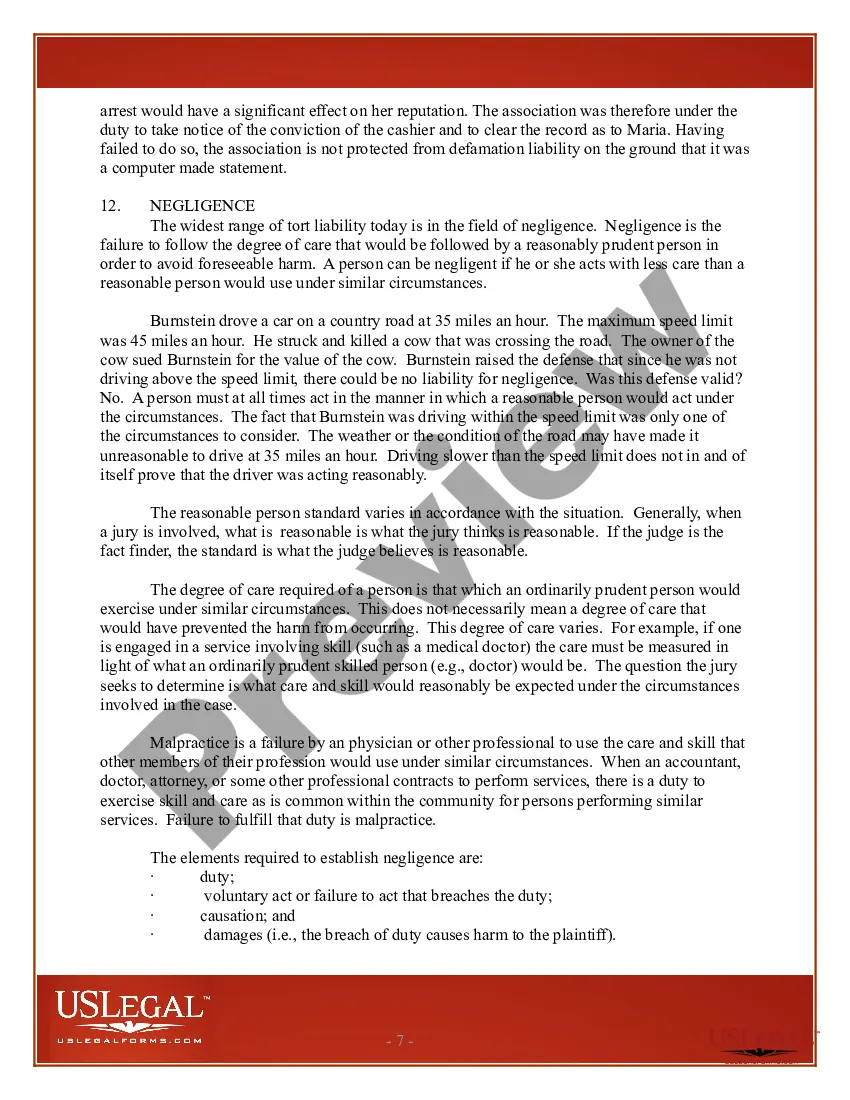
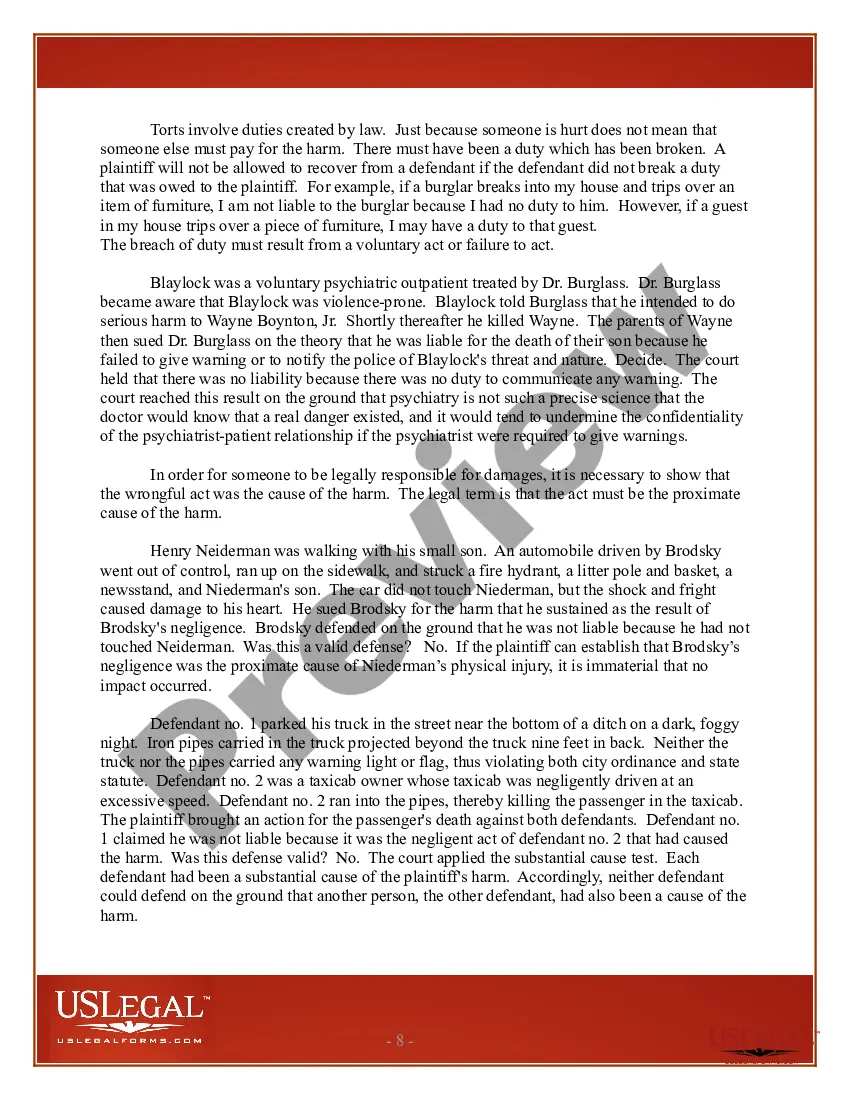
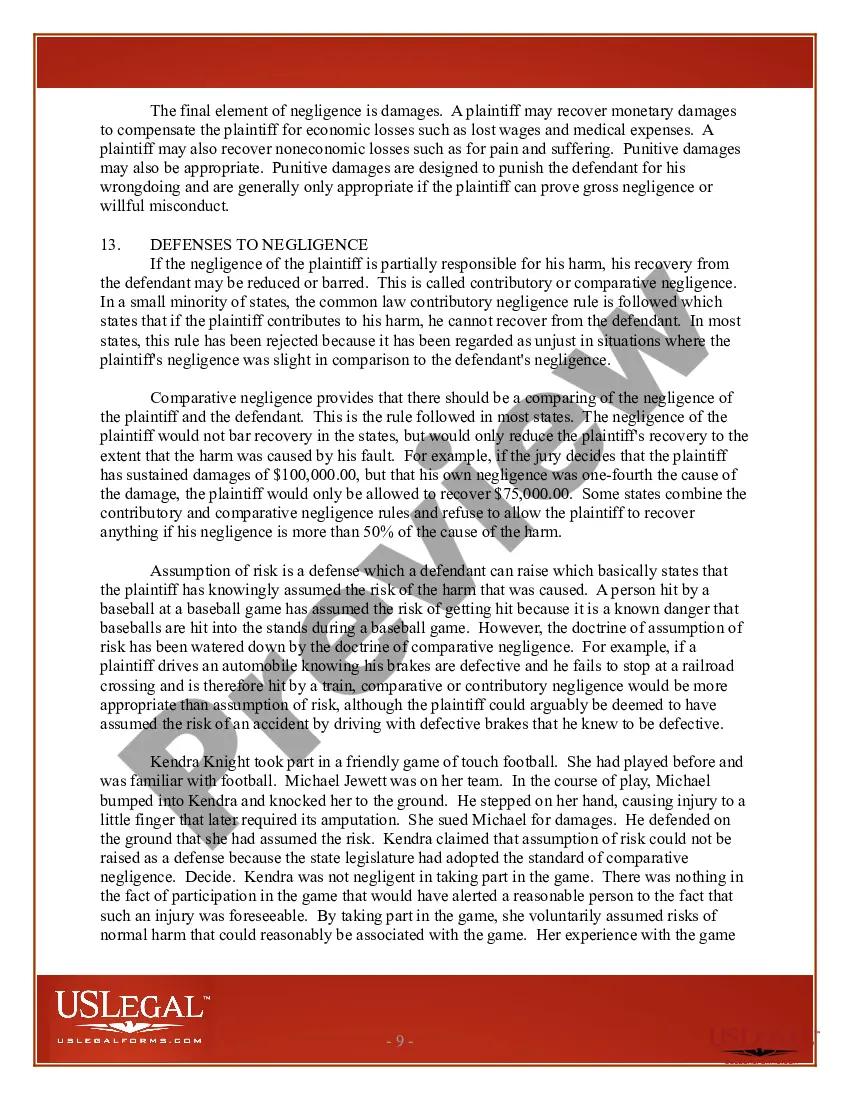
The primary purpose of the Michigan tort law is to compensate individuals who have sustained a personal or financial injury because of the calculated or negligent actions of another party—Mostly because such parties may not be able to obtain fair compensation on their own.
1.101. These rules are the "Michigan Court Rules of 1985." An individual rule may be referred to as "Michigan Court Rule __________," and cited by the symbol "MCR __________." For example, this rule may be cited as MCR 1.101.
For a California statute, give the name of the code and the section number. For example, "Code of Civil Procedure, section 1011" or "Family Code, section 3461." For a federal statute, cite to the United States Code (abbreviated U.S.C.).
Damage to your car (include your license plate where possible in the photo so it can be confirmed that you are the registered/titled owner of the vehicle) The at-fault driver's proof of auto insurance card. The at-fault driver's driver's license. The license plate of the vehicle that the at-fault driver was driving.
The State Court Administrative Office (SCAO) is the administrative agency of the Michigan Supreme Court.