State Bar Form 9-2009 In Contra Costa
Description
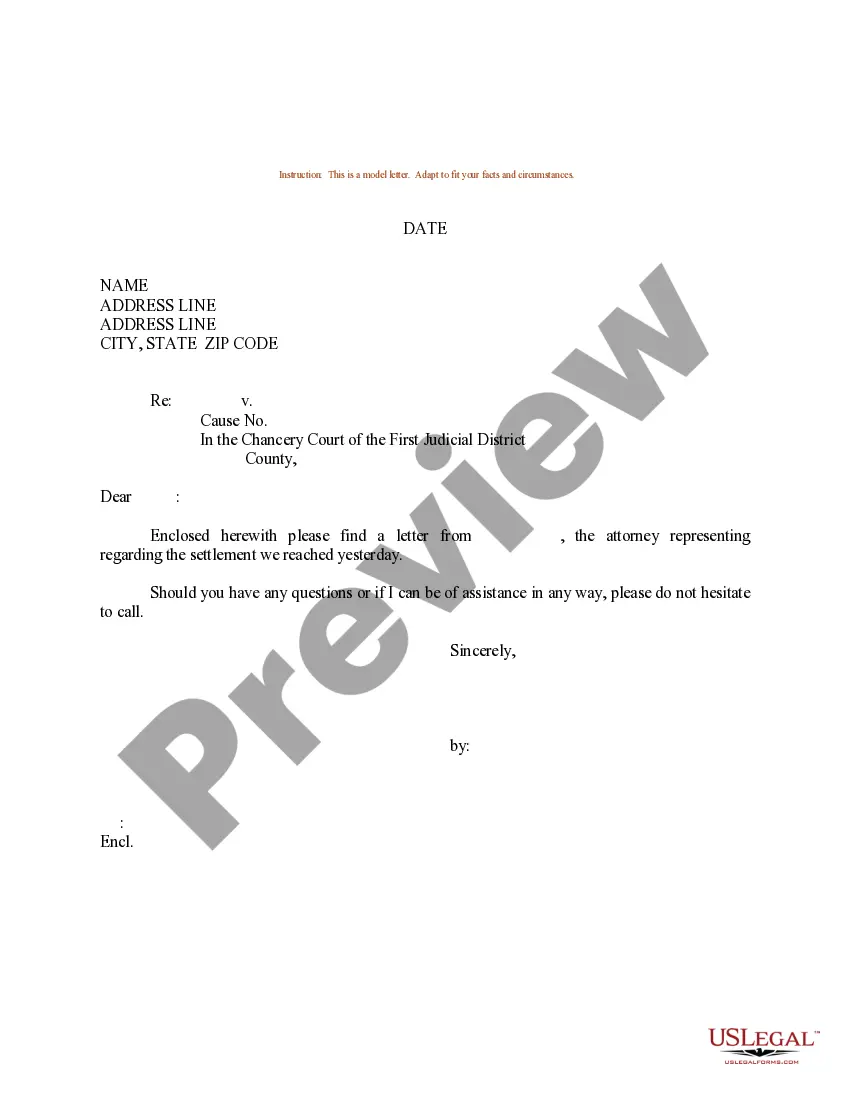
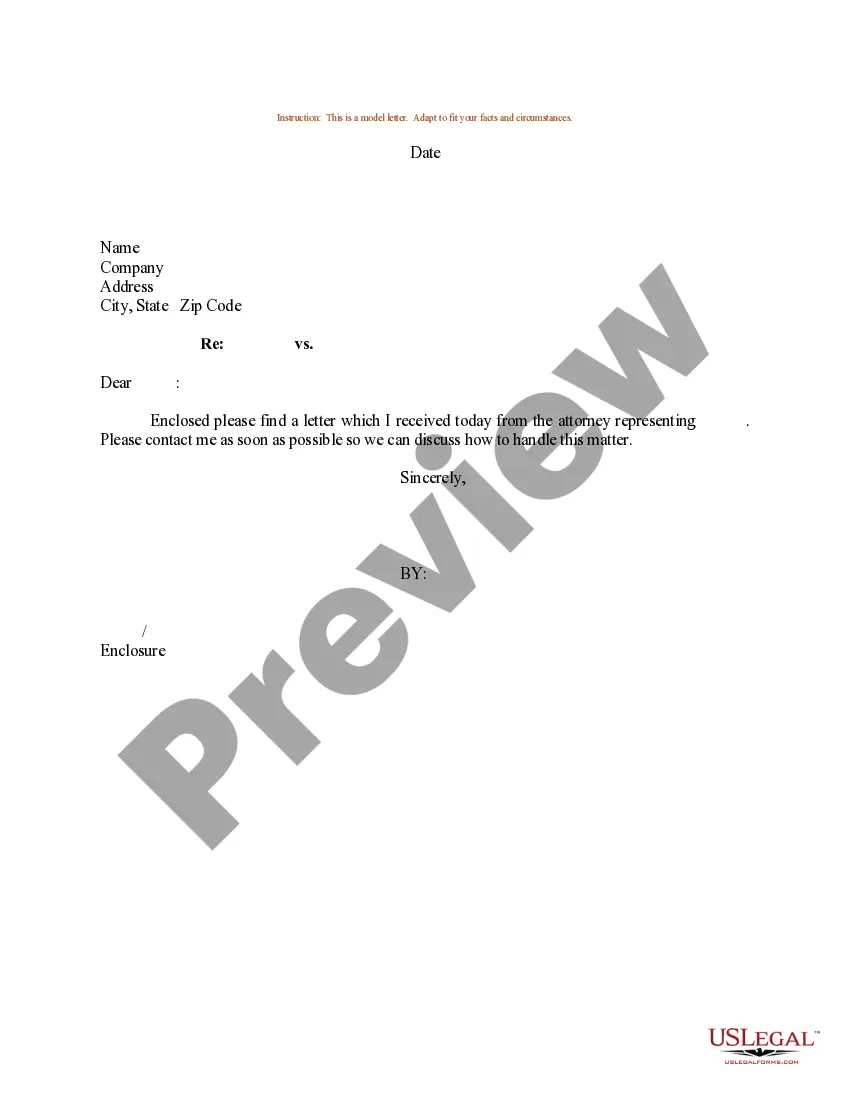
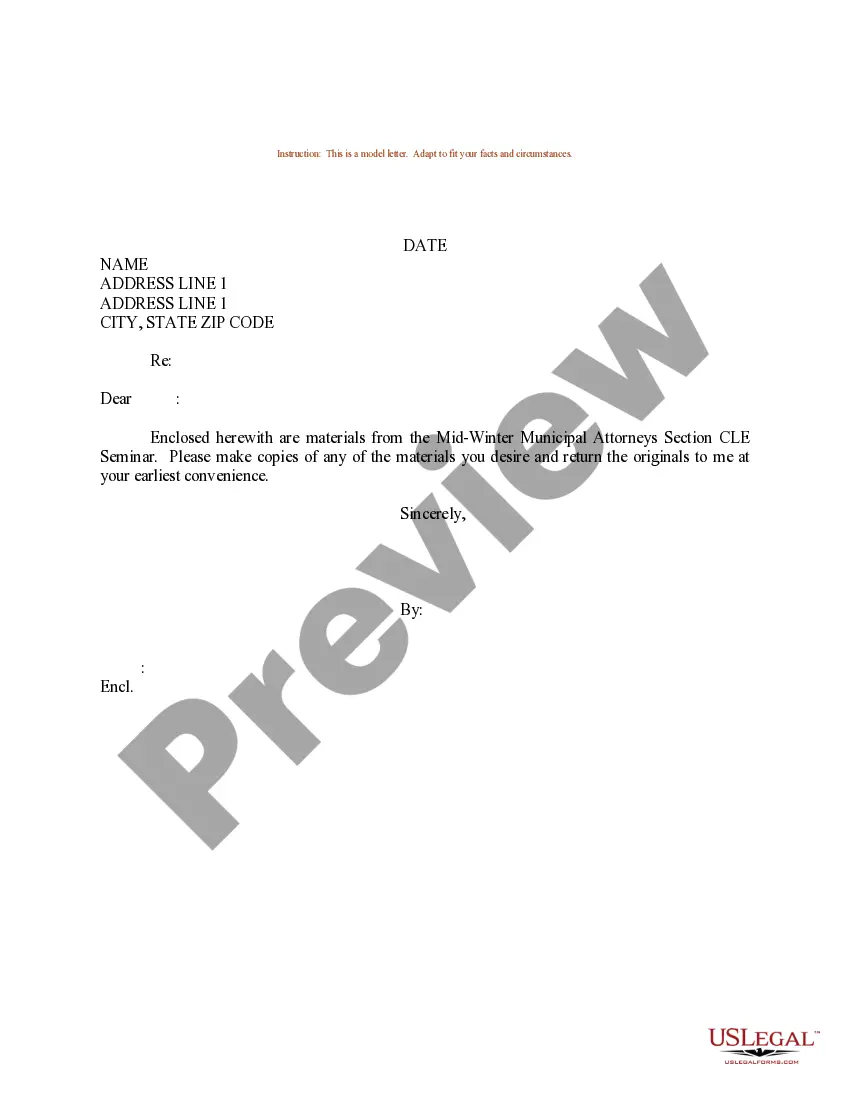
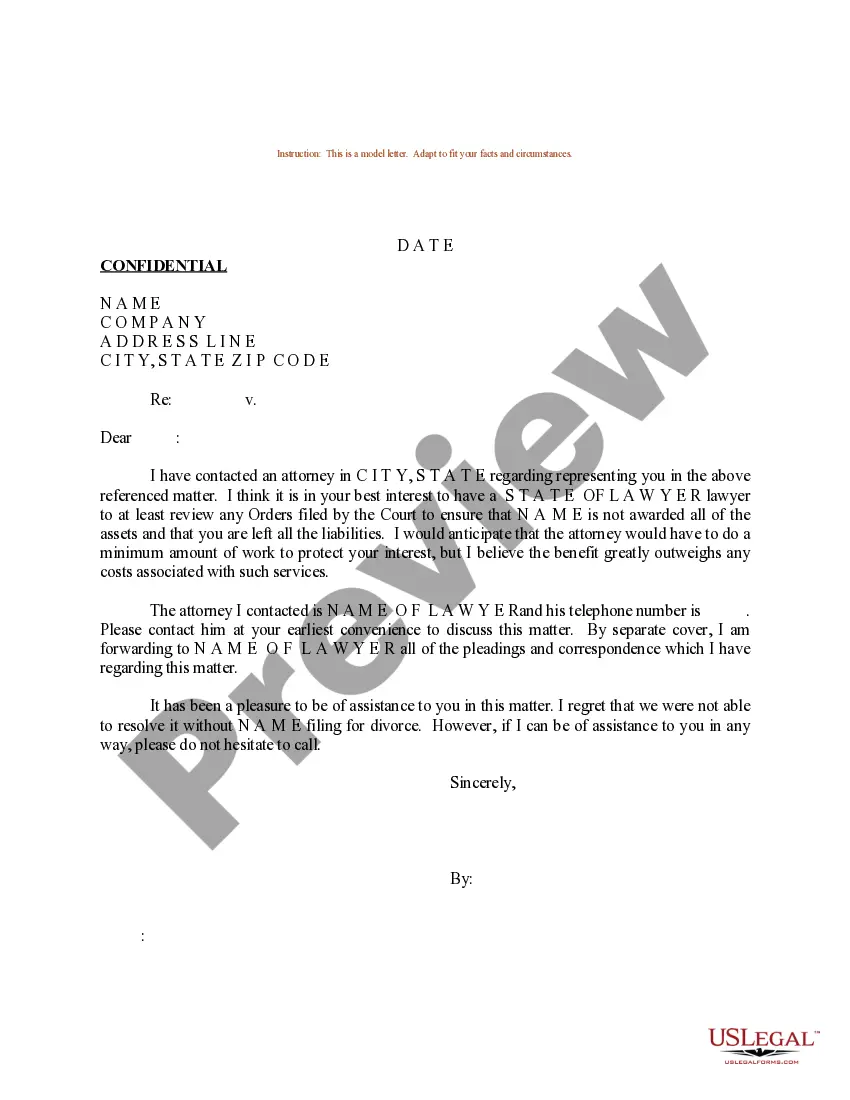
Get your form ready online
Our built-in tools help you complete, sign, share, and store your documents in one place.
Make edits, fill in missing information, and update formatting in US Legal Forms—just like you would in MS Word.
Download a copy, print it, send it by email, or mail it via USPS—whatever works best for your next step.
Sign and collect signatures with our SignNow integration. Send to multiple recipients, set reminders, and more. Go Premium to unlock E-Sign.
If this form requires notarization, complete it online through a secure video call—no need to meet a notary in person or wait for an appointment.
We protect your documents and personal data by following strict security and privacy standards.

Make edits, fill in missing information, and update formatting in US Legal Forms—just like you would in MS Word.

Download a copy, print it, send it by email, or mail it via USPS—whatever works best for your next step.

Sign and collect signatures with our SignNow integration. Send to multiple recipients, set reminders, and more. Go Premium to unlock E-Sign.

If this form requires notarization, complete it online through a secure video call—no need to meet a notary in person or wait for an appointment.

We protect your documents and personal data by following strict security and privacy standards.
Looking for another form?








Form popularity
FAQ
To be eligible to take the California Bar Examination, you should have completed at least two years of college before beginning your law studies or passed certain specified College Level Equivalency Program examinations.
In California, qualified applicants can take the bar exam without going to law school. Most law schools require a college degree, but some may only ask for equivalent course work, and some law schools focus on your legal interest and life experiences and not on your grades or LSAT scores.
If you are a qualified lawyer in your home jurisdiction, you can sit for the California Bar Exam. You still have some other requirements to fulfill, but your foreign license is a shortcut in the application process. If you have a law degree but are not licensed, you may qualify to sit for the bar if you complete an LL.
California was one of the first states to unify its bar (1927). A unified, or integrated bar, means simply that membership is mandatory for all attorneys who are licensed to practice law in the state.
You can only take the bar exam without going to law school in a few states, and each state has its own rules about the exact requirements to take the bar. States that let you take the bar exam without going to law school include: California.
The State Bar of California's Committee of Bar Examiners on Friday voted 8-3 to allow bar takers to sit for the exam remotely or in test centers located in other states or countries—provided they take it at the same time as those in California to reduce the risk of cheating.
Under the supervision of the Supreme Court of California, the State Bar's Committee of Bar Examiners is responsible for developing, administering, and grading the California Bar Exam and the First-Year Law Students' Exam.
Transition Away from the MBE: Starting in 2025, California will no longer use the National Conference of Bar Examiners' (NCBE) Multistate Bar Examination (MBE) for its multiple-choice component. Instead, Kaplan will develop new multiple-choice questions specific to California.
The State Bar does not have a retired status option; the only voluntary statuses are active, inactive, or resigned. If you simply stop paying annual fees, your license will be suspended. Notification of retirement is also not sufficient to change your status.
Yes, the California bar exam is widely considered to be the most difficult of all state bar exams in the US. The California bar exam has a pass rate of 34%.

