Aoa Forms Rental Agreement With Tenants In Wayne
Description

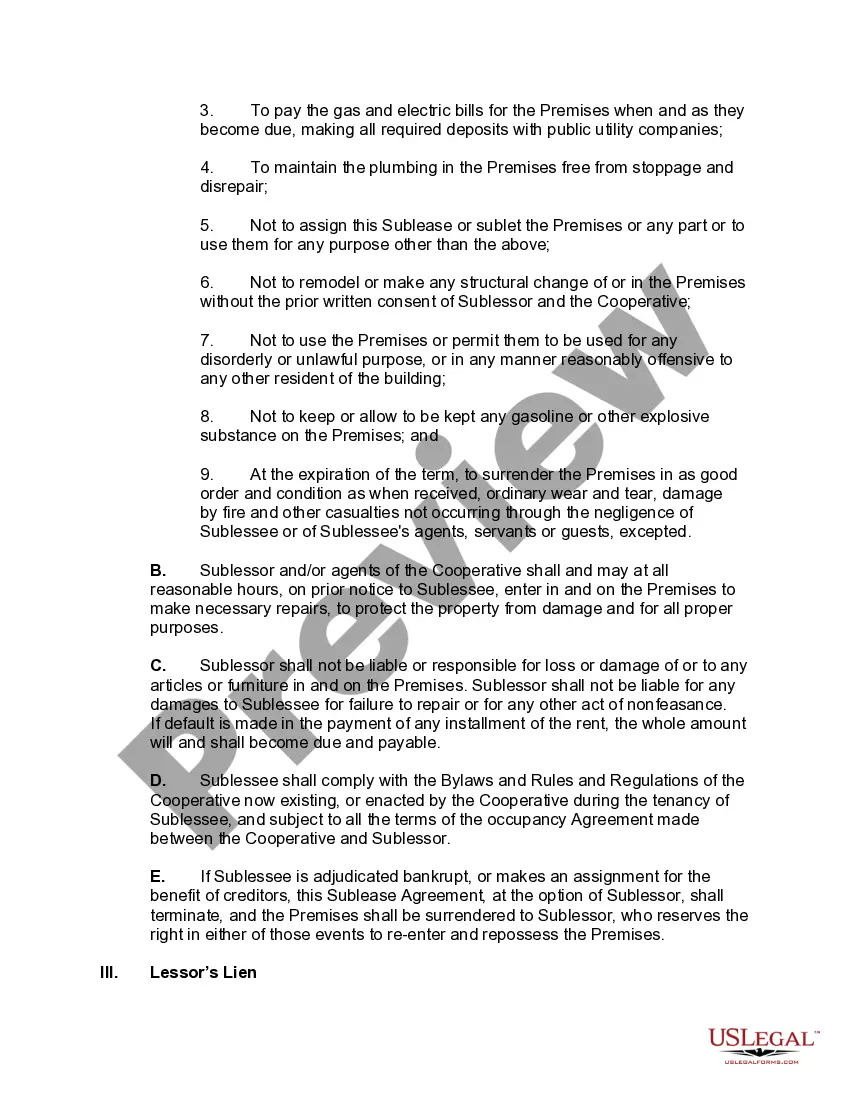
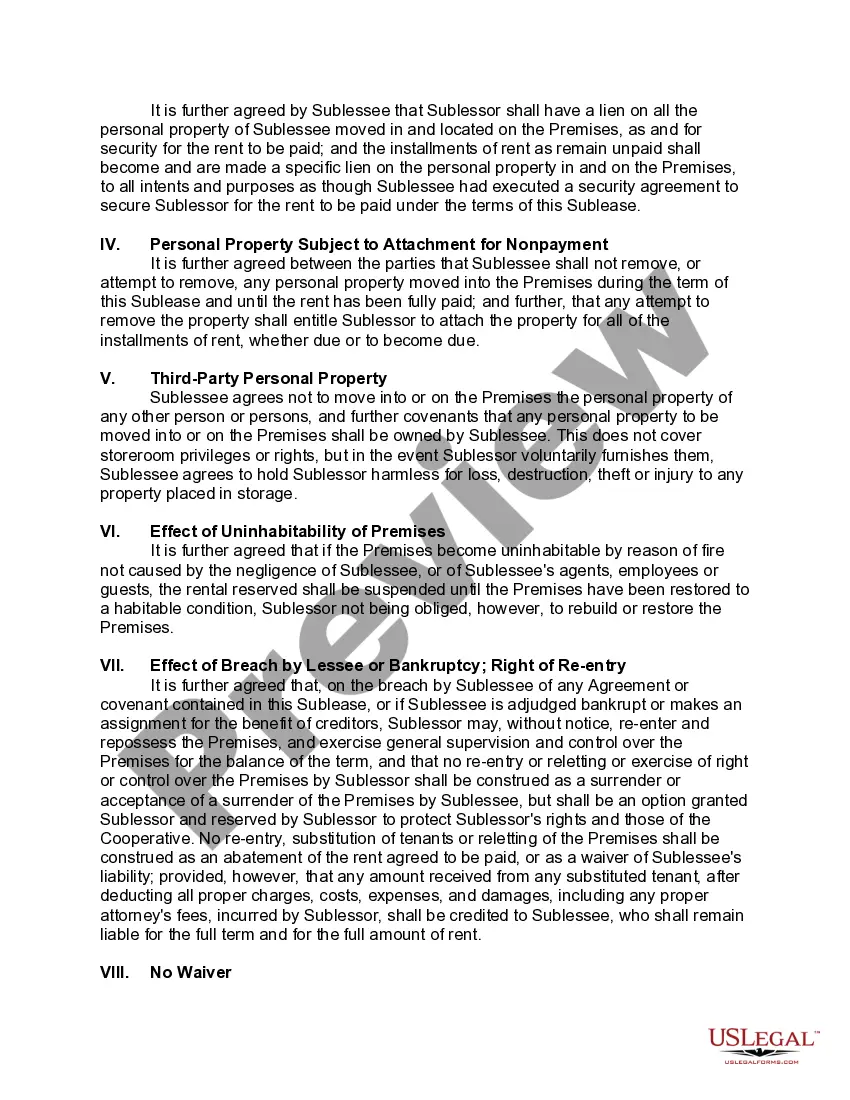
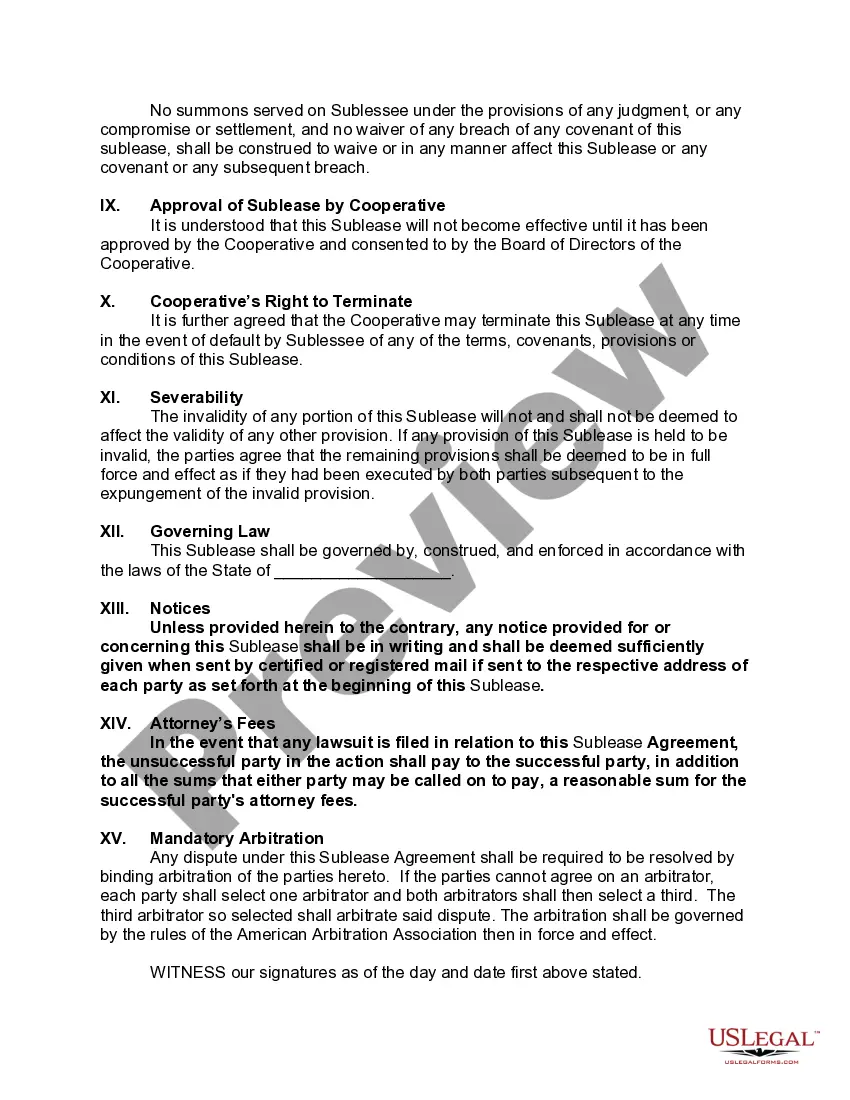
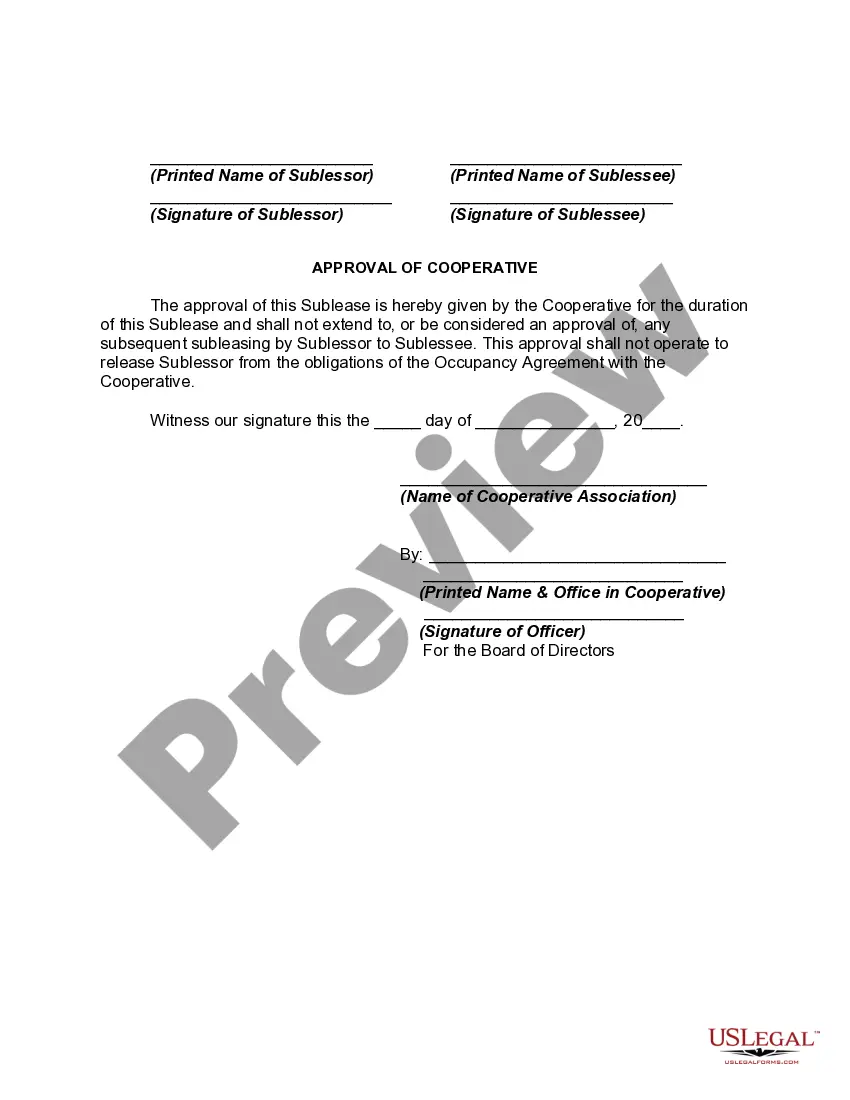

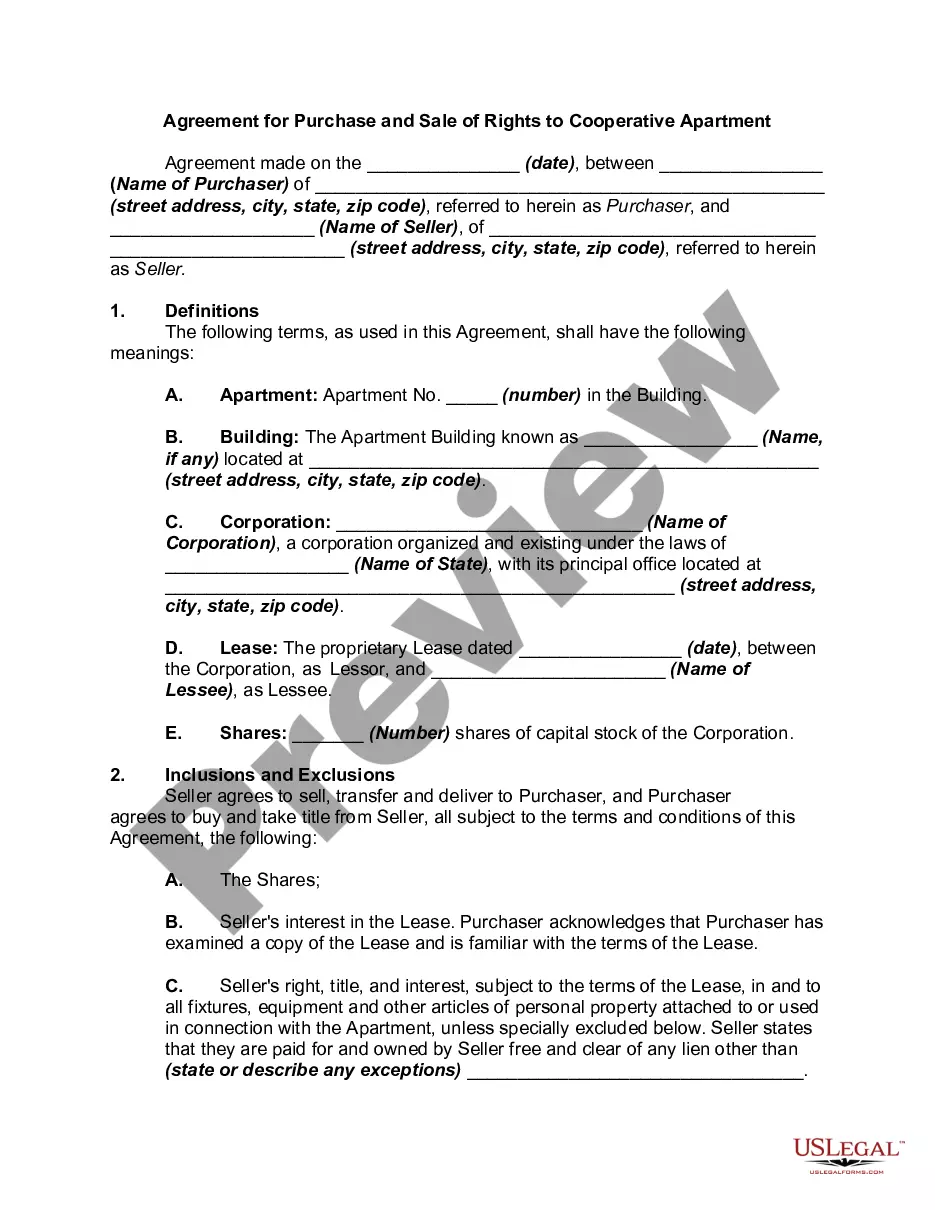
Get your form ready online
Our built-in tools help you complete, sign, share, and store your documents in one place.
Make edits, fill in missing information, and update formatting in US Legal Forms—just like you would in MS Word.
Download a copy, print it, send it by email, or mail it via USPS—whatever works best for your next step.
Sign and collect signatures with our SignNow integration. Send to multiple recipients, set reminders, and more. Go Premium to unlock E-Sign.
If this form requires notarization, complete it online through a secure video call—no need to meet a notary in person or wait for an appointment.
We protect your documents and personal data by following strict security and privacy standards.

Make edits, fill in missing information, and update formatting in US Legal Forms—just like you would in MS Word.

Download a copy, print it, send it by email, or mail it via USPS—whatever works best for your next step.

Sign and collect signatures with our SignNow integration. Send to multiple recipients, set reminders, and more. Go Premium to unlock E-Sign.

If this form requires notarization, complete it online through a secure video call—no need to meet a notary in person or wait for an appointment.

We protect your documents and personal data by following strict security and privacy standards.
Looking for another form?
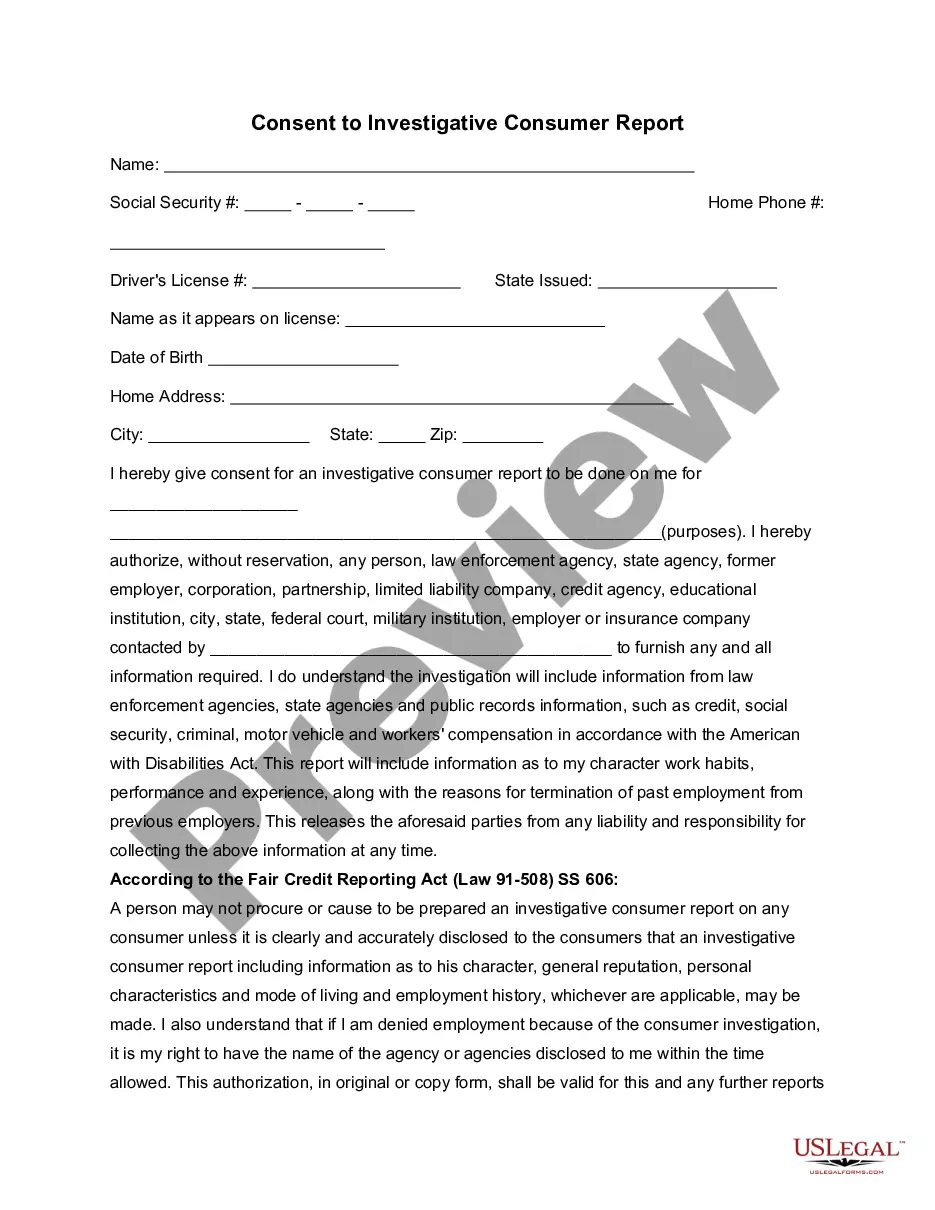





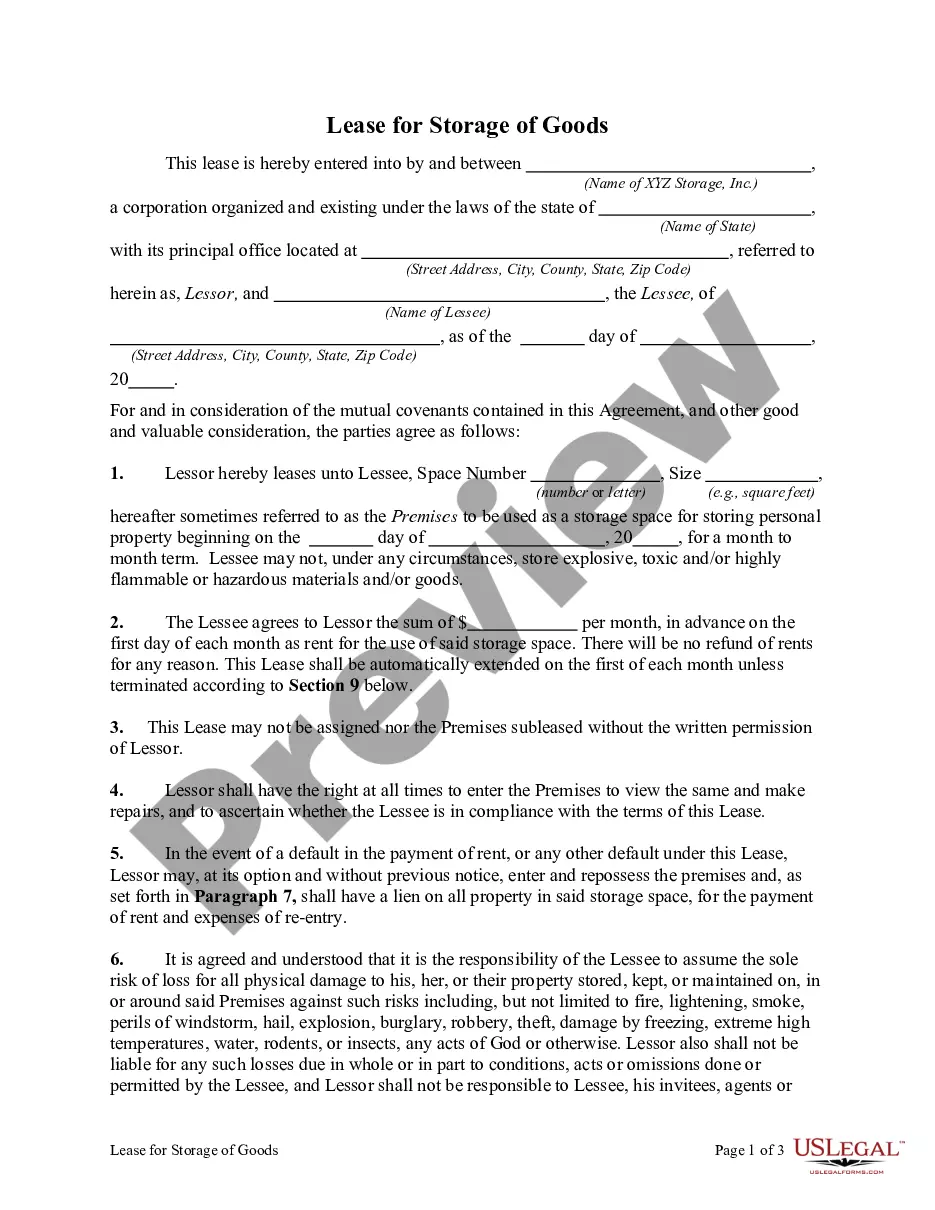

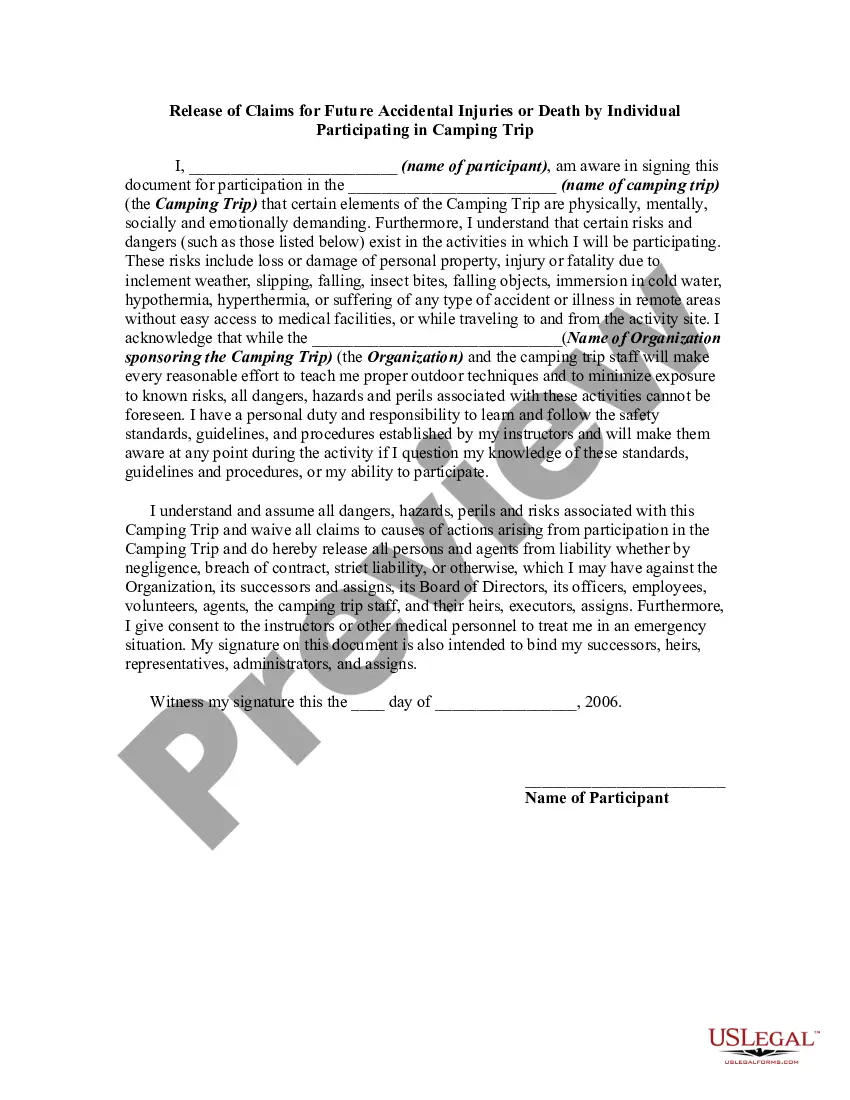
Form popularity
FAQ
Here's a list of standard fields that you should include in your lease agreement: Tenant information. Include each tenant's full name and contact information. Rental property description. Security deposit. Monthly rent amount. Utilities. Lease term. Policies. Late fees.
Lease agreements are a contract. But you don't necessarily need to hire a lawyer to write good lease agreements, you can do it yourself. But you're a first-time landlord or simply don't have the time to write a lease, you can hire a property management company to do it for you.
What Is a Leasing Agent? Leasing agents, on the other hand, work for a property owner or property management company. They still help renters find a home and sign a lease, but they're typically limited to the properties owned by a single owner.
The rental lease agreement is a formal contract between a tenant and a property owner, or a representative of the owner, like a property manager, outlining the terms and conditions for living at a rental property in exchange for rent. In order for a lease agreement to be valid, both parties must sign the contract.
A tenant and a landlord each sign a lease agreement detailing their respective responsibilities. When signed, this contract is in its executory stage. Once the obligations of each party are fulfilled by the end of the lease period (unless there is a breach of contract), the contract is fully executed.
Technically, any attorney can help with lease agreements, whether they're residential or commercial in nature. However, it goes without saying that it's in your best interests to hire a lawyer with experience in the field of real estate law.
A change of terms would require the approval of both parties (landlord and tenant). Some leases do contain a clause allowing the landlord to change the terms, but these are usually not true leases. If your agreement has a similar clause than either party may change the terms by giving notice.
Once you have a clear idea of what you want and what your lease allows, you should communicate with your landlord in a respectful and professional manner. You should explain your situation and your reasons for renegotiating, and present your proposal in a way that shows how it can benefit both parties.
Who Can Amend the Lease? When a landlord and tenant sign a lease agreement it forms a legally binding contract. The lease cannot be altered except through another written agreement signed by both parties unless the original lease specifically gives a party the power to change something on their own.
What to include in an apartment lease agreement. Tenant information. Include each tenant's full name and contact information. Rental property description. List the apartment's location, all common areas, parking spaces, and included facilities. Security deposit. Monthly rent amount. Utilities. Lease term. Policies. Late fees.
