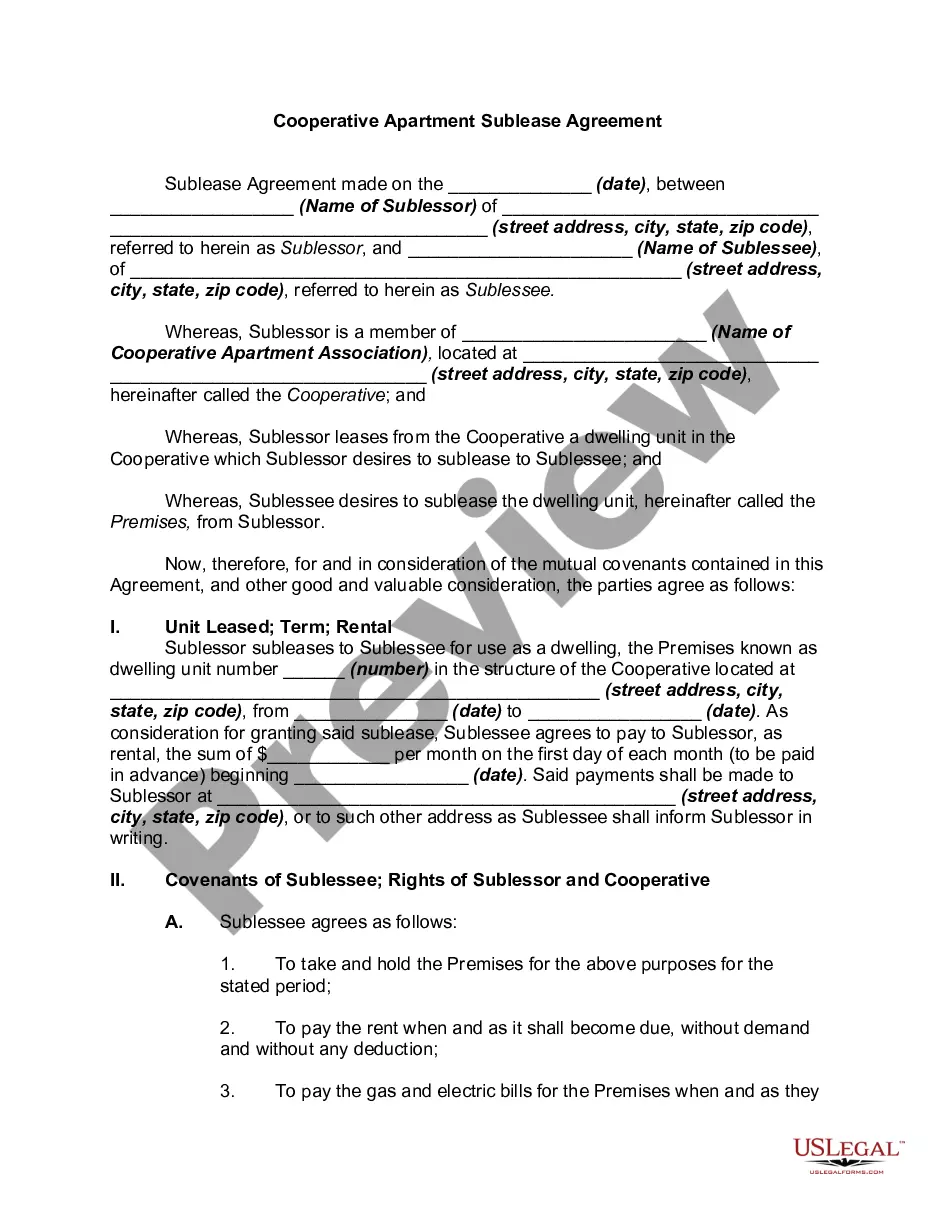
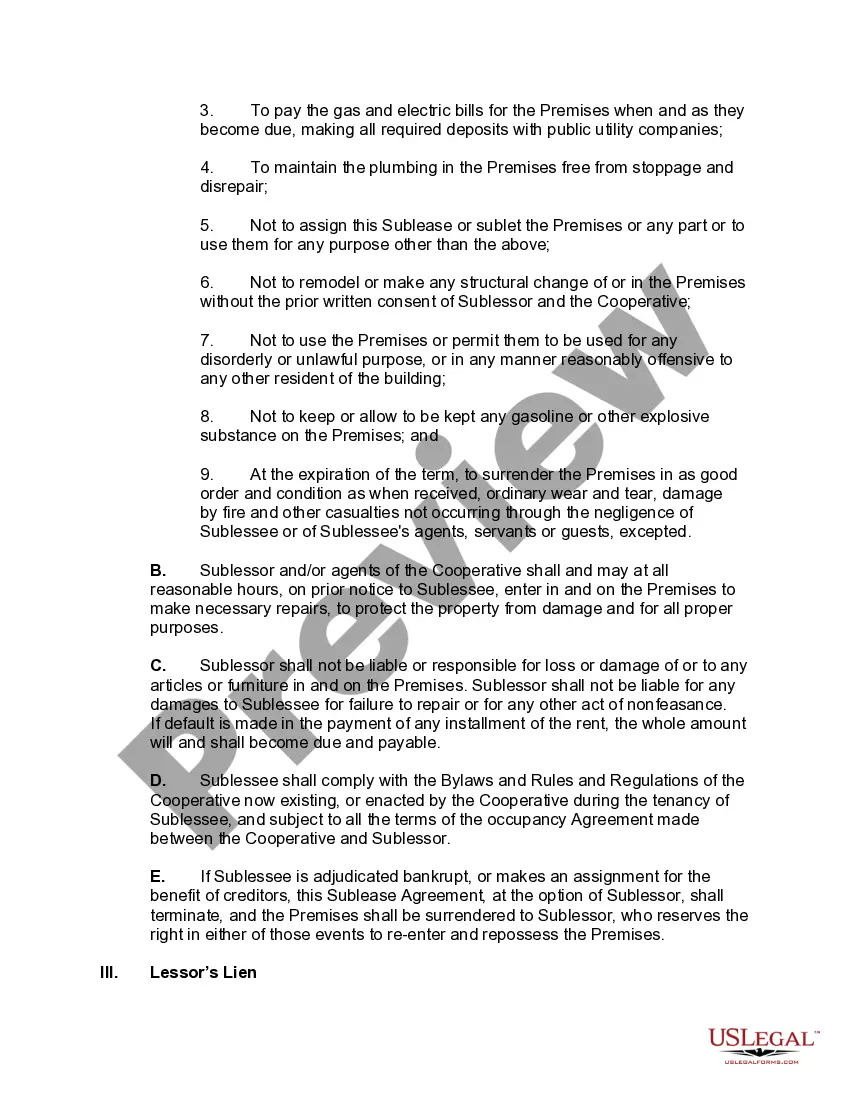
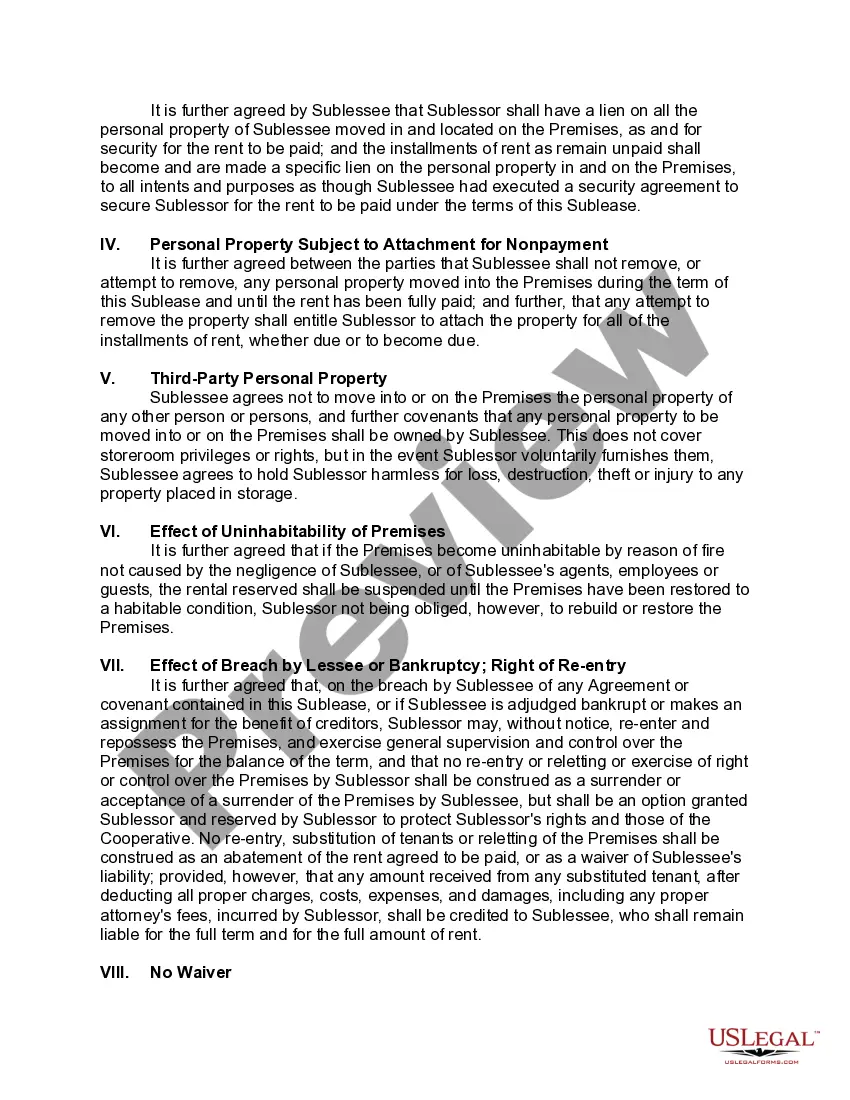
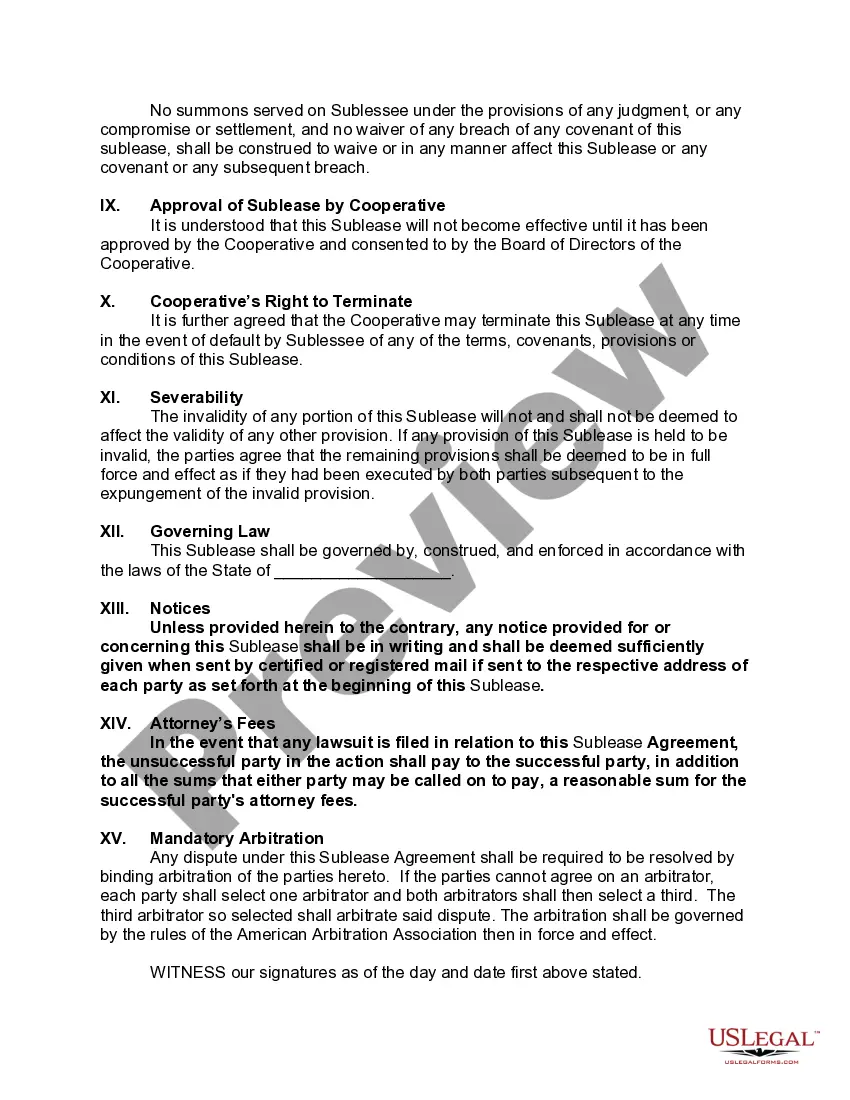
Lease Agreement With Guarantor In Virginia
Description
Get your form ready online
Our built-in tools help you complete, sign, share, and store your documents in one place.
Make edits, fill in missing information, and update formatting in US Legal Forms—just like you would in MS Word.
Download a copy, print it, send it by email, or mail it via USPS—whatever works best for your next step.
Sign and collect signatures with our SignNow integration. Send to multiple recipients, set reminders, and more. Go Premium to unlock E-Sign.
If this form requires notarization, complete it online through a secure video call—no need to meet a notary in person or wait for an appointment.
We protect your documents and personal data by following strict security and privacy standards.

Make edits, fill in missing information, and update formatting in US Legal Forms—just like you would in MS Word.

Download a copy, print it, send it by email, or mail it via USPS—whatever works best for your next step.

Sign and collect signatures with our SignNow integration. Send to multiple recipients, set reminders, and more. Go Premium to unlock E-Sign.

If this form requires notarization, complete it online through a secure video call—no need to meet a notary in person or wait for an appointment.

We protect your documents and personal data by following strict security and privacy standards.
Looking for another form?
Form popularity
FAQ
How to Add a Guarantor to a Lease Talk With Tenant – Landlords should start by letting the tenant know that a guarantor is needed. Perform Background Check – After the tenant finds someone to co-sign, the landlord should screen the guarantor and conduct a credit check to verify their financial reliability.
Answer and Explanation: A contract of lease is generally between the lessee and the lessor, and only the signatures of said parties are necessary for the validity and effectivity of the lease contract. However, the lessor may require a guarantor before he or she will sign the contract.
How to Add a Guarantor to a Lease Talk With Tenant – Landlords should start by letting the tenant know that a guarantor is needed. Perform Background Check – After the tenant finds someone to co-sign, the landlord should screen the guarantor and conduct a credit check to verify their financial reliability.
Your guarantor will have to sign a contract with the letting agent or landlord. This will set out the terms of the guarantor and their responsibilities to the property. Most contracts will state that a guarantor is liable to cover any unpaid rent for the length of the tenancy.
How to Add a Guarantor to a Lease Talk With Tenant – Landlords should start by letting the tenant know that a guarantor is needed. Perform Background Check – After the tenant finds someone to co-sign, the landlord should screen the guarantor and conduct a credit check to verify their financial reliability.
Typically, a Guarantor Agreement is appended to the end of a lease agreement as an addendum. If, for whatever reason, you need to add a guarantor to a lease that has already been signed, be sure to have all tenants sign the agreement as well as the guarantor.
But there are ways being a guarantor could affect your report: If the borrower can't make their repayments, the responsibility for paying them will fall on you – and this will form part of your credit record. Becoming a guarantor may create a financial association between you and the borrower.
Once it is signed by both the landlord and the tenant, the lease is a legally binding contract. If you have any questions about anything in this lease, you should talk to an attorney about the lease before you sign it.
Typically, a guarantor form will ask for the guarantor's name, address, contact information, and financial information (such as employment details, income, and assets). Depending on the specific form, it may also ask for references or a co-signer.