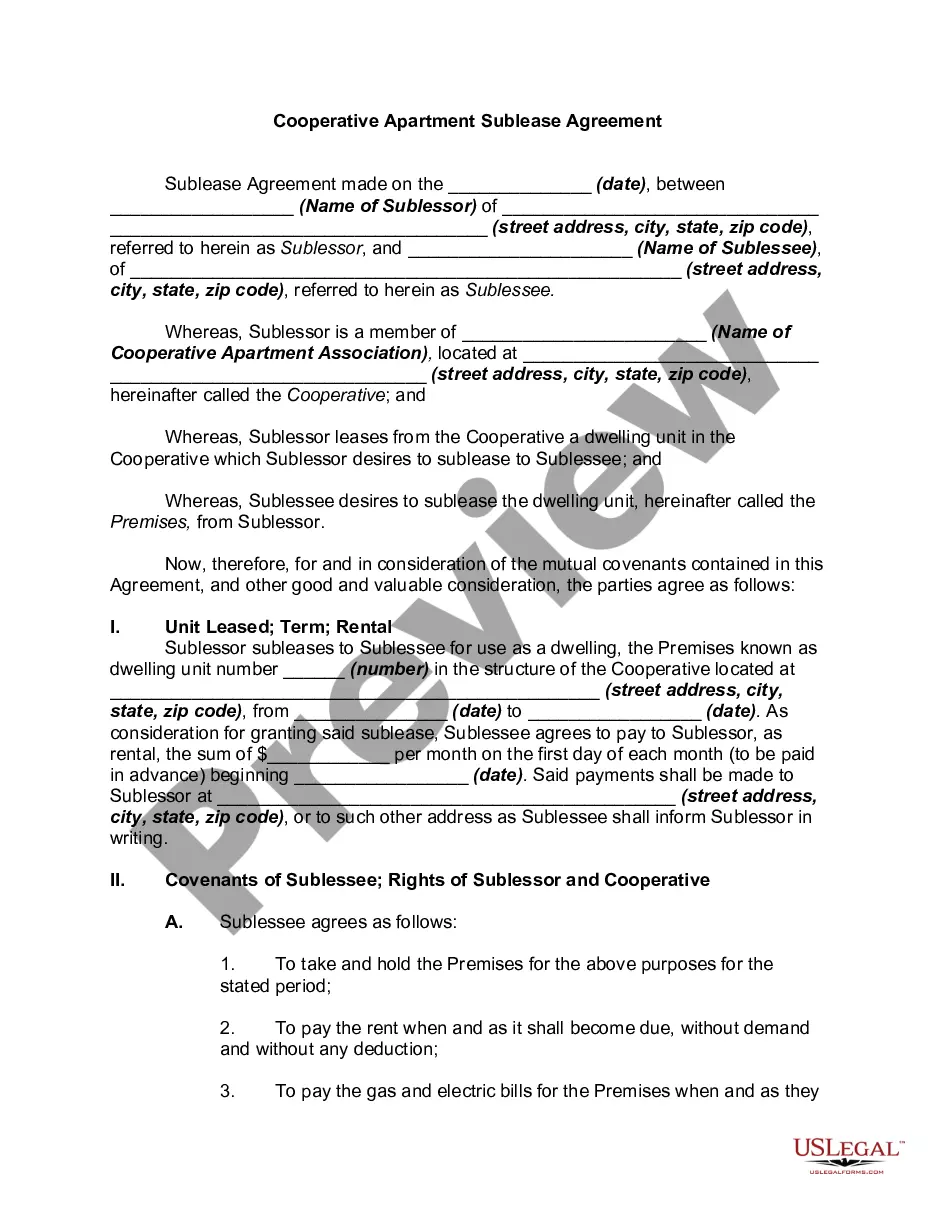
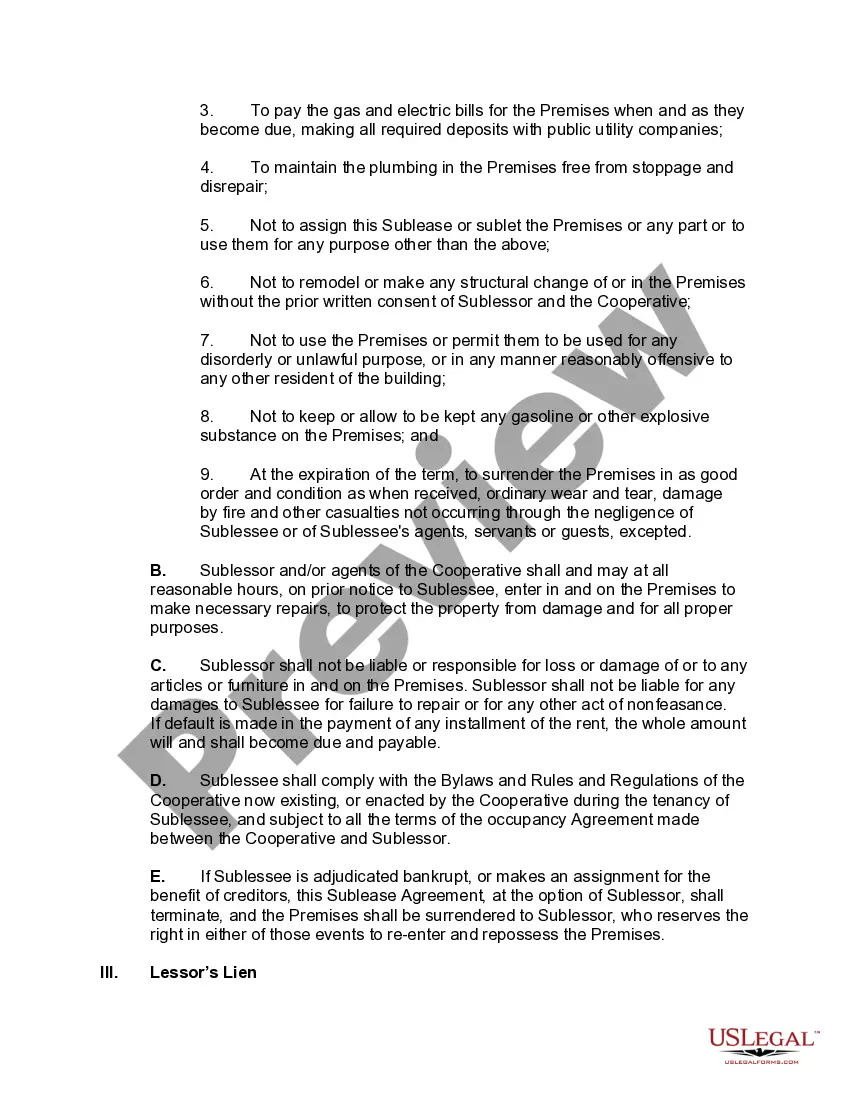
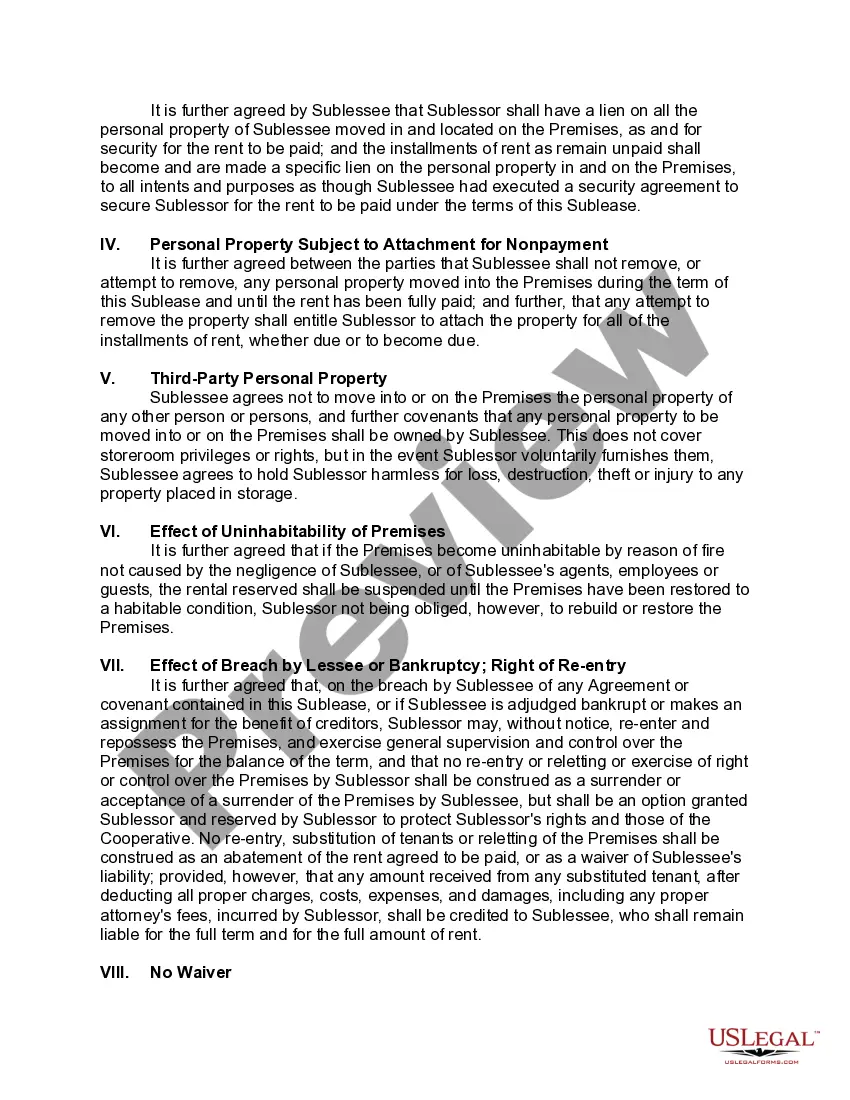
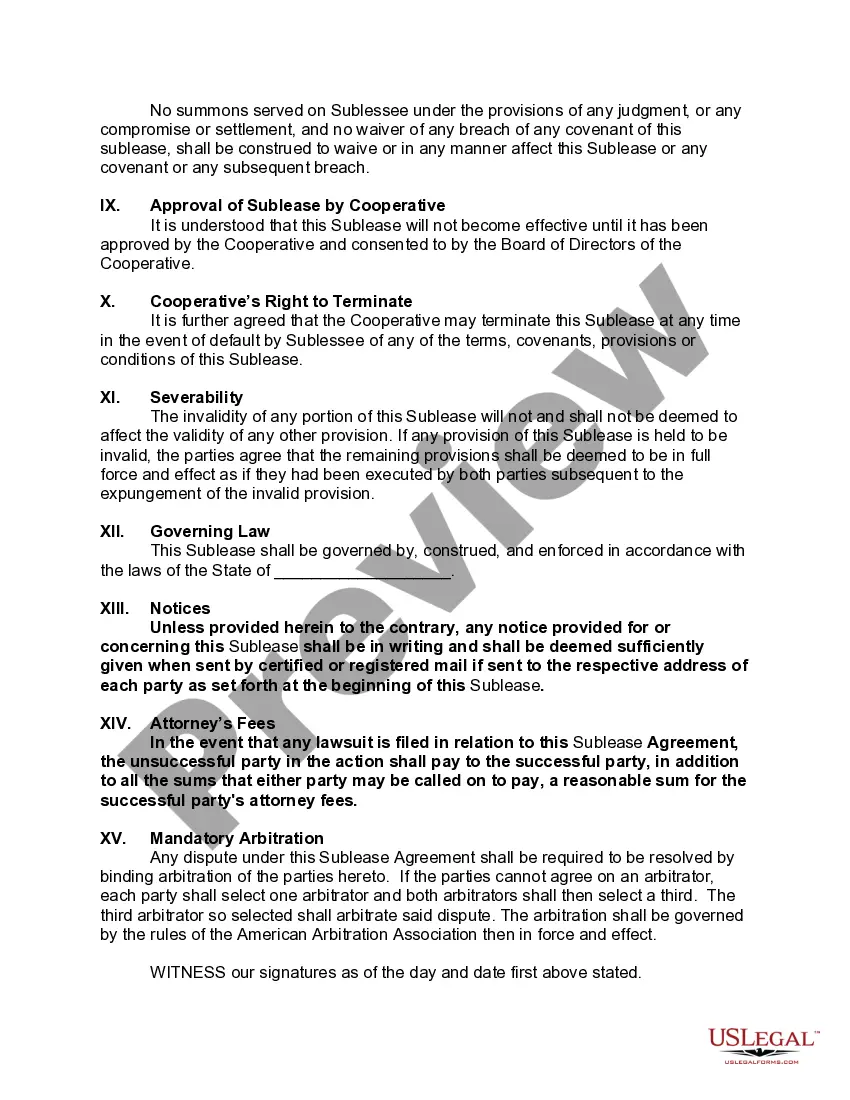
Lease Agreement With Family In Queens
Description
Get your form ready online
Our built-in tools help you complete, sign, share, and store your documents in one place.
Make edits, fill in missing information, and update formatting in US Legal Forms—just like you would in MS Word.
Download a copy, print it, send it by email, or mail it via USPS—whatever works best for your next step.
Sign and collect signatures with our SignNow integration. Send to multiple recipients, set reminders, and more. Go Premium to unlock E-Sign.
If this form requires notarization, complete it online through a secure video call—no need to meet a notary in person or wait for an appointment.
We protect your documents and personal data by following strict security and privacy standards.

Make edits, fill in missing information, and update formatting in US Legal Forms—just like you would in MS Word.

Download a copy, print it, send it by email, or mail it via USPS—whatever works best for your next step.

Sign and collect signatures with our SignNow integration. Send to multiple recipients, set reminders, and more. Go Premium to unlock E-Sign.

If this form requires notarization, complete it online through a secure video call—no need to meet a notary in person or wait for an appointment.

We protect your documents and personal data by following strict security and privacy standards.
Looking for another form?
Form popularity
FAQ
Occupants can include tenants or other individuals who may live on the property without a formal lease or rental agreement. For instance, occupants may include family members, friends, or subtenants. Unlike tenants, occupants don't have a contractual relationship with the landlord.
More Definitions of Tenant Household Tenant Household means all Tenant(s) who occupy any individual Dwelling Unit, and each minor child, dependent, spouse or registered domestic partner of any Tenant whose primary residence is the Dwelling Unit.
A tenant is an individual who has signed a lease agreement and is legally responsible for rent and property maintenance. On the other hand, an occupant lives in the property without being part of the lease agreement and does not have the same financial obligations or legal rights as a tenant.
How to Fill Out a Family Member Lease Agreement Step 1: Identify the Parties. Step 2: Describe the Property. Step 3: Define the Lease Term. Step 4: Outline Rent, Deposit, and Payment Terms. Step 5: Establish Utilities and Additional Costs. Step 6: Address Pet Policies. Step 7: Include Parking and Vehicle Provisions.
Yes, you can add a tenant to an existing lease. While it's not the most simple process, it's not uncommon for a tenant to request to add a roommate or partner to their lease agreement. However, a lease is a legally binding agreement, so it's crucial to ensure each tenant is listed within the contract.
Best practices of renting to friends and family Have them sign a lease like you would with any other tenant. Keep the landlord-tenant relationship separate from your personal relationship. Treat overdue payments or breaches of contract like you would any tenant. Consider why they would be renting your property.
California: Guests become tenants when they stay for over 14 days within six months, or seven nights in a row.
Written by Ioana Gagiuc | Reviewed by Brooke Davis. A family member lease agreement is a formal document that outlines the rental terms between relatives living in the same household.
Technically, any attorney can help with lease agreements, whether they're residential or commercial in nature. However, it goes without saying that it's in your best interests to hire a lawyer with experience in the field of real estate law.
If you set the right boundaries and know someone you can trust, renting to friends or family can be a positive experience. In addition, remaining transparent about your expectations of them as a tenant and their expectations of you as a landlord will help keep your personal and professional relationship separate.