Lease Agreement With Landlord In Phoenix
Description

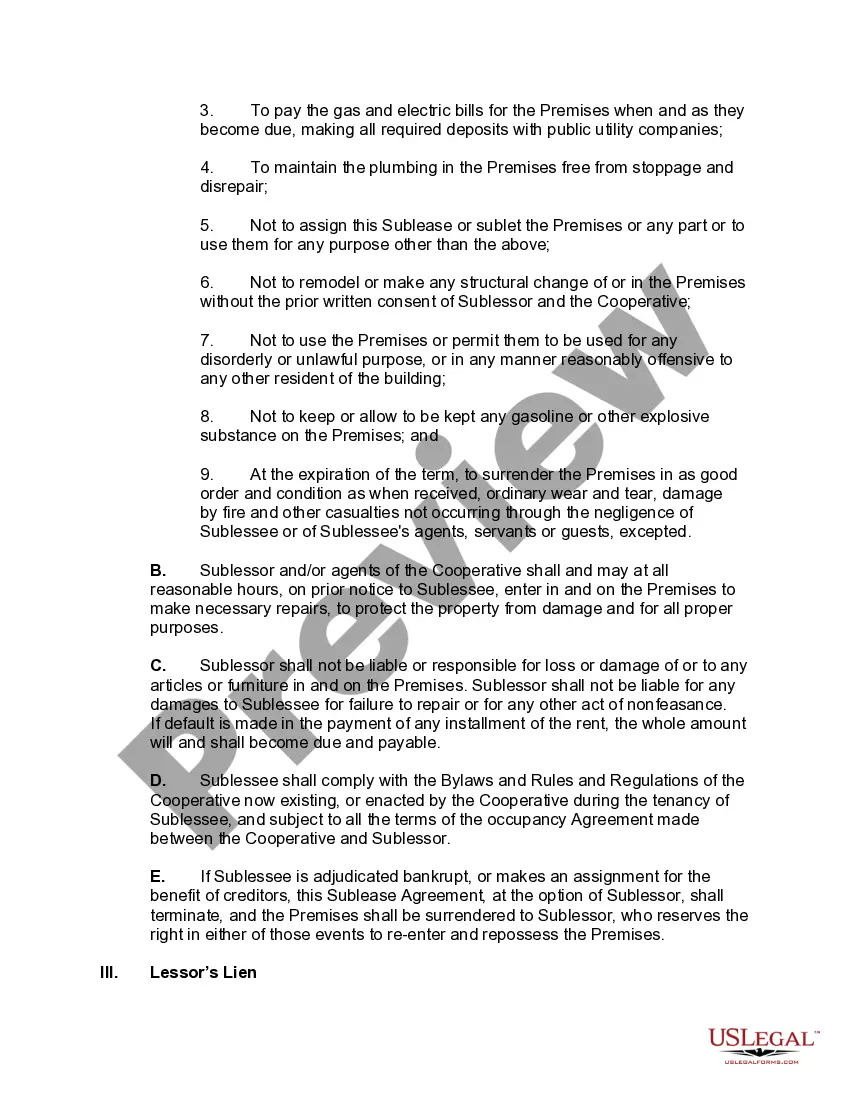
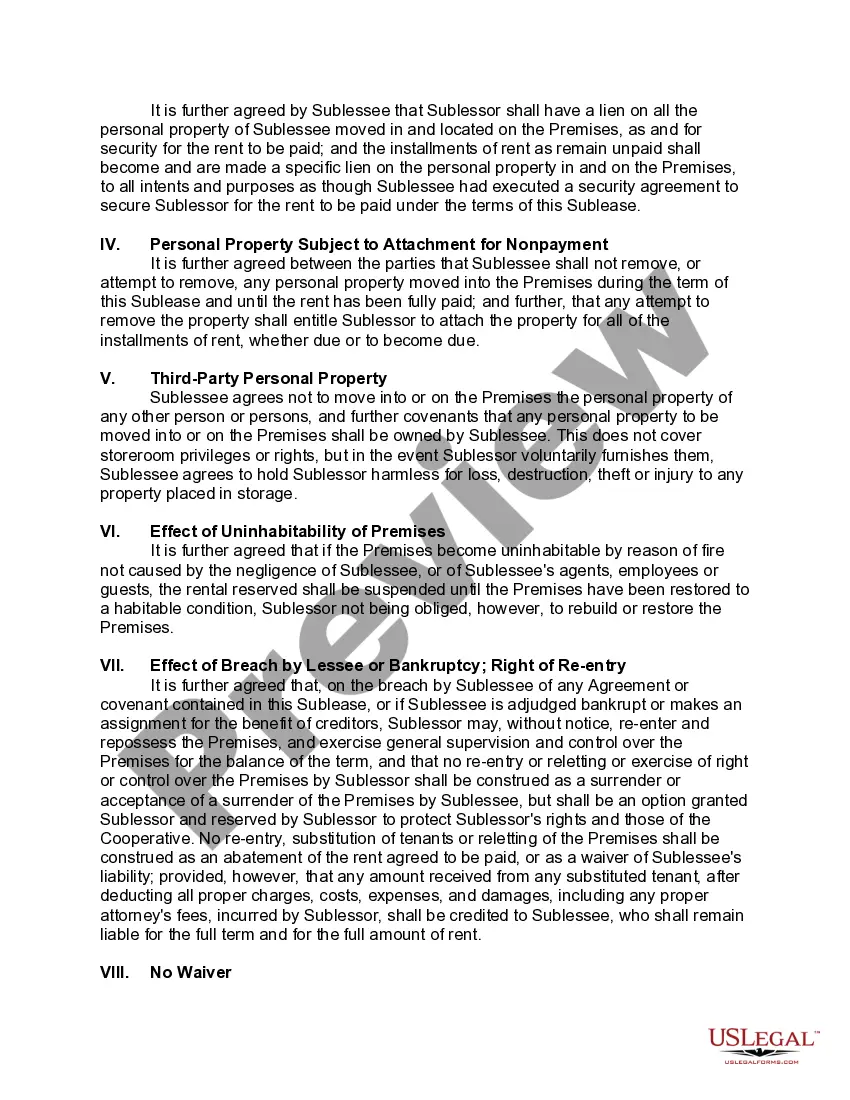
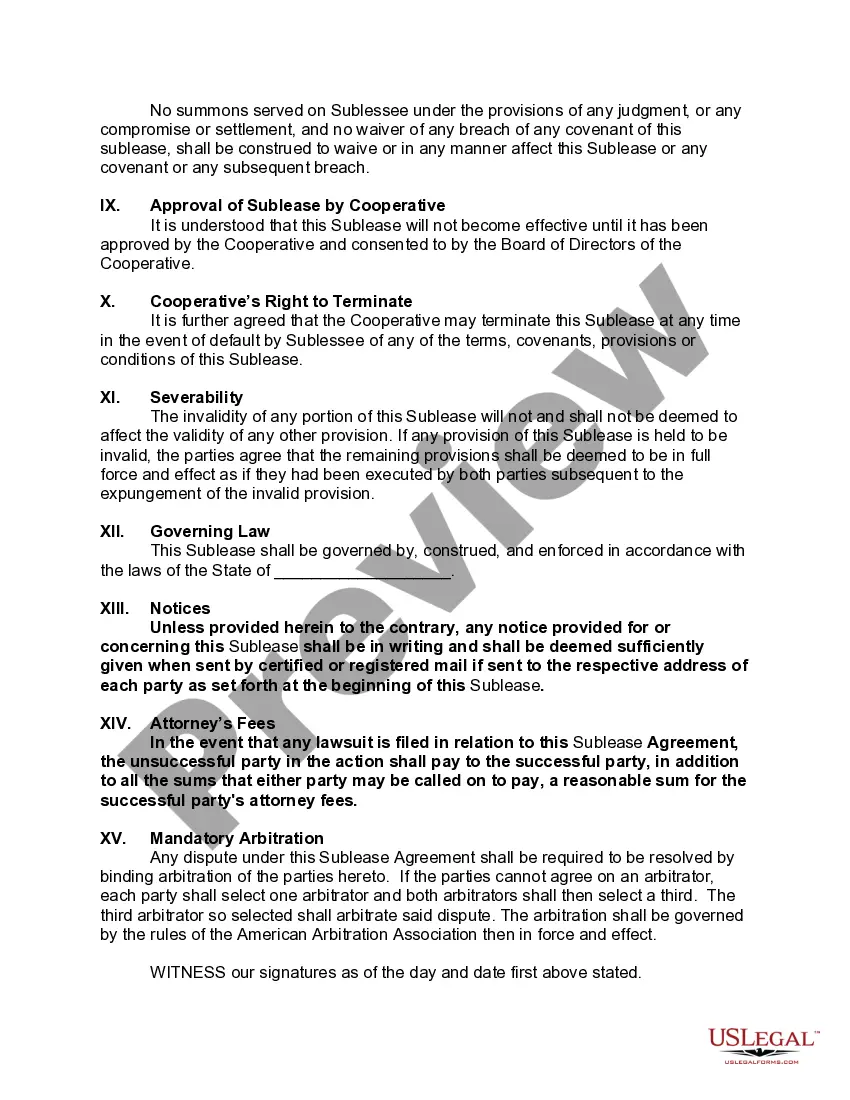
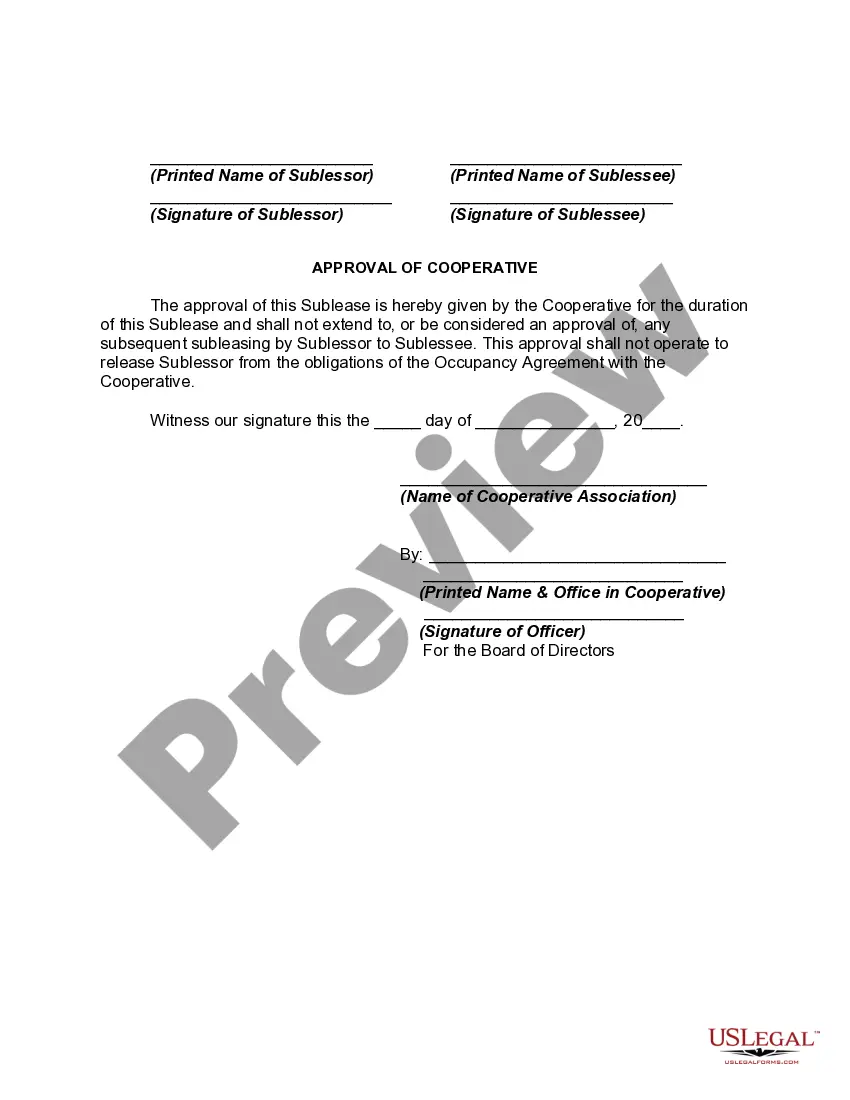

Get your form ready online
Our built-in tools help you complete, sign, share, and store your documents in one place.
Make edits, fill in missing information, and update formatting in US Legal Forms—just like you would in MS Word.
Download a copy, print it, send it by email, or mail it via USPS—whatever works best for your next step.
Sign and collect signatures with our SignNow integration. Send to multiple recipients, set reminders, and more. Go Premium to unlock E-Sign.
If this form requires notarization, complete it online through a secure video call—no need to meet a notary in person or wait for an appointment.
We protect your documents and personal data by following strict security and privacy standards.

Make edits, fill in missing information, and update formatting in US Legal Forms—just like you would in MS Word.

Download a copy, print it, send it by email, or mail it via USPS—whatever works best for your next step.

Sign and collect signatures with our SignNow integration. Send to multiple recipients, set reminders, and more. Go Premium to unlock E-Sign.

If this form requires notarization, complete it online through a secure video call—no need to meet a notary in person or wait for an appointment.

We protect your documents and personal data by following strict security and privacy standards.
Looking for another form?
Form popularity
FAQ
Completion The lease and any other lease documents will be dated by both parties' respective solicitors and will then be completed. Your solicitor will send the completion monies to the landlord's solicitor. You will then be able to collect the keys to the property (normally from the estate agent/selling agent).
The lease signing process has three steps. First, the landlord creates the lease and sends it to the renter. Then, the renter reviews the lease, signs it, and returns it to the landlord. The landlord then reviews the agreement once more and provides a final signature.
But the landlord can't just kick out the tenant, change the locks, or turn off the utilities. The landlord must follow all the steps the law says must be taken. And the tenant should not just stop paying the rent unless the tenant first follows all the steps the law says must be taken.
The rental lease agreement is a formal contract between a tenant and a property owner, or a representative of the owner, like a property manager, outlining the terms and conditions for living at a rental property in exchange for rent. In order for a lease agreement to be valid, both parties must sign the contract.
At its simplest, a lease is a deal made between two parties, the lessee and lessor, over the use of an asset. Instead of buying the asset upfront, the lessee pays a set amount for the right to use it, usually in instalments over the life of the lease agreement.
Here's a list of standard fields that you should include in your lease agreement: Tenant information. Include each tenant's full name and contact information. Rental property description. Security deposit. Monthly rent amount. Utilities. Lease term. Policies. Late fees.
The key elements of an Arizona lease agreement include: Names of the parties involved. Property address and description. Lease term and renewal options. Rent amount, due date, and late fees. Security deposit details. Responsibilities for maintenance and repairs. Utilities and services provided. Rules regarding pets and guests.
State laws on leases and rental agreements can vary, but a landlord or property management company should provide you with a copy of your signed lease upon request. You should make your request in writing, so you have proof if there is a dispute later.
No, lease agreements don't have to be notarized in Arizona. A lease can be notarized if the tenant and landlord want it to be. It is not, however, required by law for the rental agreement to be legally binding.
