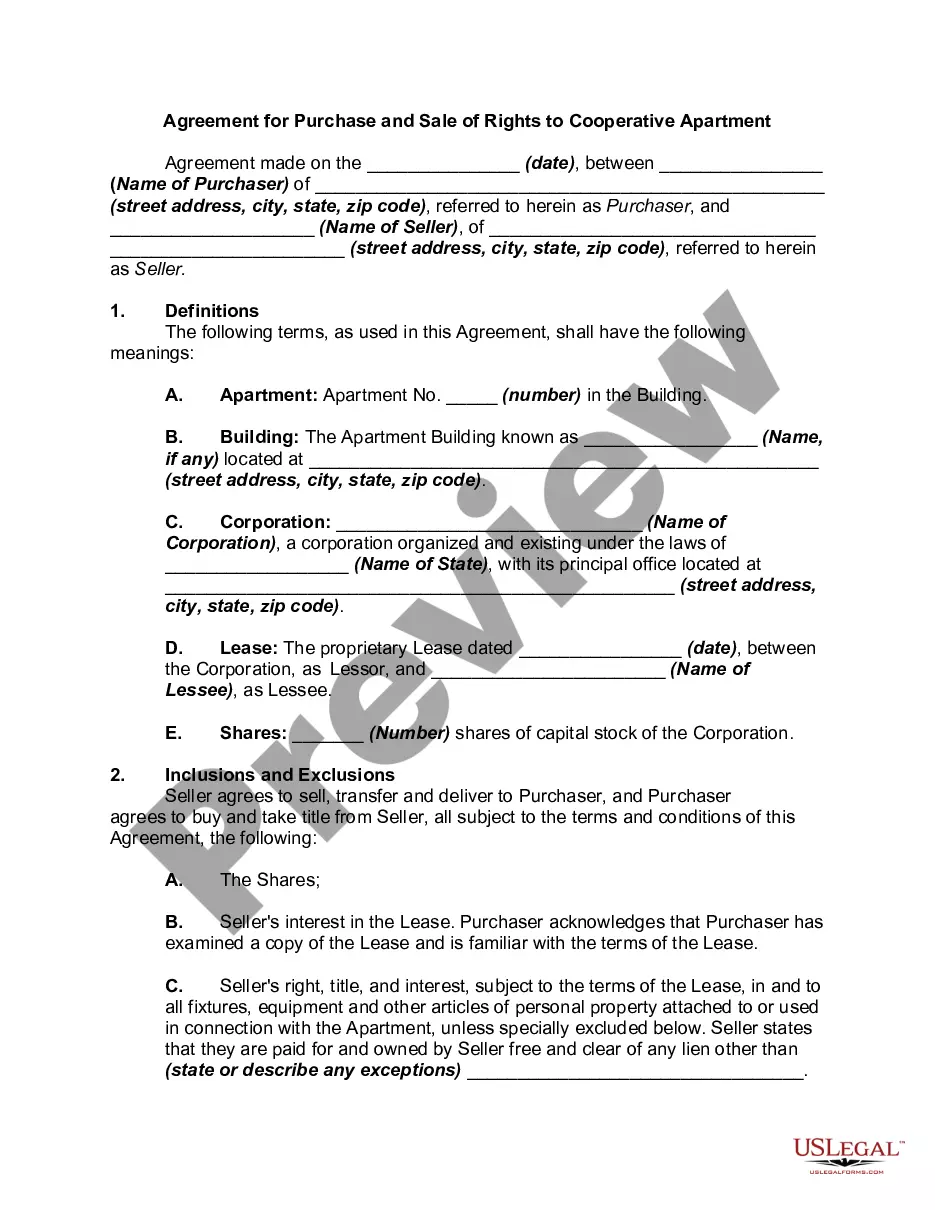
Cooperative Agreement For In Pennsylvania
Description

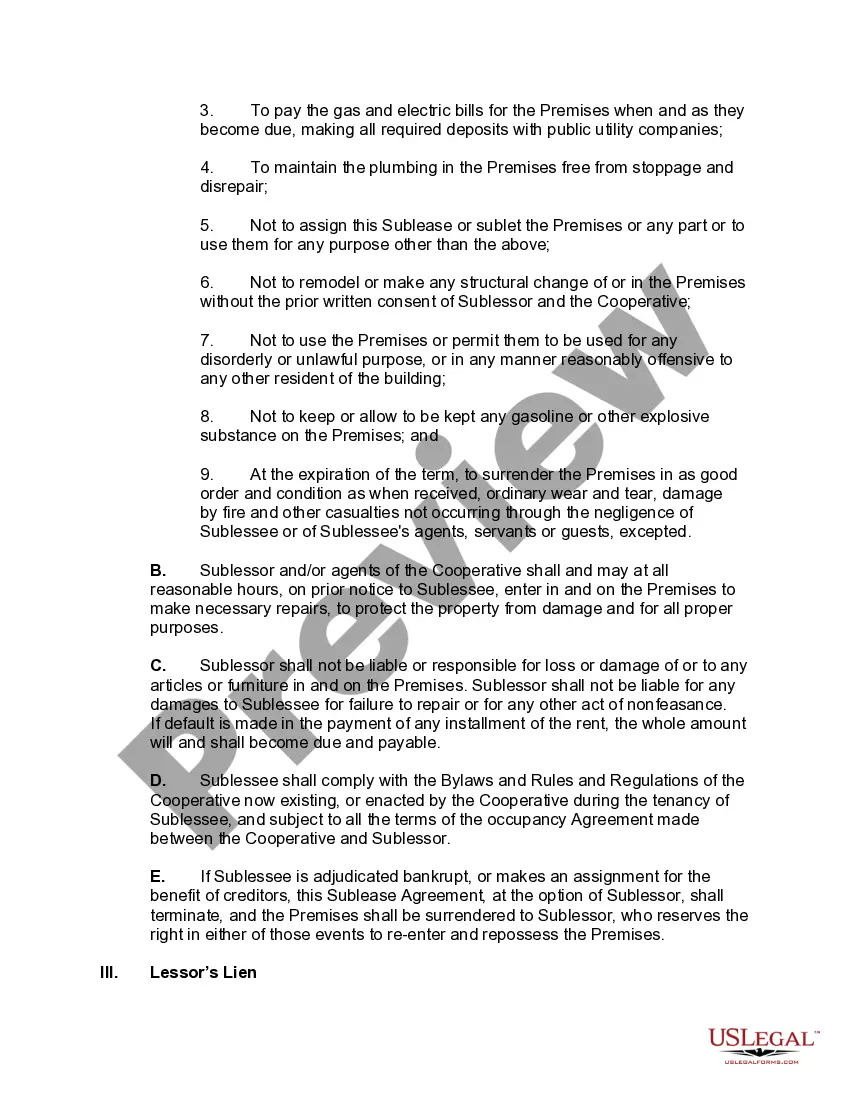
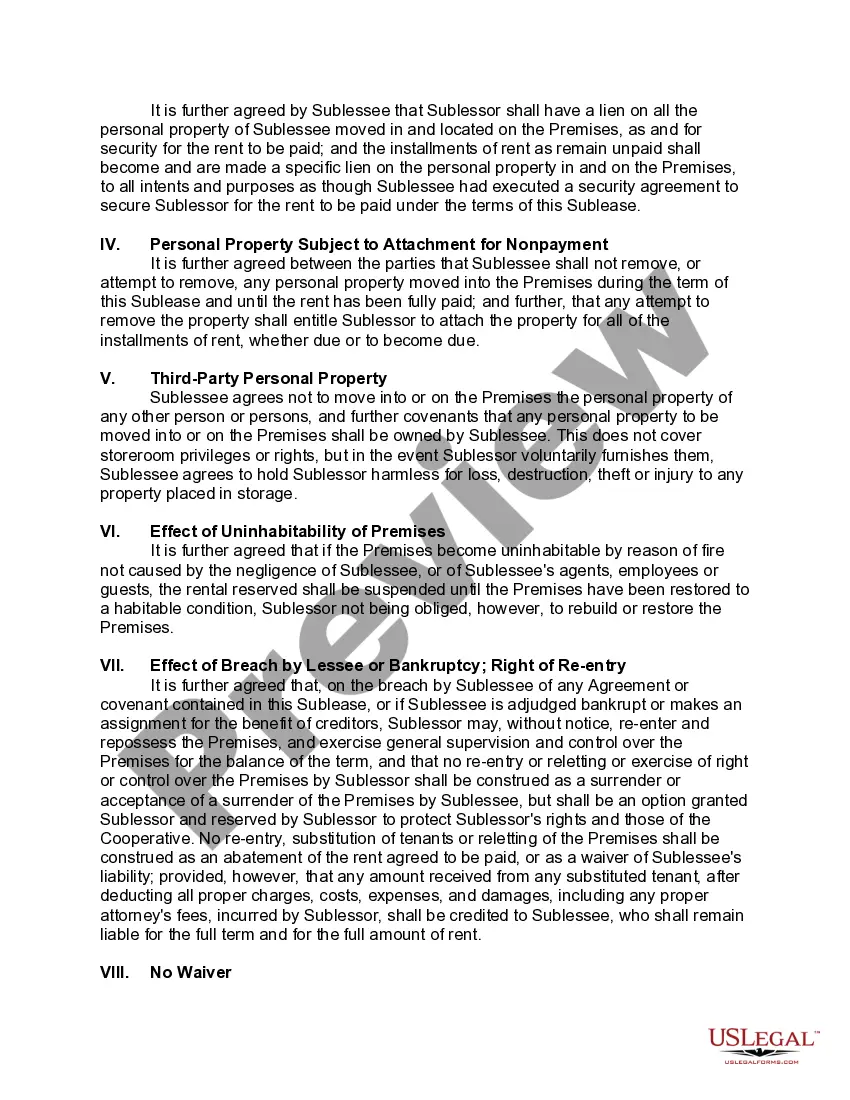
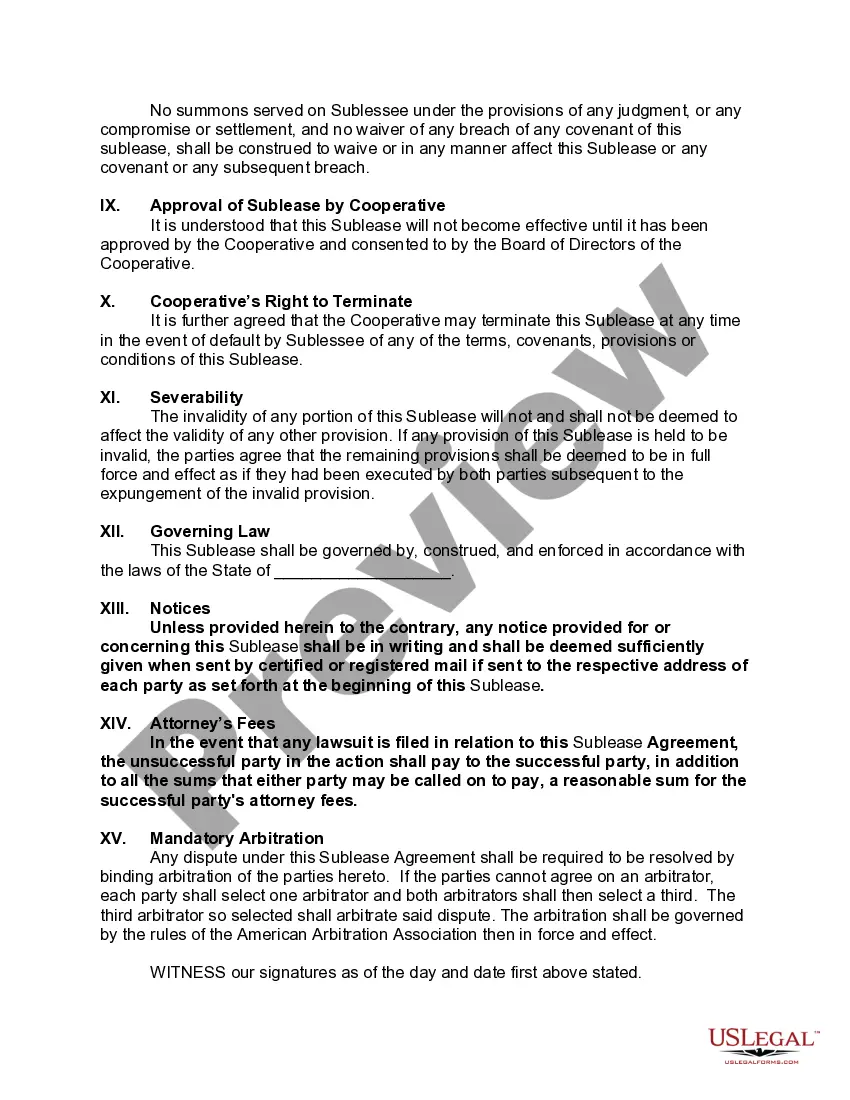
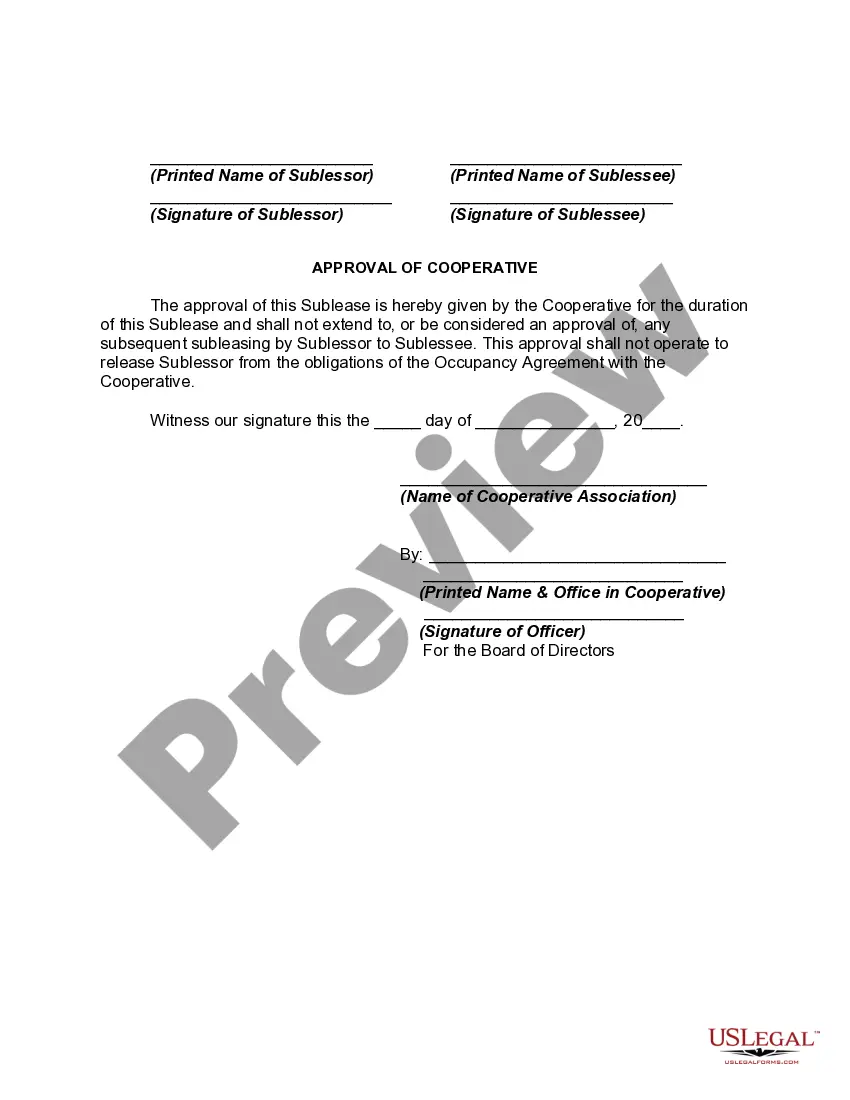

Get your form ready online
Our built-in tools help you complete, sign, share, and store your documents in one place.
Make edits, fill in missing information, and update formatting in US Legal Forms—just like you would in MS Word.
Download a copy, print it, send it by email, or mail it via USPS—whatever works best for your next step.
Sign and collect signatures with our SignNow integration. Send to multiple recipients, set reminders, and more. Go Premium to unlock E-Sign.
If this form requires notarization, complete it online through a secure video call—no need to meet a notary in person or wait for an appointment.
We protect your documents and personal data by following strict security and privacy standards.

Make edits, fill in missing information, and update formatting in US Legal Forms—just like you would in MS Word.

Download a copy, print it, send it by email, or mail it via USPS—whatever works best for your next step.

Sign and collect signatures with our SignNow integration. Send to multiple recipients, set reminders, and more. Go Premium to unlock E-Sign.

If this form requires notarization, complete it online through a secure video call—no need to meet a notary in person or wait for an appointment.

We protect your documents and personal data by following strict security and privacy standards.
Looking for another form?








Form popularity
FAQ
Yes, it is possible to establish an S-corp as a one-person business. While traditionally S corporations are formed with multiple shareholders, the IRS allows a single individual to set up an S corporation. As an individual, you can be the sole shareholder, director, and employee of the S-corp.
To form a Pennsylvania S corp, you'll need to ensure your company has a Pennsylvania formal business structure (LLC or corporation), and then you can elect S corp tax designation. If you've already formed an LLC or corporation, file Form 2553 with the Internal Revenue Service (IRS) to designate S corp taxation status.
Start an S corp in Pennsylvania Step 1 – Choose a name. Step 2 – Designate a Pennsylvania registered office. Step 3 – File Pennsylvania Certificate of Organization. Step 4 – Create an operating agreement. Step 5 – Apply for an EIN. Step 6 – Apply for S Corp status with IRS Form 2553.
Businesses that elect federal subchapter S status are considered Pennsylvania S corporations and are subject to the corporate net income tax only to the extent of built-in-gains. Rather, shareholders in the businesses considered S Corporations are taxed at the personal income tax rate, 3.07 percent.
A cooperative agreement is another form of financial aid. The granting agency and the grantee work together to carry out the purpose of the award. Contracts are financial transactions. Federal agencies buy property or services for their direct benefit or use from a service provider.
The purpose of a cooperative is to realize the economic, cultural and social needs of the organization's members and its surrounding community. Cooperatives often have a strong commitment to their community and a focus on strengthening the community they exist in or serve.
Cooperative agreements serves as an official framework for exploring partnership activities and identify future endeavors. If a specific collaborative project is identified between the two institutions, an addendum or additional agreement must be developed to outline the details of the project.
The purpose of a grant is to provide assistance; there is generally little involvement by the sponsor, and the award instrument refers to general terms and conditions. Cooperative agreements also provide assistance, but with substantial sponsor involvement, typically described in a set of specific terms.
A cooperative agreement is a hybrid between a contract and a grant. While its purpose is typically similar to a grant in that it focuses on increased scientific knowledge, the sponsor takes a more active role as a partner to the research, rather than just a funder.
The Cooperation Agreement collects the following in one agreement which is the same across customers, consultancies and independent consultants: Terms of use of the Marketplace. General terms for assignments. Practical guidelines and duties while in an assignment (for example related to invoicing), and.
