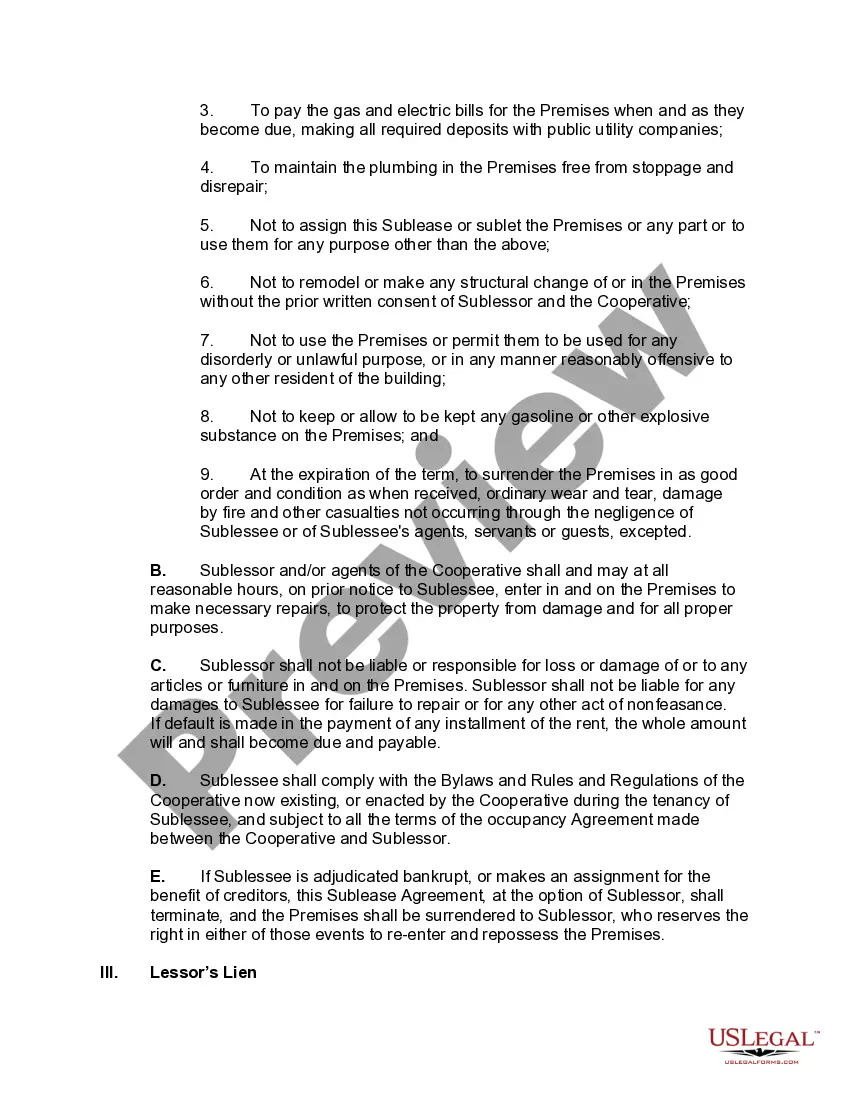
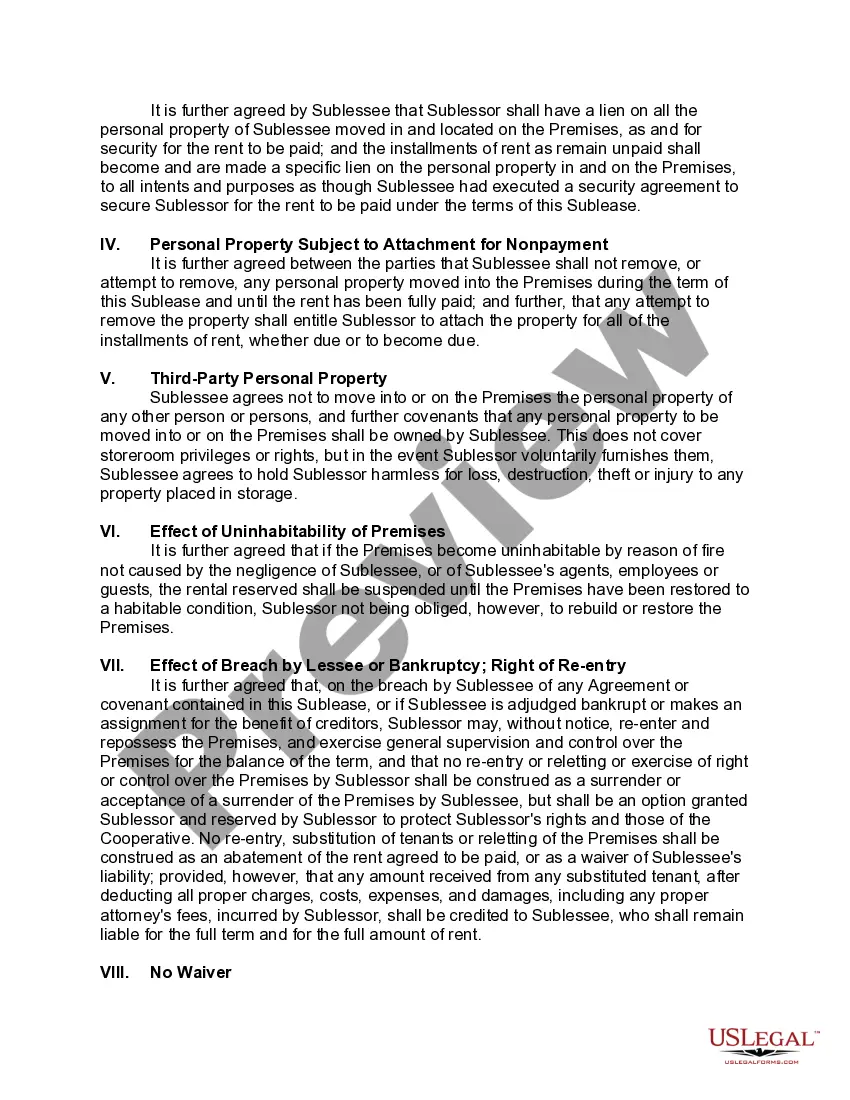
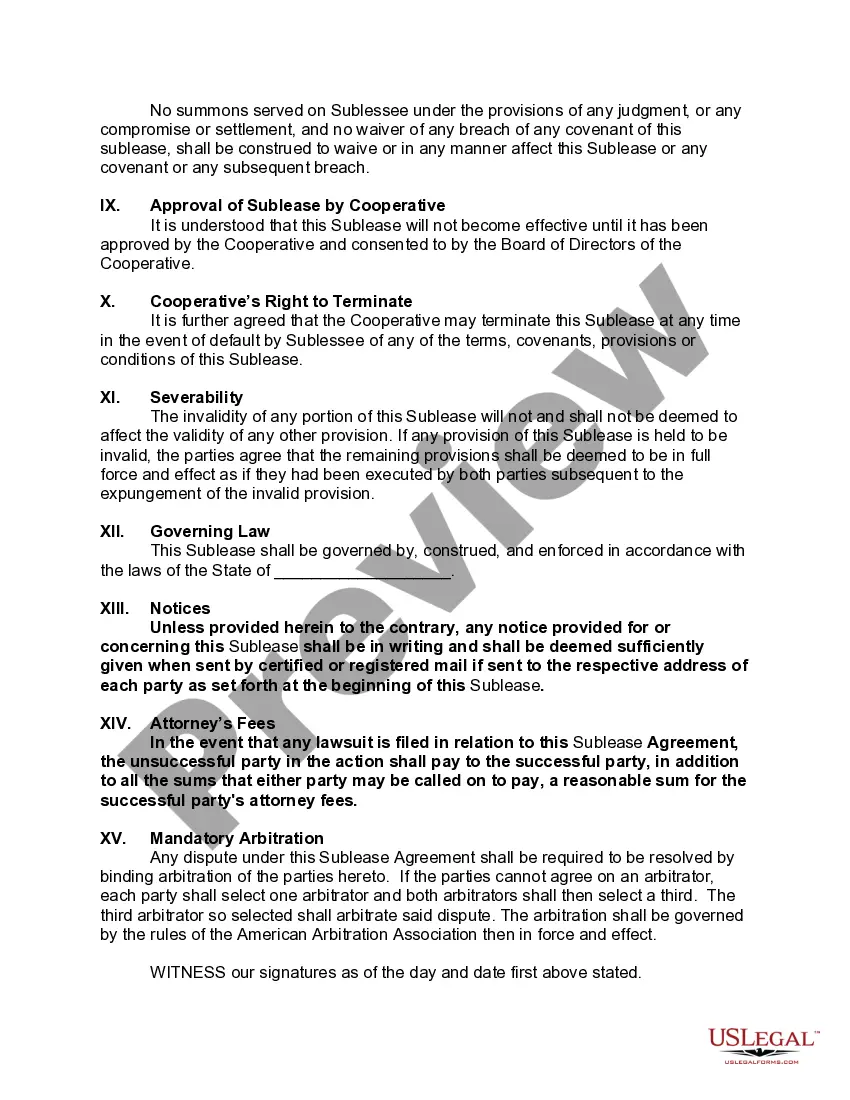
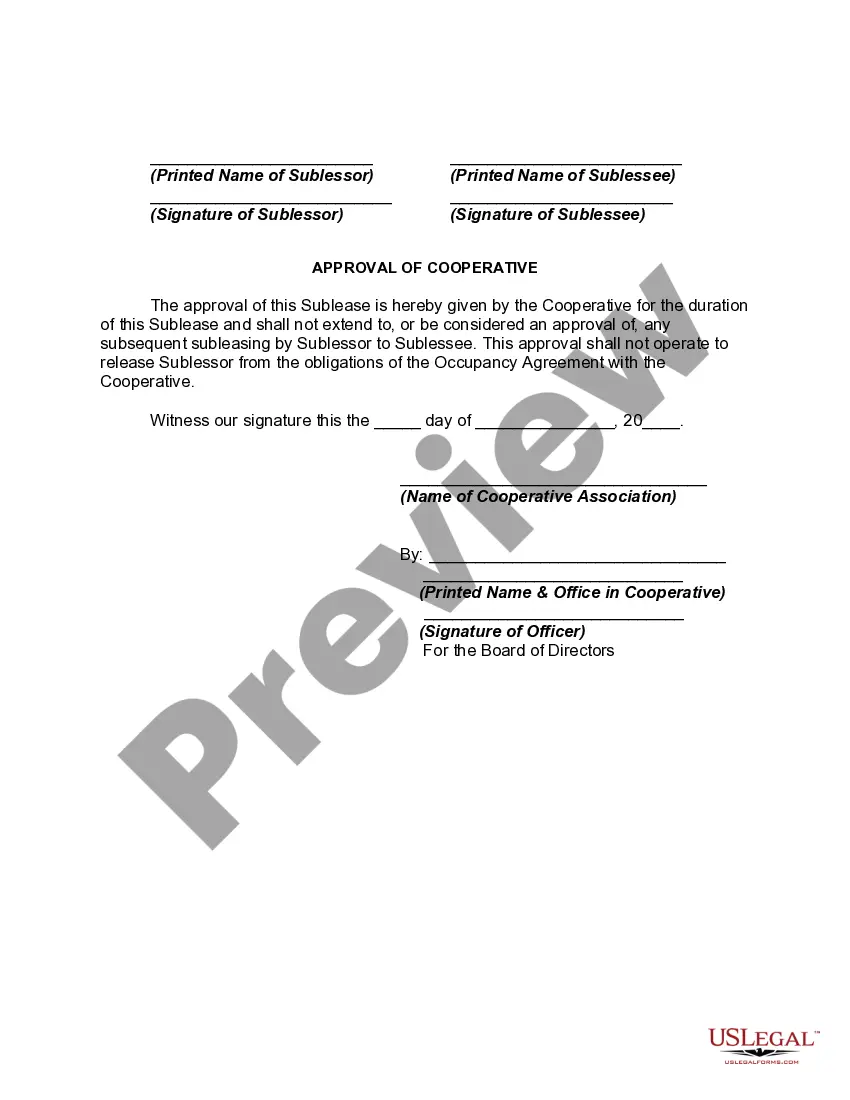
Cooperative Agreement For In Michigan
Description

Get your form ready online
Our built-in tools help you complete, sign, share, and store your documents in one place.
Make edits, fill in missing information, and update formatting in US Legal Forms—just like you would in MS Word.
Download a copy, print it, send it by email, or mail it via USPS—whatever works best for your next step.
Sign and collect signatures with our SignNow integration. Send to multiple recipients, set reminders, and more. Go Premium to unlock E-Sign.
If this form requires notarization, complete it online through a secure video call—no need to meet a notary in person or wait for an appointment.
We protect your documents and personal data by following strict security and privacy standards.

Make edits, fill in missing information, and update formatting in US Legal Forms—just like you would in MS Word.

Download a copy, print it, send it by email, or mail it via USPS—whatever works best for your next step.

Sign and collect signatures with our SignNow integration. Send to multiple recipients, set reminders, and more. Go Premium to unlock E-Sign.

If this form requires notarization, complete it online through a secure video call—no need to meet a notary in person or wait for an appointment.

We protect your documents and personal data by following strict security and privacy standards.
Looking for another form?

Form popularity
FAQ
A cooperative agreement is a hybrid between a contract and a grant. While its purpose is typically similar to a grant in that it focuses on increased scientific knowledge, the sponsor takes a more active role as a partner to the research, rather than just a funder.
Noun. Co-operative agreements, in the context of B2B SaaS partnerships, are formal agreements between two or more entities that aim to create a collaboration and drive mutual growth through strategic alliances.
A cooperative agreement is another form of financial aid. The granting agency and the grantee work together to carry out the purpose of the award. Contracts are financial transactions. Federal agencies buy property or services for their direct benefit or use from a service provider.
Cooperative agreements will be legally binding agreements in document form. (4) Other requirements specified in the application.
A cooperative agreement is a hybrid between a contract and a grant. While its purpose is typically similar to a grant in that it focuses on increased scientific knowledge, the sponsor takes a more active role as a partner to the research, rather than just a funder.
A cooperative agreement is another form of financial aid. The granting agency and the grantee work together to carry out the purpose of the award. Contracts are financial transactions. Federal agencies buy property or services for their direct benefit or use from a service provider.
With contracts, USAID purchases goods and services from a contractor to implement an Activity as directed by the Agency. Contracts are announced through Requests for Proposals (RFPs). With grants and cooperative agreements, the Agency provides funds to a recipient for a public good and has limited direct involvement.
By definition, a co-op, or a “cooperative home,” is usually a multi-family piece of real estate in which a business holds the title to the property. The residents gain equity in the building by buying shares in that business. Co-op residents own a share of the property but not the deed to the property itself.
Cooperation agreements define the legal basis for working with our partners. In a global framework, no organization can act efficiently alone. Cooperation is needed with other relevant institutions that are capable of providing additional assistance or knowledge.
