Lease Agreement With Roommate In Massachusetts
Description


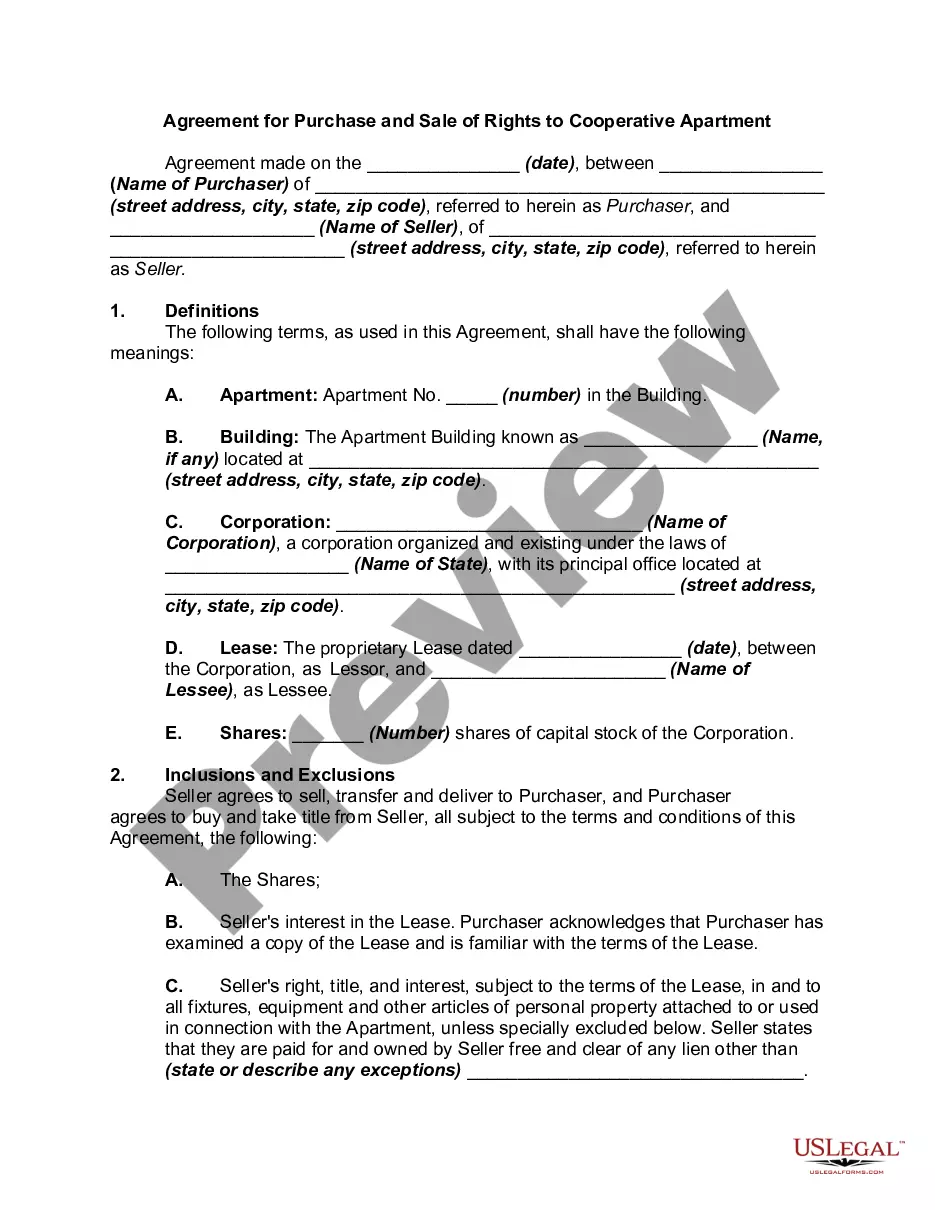
Get your form ready online
Our built-in tools help you complete, sign, share, and store your documents in one place.
Make edits, fill in missing information, and update formatting in US Legal Forms—just like you would in MS Word.
Download a copy, print it, send it by email, or mail it via USPS—whatever works best for your next step.
Sign and collect signatures with our SignNow integration. Send to multiple recipients, set reminders, and more. Go Premium to unlock E-Sign.
If this form requires notarization, complete it online through a secure video call—no need to meet a notary in person or wait for an appointment.
We protect your documents and personal data by following strict security and privacy standards.

Make edits, fill in missing information, and update formatting in US Legal Forms—just like you would in MS Word.

Download a copy, print it, send it by email, or mail it via USPS—whatever works best for your next step.

Sign and collect signatures with our SignNow integration. Send to multiple recipients, set reminders, and more. Go Premium to unlock E-Sign.

If this form requires notarization, complete it online through a secure video call—no need to meet a notary in person or wait for an appointment.

We protect your documents and personal data by following strict security and privacy standards.
Looking for another form?


Form popularity
FAQ
The roommate agreement is between roommates and doesn't involve the landlord, while a lease is between one or more roommates and the landlord. Roommate agreements are essential in situations where your roommate decides to move out while the lease is in effect.
Yes, you can't just remove yourself unless the landlord chooses to let you. You can terminate the lease, and the landlord can sign a new lease with your roommate and any new tenant that moves in.
The roommate agreement is separate from the tenants' lease with the landlord. This article will explore different elements of a roommate agreement.
How to write a roommate agreement Names of both tenants. The property address. The dates the lease begins and ends. The amount of rent each person pays. Who pays for utilities. Who pays the security deposit. Which bedroom each person occupies. Who buys food, or if you're each buying your own food.
The main difference is the length of tenancy. A rental agreement is usually short term or month-to-month, while a lease is typically for a longer period of time, usually six months or more.
Standard roommate agreements are legally binding, and you can tailor them to your specific situation. Their contents can include: Names of both tenants. Specify whether you're co-tenants on the lease, or whether you're the primary tenant and the other is a roommate.
Local Laws The roommate has a right to eviction proceedings similar to that of a tenant under Massachusetts roommate agreement laws. If the original lease agreement allows subletting of the property, the roommate has a right to take legal action against the landlord.