Nationwide Cooperative Agreement For Msb Supervision In Harris
Description
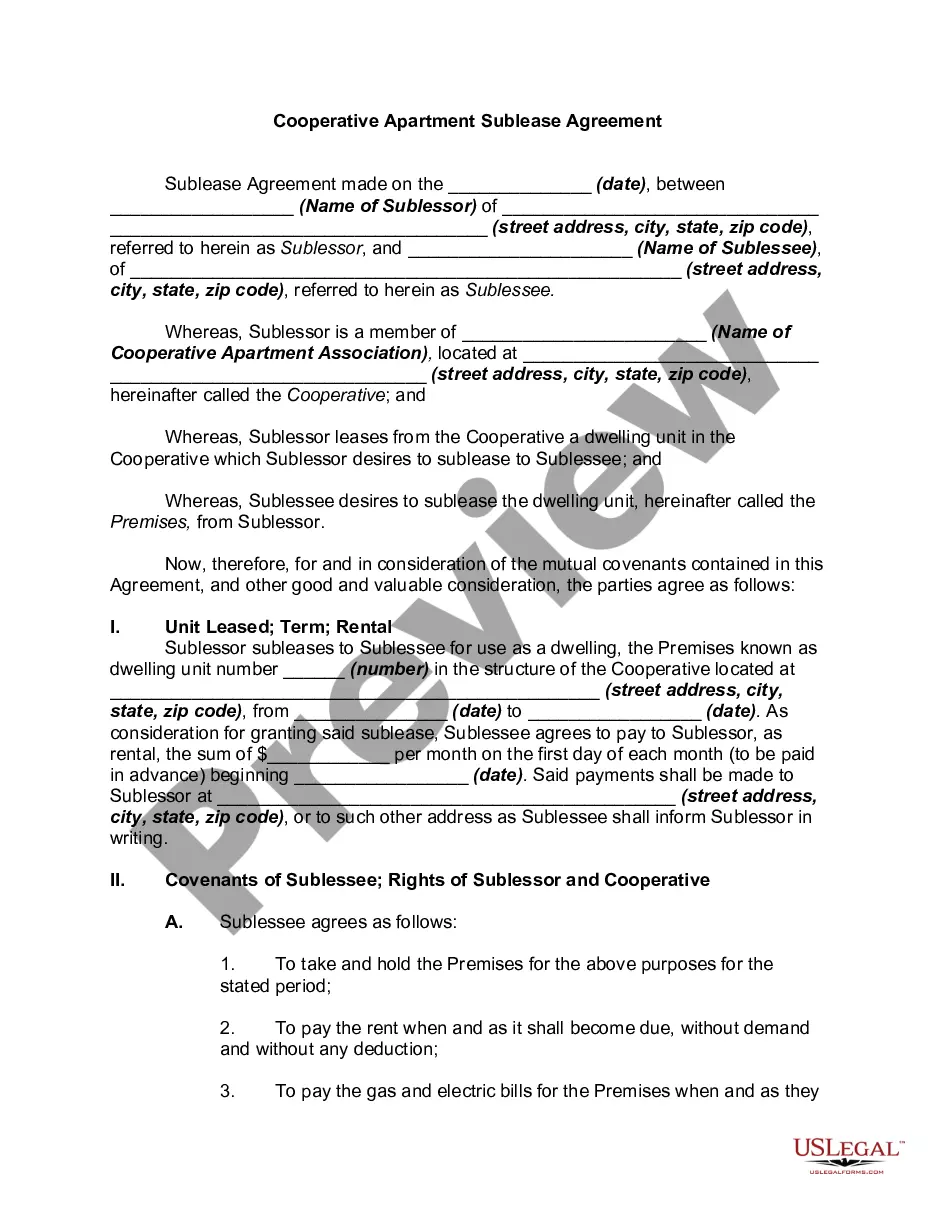
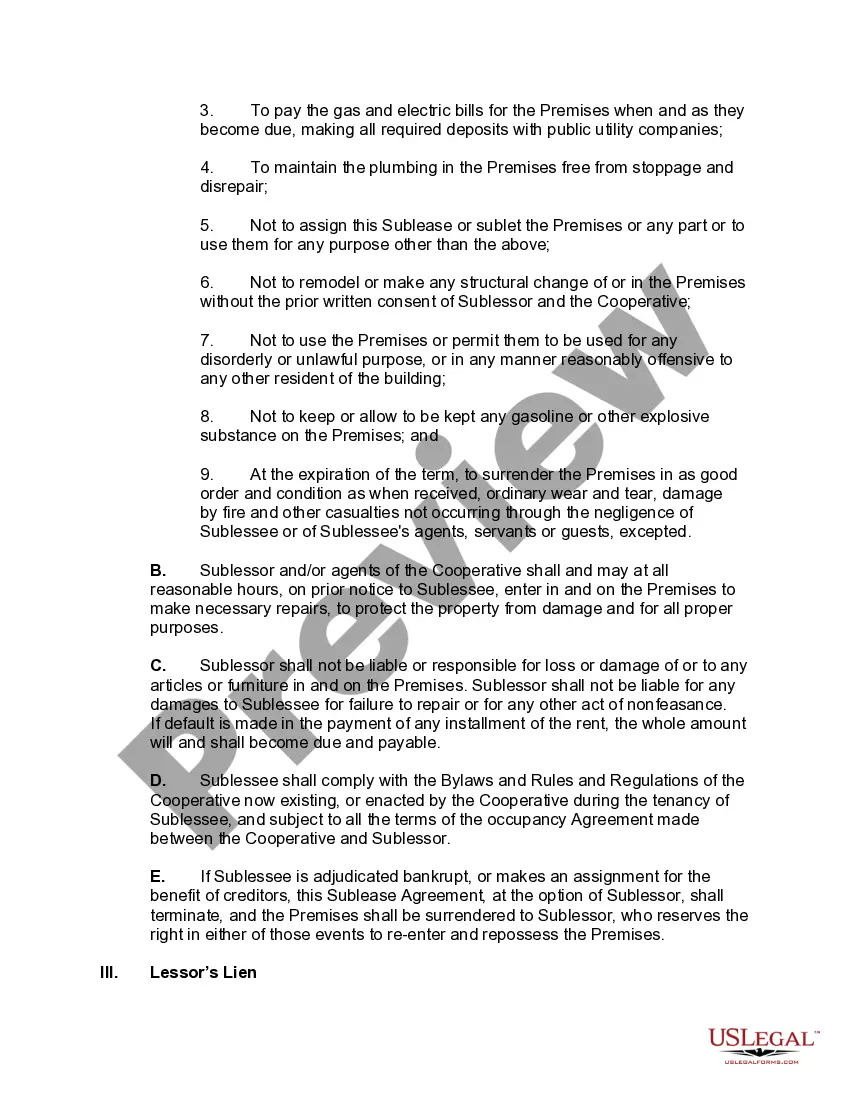
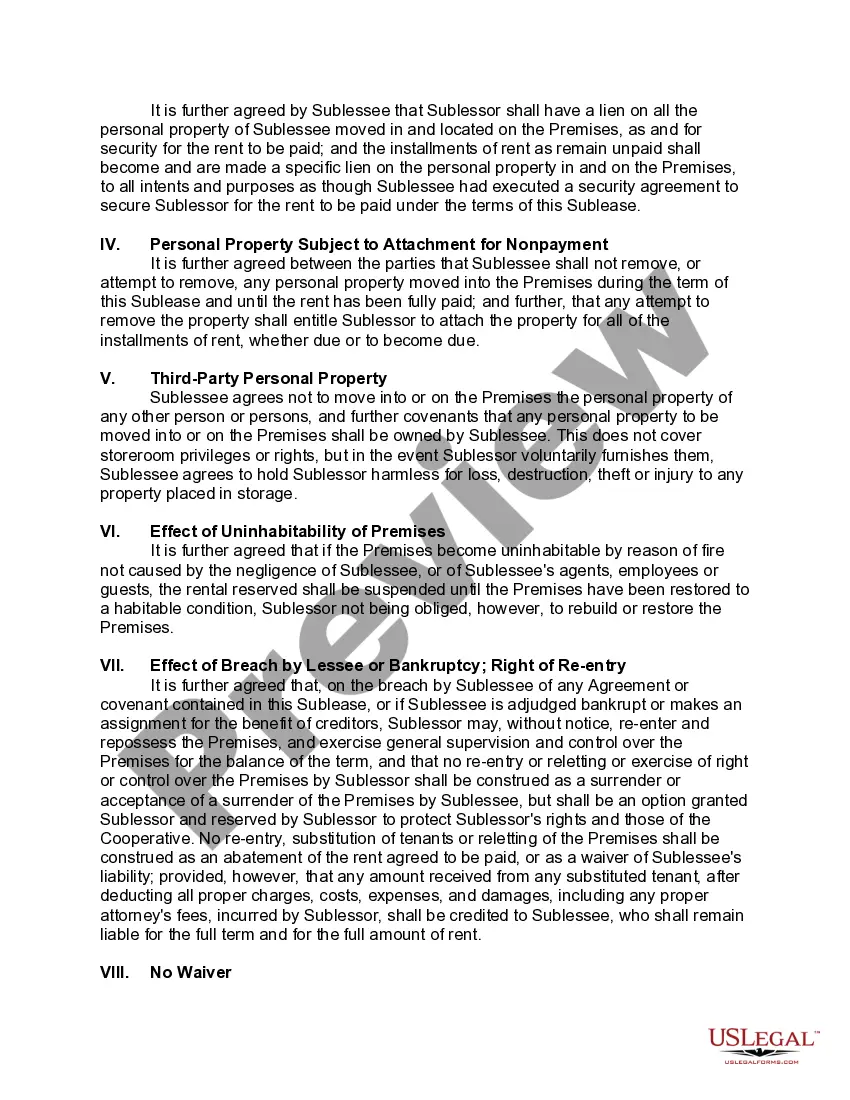
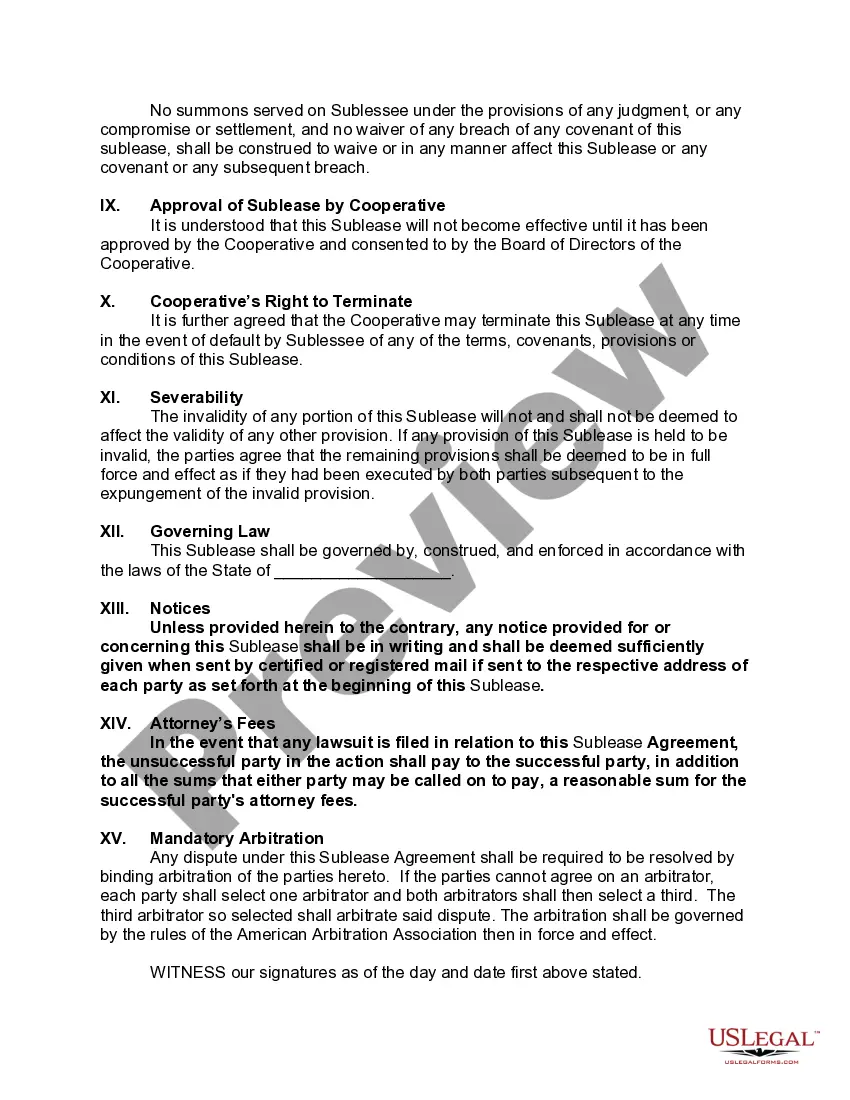
Get your form ready online
Our built-in tools help you complete, sign, share, and store your documents in one place.
Make edits, fill in missing information, and update formatting in US Legal Forms—just like you would in MS Word.
Download a copy, print it, send it by email, or mail it via USPS—whatever works best for your next step.
Sign and collect signatures with our SignNow integration. Send to multiple recipients, set reminders, and more. Go Premium to unlock E-Sign.
If this form requires notarization, complete it online through a secure video call—no need to meet a notary in person or wait for an appointment.
We protect your documents and personal data by following strict security and privacy standards.

Make edits, fill in missing information, and update formatting in US Legal Forms—just like you would in MS Word.

Download a copy, print it, send it by email, or mail it via USPS—whatever works best for your next step.

Sign and collect signatures with our SignNow integration. Send to multiple recipients, set reminders, and more. Go Premium to unlock E-Sign.

If this form requires notarization, complete it online through a secure video call—no need to meet a notary in person or wait for an appointment.

We protect your documents and personal data by following strict security and privacy standards.
Looking for another form?
Form popularity
FAQ
Master Agreements are contracts that are competitively bid by the Department of General Services and available to any agency that expend public funds. These types of agreements establish a prequalified list of vendors and simplify the purchasing process for the end user.
Strategic alliances are cooperative agreements between potential or actual competitors. The term is often used to embrace a variety of agreements between actual or potential competitors including cross-shareholding deals, licensing arrangements, formal joint ventures, and informal cooperative arrangements.
The FAR is the set of rules governing the federal government's purchasing process, it is jointly issued by DoD, GSA, and NASA and applies to most agencies in the Executive Branch.
FAR only governs contracts with the agencies of the Executive branch. Contracts with the Legislative branch and the judicial branch come under separate regulations. Contracts with the Legislative branch (i.e., Congress) are governed by the Congressional Budget Office (CBO).
The FGCAA specifically prohibits federal agencies from using Cooperative Agreements to acquire property or services for the direct benefit or use of the federal government. This distinction is what separates Cooperative Agreements from “procurement contracts” or “acquisitions” bound by the FAR.
Requirements for Companies to Be FAR Compliant The FAR applies to companies with U.S. federal contracts or subcontracts for goods and services (other than commercial off-the-shelf items) to be acquired outside the U.S. with an estimated value of more than $500,000 USD.
Federal grants and cooperative agreements are legal instruments that provide funding to non-federal entities to carry out a public purpose of support or stimulation authorized by law.
The grant instrument is used to administer awards that do not require NIH involvement beyond standard agency monitoring and stewardship. Under a cooperative agreement, NIH expects to be substantially involved in carrying out the project.
In a grant, the federal government provides oversight and monitoring but is not directly involved in the project. In a cooperative agreement, federal employees participate more closely in project activities, often working side-by-side with the grantee.
The purpose of a grant is to provide assistance; there is generally little involvement by the sponsor, and the award instrument refers to general terms and conditions. Cooperative agreements also provide assistance, but with substantial sponsor involvement, typically described in a set of specific terms.