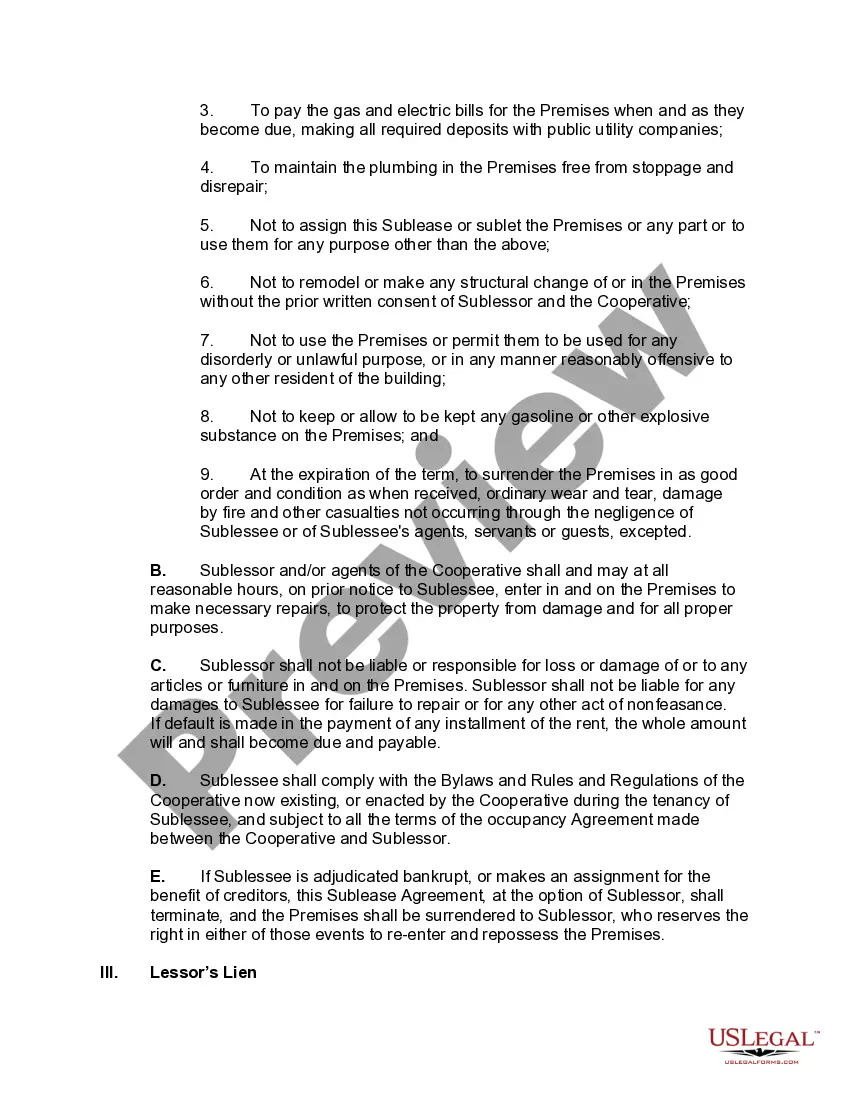
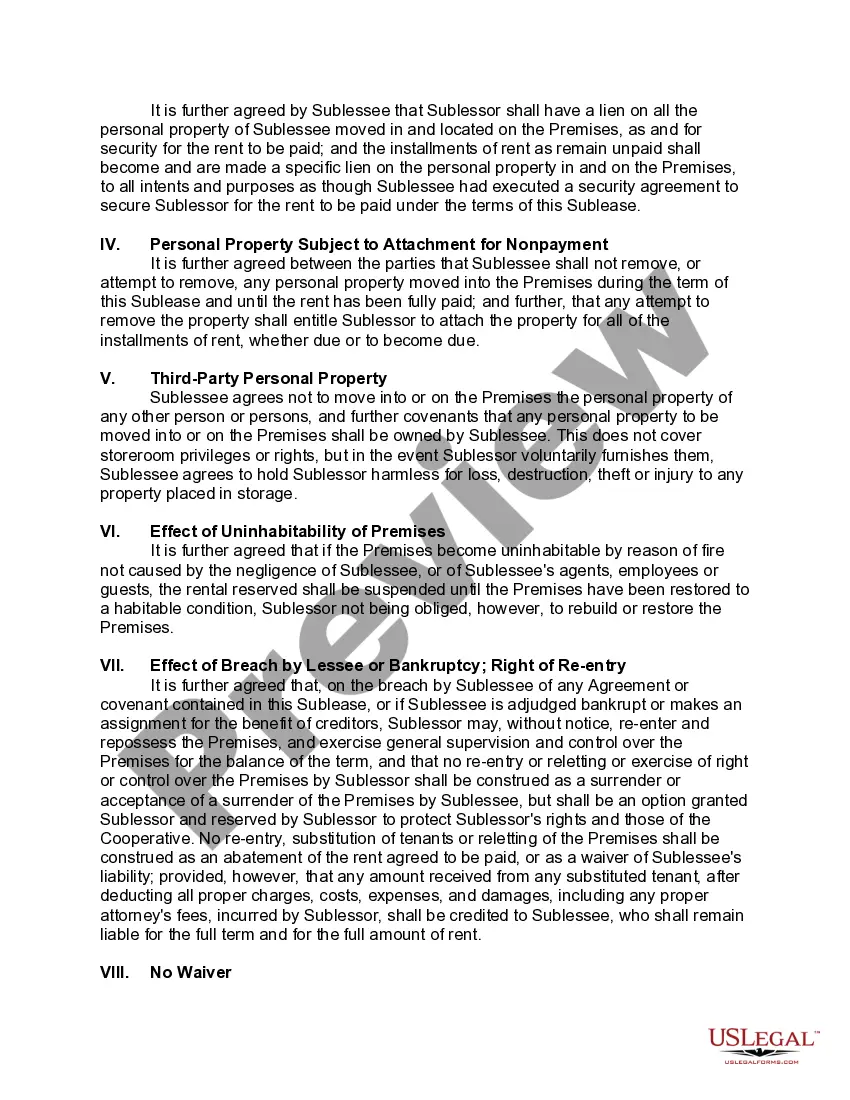
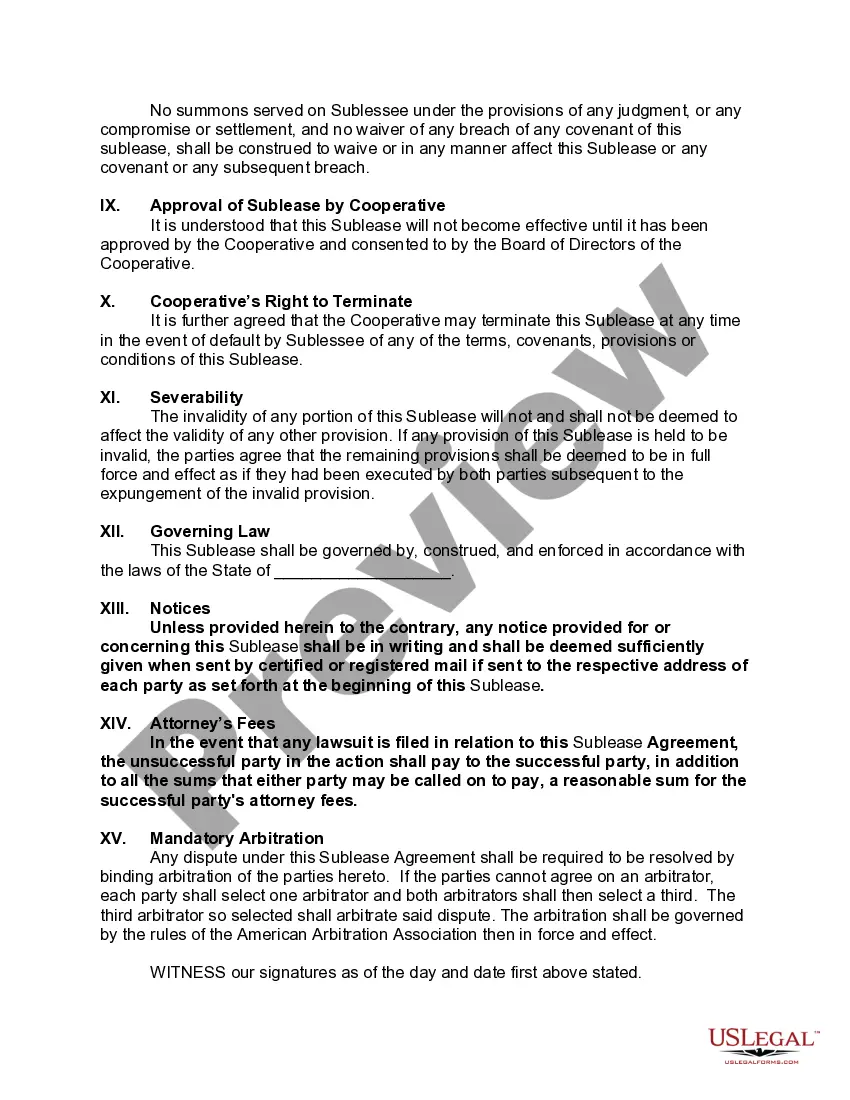
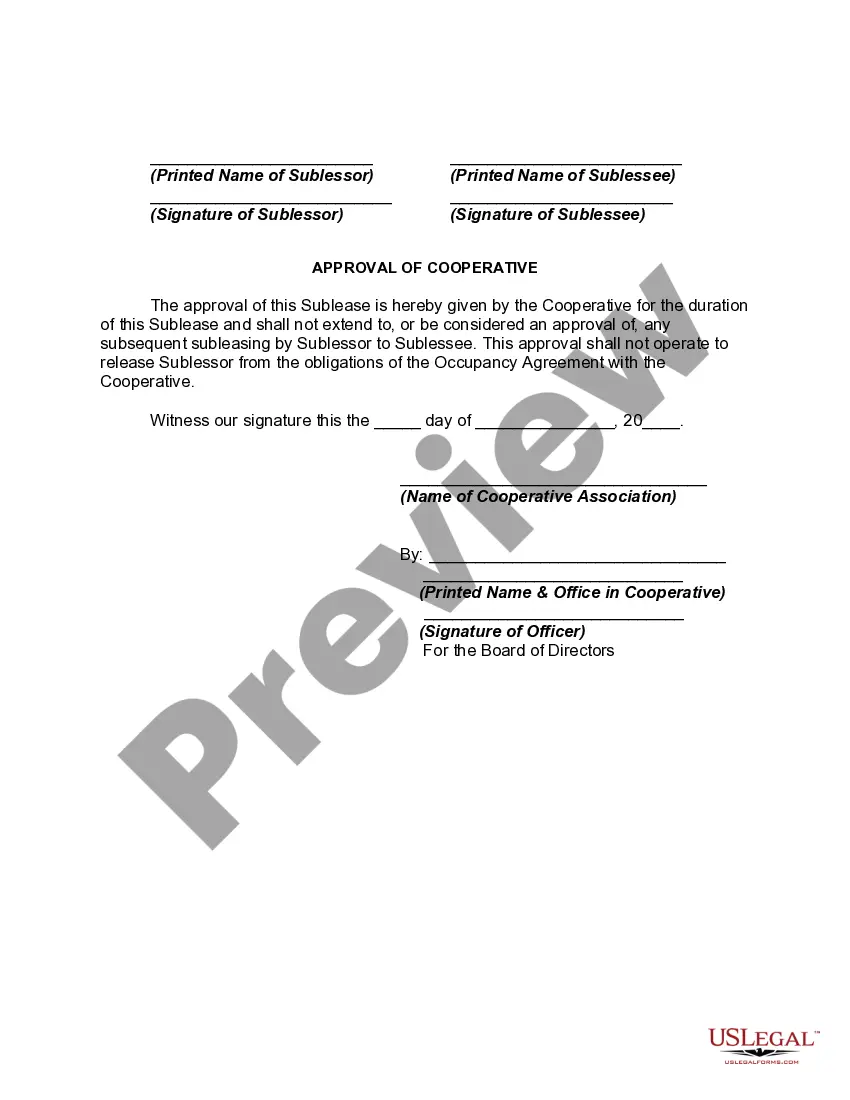
Sublease Agreement For Commercial Property In Fulton
Description


Get your form ready online
Our built-in tools help you complete, sign, share, and store your documents in one place.
Make edits, fill in missing information, and update formatting in US Legal Forms—just like you would in MS Word.
Download a copy, print it, send it by email, or mail it via USPS—whatever works best for your next step.
Sign and collect signatures with our SignNow integration. Send to multiple recipients, set reminders, and more. Go Premium to unlock E-Sign.
If this form requires notarization, complete it online through a secure video call—no need to meet a notary in person or wait for an appointment.
We protect your documents and personal data by following strict security and privacy standards.

Make edits, fill in missing information, and update formatting in US Legal Forms—just like you would in MS Word.

Download a copy, print it, send it by email, or mail it via USPS—whatever works best for your next step.

Sign and collect signatures with our SignNow integration. Send to multiple recipients, set reminders, and more. Go Premium to unlock E-Sign.

If this form requires notarization, complete it online through a secure video call—no need to meet a notary in person or wait for an appointment.

We protect your documents and personal data by following strict security and privacy standards.
Looking for another form?






Form popularity
FAQ
The basic framework: A sublease clause permits the tenant, with certain stipulations, to rent out either a portion or the entirety of their leased space to a third party, referred to as a subtenant.
Unlike residential leasing, commercial leasing involves more complex and negotiable terms, such as rent, duration, maintenance, improvements, and subleasing. To qualify for commercial leasing, you need to prepare a strong application that showcases your business plan, financials, and credibility.
What is included in a standard Commercial Sublease Agreement? Contract information. Names, addresses and contract information for both parties. Location of property. Physical address of building as well as a description of the specific space to be subleased. Terms. Payments. Utilities and services. Termination.
The Commercial Leasing Process Determine Your Needs. First, it's important to get very specific in your needs and wants. Look for Right Space. Create a Letter of Intent. Begin Lease Negotiations. Identify Target Occupancy Date. Move In.
How do Decide Rental rates for Your Commercial Property Market Research. Property Evaluation. Consider Operating Expenses. Determine Return on Investment (ROI). Assess Tenant Demand. Factor in Lease Terms. Seek Professional Advice. Regularly Review and Adjust Rent Rates:
How to Lease a Commercial Property (as a Tenant) Step 1: Determine Your Needs. Step 2: Research and Explore the Market. Step 3: Visit and Assess Properties. Step 4: Draft a Letter of Intent. Step 5: Review and Negotiate the Lease Agreement. Step 6: Finalize and Sign the Lease. Step 7: Prepare for Move-In.
At the very least, a commercial lease should identify the parties to the lease, state who is the landlord and who is the tenant, give the address of the property, and include the amount of the rent.
It is possible to draft your own lease agreement, but you are leaving yourself open to issues.
What are the most important steps for drafting a commercial lease agreement? Identify the parties and the property. Determine the rent and the term. Negotiate the improvements and the maintenance. Allocate the taxes and the insurance. Include the clauses and the contingencies. Review and sign the agreement.
Reasons a landlord might deny a sublet request Allowing the sublet would result in too many people living in the unit. Too many residents would be under 18. The prospective subtenant won't agree to the same terms as the original rental agreement. The prospective subtenant plans to keep pets in the unit.
