Aoa Forms Rental Agreement With Insurance In Dallas
Description


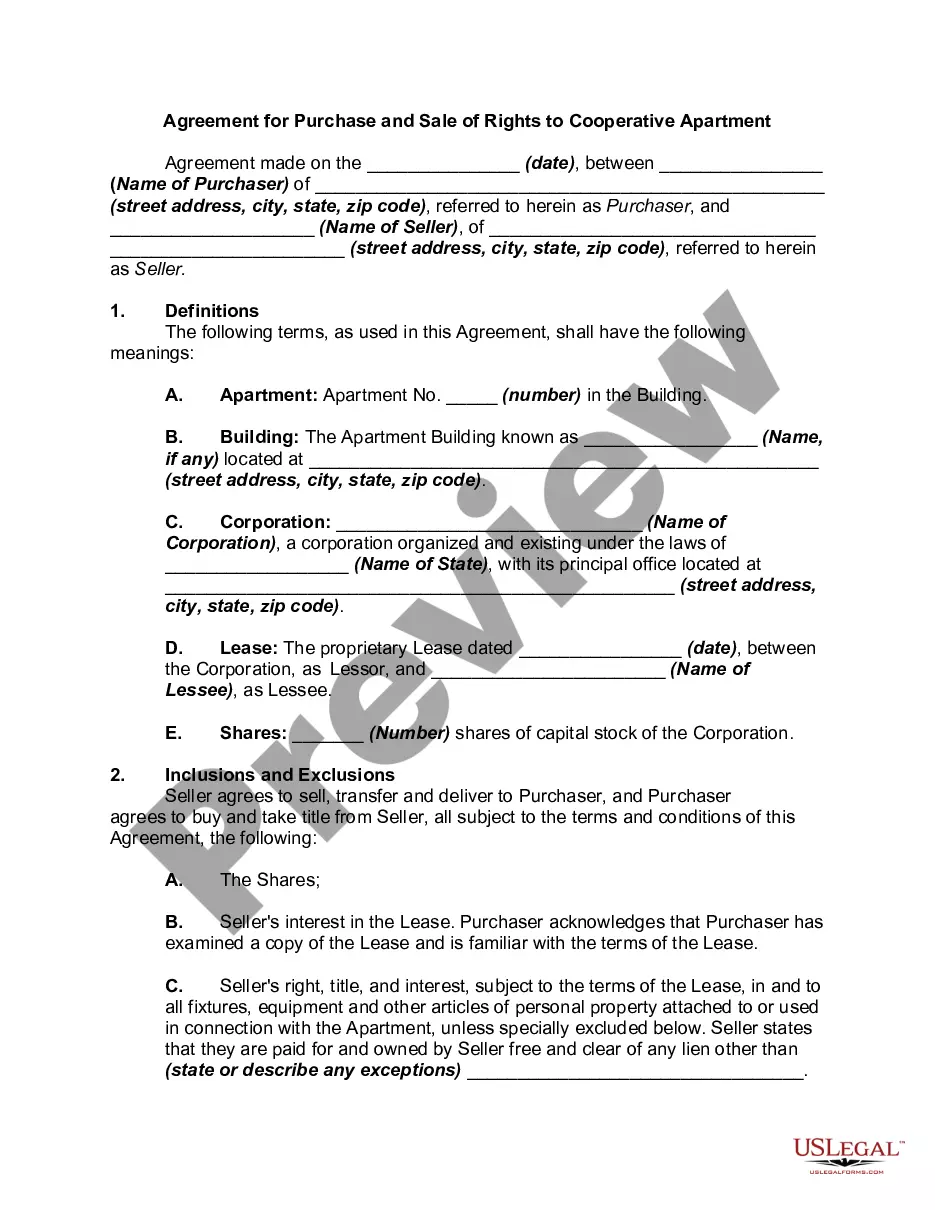
Get your form ready online
Our built-in tools help you complete, sign, share, and store your documents in one place.
Make edits, fill in missing information, and update formatting in US Legal Forms—just like you would in MS Word.
Download a copy, print it, send it by email, or mail it via USPS—whatever works best for your next step.
Sign and collect signatures with our SignNow integration. Send to multiple recipients, set reminders, and more. Go Premium to unlock E-Sign.
If this form requires notarization, complete it online through a secure video call—no need to meet a notary in person or wait for an appointment.
We protect your documents and personal data by following strict security and privacy standards.

Make edits, fill in missing information, and update formatting in US Legal Forms—just like you would in MS Word.

Download a copy, print it, send it by email, or mail it via USPS—whatever works best for your next step.

Sign and collect signatures with our SignNow integration. Send to multiple recipients, set reminders, and more. Go Premium to unlock E-Sign.

If this form requires notarization, complete it online through a secure video call—no need to meet a notary in person or wait for an appointment.

We protect your documents and personal data by following strict security and privacy standards.
Looking for another form?
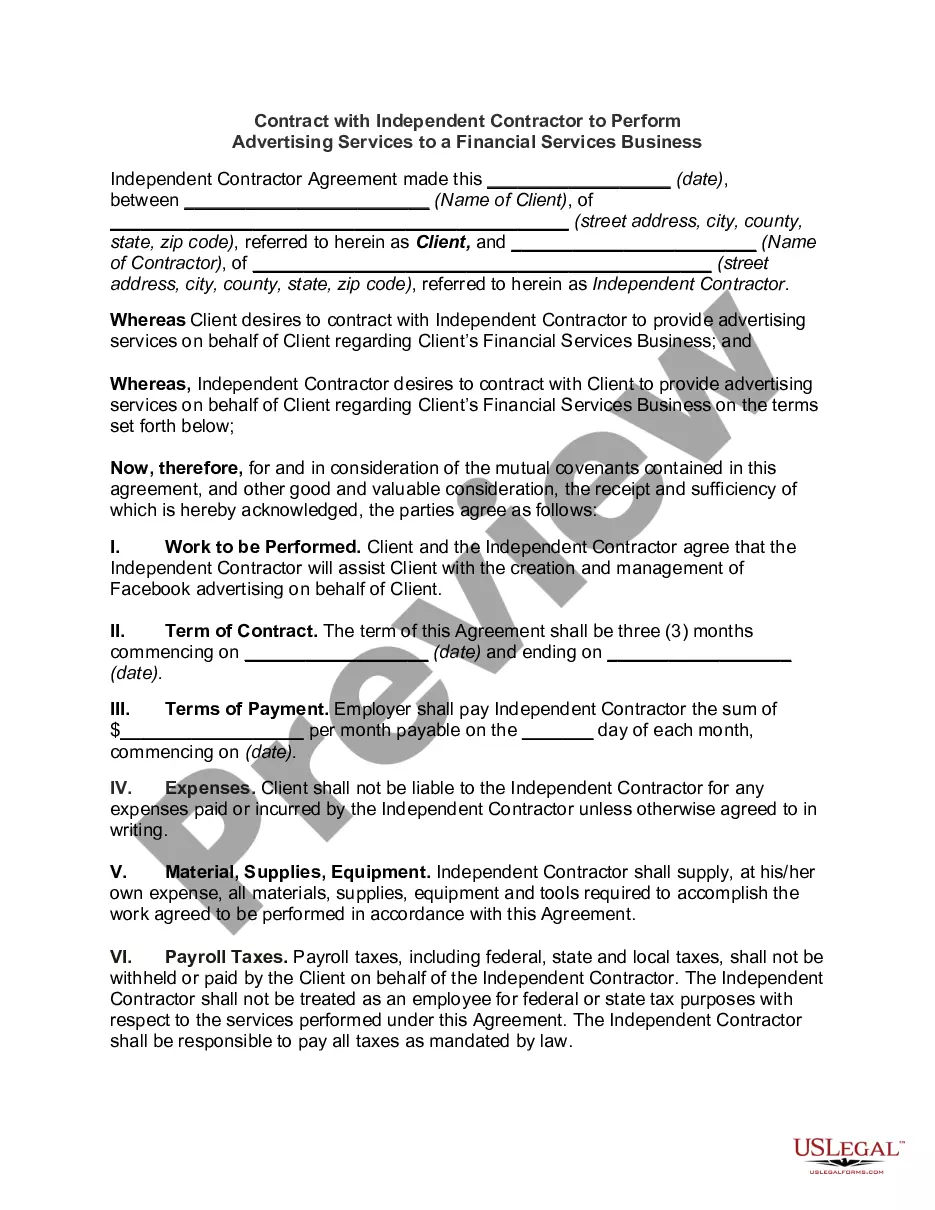



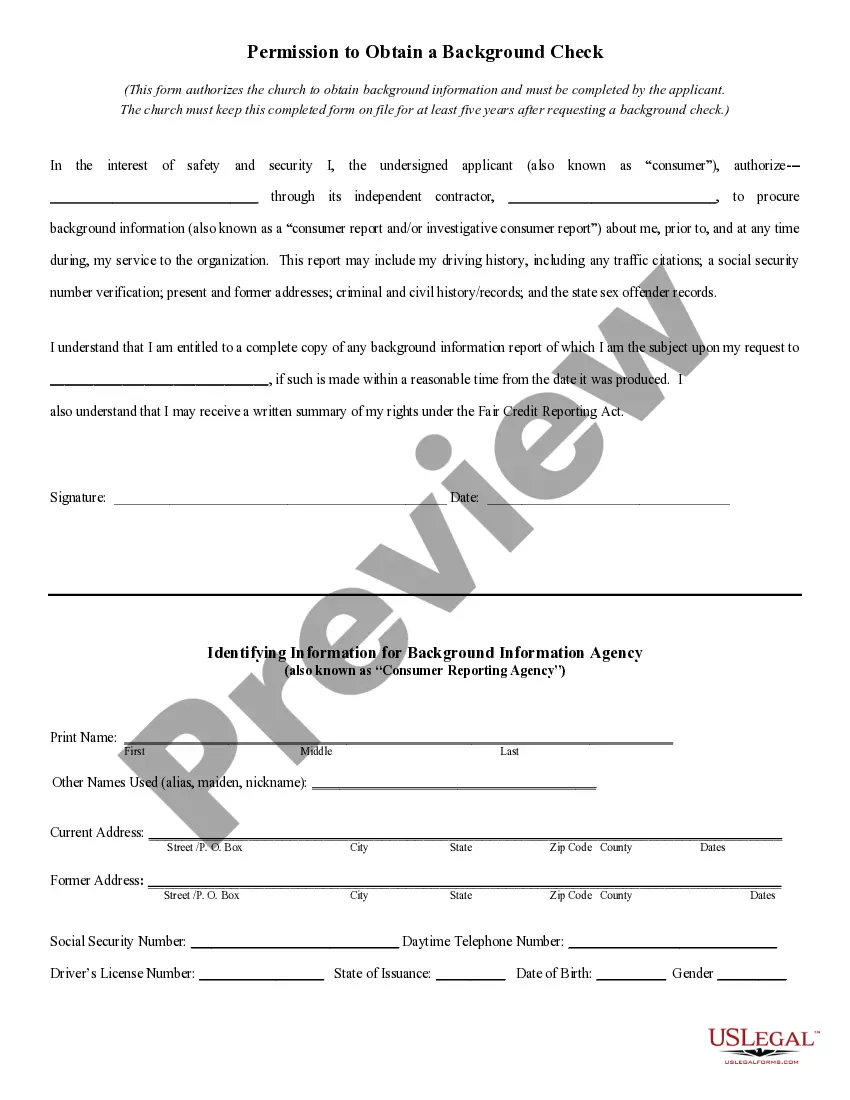




Form popularity
FAQ
In some areas, like Ohio and Georgia, certain long-term leases require notarization to be enforceable. Texas and California, in contrast, typically don't require notarization for standard residential leases. Landlords and tenants should consult local statutes to ensure compliance with specific requirements.
How to write a Texas lease agreement Begin by including the names and contact information of both the landlord and tenant. Describe the rental property, including its address and any unique features. Specify the lease term, including the move-in and move-out dates.
At the bare minimum, a rental agreement or lease should identify the leased property, state the names of all parties to the lease, the names of all occupants, the beginning date, when the contract expires, the amount of rent, when rent is due, when rent is late, and what happens if the tenant stays in the property ...
Here's a list of standard fields that you should include in your lease agreement: Tenant information. Include each tenant's full name and contact information. Rental property description. Security deposit. Monthly rent amount. Utilities. Lease term. Policies. Late fees.
It is possible to draft your own lease agreement, but you are leaving yourself open to issues.
To make yourself noticeable, use effective techniques when filling out your application. This includes doing thorough research, having a good rental history, demonstrating your financial stability, and maintaining a professional attitude.
A change of terms would require the approval of both parties (landlord and tenant). Some leases do contain a clause allowing the landlord to change the terms, but these are usually not true leases. If your agreement has a similar clause than either party may change the terms by giving notice.
How to fill out the Landlord Tenant Closing Statement Template? Provide landlord and tenant information. Enter details about the rental property. List the security deposits and other charges. Calculate totals and determine any amounts due. Sign and date the form.
What are the most important steps for drafting a commercial lease agreement? Identify the parties and the property. Determine the rent and the term. Negotiate the improvements and the maintenance. Allocate the taxes and the insurance. Include the clauses and the contingencies. Review and sign the agreement.
