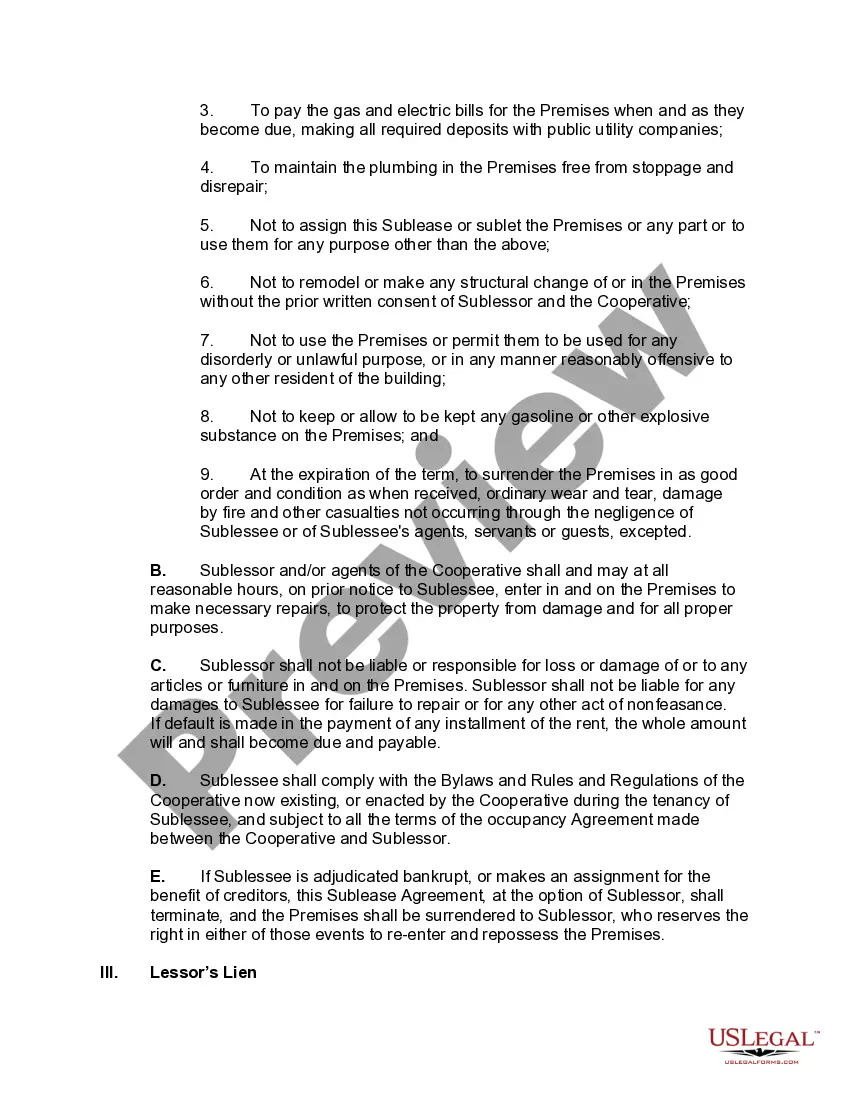
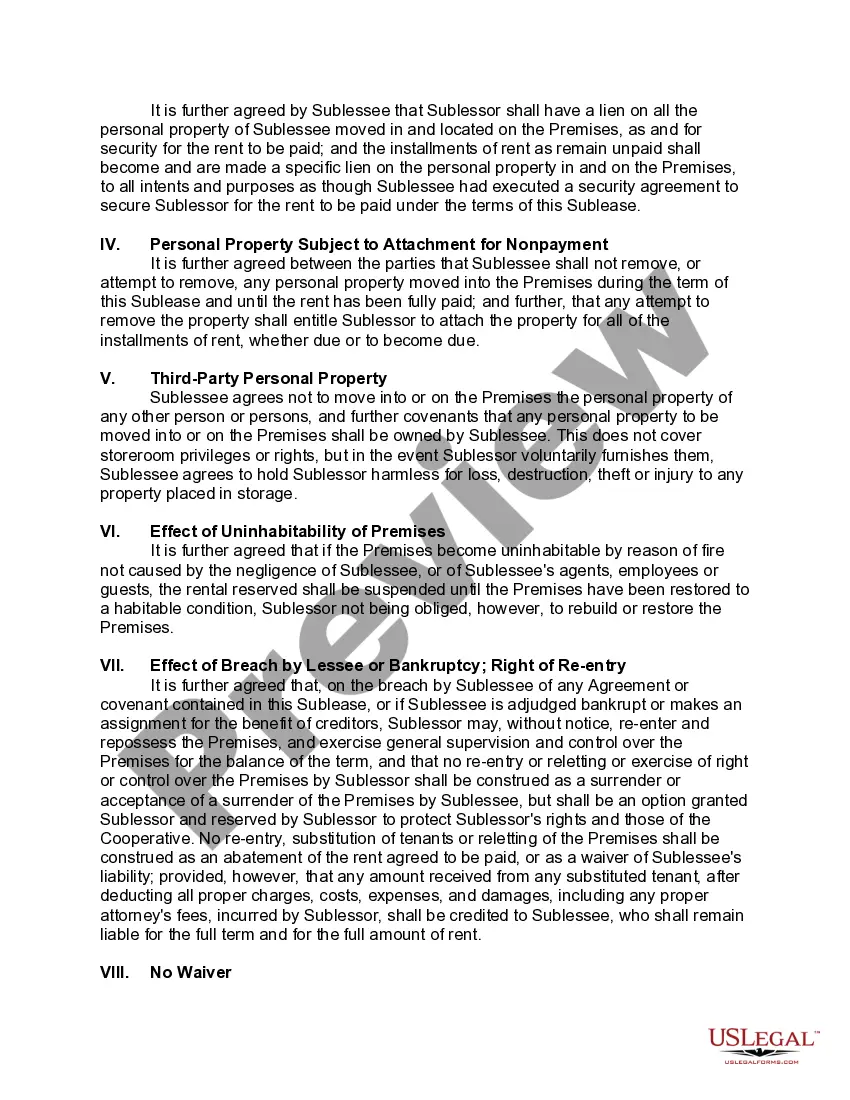
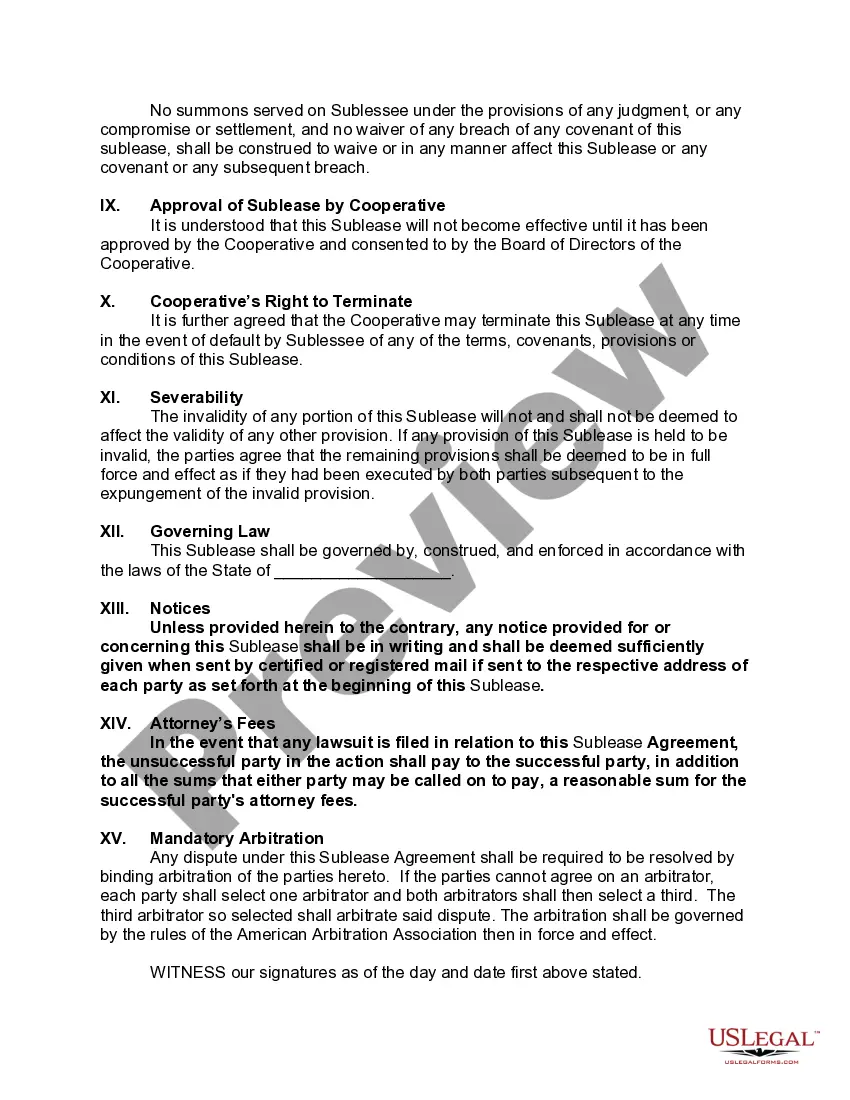
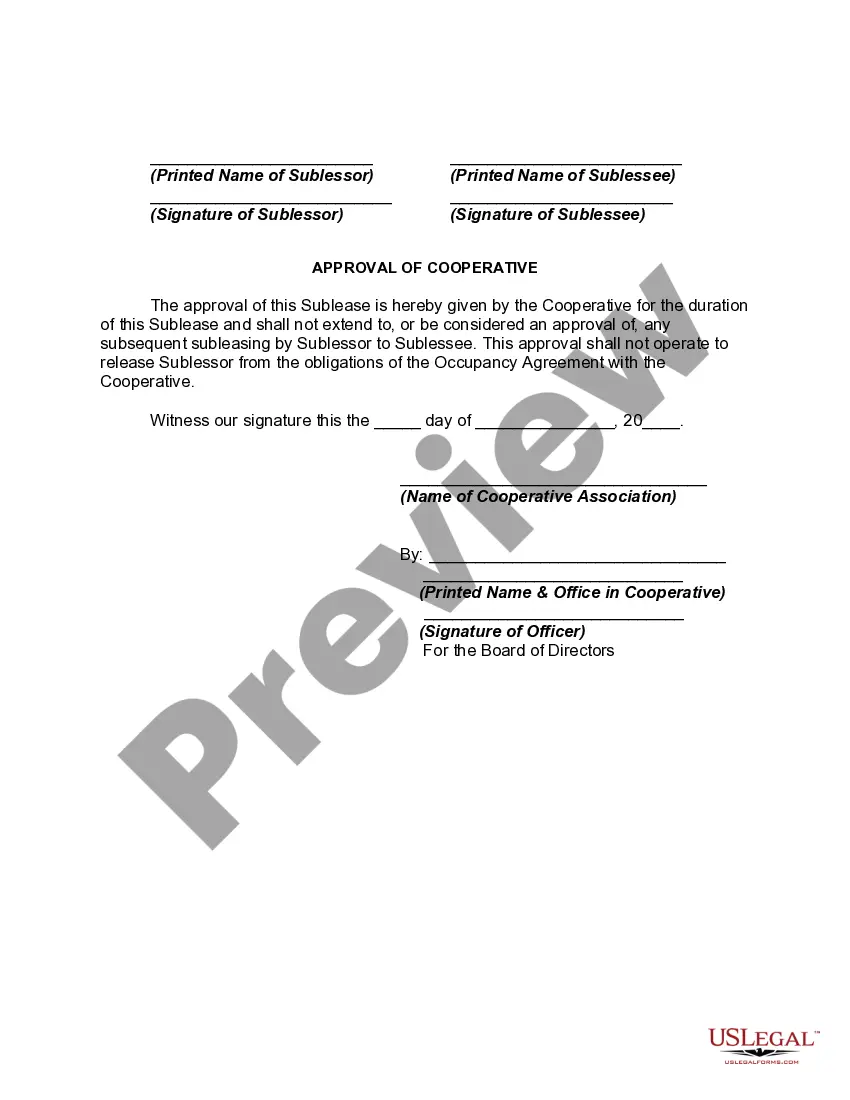
Sublease Agreement For Commercial Property In Allegheny
Description


Get your form ready online
Our built-in tools help you complete, sign, share, and store your documents in one place.
Make edits, fill in missing information, and update formatting in US Legal Forms—just like you would in MS Word.
Download a copy, print it, send it by email, or mail it via USPS—whatever works best for your next step.
Sign and collect signatures with our SignNow integration. Send to multiple recipients, set reminders, and more. Go Premium to unlock E-Sign.
If this form requires notarization, complete it online through a secure video call—no need to meet a notary in person or wait for an appointment.
We protect your documents and personal data by following strict security and privacy standards.

Make edits, fill in missing information, and update formatting in US Legal Forms—just like you would in MS Word.

Download a copy, print it, send it by email, or mail it via USPS—whatever works best for your next step.

Sign and collect signatures with our SignNow integration. Send to multiple recipients, set reminders, and more. Go Premium to unlock E-Sign.

If this form requires notarization, complete it online through a secure video call—no need to meet a notary in person or wait for an appointment.

We protect your documents and personal data by following strict security and privacy standards.
Looking for another form?




Form popularity
FAQ
In Pennsylvania, a tenant must obtain the landlord's written consent before subleasing their rental unit. This requirement is typically outlined in the lease agreement. Landlords have the right to approve or deny a potential subtenant, though denial must be based on legally acceptable reasons.
What is included in a standard Commercial Sublease Agreement? Contract information. Names, addresses and contract information for both parties. Location of property. Physical address of building as well as a description of the specific space to be subleased. Terms. Payments. Utilities and services. Termination.
A sublease contract means less control over apartment changes. As a subtenant, you have limited control over the apartment as you are not the primary leaseholder. The original tenant has ultimate control over the property and can impose restrictions or limitations on your use of the space.
Cons of Subleasing Not all subleasers are dependable; sometimes, they sublet because they can't make ends meet, which can be an issue. Although the original tenant is financially responsible, that doesn't remove all risk for landlords.
San Francisco, Oakland and Berkeley passed laws to protect renters in roommate/subletting situations. If you live in one of these cities, your landlord can neither deny you the right to nor evict you for replacing a roommate or subletting a room without their consent.
The basic framework: A sublease clause permits the tenant, with certain stipulations, to rent out either a portion or the entirety of their leased space to a third party, referred to as a subtenant.
Reasons a landlord might deny a sublet request Allowing the sublet would result in too many people living in the unit. Too many residents would be under 18. The prospective subtenant won't agree to the same terms as the original rental agreement. The prospective subtenant plans to keep pets in the unit.
Too much trouble and risk if things go wrong. Makes evictions more complicated and costly. especially in a tenant friendly state like CA. All pain, for no gain.
If you do not have a written lease, in most circumstances the law considers you to have an oral month-to-month lease. Either you or your landlord can end the lease at the end of any month, for any reason or for no reason.
