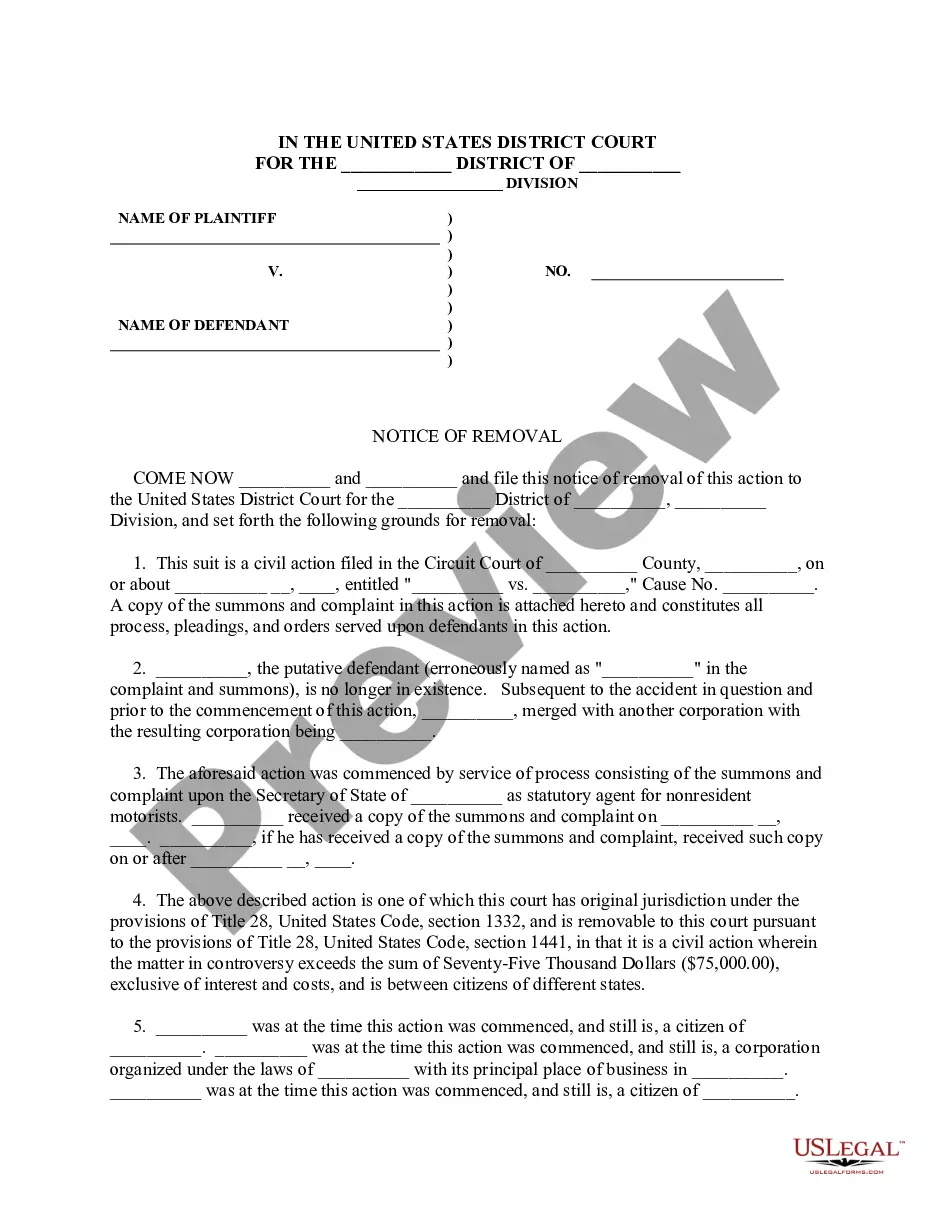
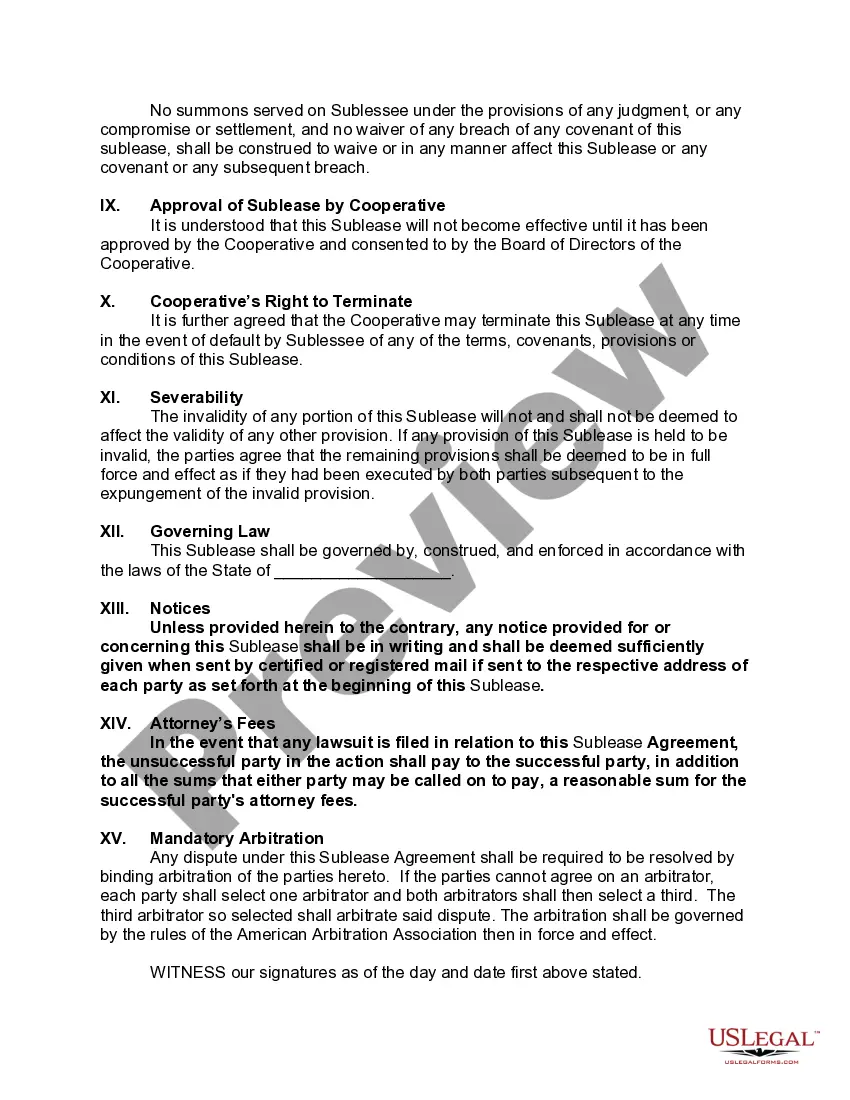
Sublease Agreement For Roommate In Alameda
Description

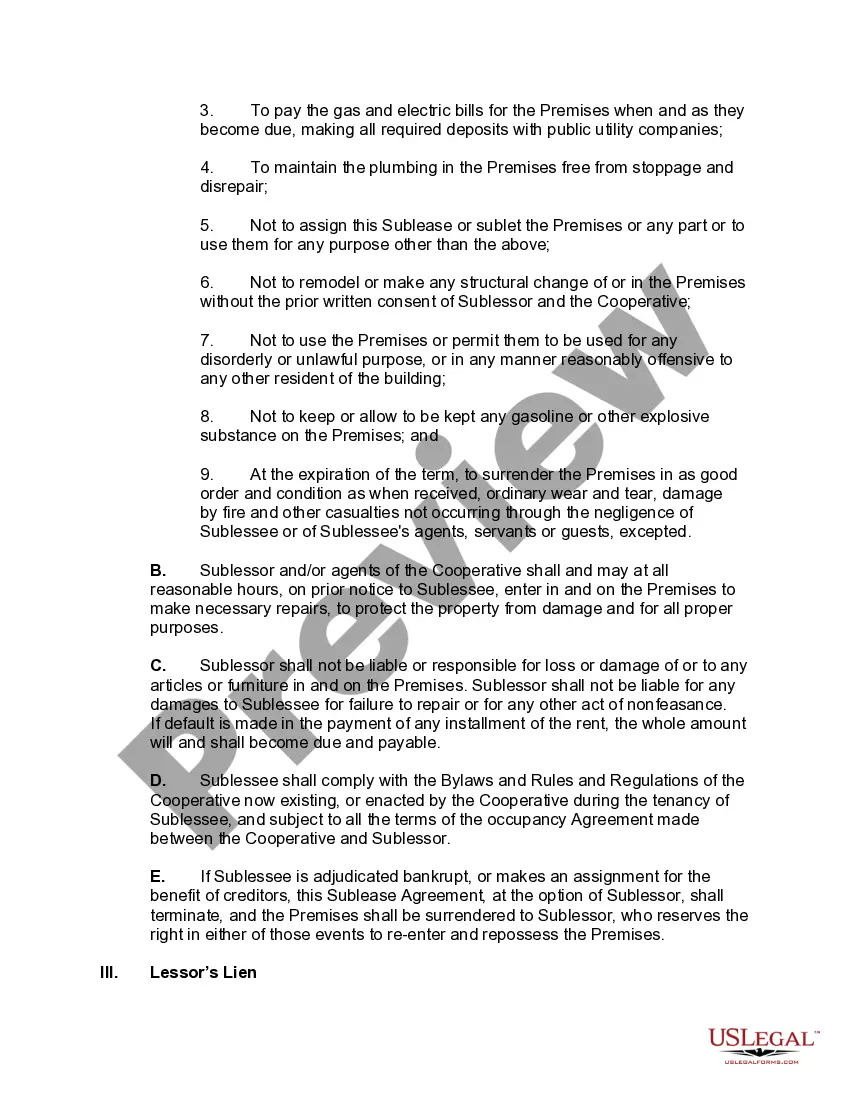
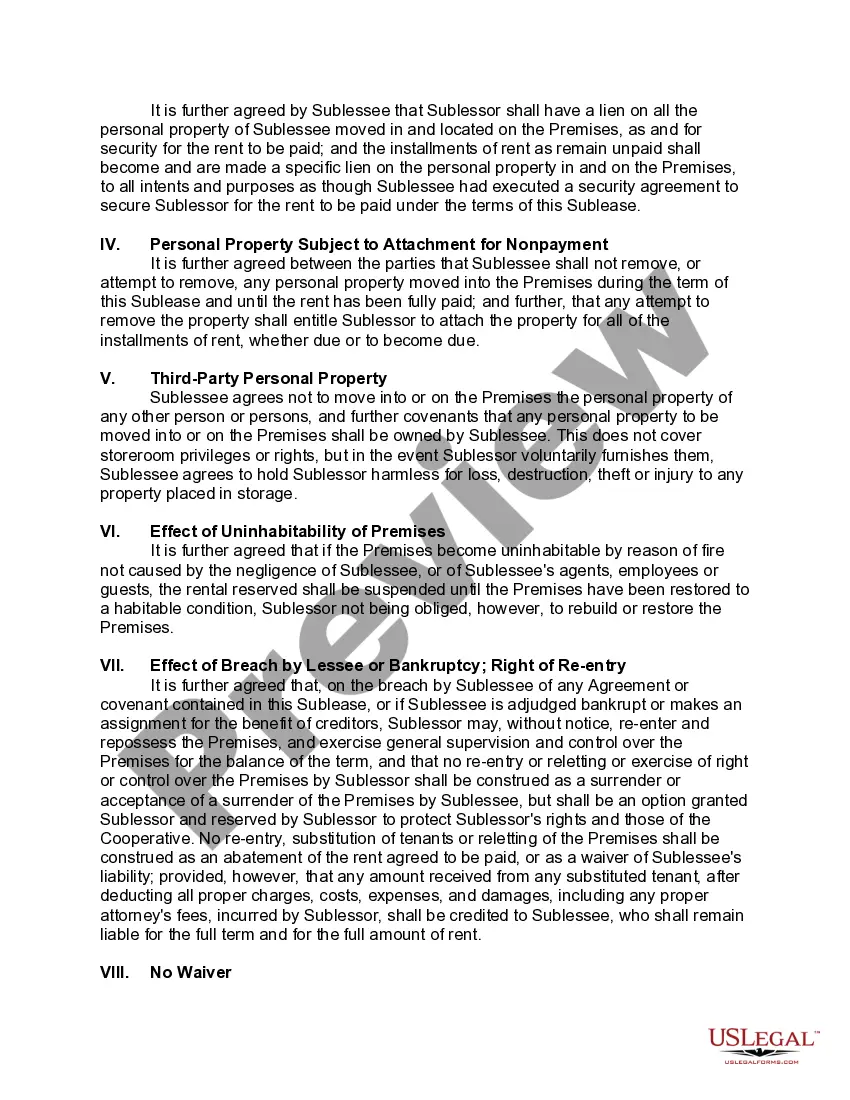

Get your form ready online
Our built-in tools help you complete, sign, share, and store your documents in one place.
Make edits, fill in missing information, and update formatting in US Legal Forms—just like you would in MS Word.
Download a copy, print it, send it by email, or mail it via USPS—whatever works best for your next step.
Sign and collect signatures with our SignNow integration. Send to multiple recipients, set reminders, and more. Go Premium to unlock E-Sign.
If this form requires notarization, complete it online through a secure video call—no need to meet a notary in person or wait for an appointment.
We protect your documents and personal data by following strict security and privacy standards.

Make edits, fill in missing information, and update formatting in US Legal Forms—just like you would in MS Word.

Download a copy, print it, send it by email, or mail it via USPS—whatever works best for your next step.

Sign and collect signatures with our SignNow integration. Send to multiple recipients, set reminders, and more. Go Premium to unlock E-Sign.

If this form requires notarization, complete it online through a secure video call—no need to meet a notary in person or wait for an appointment.

We protect your documents and personal data by following strict security and privacy standards.
Looking for another form?

Form popularity
FAQ
What do I include in a Roommate Agreement? Information about the property, roommates, and original lease. Term or length of the agreement. Rent responsibilities. Security deposit details. Responsibilities for utilities and household costs. House rules, roommate duties, and restrictions. Rules for termination of tenancy.
Standard roommate agreements are legally binding, and you can tailor them to your specific situation. Their contents can include: Names of both tenants. Specify whether you're co-tenants on the lease, or whether you're the primary tenant and the other is a roommate.
What can you do? Give formal, written notice you wish to terminate the tenancy and you are returning possession. Get a receipt for it. Do what you can to get the ex-roommate and owner to sign a new lease agreement. Until there is a new lease, or until your roommate returns possession, you are still on the hook.
Put Your Roommate Agreement in Writing Much of your agreement won't be legally binding—for example, a judge likely wouldn't order your roommate to clean the bathroom. Judges will, however, enforce promises regarding financial matters, such as splitting rent and paying utility bills.
Although roommate agreements and sublease agreements can be either oral or written and both types are enforceable under California law, it is far easier to prove the terms of a written agreement.
A Roommate Agreement is where there is one lease, naming both parties, with the owner of the property as the Landlord. A sublease, is where one person has a lease with the Landlord, and then enters into a sublease with another person and becomes their Landlord.
Typically, a Roommate Agreement can be customized more than a Rental Agreement. Do I have to notarize a Roommate Agreement? No, you're not required to notarize a Roommate Agreement. For additional security, you can do so, but inviting two or more witnesses, although that's not a requirement either.
Your Step-by-Step Guide to Subletting in California Read Your Lease Carefully. Obtain Pre-Approval to Sublet. Find and Screen a Subletter. Send a Written Request for Approval. Wait Patiently (but Not Too Patiently). Collect and Store Security Deposit and Rent. Enjoy Your Freedom:
Here are 16 steps on how to make a lease agreement: Include the contact information of both parties. Include property details. Outline property utilities and services. Define the lease term. Disclose the monthly rent amount and due date. Detail the penalties and late fees. Describe any additional or services fees.