Partnering Angel Investor With An Affinity For In Middlesex
Description

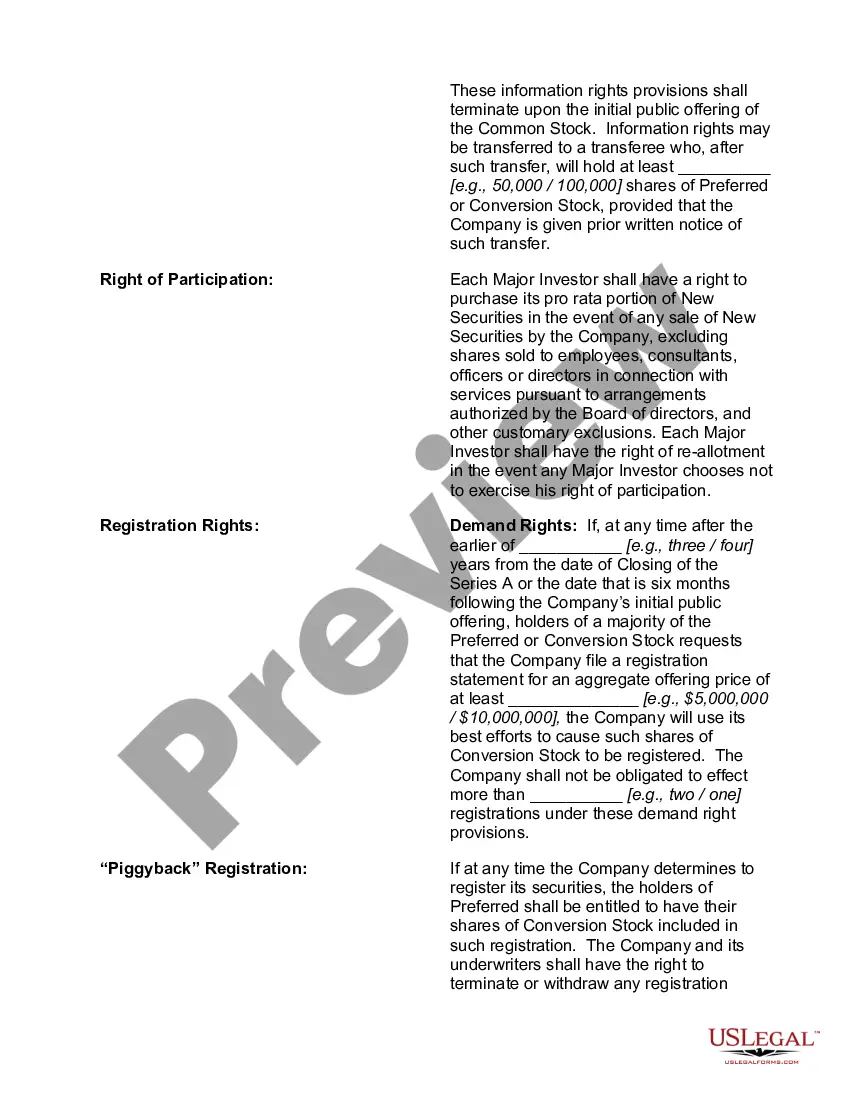
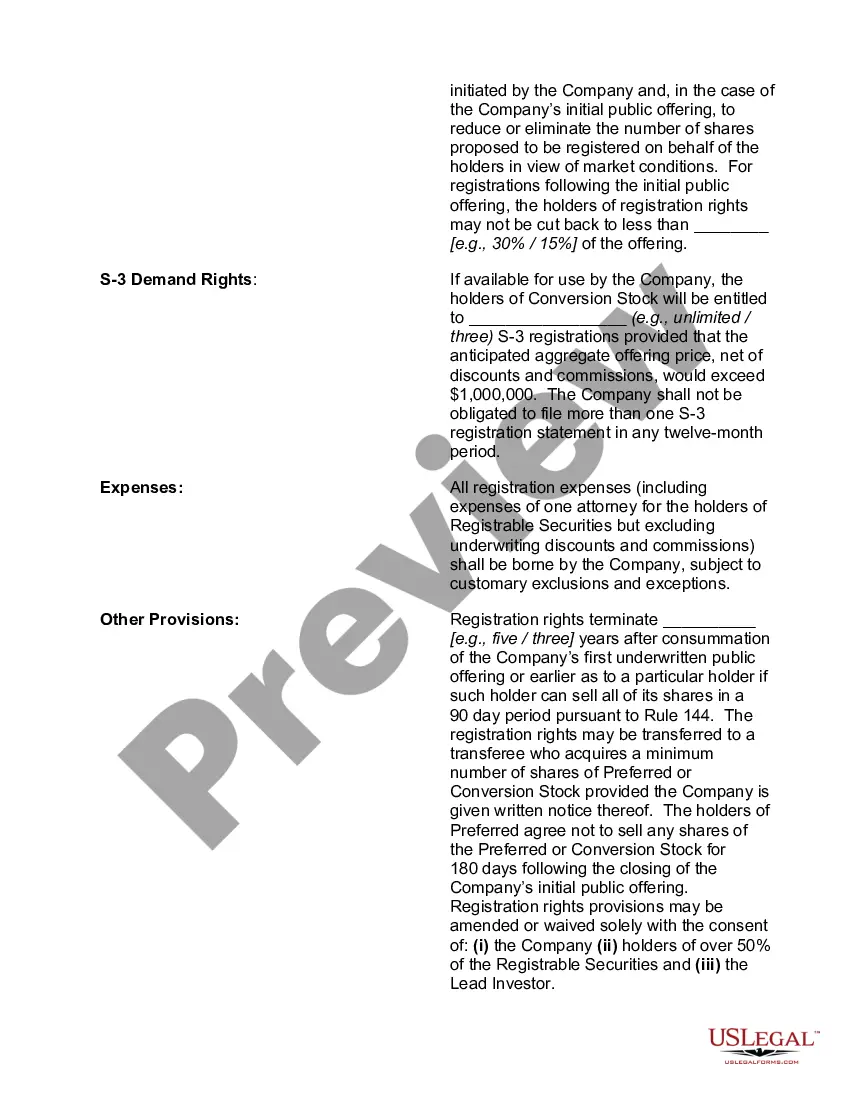
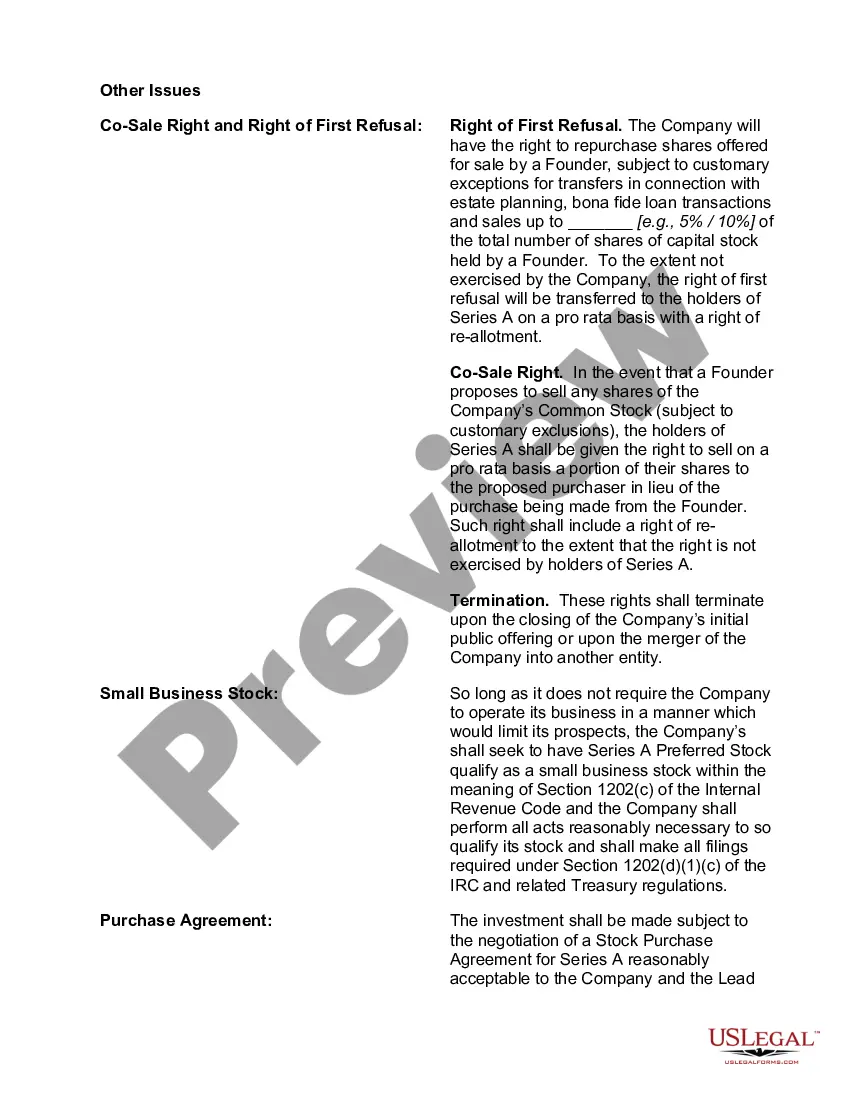
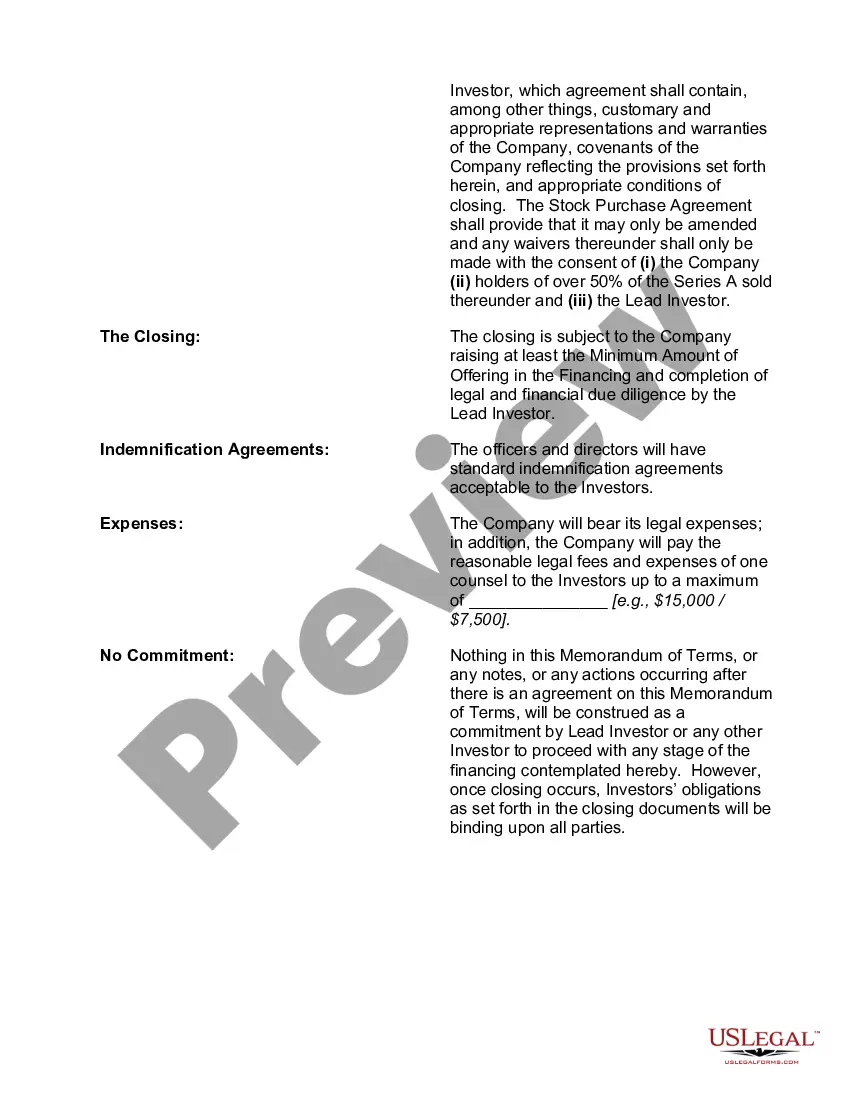
Get your form ready online
Our built-in tools help you complete, sign, share, and store your documents in one place.
Make edits, fill in missing information, and update formatting in US Legal Forms—just like you would in MS Word.
Download a copy, print it, send it by email, or mail it via USPS—whatever works best for your next step.
Sign and collect signatures with our SignNow integration. Send to multiple recipients, set reminders, and more. Go Premium to unlock E-Sign.
If this form requires notarization, complete it online through a secure video call—no need to meet a notary in person or wait for an appointment.
We protect your documents and personal data by following strict security and privacy standards.

Make edits, fill in missing information, and update formatting in US Legal Forms—just like you would in MS Word.

Download a copy, print it, send it by email, or mail it via USPS—whatever works best for your next step.

Sign and collect signatures with our SignNow integration. Send to multiple recipients, set reminders, and more. Go Premium to unlock E-Sign.

If this form requires notarization, complete it online through a secure video call—no need to meet a notary in person or wait for an appointment.

We protect your documents and personal data by following strict security and privacy standards.
Looking for another form?







Form popularity
FAQ
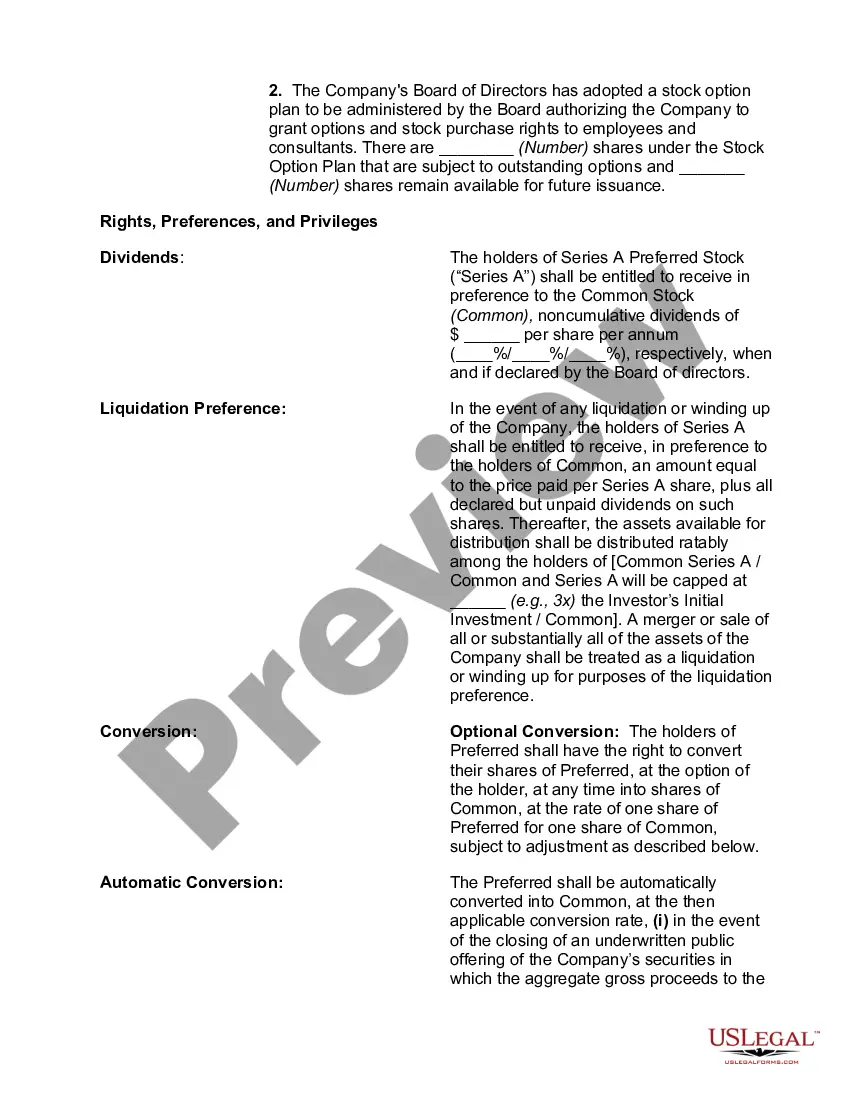
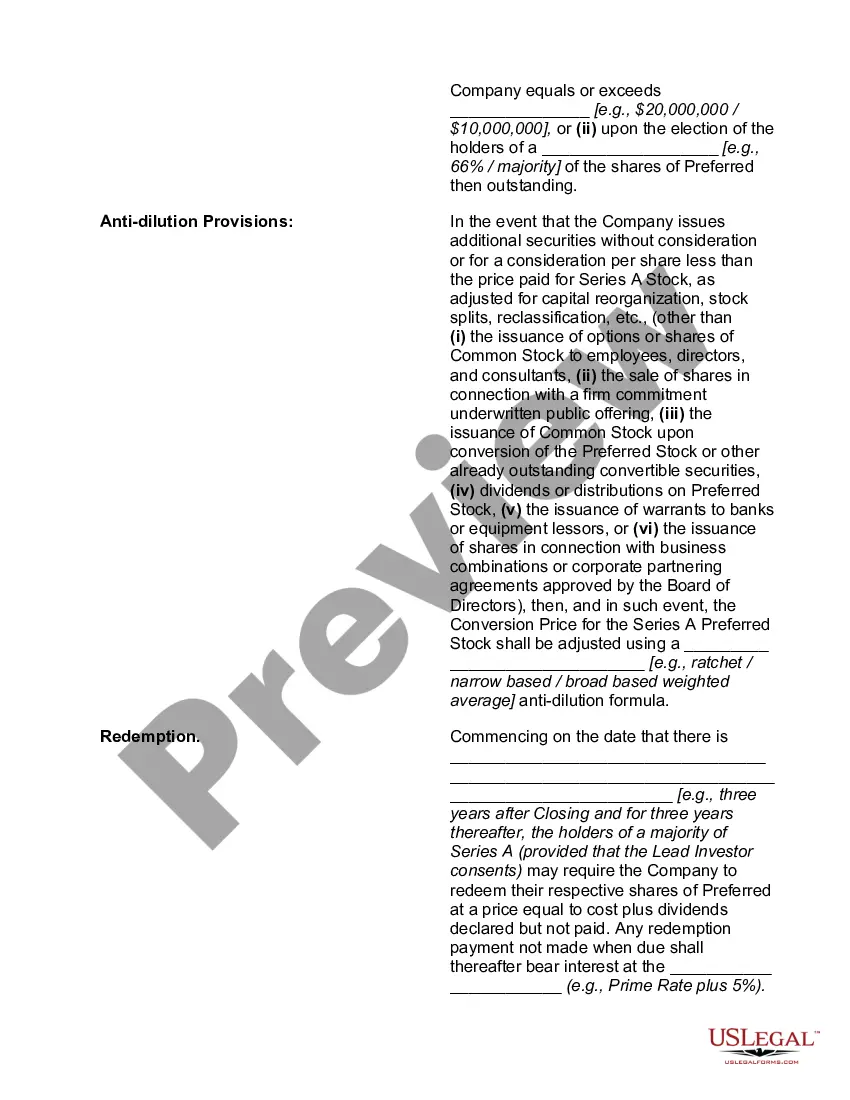
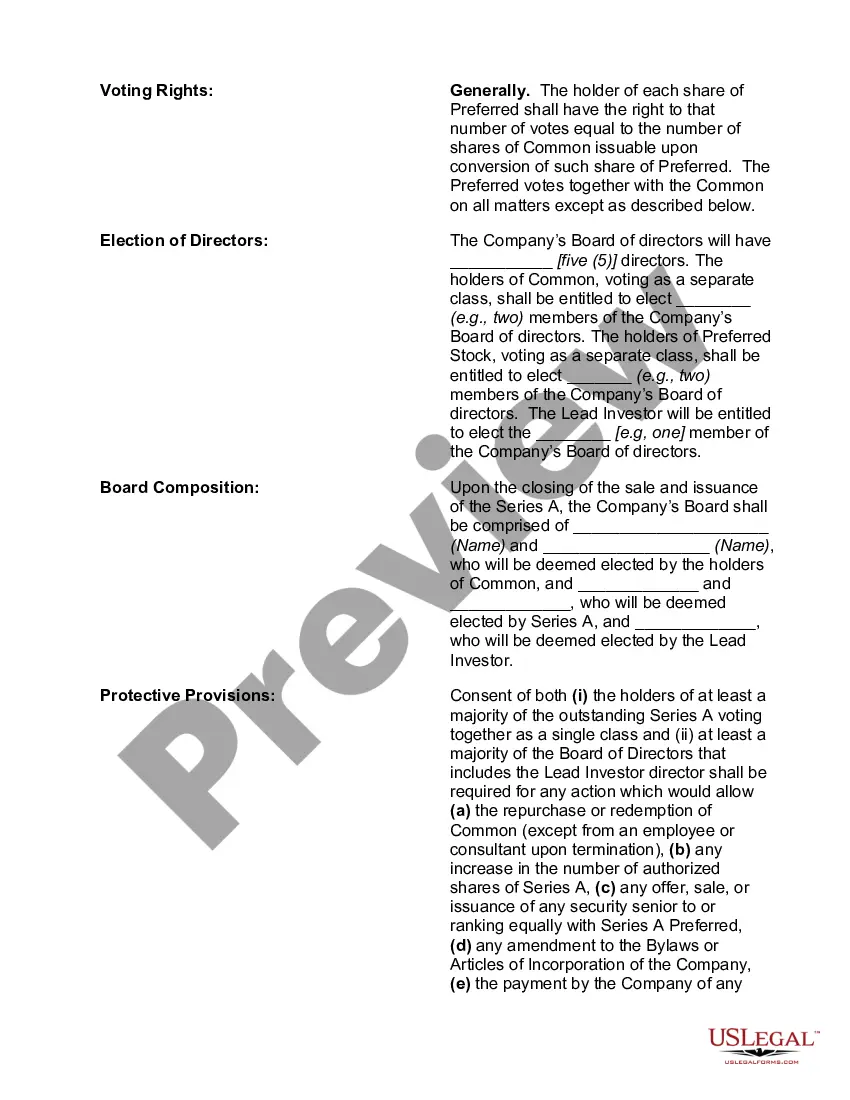
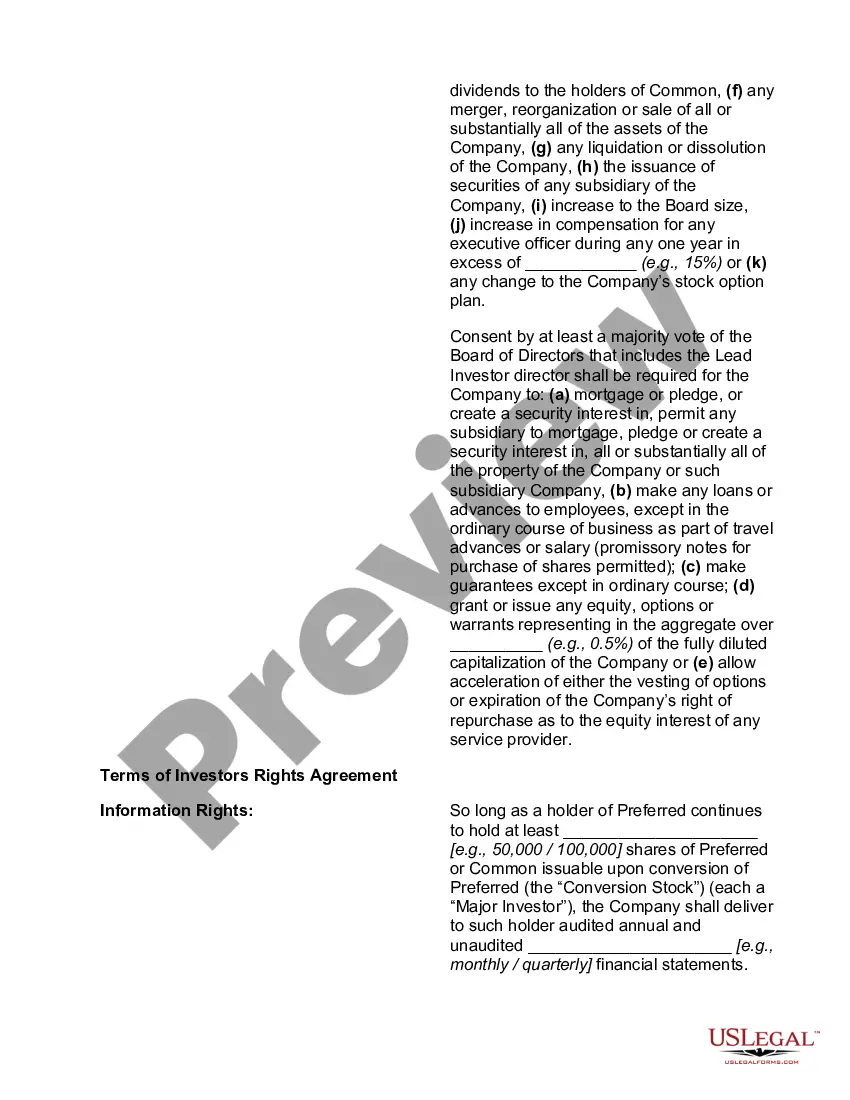
While there are a number of ways an investment can be structured, deals you come across will commonly be one of three structures: Convertible Notes. Convertible notes (also known as convertible debt), are a form of debt that convert to equity once a company raises a further round of financing. SAFEs. Priced Rounds.
Typically, an angel investment deal is typically composed of two key elements: an investment in equity, and a convertible note. Each of these components has distinct characteristics and implications for both the investor and the entrepreneur.
Angel investors typically seek a 10%-30% equity stake in a company. This percentage is negotiated based on your startup's valuation, the funding amount and the perceived risk. It's essential to strike a balance that reflects your company's current value and future potential.
Contents Overview of the Investment Agreement. Understand the purpose of the agreement. Identify all parties involved in the agreement. Identifying the Parties Involved. Determine who is the investor and who is the recipient. Outline the roles and responsibilities of each party. Establishing the Terms of the Investment.
Unlike a loan that must be repaid with interest, angel investors focus on helping startups take their first steps. In return, they generally seek an equity stake and a seat on the board.
What to include in an investor agreement. A well-executed agreement should include the basics, such as names and addresses, the amount and purpose of the investment, and each party's signatures. In addition, when drafting an investor agreement, the Kumar Law Firm said to be concise and not leave room for ambiguity.
How to Draft an Investor Agreement Step-by-Step Preliminary Considerations. Define the Terms of the Investment. Outline Rights and Obligations. Include Key Provisions. Draft Protective Clauses for Both Parties. Finalize the Agreement.
Generally, angel investors aim for a return of 20% to 30% per year on their investments. This target reflects the high risk associated with investing in early-stage startups, many of which may fail.
