Partnering Angel Investor For Small Business In Maricopa
Description

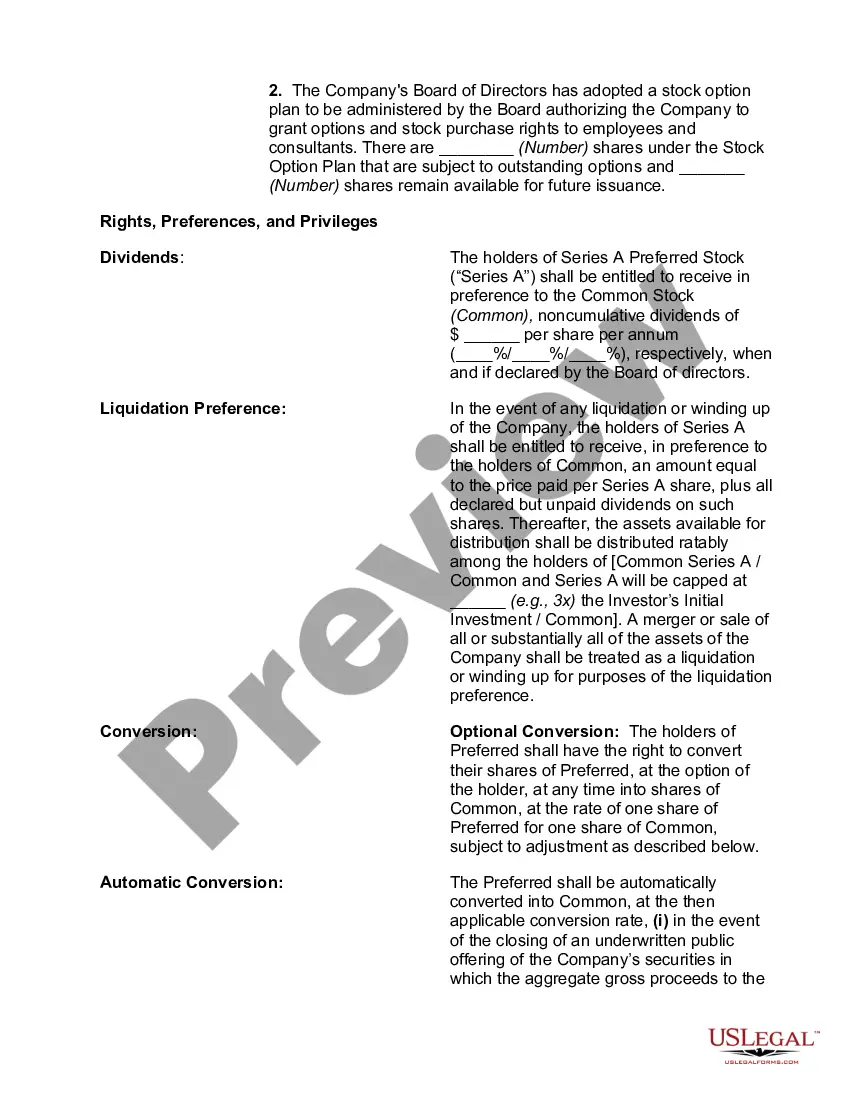
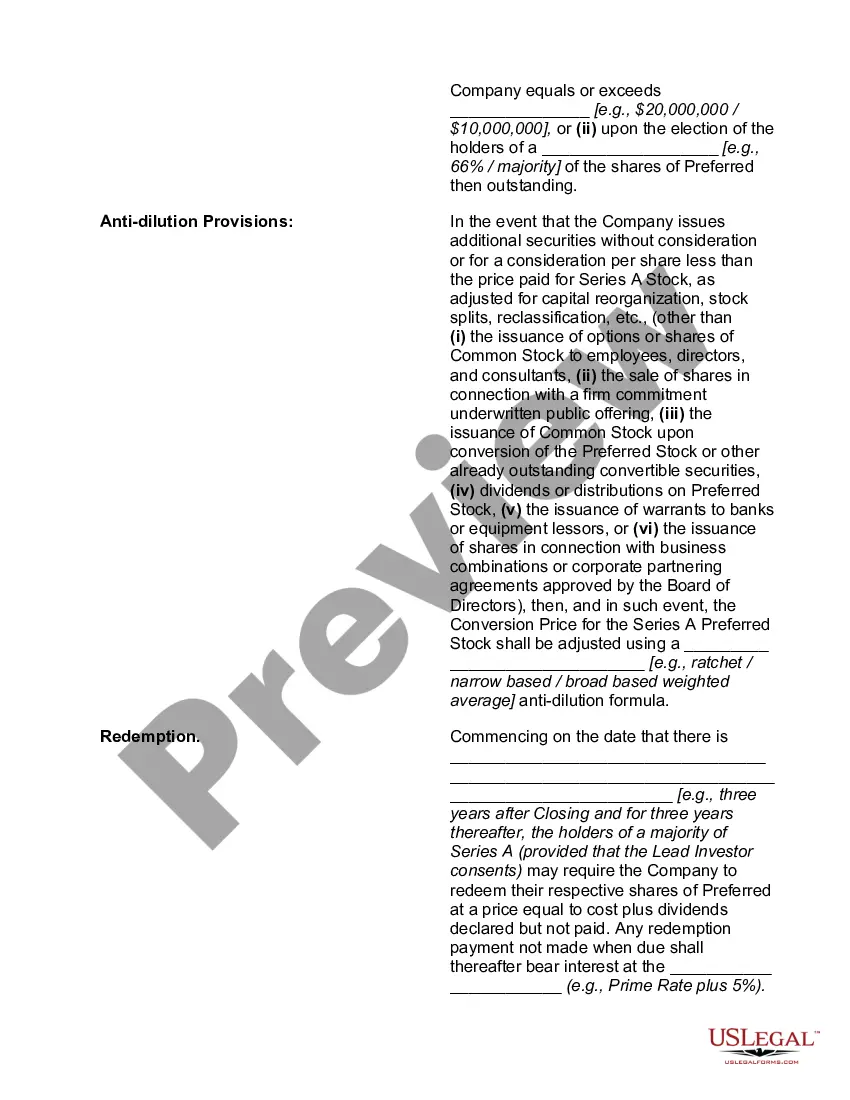
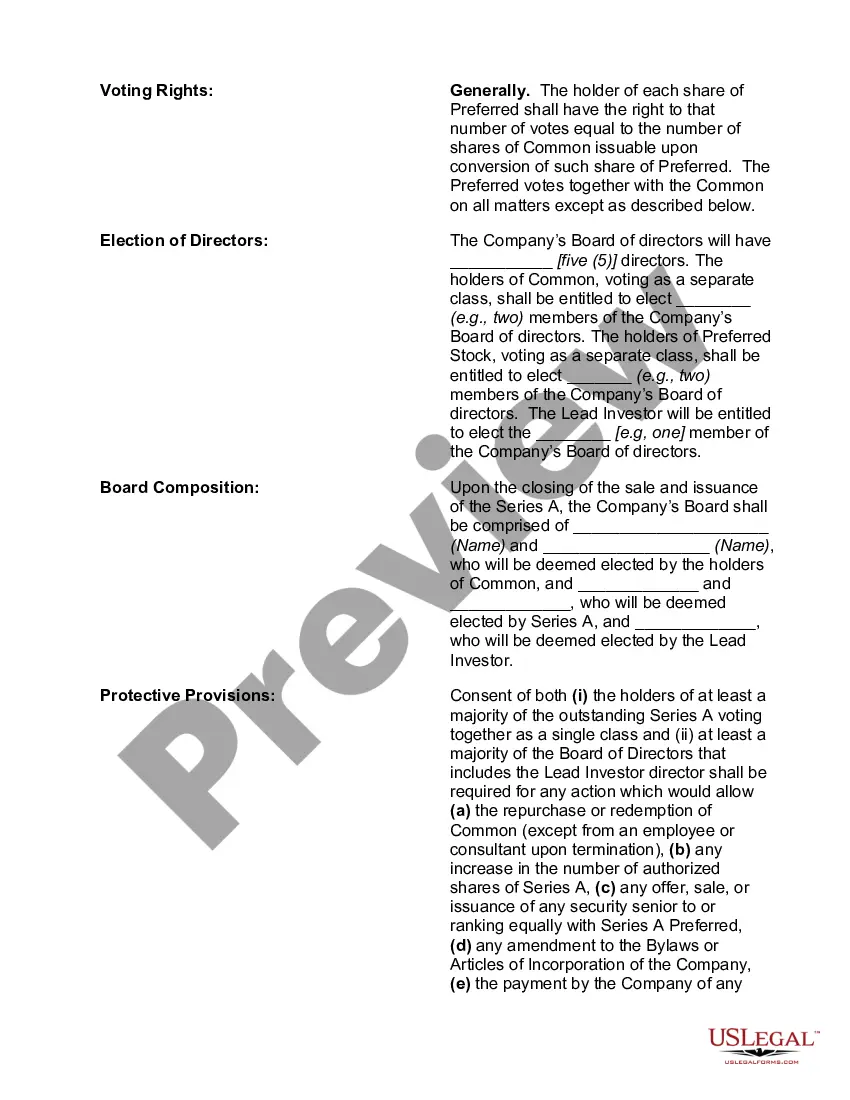
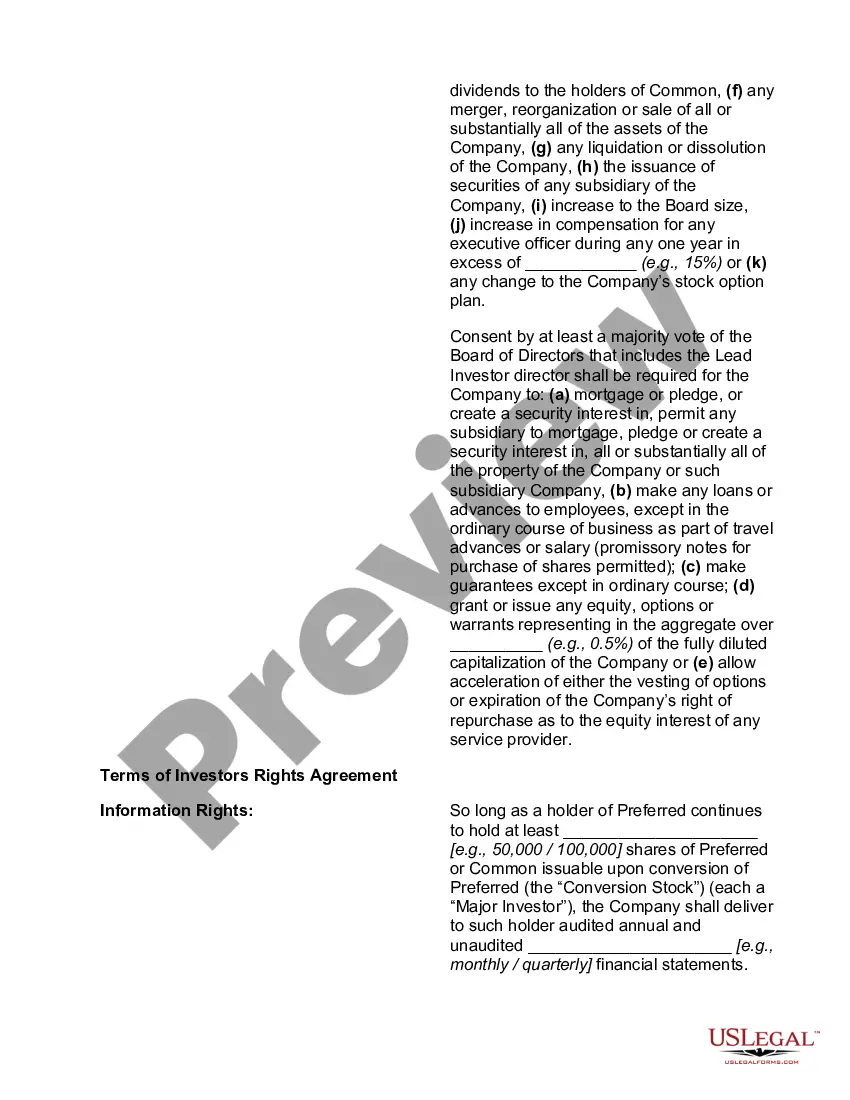
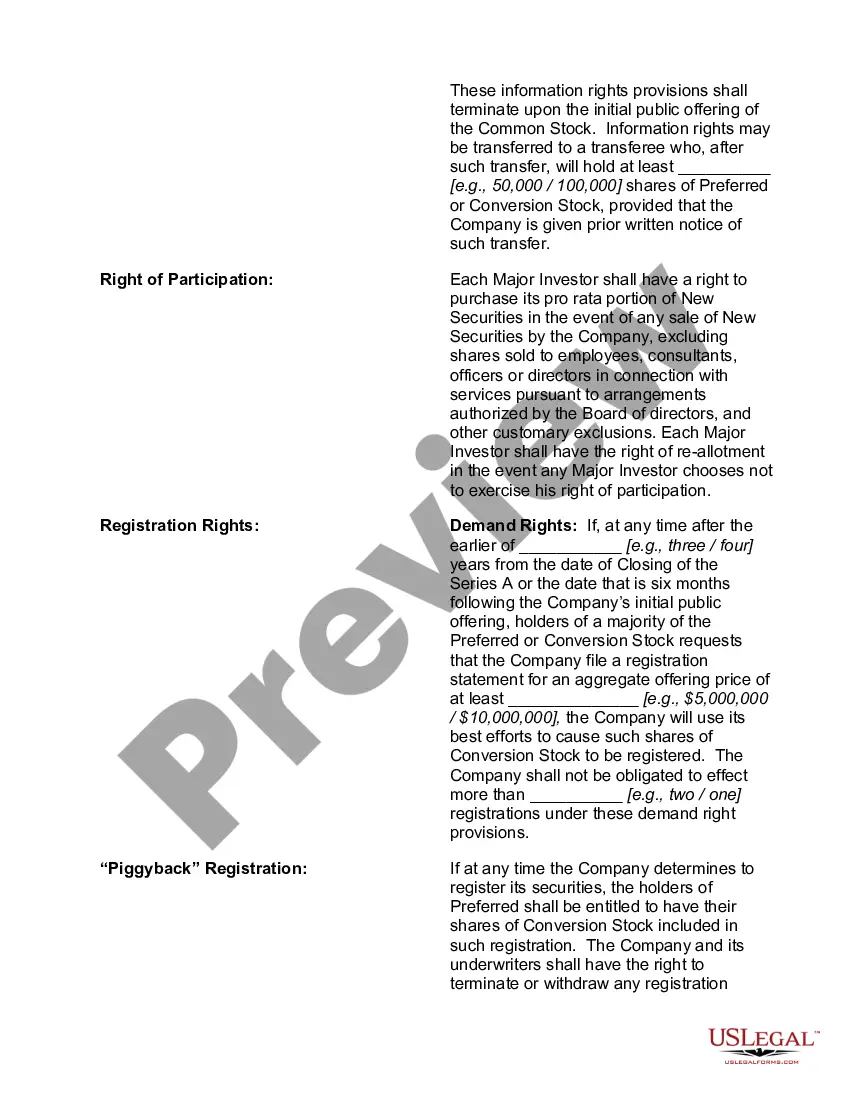
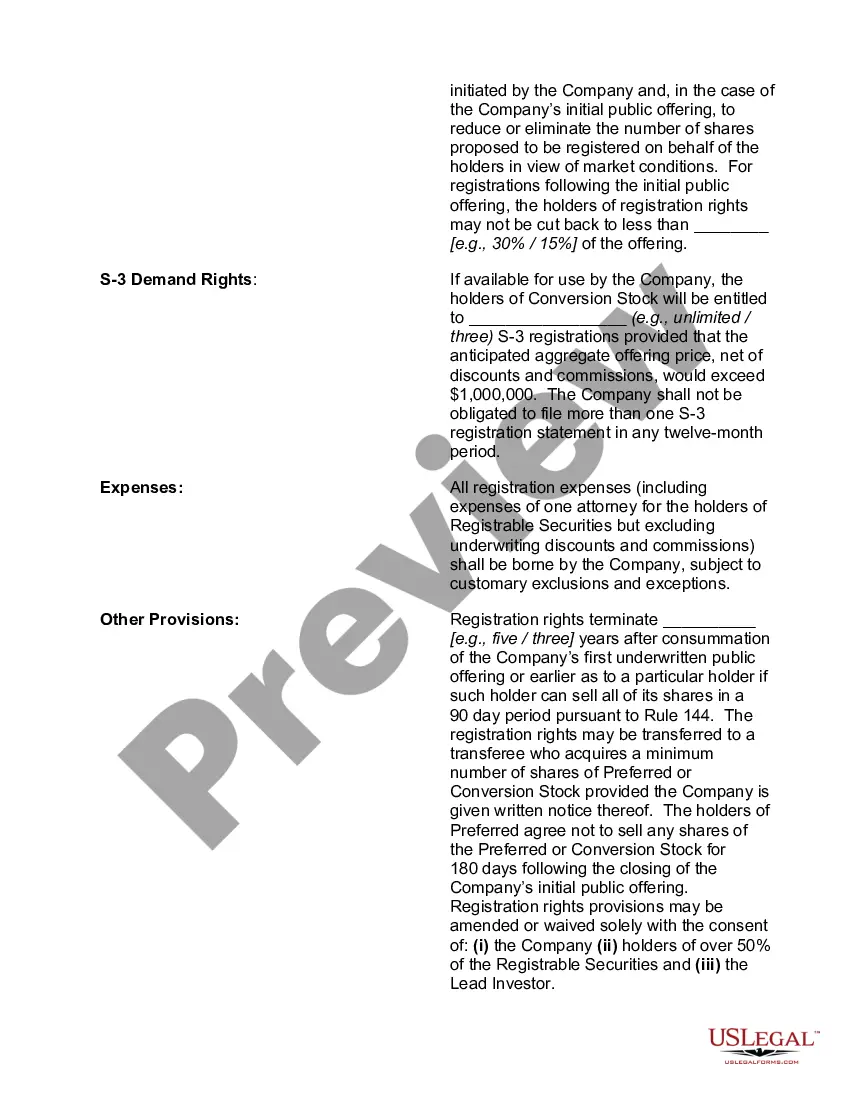
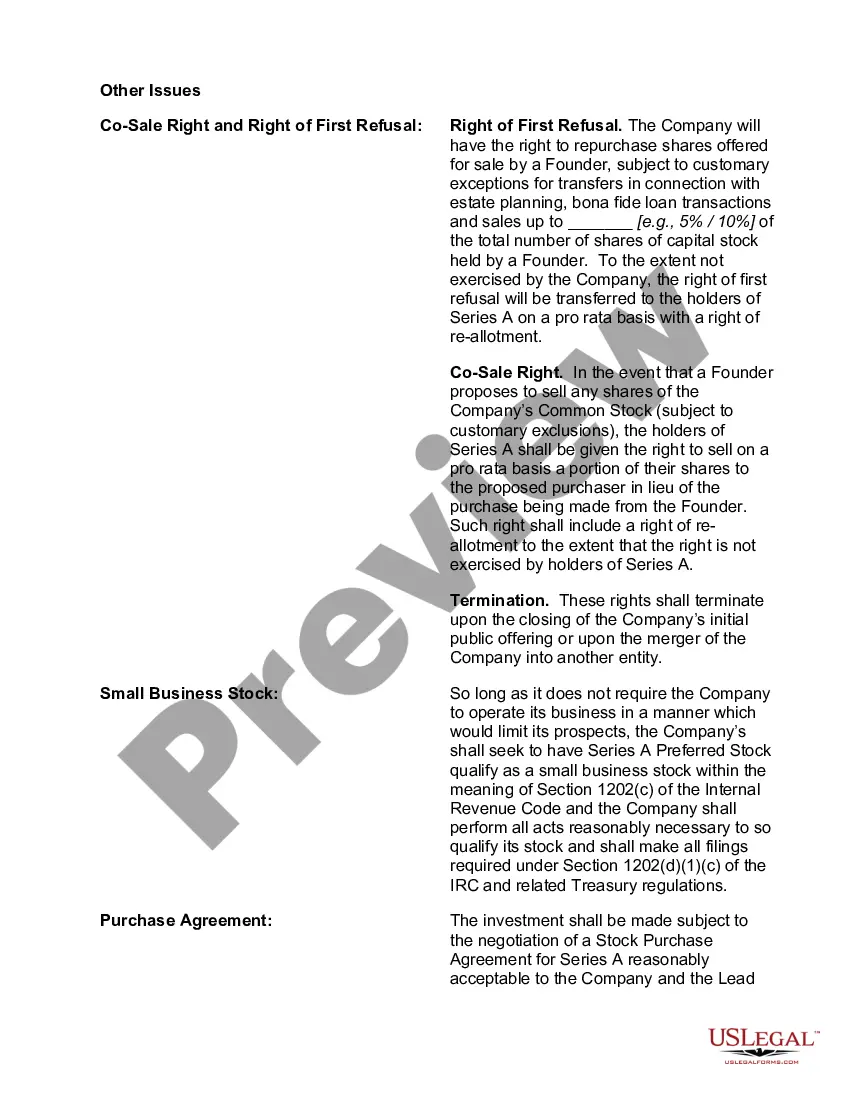
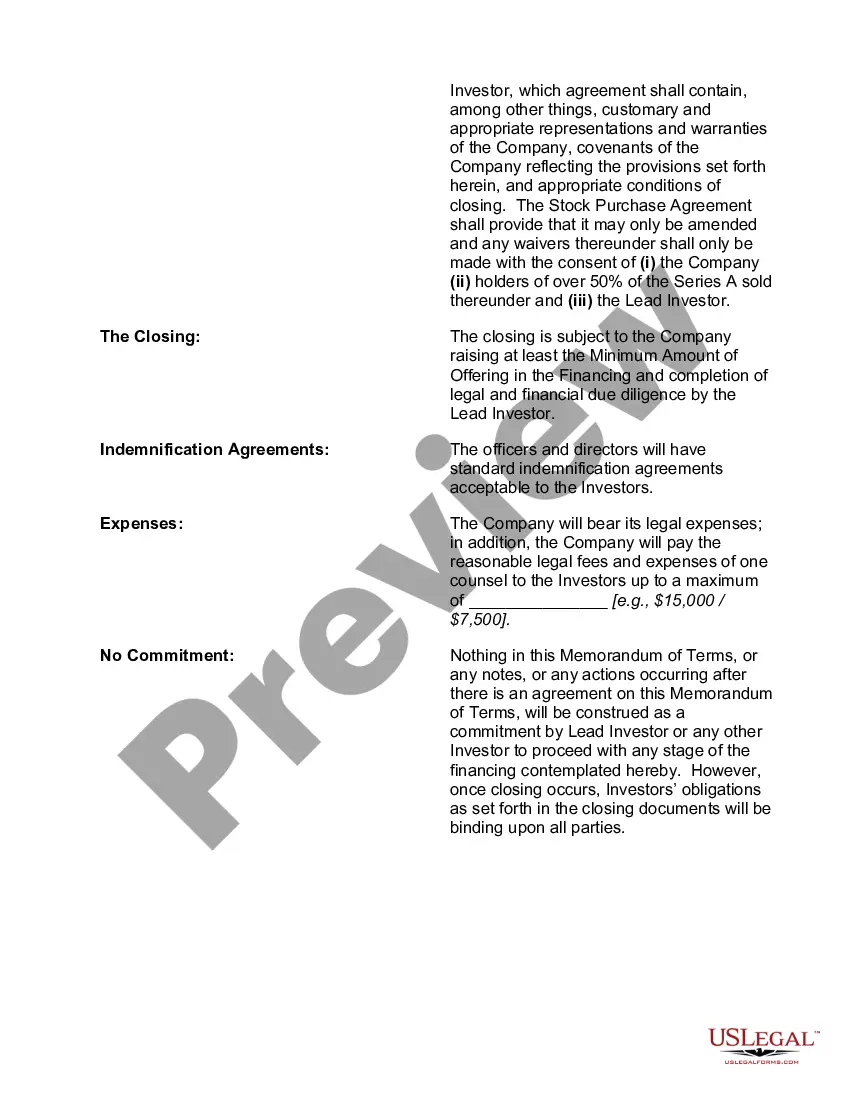
Get your form ready online
Our built-in tools help you complete, sign, share, and store your documents in one place.
Make edits, fill in missing information, and update formatting in US Legal Forms—just like you would in MS Word.
Download a copy, print it, send it by email, or mail it via USPS—whatever works best for your next step.
Sign and collect signatures with our SignNow integration. Send to multiple recipients, set reminders, and more. Go Premium to unlock E-Sign.
If this form requires notarization, complete it online through a secure video call—no need to meet a notary in person or wait for an appointment.
We protect your documents and personal data by following strict security and privacy standards.

Make edits, fill in missing information, and update formatting in US Legal Forms—just like you would in MS Word.

Download a copy, print it, send it by email, or mail it via USPS—whatever works best for your next step.

Sign and collect signatures with our SignNow integration. Send to multiple recipients, set reminders, and more. Go Premium to unlock E-Sign.

If this form requires notarization, complete it online through a secure video call—no need to meet a notary in person or wait for an appointment.

We protect your documents and personal data by following strict security and privacy standards.
Looking for another form?








Form popularity
FAQ
You can find Angel investors on Linkedin, Angellist and Crunchbase. You can also go to Angel networks such as Keiretsu (search on Google based on your location). Another method is to participate in startup incubation, acceleration programs and competitions, angels are invited to these programs.
Angel investors typically seek a 10%-30% equity stake in a company. This percentage is negotiated based on your startup's valuation, the funding amount and the perceived risk. It's essential to strike a balance that reflects your company's current value and future potential.
What percentage do angel investors take? The percentage of ownership that angel investors typically take in a company can vary, but typically it is between 10-20%.
The Average Investment Amount However, research suggests that the average angel investment falls within the range of $25,000 to $100,000. Angel investors typically invest smaller amounts compared to venture capitalists or private equity firms.
Convertible Debt. Equity: In an equity investment structure, angel investors receive shares or ownership in the company in exchange for their investment. This means that they become partial owners of the business and are entitled to a portion of the company's profits and assets.
Several variables, including the type of investment, the level of risk, and the expected return, will affect what constitutes a fair percentage for an investor. For angel investors, the typical standard is to provide between 20-25% of your company's profits.
To market and sell investments, an individual must obtain a securities license. What license you need is determined by what kinds of products you sell, the type of compensation, and what kind of services you provide. The Series 7 license has the broadest reach, allowing holders to sell various securities.
There is no course or requirement to become an angel investor. Many Angel investors are accredited investors, but ing to the SEC, angel investors do not have to be accredited.
It's typically between around 10% and 25% but it can be as much as 40% or more. Angel investment is most suitable if your business has growth potential, and you're willing to give up part ownership in return for investment.
THE FIRST REQUIREMENT FOR BEING AN ANGEL INVESTOR IS YOU HAVE TO BE AN ACCREDITED INVESTOR. The Securities and Exchange Commission (SEC) first developed these accredited investor rules back in 1933 to protect potential investors.
