Angel Term Form Withdrawal In Los Angeles
Description

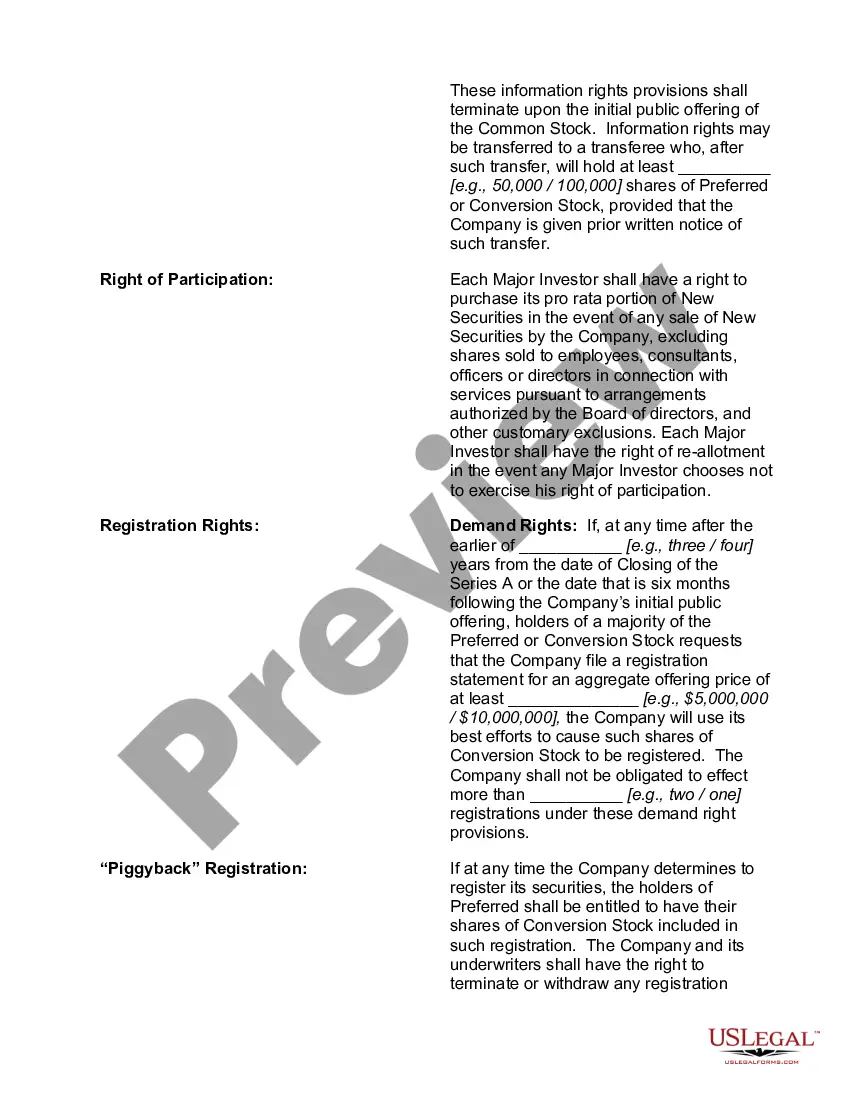
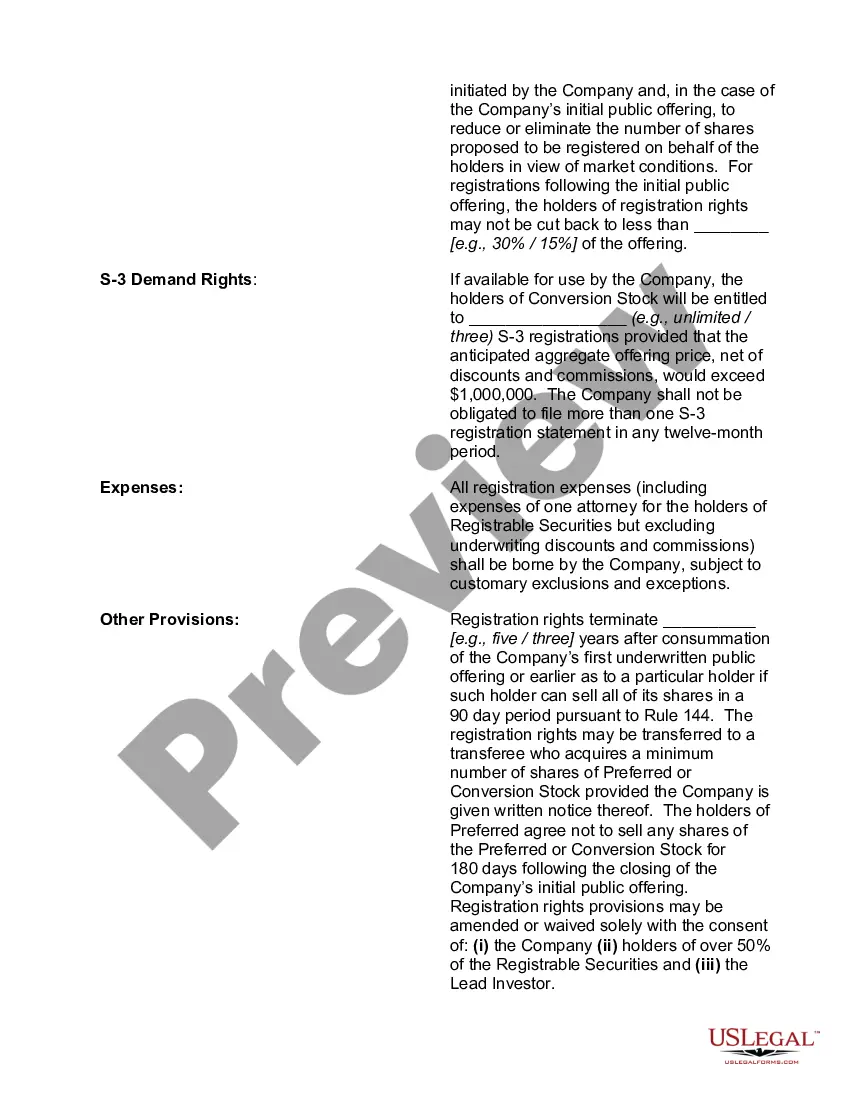
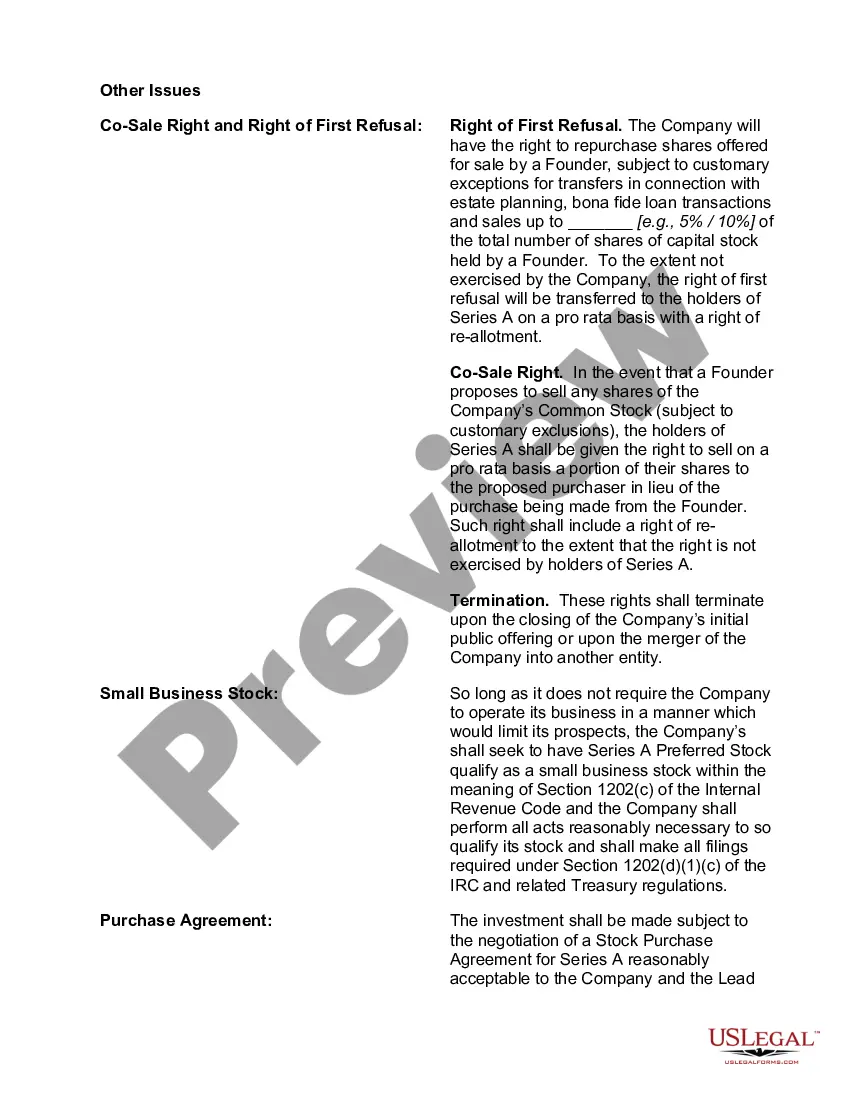
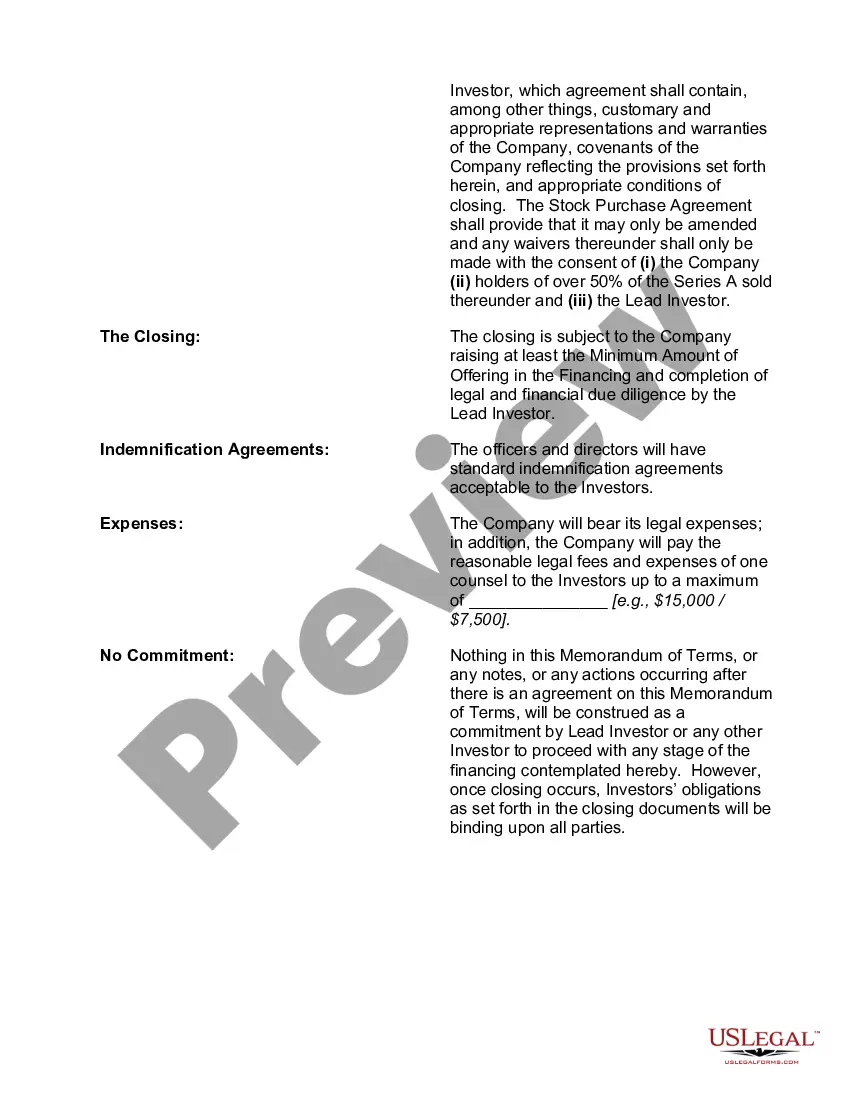
Get your form ready online
Our built-in tools help you complete, sign, share, and store your documents in one place.
Make edits, fill in missing information, and update formatting in US Legal Forms—just like you would in MS Word.
Download a copy, print it, send it by email, or mail it via USPS—whatever works best for your next step.
Sign and collect signatures with our SignNow integration. Send to multiple recipients, set reminders, and more. Go Premium to unlock E-Sign.
If this form requires notarization, complete it online through a secure video call—no need to meet a notary in person or wait for an appointment.
We protect your documents and personal data by following strict security and privacy standards.

Make edits, fill in missing information, and update formatting in US Legal Forms—just like you would in MS Word.

Download a copy, print it, send it by email, or mail it via USPS—whatever works best for your next step.

Sign and collect signatures with our SignNow integration. Send to multiple recipients, set reminders, and more. Go Premium to unlock E-Sign.

If this form requires notarization, complete it online through a secure video call—no need to meet a notary in person or wait for an appointment.

We protect your documents and personal data by following strict security and privacy standards.
Looking for another form?



Form popularity
FAQ
Lessee: A tenant who rents the property from the landlord. Lessor: A landlord who grants the lease to the tenant. Long-Term Rental: A long-term lease is often defined as anything that is agreed-upon for more than one year.
Ventus Group Real Estate bought her building and others and is using a loophole in the Ellis Act, which allows no fault evictions if the landlord is getting out of the rental business.
The Ellis Act is a California state law that gives landlords a legal opportunity to leave the rental market business and evict tenants. The ordinance was adopted in 1985 following the court case Nash v.
In the context of the Tenant Protection Act in California, withdrawing a residential rental property from the rental market generally means the landlord intends to permanently remove the property from use as a rental unit.
California Government Code Section 7060 et seq., known as the Ellis Act, establishes the right of landlords to withdraw existing housing accommodations, other than guestrooms or efficiency units within a residential hotel, from rent or lease.
In the context of the Tenant Protection Act in California, withdrawing a residential rental property from the rental market generally means the landlord intends to permanently remove the property from use as a rental unit.
The Ellis Act (California Government Code 7060) allows landlords to withdraw residential rental property subject to rent control from the rental market. Under Ellis, such exit from the rental market may lead to eviction of tenants. The City of Los Angeles has tenant Protections in place for Ellised properties.
The TPA applies to most properties in California, but there are some exceptions including: properties that are less than 15 years old (unless a mobile home), some types of government-subsidized housing, or housing where rent is already limited to provide affordable housing to very low, low, and moderate-income ...
A final estate distribution letter, also sometimes called a final distribution notice or a letter of distribution, is a formal document issued by the executor or personal representative of an estate after all debts, taxes, and administrative expenses have been settled.
The California petition for final distribution gives the court a detailed history of the probate case. More specifically, it explains why the estate is ready to close and outlines the distributions to beneficiaries.