Investor Term Sheet Template For Business Partnership In Florida
Description

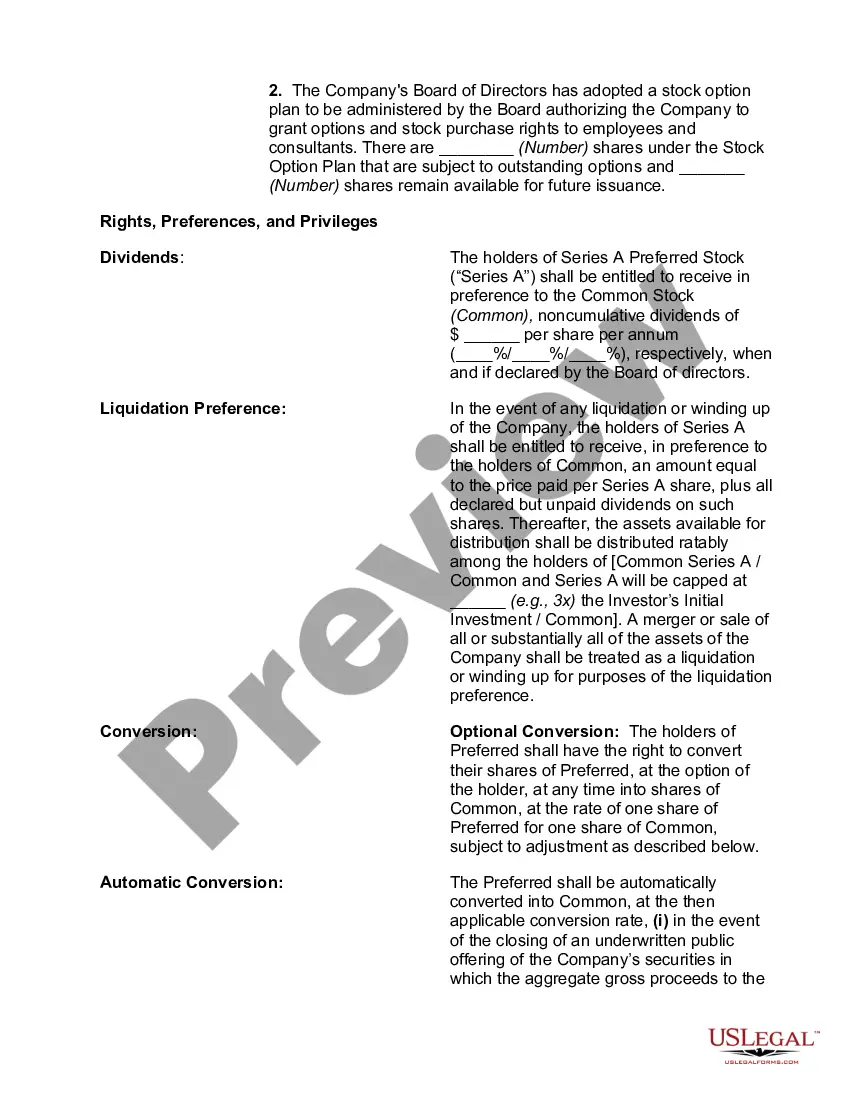
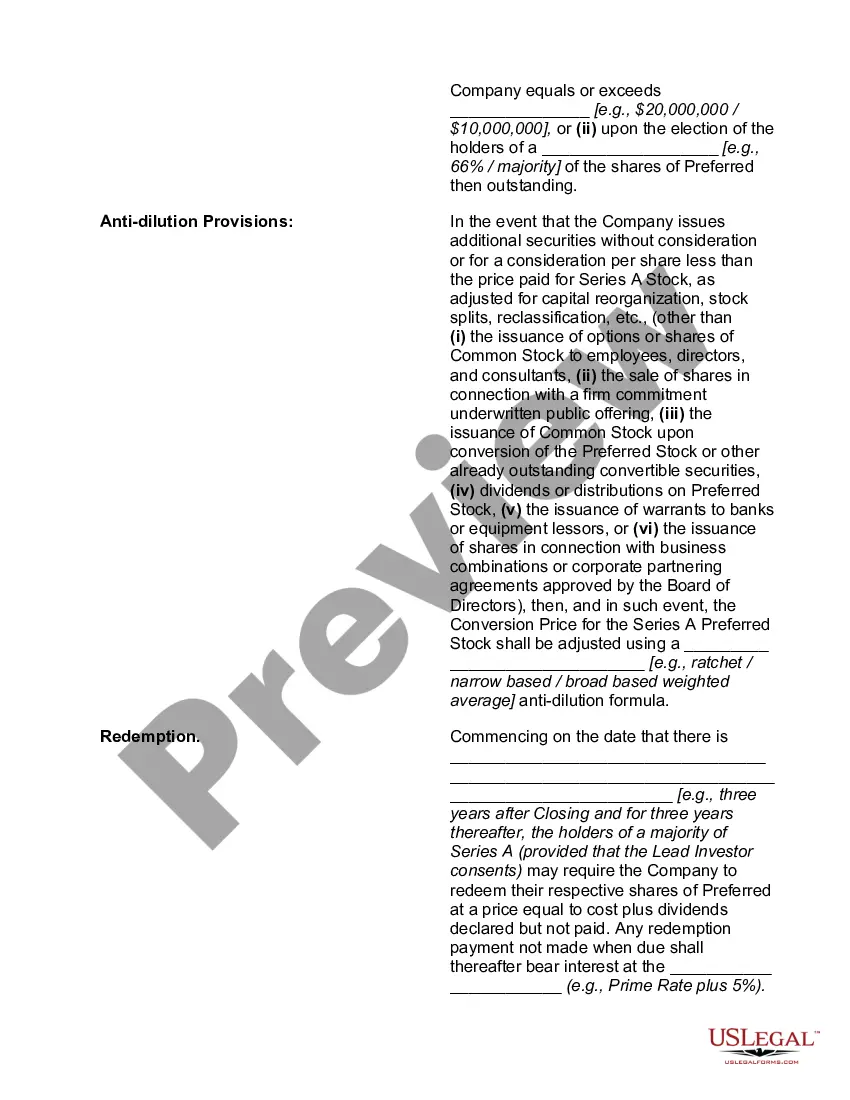
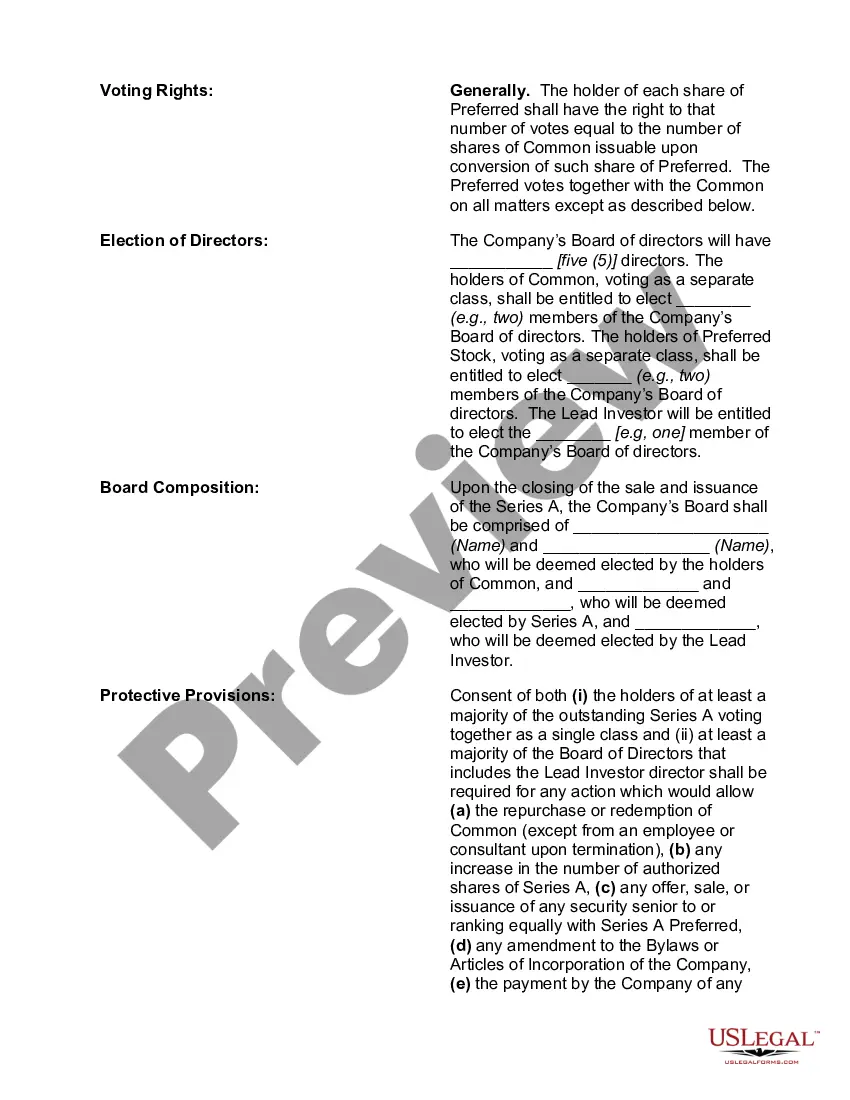
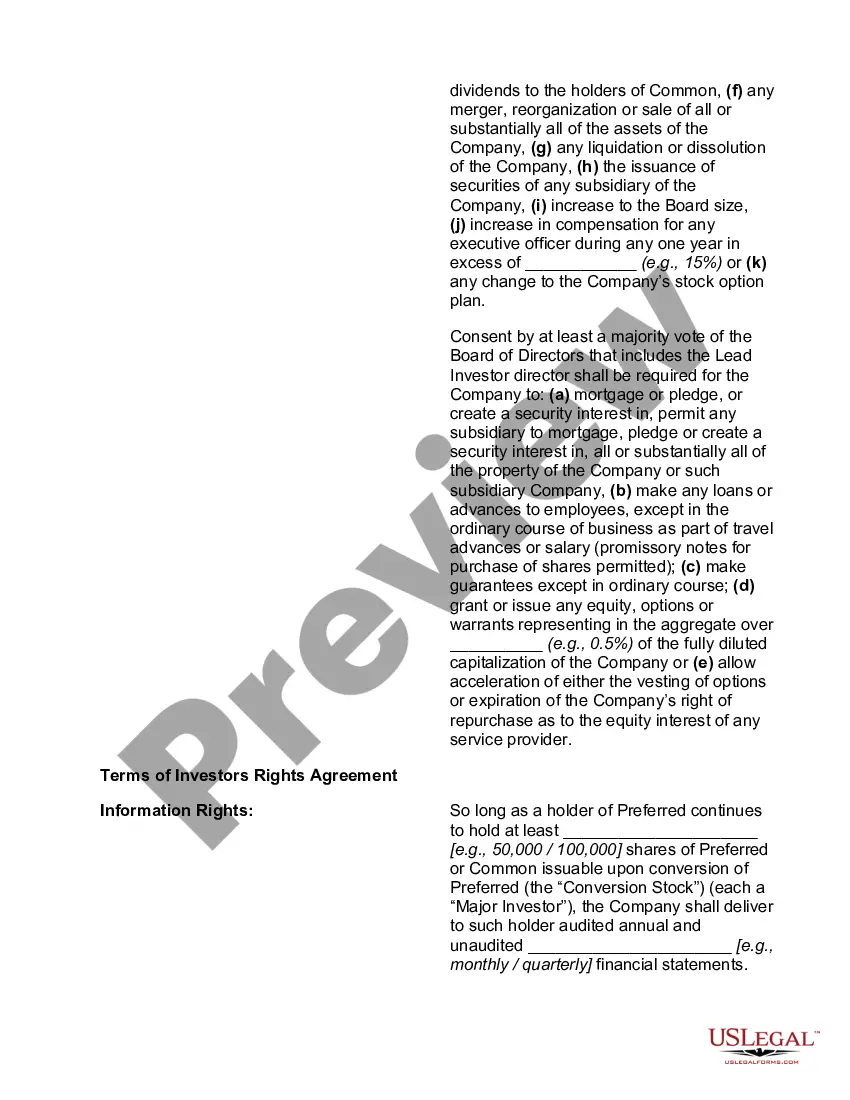
Get your form ready online
Our built-in tools help you complete, sign, share, and store your documents in one place.
Make edits, fill in missing information, and update formatting in US Legal Forms—just like you would in MS Word.
Download a copy, print it, send it by email, or mail it via USPS—whatever works best for your next step.
Sign and collect signatures with our SignNow integration. Send to multiple recipients, set reminders, and more. Go Premium to unlock E-Sign.
If this form requires notarization, complete it online through a secure video call—no need to meet a notary in person or wait for an appointment.
We protect your documents and personal data by following strict security and privacy standards.

Make edits, fill in missing information, and update formatting in US Legal Forms—just like you would in MS Word.

Download a copy, print it, send it by email, or mail it via USPS—whatever works best for your next step.

Sign and collect signatures with our SignNow integration. Send to multiple recipients, set reminders, and more. Go Premium to unlock E-Sign.

If this form requires notarization, complete it online through a secure video call—no need to meet a notary in person or wait for an appointment.

We protect your documents and personal data by following strict security and privacy standards.
Looking for another form?








Form popularity
FAQ
A partnership agreement between partners covers their rights and responsibilities while protecting the partner's contributions. There are ongoing government requirements. For example, an LLP must regularly file information reports to local authorities responsible for businesses in the area.
A 50/50 split in profits is a great solution for businesses with two partners who share responsibilities equally. However, when there are several partners, and one or two partners take on much more responsibility than the others, the equal distribution would not be fair.
CohnReznick's Beth Mullen looks at several important points in a deal term sheet. Credit delivery amount and timing. Guarantees. Reserves. Year 15 exit options. Implied costs for third-party reports.
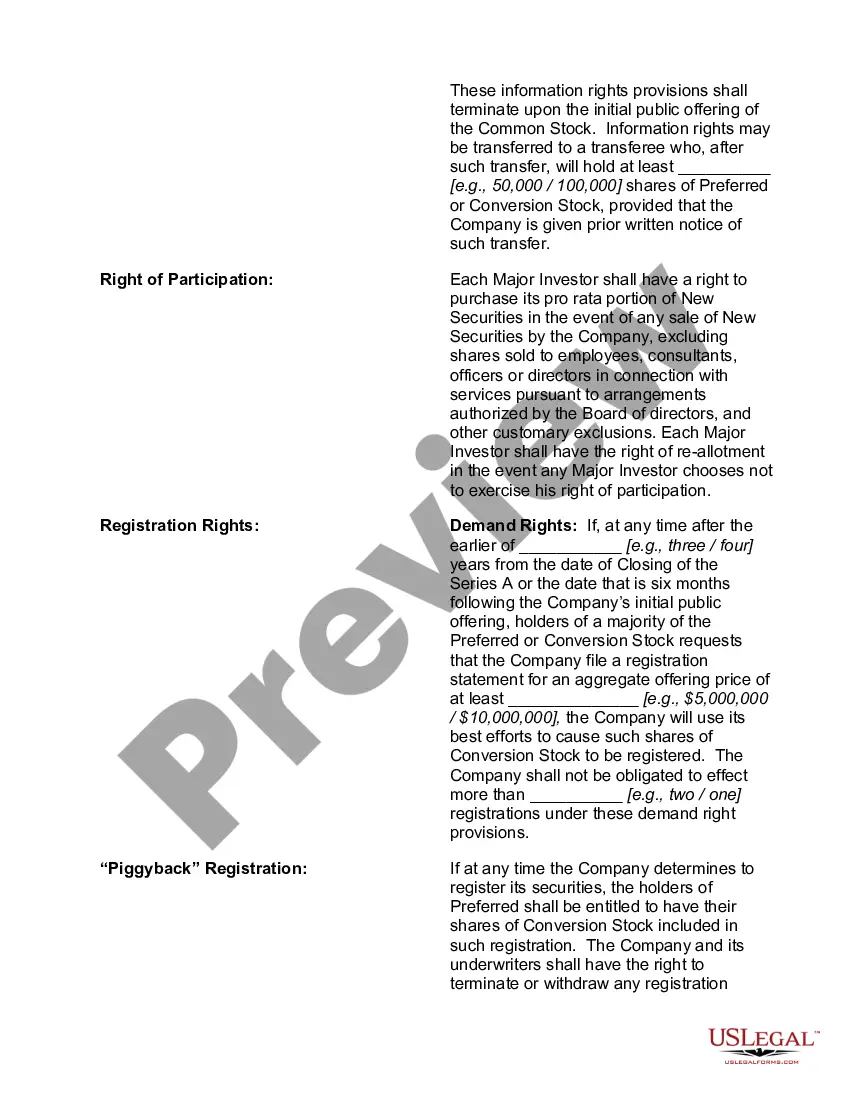
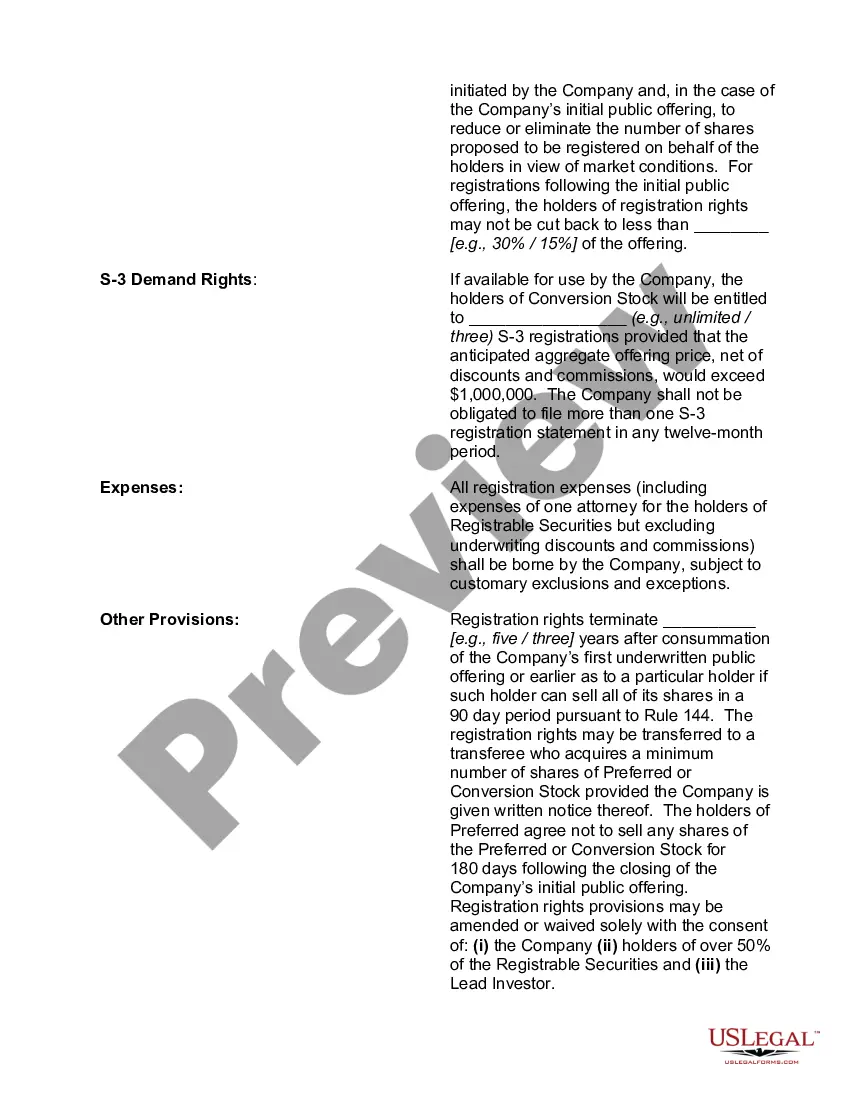
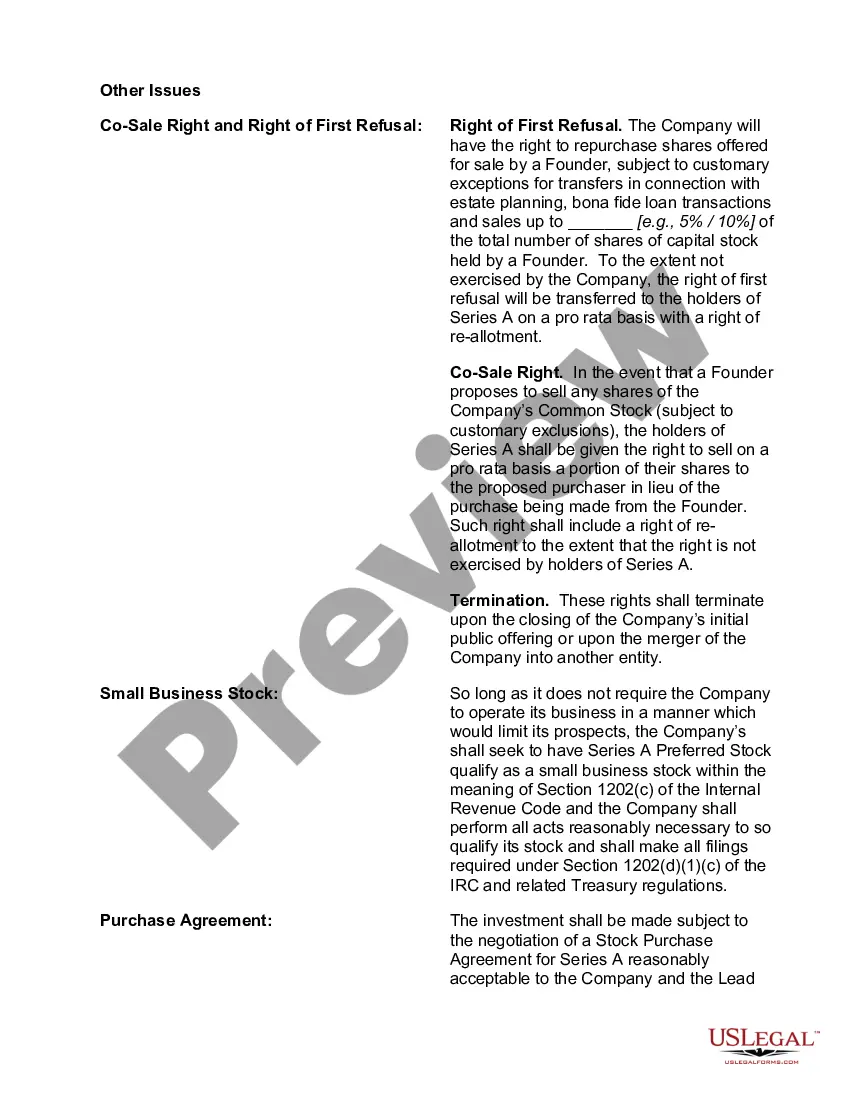
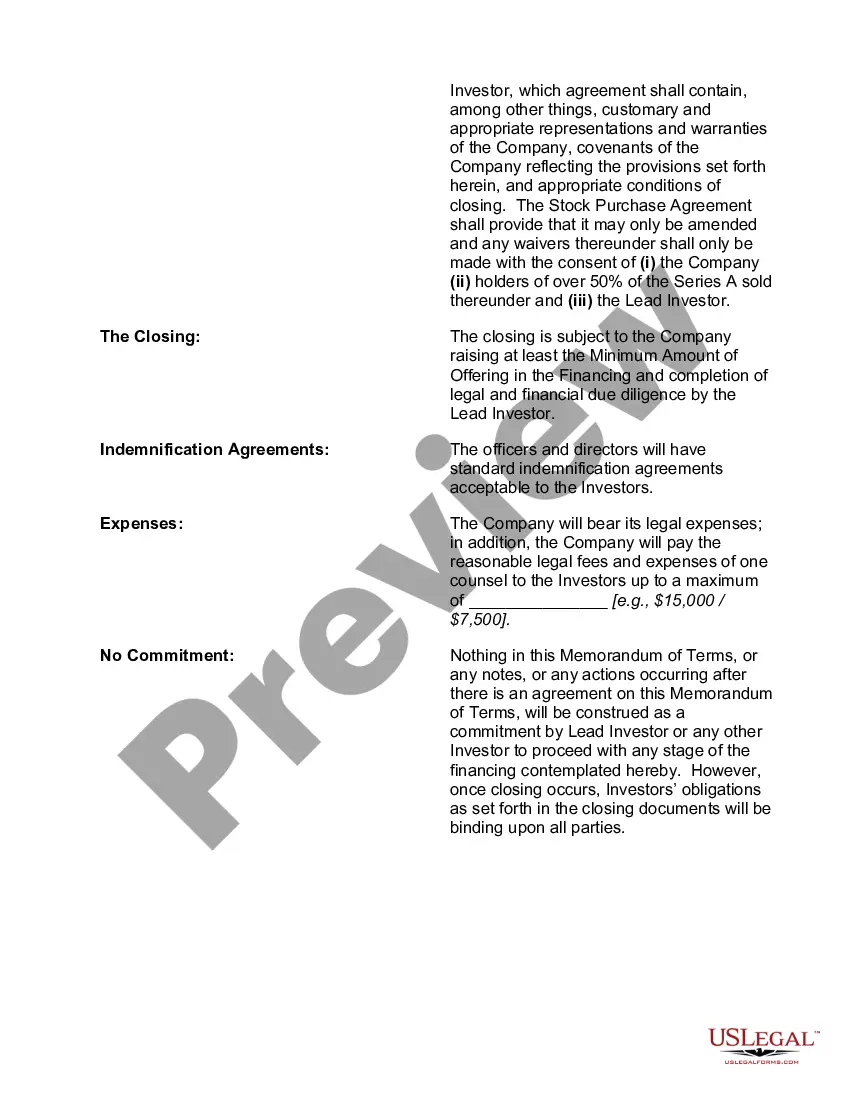
A partnership term sheet is a non-binding agreement that outlines the key terms and conditions of a business partnership.
1. Partnership agreement. This doesn't have to be anything fancy. It is basically a written document that identifies the partnership and delineates the details. Whether it's a high-end attorney document or a basic boilerplate version, have it signed and notarized. Do this prior to starting the business.
How to Write a Partnership Agreement Define Partnership Structure. Outline Capital Contributions and Ownership. Detail Profit, Loss, and Distribution Arrangements. Set Decision-Making and Management Protocols. Plan for Changes and Contingencies. Include Legal Provisions and Finalize the Agreement.
6 Tips for Writing a Term Sheet List the terms. Summarize the terms. Explain the dividends. Include liquidation preference. Include voting agreement and closing items. Read, edit and prepare for signatures.
How to Prepare a Term Sheet Identify the Purpose of the Term Sheet Agreements. Briefly Summarize the Terms and Conditions. List the Offering Terms. Include Dividends, Liquidation Preference, and Provisions. Identify the Participation Rights. Create a Board of Directors. End with the Voting Agreement and Other Matters.
How to Make a List of Target Investors Decide how much capital you need. You need to assess your immediate, short-term, and long-term growth needs. Research startups in your space. Research potential investors. Get an introduction. Stay organized. Learn from an expert.
