Angel Term Form For Llc In Dallas
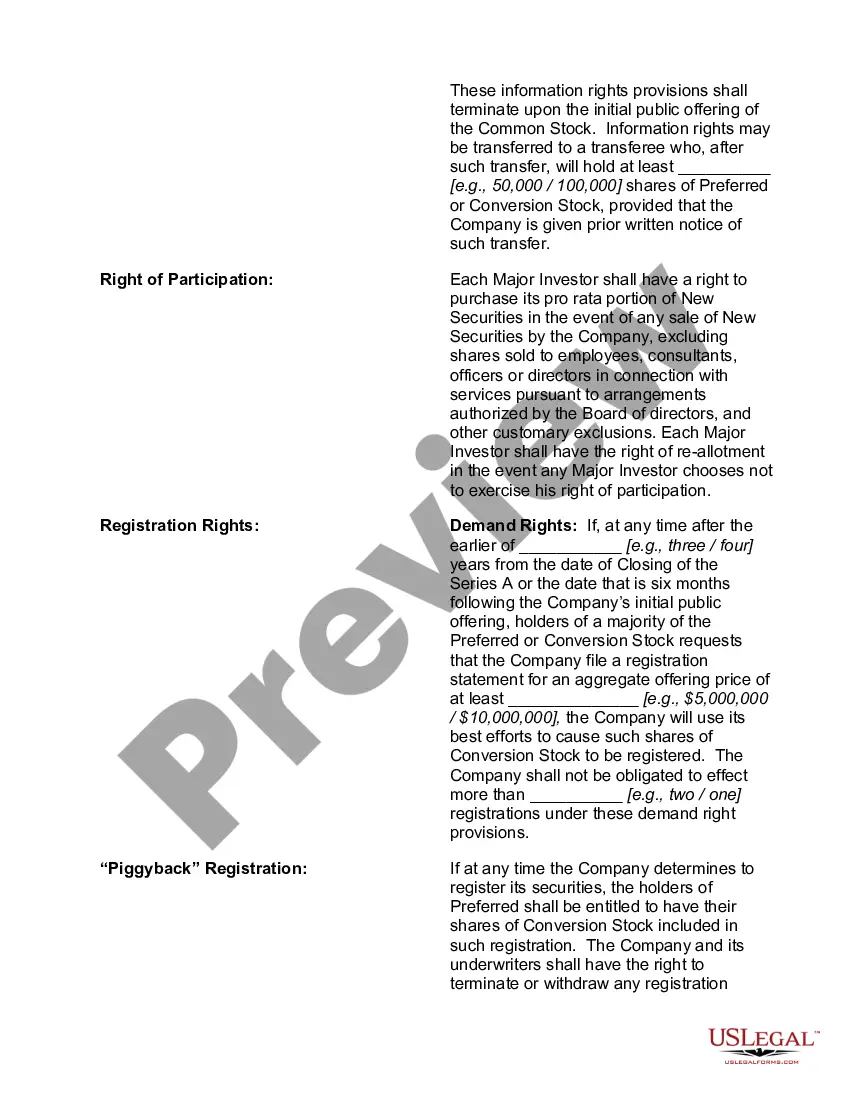
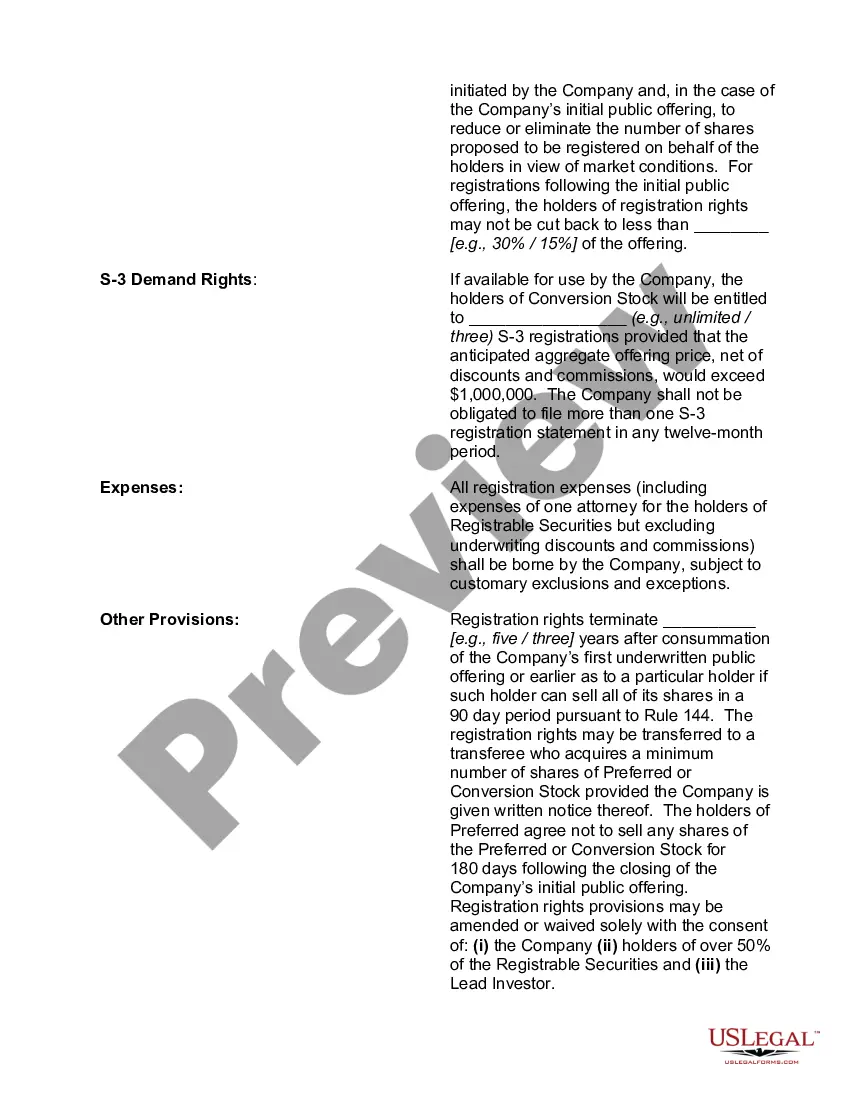
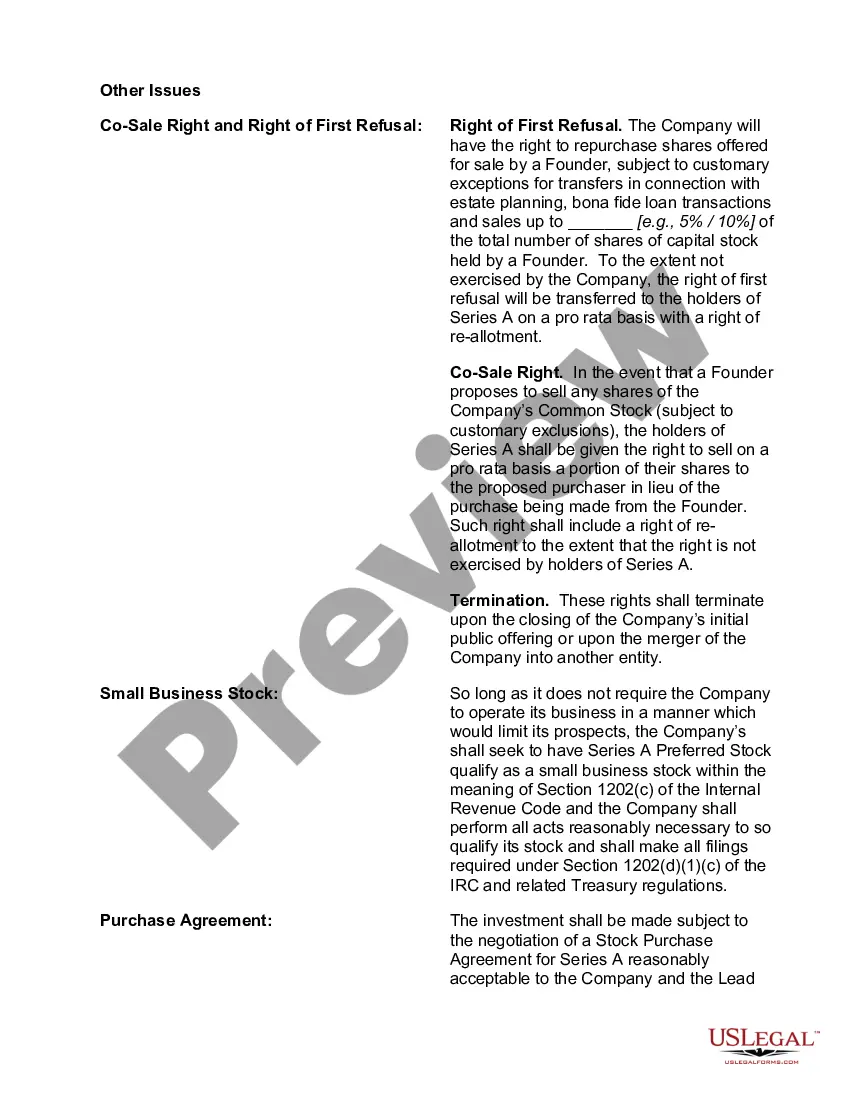
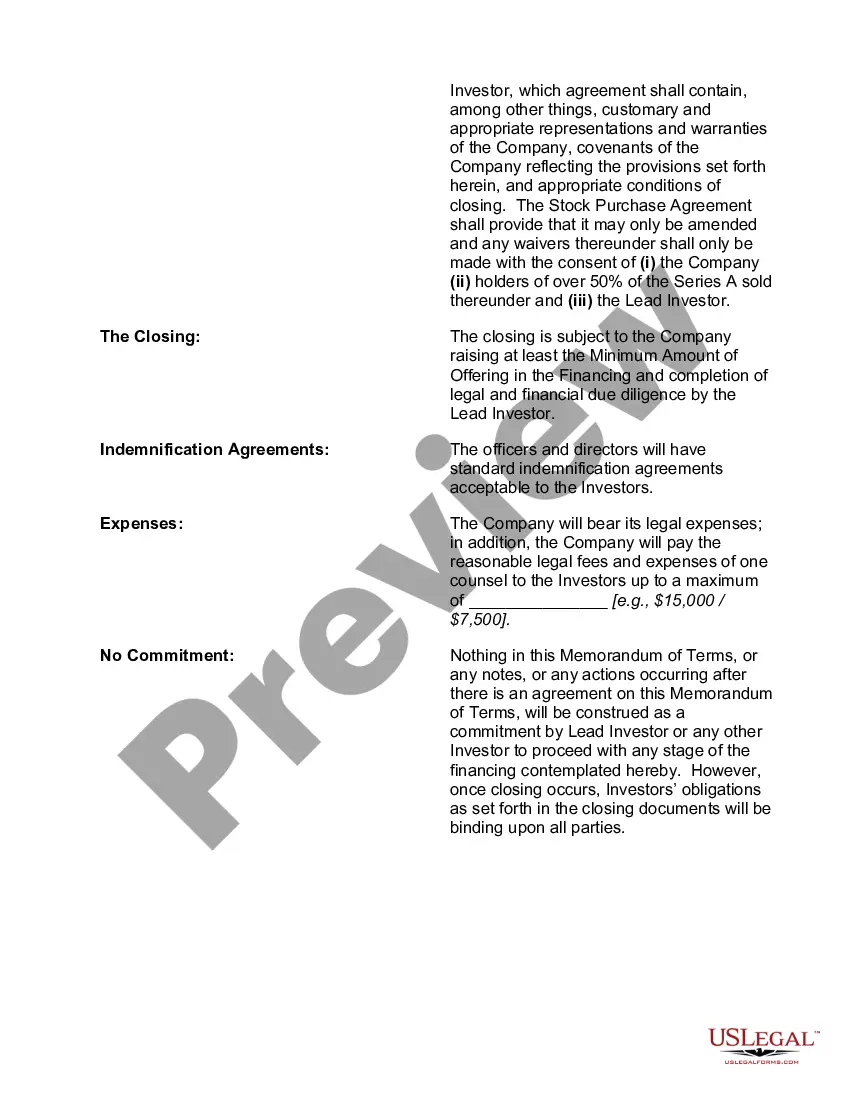
Description

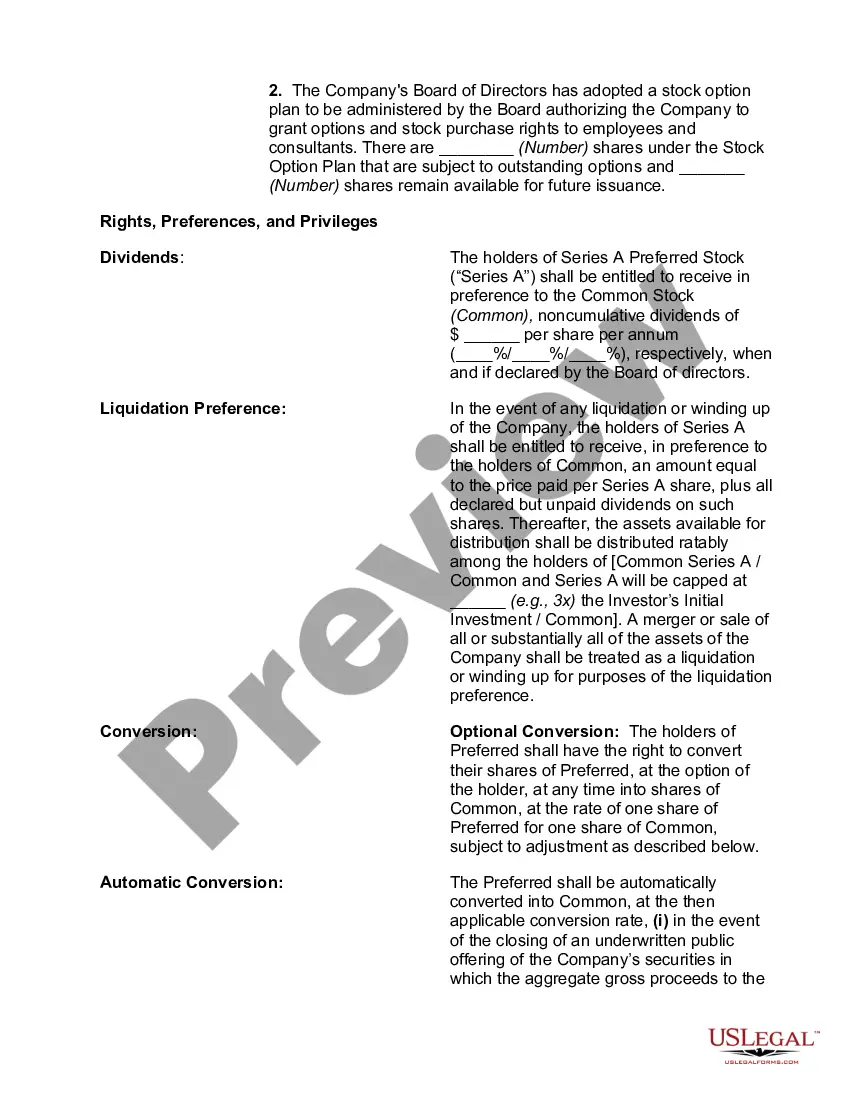
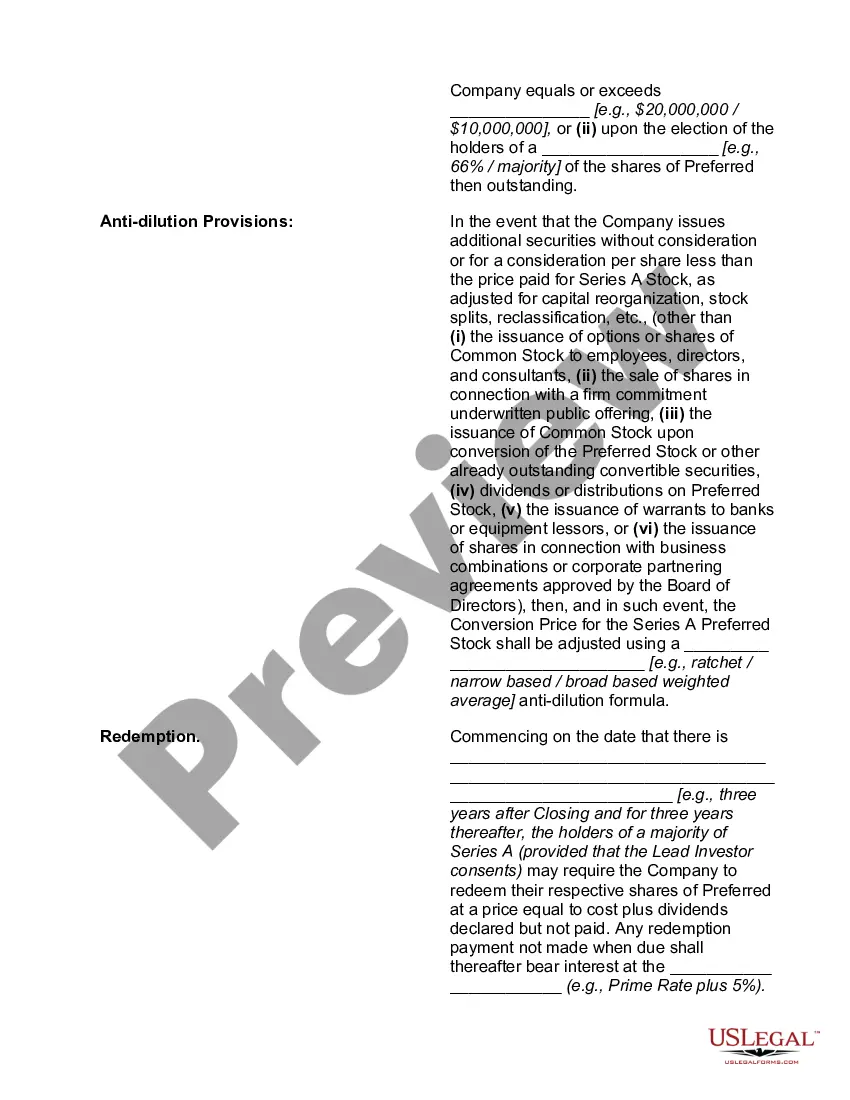
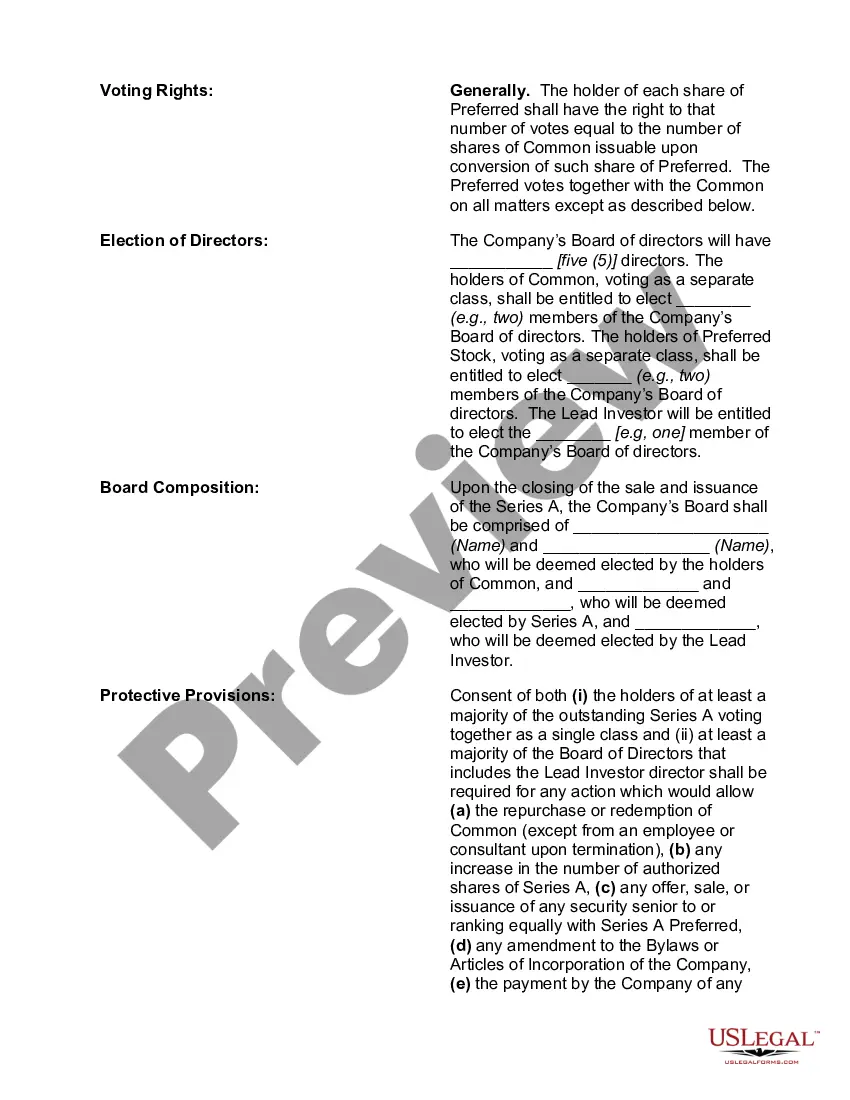
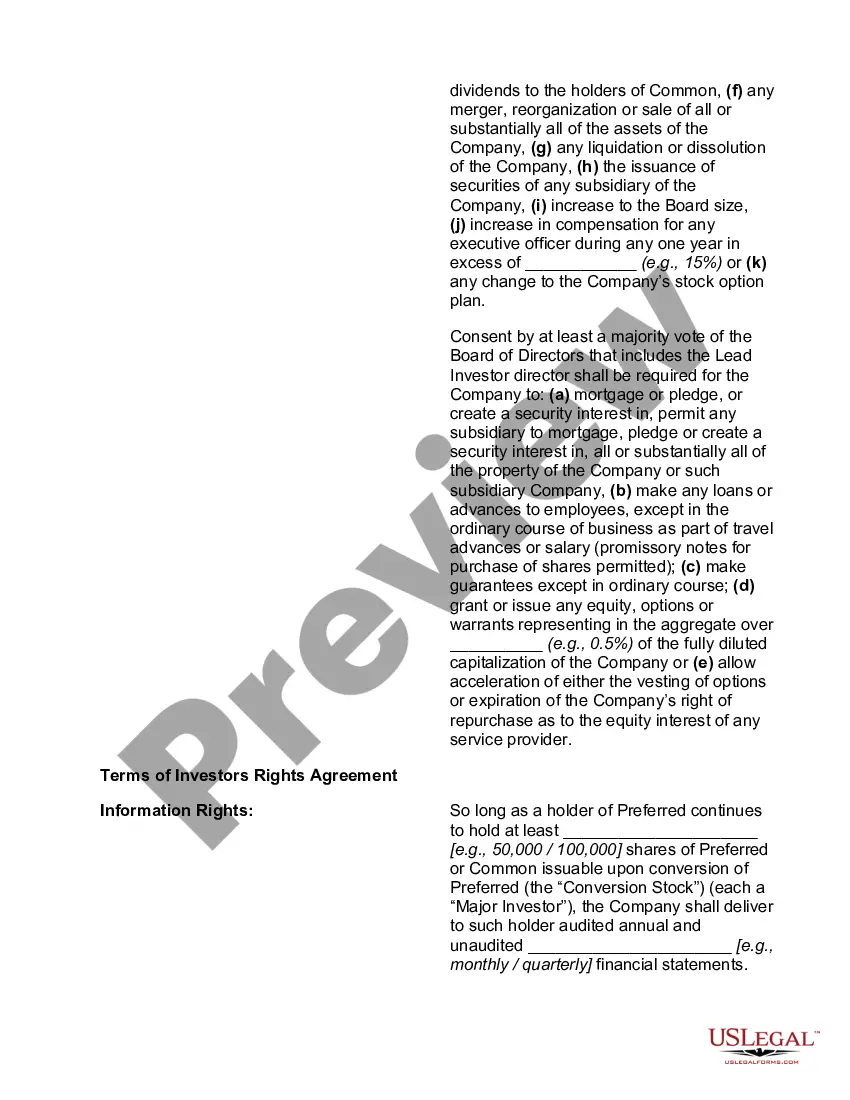
Get your form ready online
Our built-in tools help you complete, sign, share, and store your documents in one place.
Make edits, fill in missing information, and update formatting in US Legal Forms—just like you would in MS Word.
Download a copy, print it, send it by email, or mail it via USPS—whatever works best for your next step.
Sign and collect signatures with our SignNow integration. Send to multiple recipients, set reminders, and more. Go Premium to unlock E-Sign.
If this form requires notarization, complete it online through a secure video call—no need to meet a notary in person or wait for an appointment.
We protect your documents and personal data by following strict security and privacy standards.

Make edits, fill in missing information, and update formatting in US Legal Forms—just like you would in MS Word.

Download a copy, print it, send it by email, or mail it via USPS—whatever works best for your next step.

Sign and collect signatures with our SignNow integration. Send to multiple recipients, set reminders, and more. Go Premium to unlock E-Sign.

If this form requires notarization, complete it online through a secure video call—no need to meet a notary in person or wait for an appointment.

We protect your documents and personal data by following strict security and privacy standards.
Looking for another form?









Form popularity
FAQ
To form a Texas LLC, it is necessary to select a unique name, file documents with the Secretary of State, appoint a registered agent, and obtain an EIN. To maintain your Texas LLC, you must stay compliant with annual filings and fees while obtaining licenses/permits and managing finances/insurance.
What are the Steps to Starting an LLC in Texas? Step 1: Name Your Texas LLC. Step 2: Designate a Registered Agent. Step 3: File Articles of Organization (or similar document) ... Step 4: Receive a Certificate From the State. Step 5: Create an Operating Agreement. Step 6: Get an Employer Identification Number.
Single member LLC or Partnership filing under the name of the partner, use your SSN, or EIN--however you file taxes. Put your name on the first line, and business name on Line 2. LLC or corporation filing under the business name, please put the business name on Line 1 and leave line 2 blank.
A general purpose statement is preferred (e.g., “any and all lawful purposes for which a limited liability company may be organized under the Texas Business Organizations Code”). The minutes may go on to state that the company will focus its attention upon a particular business such as investing in real property.
Written by Zachary Copp, Esq. It can be beneficial to hire an experienced attorney to ensure proper LLC formation and compliance with relevant laws, however, a lawyer is not required to draft or submit Texas LLC formation paperwork.
Examples of strong purpose statements “We strive to protect wildlife through education about endangered species.” “Our purpose is to bring awareness to the need for medical supplies in overpopulated cities.” “We work toward building a safe and secure community by implementing emergency calling systems.”
Company Purpose. A general purpose statement is preferred (e.g., “any and all lawful purposes for which a limited liability company may be organized under the Texas Business Organizations Code”).
What is an LLC Used for: To Hold the Assets of Operating Businesses to Protect from Third-Party Claims. Andy says that an LLC is a legal tool to protect a business from third-party liability claims.
Here's an example of what a general LLC purpose statement might look like: “The purpose of this limited liability company is to engage in any lawful activity for which Limited Liability Companies may be organized in this state.”
