Debt To Income Ratio In Pima
Description
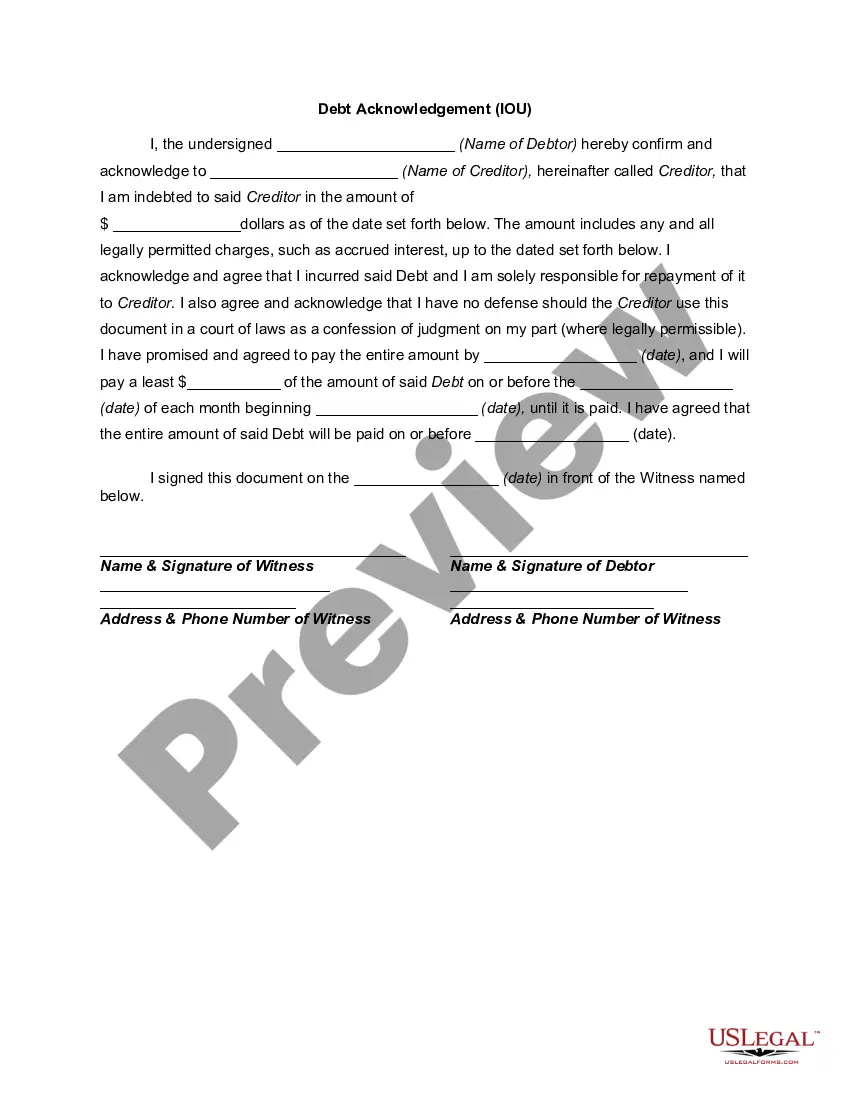
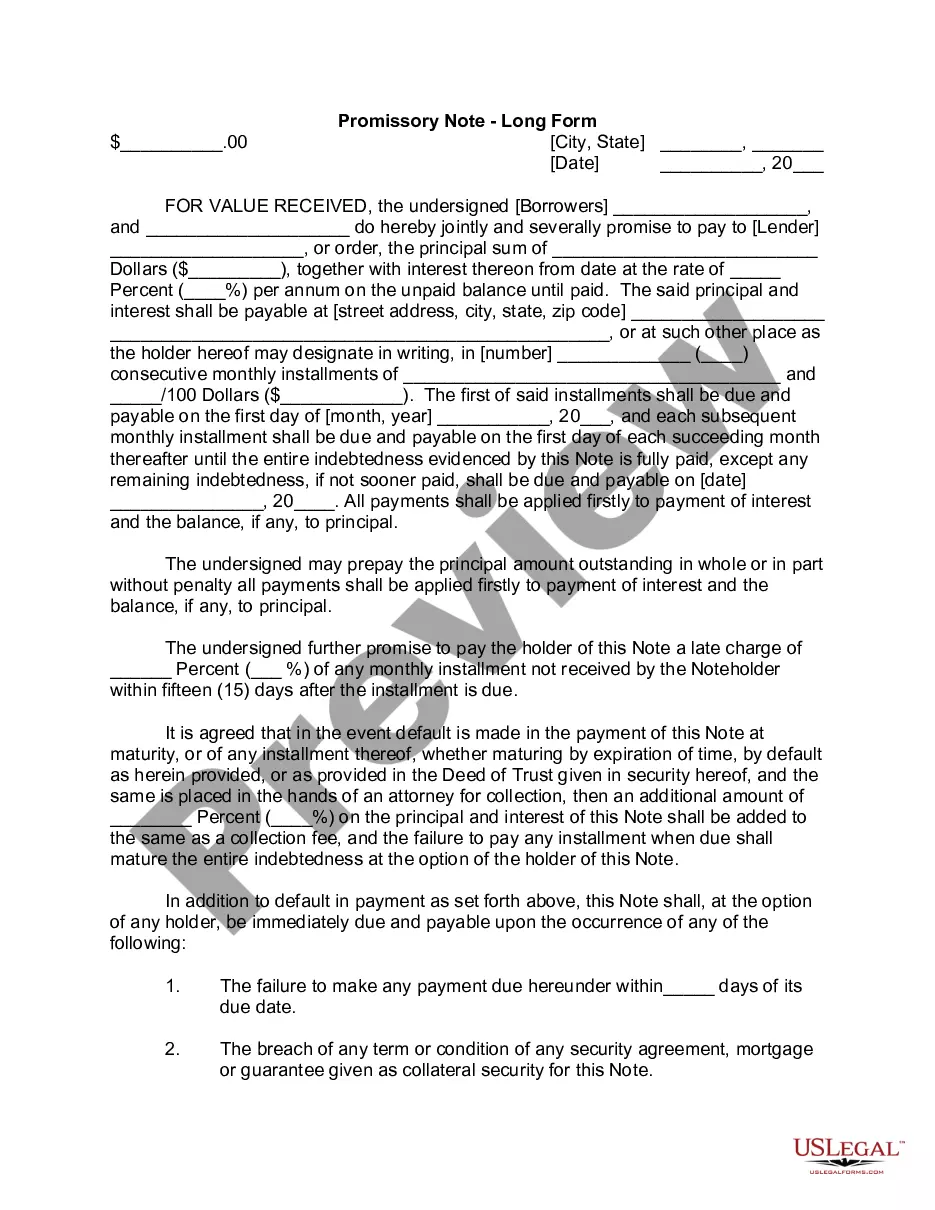

Get your form ready online
Our built-in tools help you complete, sign, share, and store your documents in one place.
Make edits, fill in missing information, and update formatting in US Legal Forms—just like you would in MS Word.
Download a copy, print it, send it by email, or mail it via USPS—whatever works best for your next step.
Sign and collect signatures with our SignNow integration. Send to multiple recipients, set reminders, and more. Go Premium to unlock E-Sign.
If this form requires notarization, complete it online through a secure video call—no need to meet a notary in person or wait for an appointment.
We protect your documents and personal data by following strict security and privacy standards.

Make edits, fill in missing information, and update formatting in US Legal Forms—just like you would in MS Word.

Download a copy, print it, send it by email, or mail it via USPS—whatever works best for your next step.

Sign and collect signatures with our SignNow integration. Send to multiple recipients, set reminders, and more. Go Premium to unlock E-Sign.

If this form requires notarization, complete it online through a secure video call—no need to meet a notary in person or wait for an appointment.

We protect your documents and personal data by following strict security and privacy standards.
Looking for another form?









Form popularity
FAQ
For monthly income, if an individual earns less than $2309 each month, they are considered low income. If a household earns less than $4,395 per month, they are considered low-income. In the state of Arizona, 12.8% of the population lives in poverty.
The debt ratio, or total debt-to-total assets, is calculated by dividing a company's total debt by its total assets. It is also called the debt-to-assets ratio. It is a leverage ratio that defines how much debt a company carries compared to the value of the assets it owns.
To calculate your DTI, add up all of your monthly debt payments, then divide by your monthly income. Here's how to calculate your DTI. Total your regular monthly payments for such expenses as credit cards, student loans, personal loans, alimony or child support – anything that shows up on a credit report.
These are some examples of payments included in debt-to-income: Monthly mortgage payments (or rent) Monthly expense for real estate taxes. Monthly expense for home owner's insurance. Monthly car payments. Monthly student loan payments. Minimum monthly credit card payments. Monthly time share payments.
To calculate the Debt to Net worth Ratio, divide total liabilities by total equity, which reveals the company's financial leverage.
A company's debt ratio can be calculated by dividing total debt by total assets. A debt ratio of greater than 1.0 or 100% means a company has more debt than assets while a debt ratio of less than 100% indicates that a company has more assets than debt.
These are some examples of payments included in debt-to-income: Monthly mortgage payments (or rent) Monthly expense for real estate taxes. Monthly expense for home owner's insurance. Monthly car payments. Monthly student loan payments. Minimum monthly credit card payments. Monthly time share payments.
toincome, or DTI, ratio is calculated by dividing your monthly debt payments by your monthly gross income. The ratio is expressed as a percentage, and lenders use it to determine how well you manage monthly obligations, and if you can afford to handle additional debt.
Calculate the Debt Ratio: Debt Ratio = Total Debt / Total Assets.
In the first quarter of 2024, the household debt-to-income ratio in the United States differed significantly within the country. The highest household debt-to-income ratio was recorded in Hawaii at 2.2, and the lowest in the District of Columbia at 0.52 percent, respectively.