I Debt To You In Los Angeles
Description
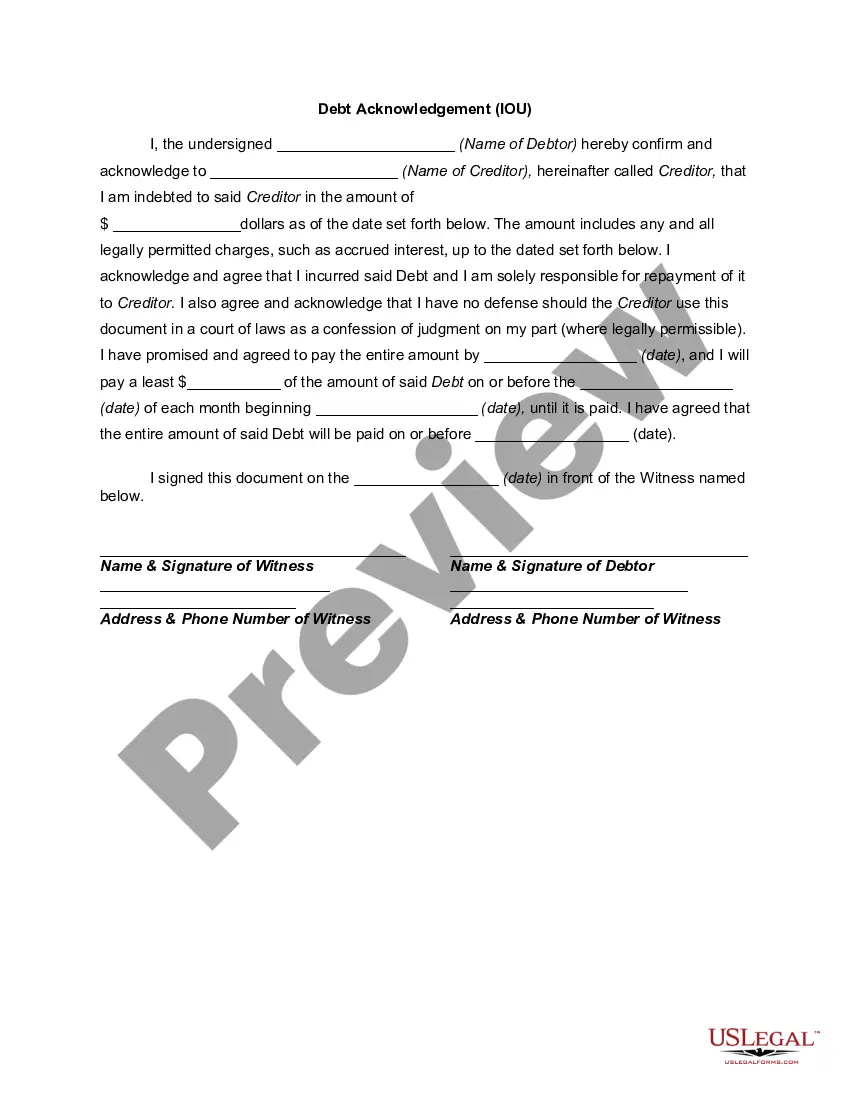
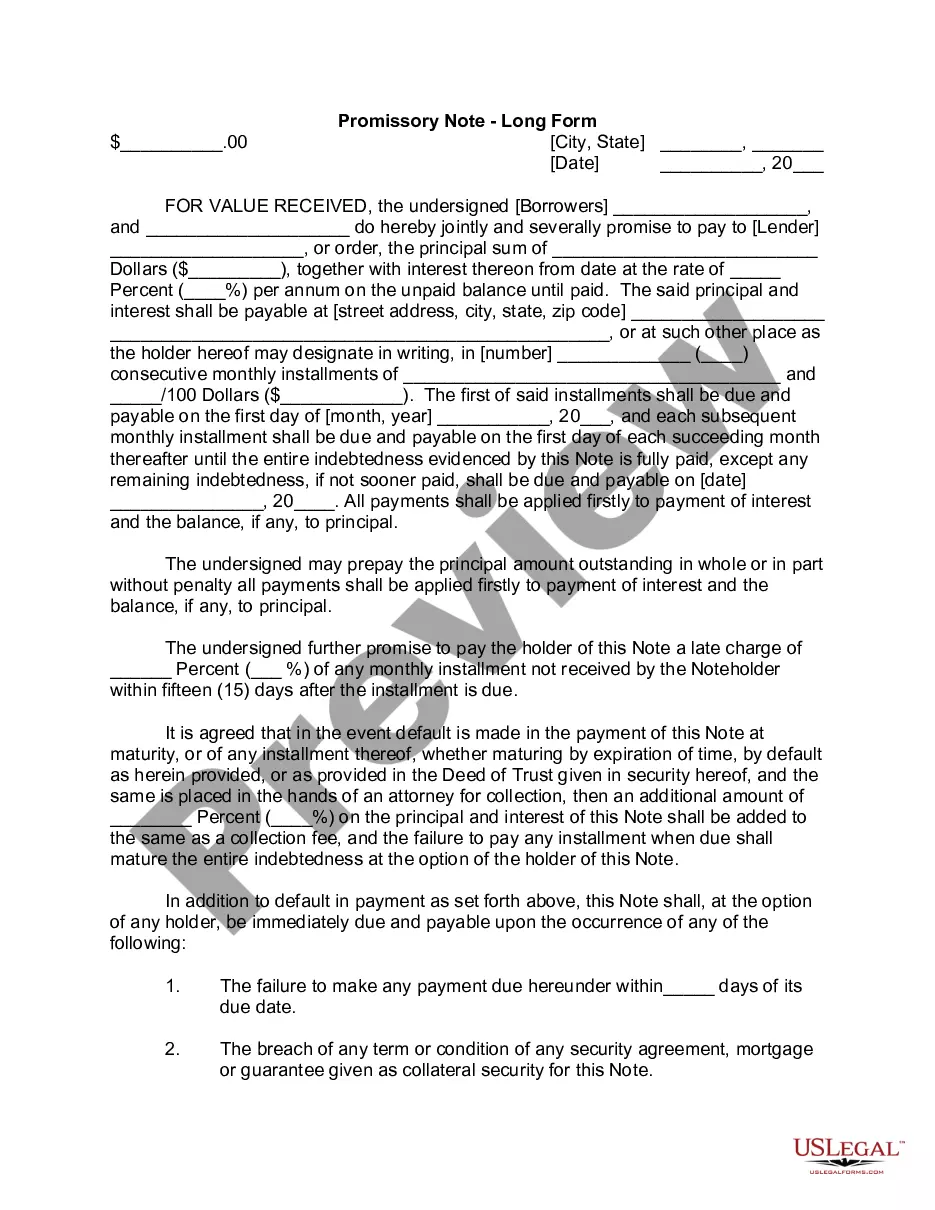
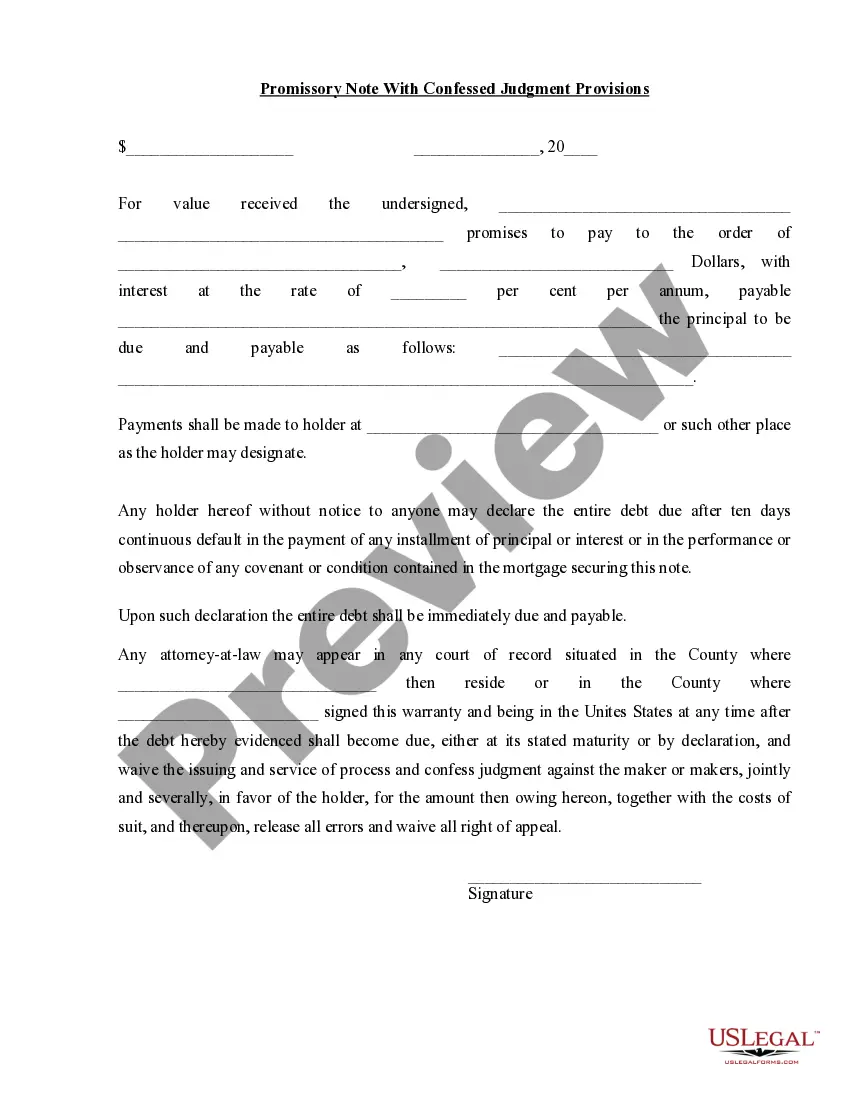
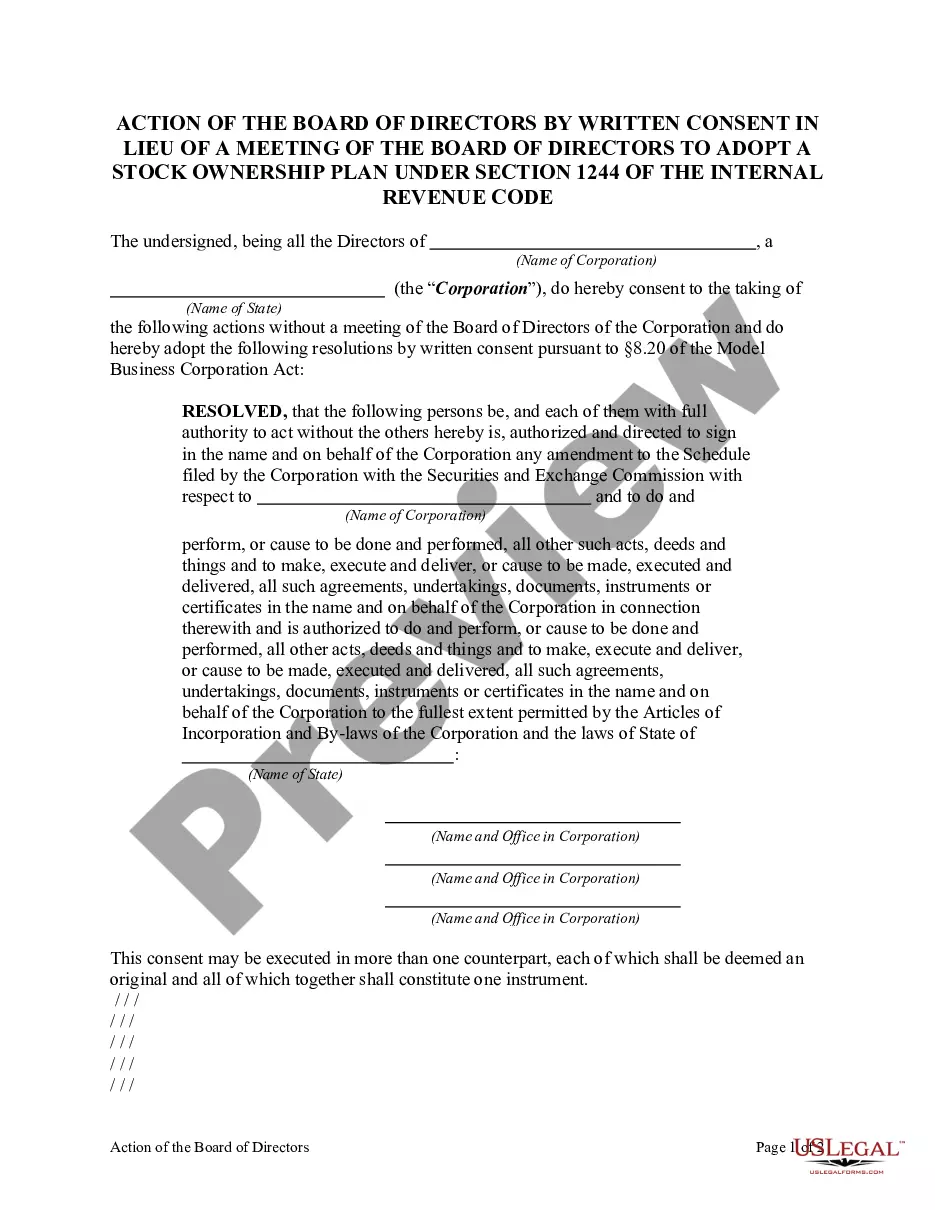
Get your form ready online
Our built-in tools help you complete, sign, share, and store your documents in one place.
Make edits, fill in missing information, and update formatting in US Legal Forms—just like you would in MS Word.
Download a copy, print it, send it by email, or mail it via USPS—whatever works best for your next step.
Sign and collect signatures with our SignNow integration. Send to multiple recipients, set reminders, and more. Go Premium to unlock E-Sign.
If this form requires notarization, complete it online through a secure video call—no need to meet a notary in person or wait for an appointment.
We protect your documents and personal data by following strict security and privacy standards.

Make edits, fill in missing information, and update formatting in US Legal Forms—just like you would in MS Word.

Download a copy, print it, send it by email, or mail it via USPS—whatever works best for your next step.

Sign and collect signatures with our SignNow integration. Send to multiple recipients, set reminders, and more. Go Premium to unlock E-Sign.

If this form requires notarization, complete it online through a secure video call—no need to meet a notary in person or wait for an appointment.

We protect your documents and personal data by following strict security and privacy standards.
Looking for another form?



Form popularity
FAQ
Specifically, the rule states that a debt collector cannot: Make more than seven calls within a seven-day period to a consumer regarding a specific debt. Call a consumer within seven days after having a telephone conversation about that debt.
In California, there is generally a four-year limit for filing a lawsuit to collect a debt based on a written agreement.
The phrase in question is: “Please cease and desist all calls and contact with me, immediately.” These 11 words, when used correctly, can provide significant protection against aggressive debt collection practices.
Los Angeles County had $54 billion in liabilities at the end of 2022. Miami-Dade County had $29 billion in total liabilities. Amongst counties, Los Angeles County had the largest liabilities by far: over $54 billion at the end of 2022, Reason Foundation finds.
The phrase in question is: “Please cease and desist all calls and contact with me, immediately.” These 11 words, when used correctly, can provide significant protection against aggressive debt collection practices.
More than seven times within seven consecutive calendar days “call frequency prong”; or. Within a period of seven consecutive calendar days after having had a telephone conversation with the person in connection with the collection of such debt “conversation frequency prong”.
The writ is issued by the Clerk of the U.S. District or Bankruptcy Court under seal of the court.
You must fill out an Answer, serve the other side's attorney, and file your Answer form with the court within 30 days. If you don't, the creditor can ask for a default. If there's a default, the court won't let you file an Answer and can decide the case without you.
However, they may file a lawsuit against you to collect the debt, and if the court orders you to appear or to provide certain information but you don't comply, a judge may issue a warrant for your arrest. In some cases, a judge may also issue a warrant if you don't comply with a court-ordered installment plan.
Here are five ways you can win your debt collection lawsuit: Respond to the lawsuit. Make the debt collector prove their case. Use the statute of limitations as a defense. File a Motion to Compel Arbitration. Negotiate a settlement offer.

