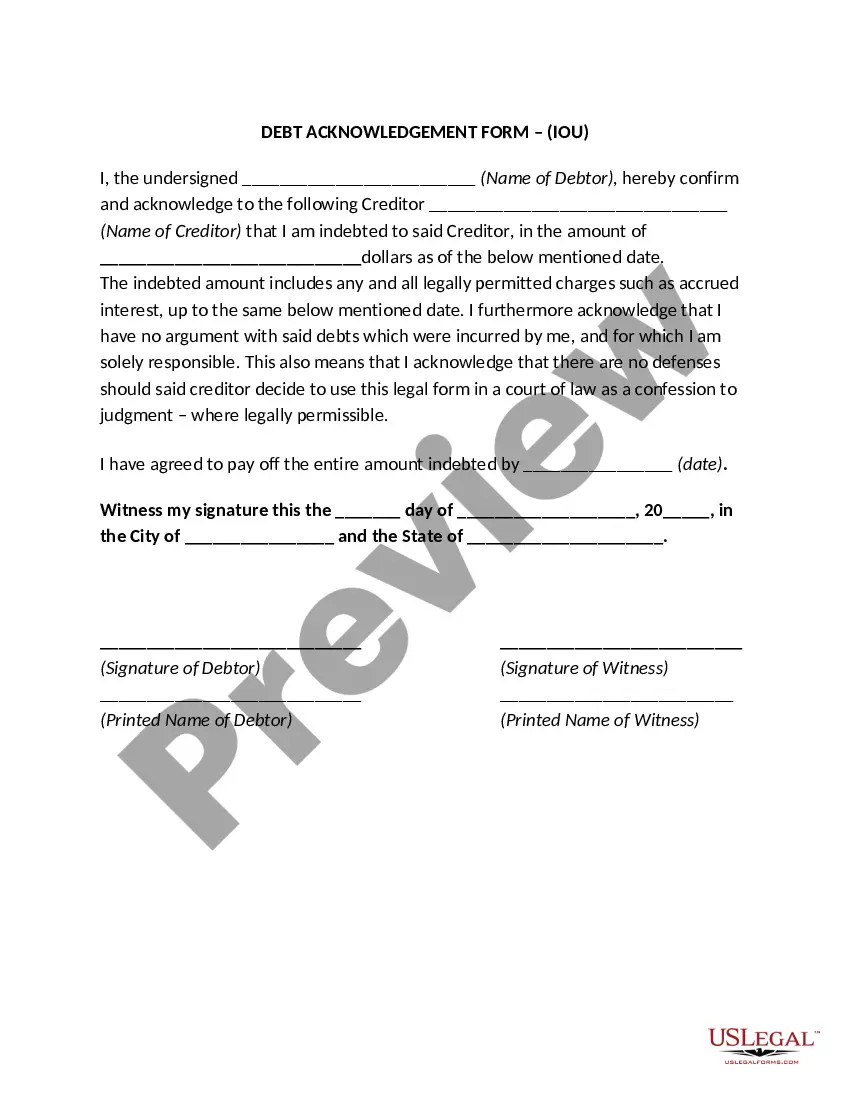
I Debt To You In Illinois
Description
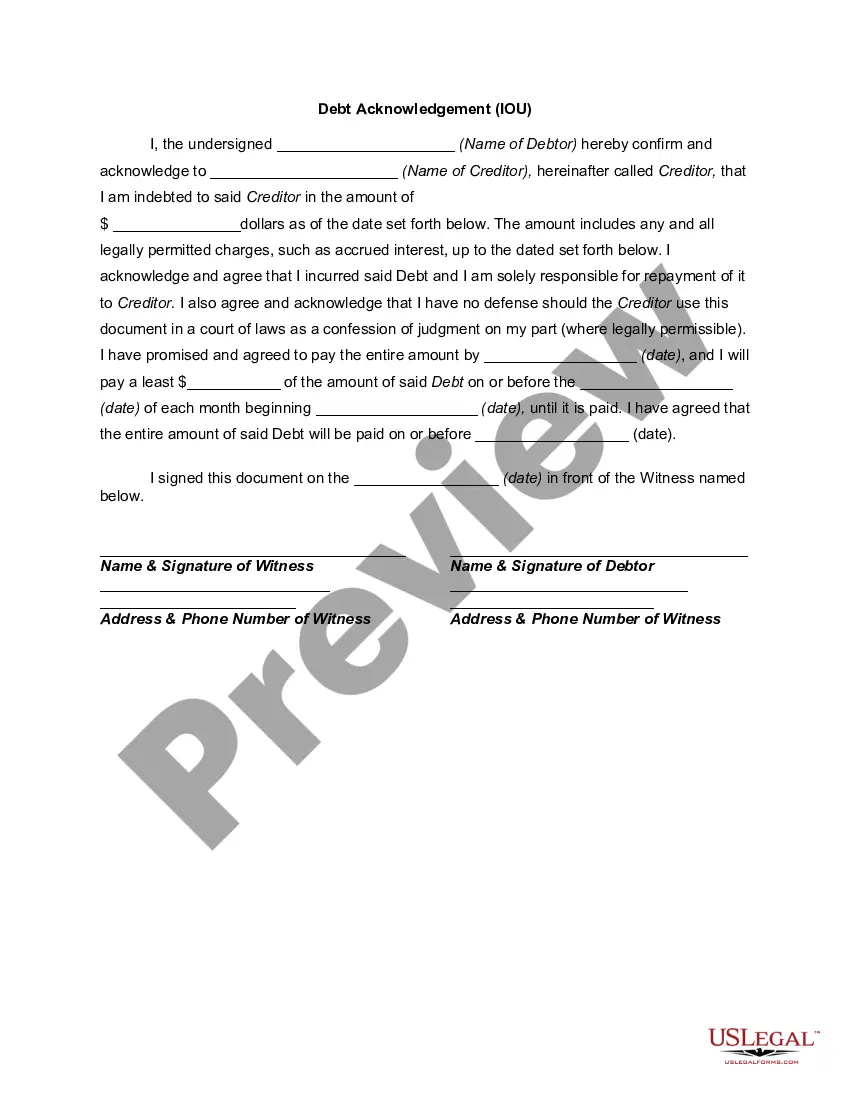
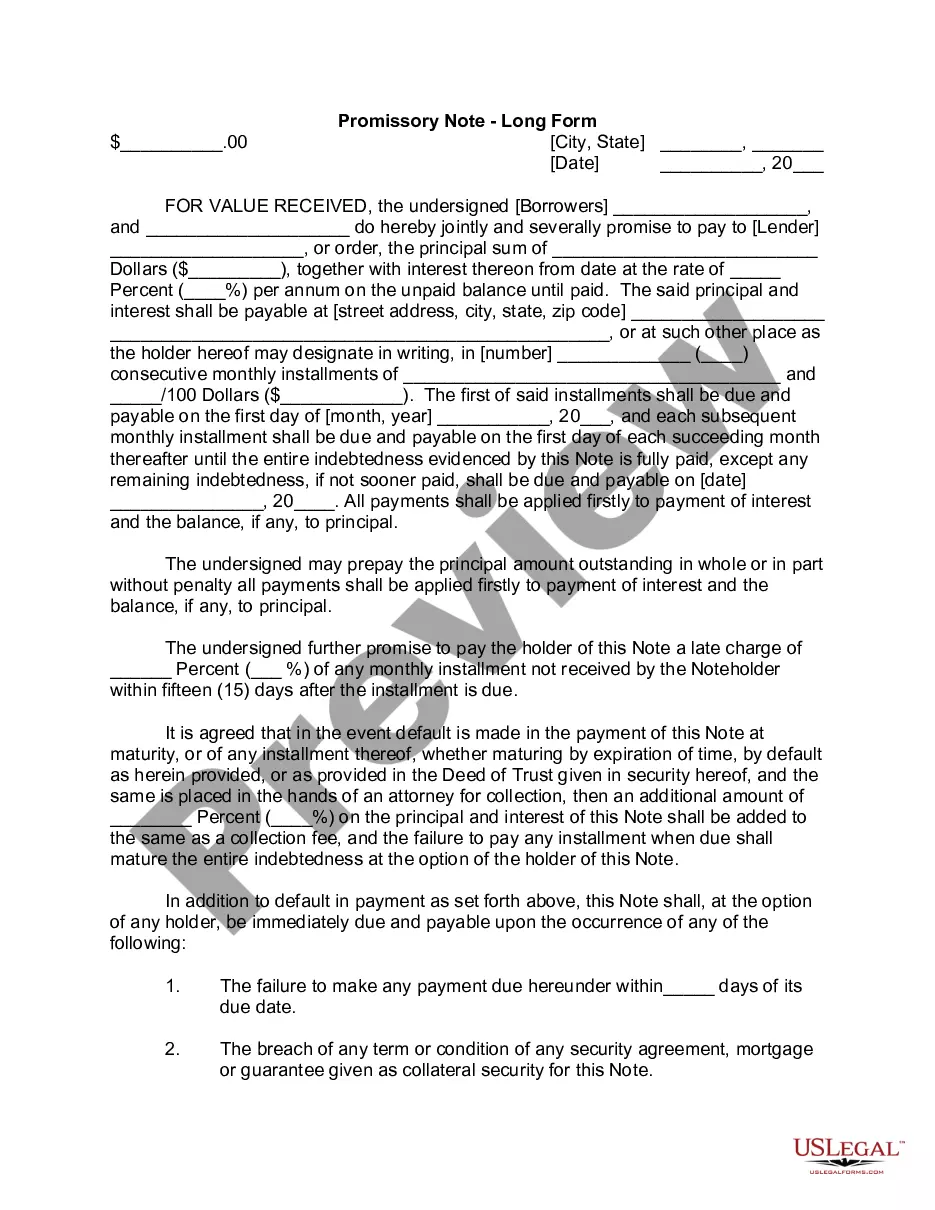
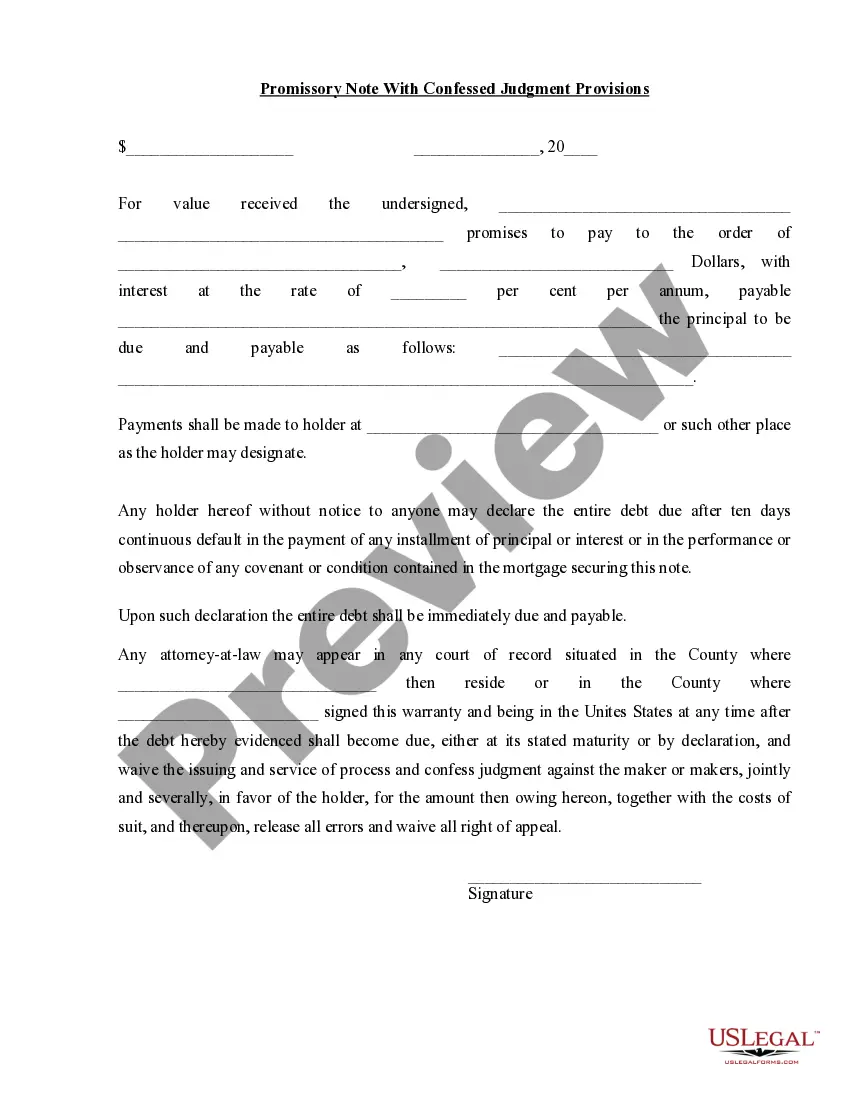
Get your form ready online
Our built-in tools help you complete, sign, share, and store your documents in one place.
Make edits, fill in missing information, and update formatting in US Legal Forms—just like you would in MS Word.
Download a copy, print it, send it by email, or mail it via USPS—whatever works best for your next step.
Sign and collect signatures with our SignNow integration. Send to multiple recipients, set reminders, and more. Go Premium to unlock E-Sign.
If this form requires notarization, complete it online through a secure video call—no need to meet a notary in person or wait for an appointment.
We protect your documents and personal data by following strict security and privacy standards.

Make edits, fill in missing information, and update formatting in US Legal Forms—just like you would in MS Word.

Download a copy, print it, send it by email, or mail it via USPS—whatever works best for your next step.

Sign and collect signatures with our SignNow integration. Send to multiple recipients, set reminders, and more. Go Premium to unlock E-Sign.

If this form requires notarization, complete it online through a secure video call—no need to meet a notary in person or wait for an appointment.

We protect your documents and personal data by following strict security and privacy standards.
Looking for another form?

Form popularity
FAQ
Individuals are eligible for debt relief if they meet the following criteria: Illinois residents. Household income at or below 400% of federal poverty level. (For 2024, this amounts to an annual income of up to $60,240 for a one-person household and up to $124,800 for a family of four)
That means a lender cannot pursue you through legal action to recoup a debt after a maximum amount of time has passed. In Illinois, that limit is ten years for a loan with a written contract or agreement and five years for any borrowing without a formal document, including credit card balances.
Most student loans are forgiven upon death. The government cannot lay claim to an individual's heirs for Federal Perkins Loans, or Stafford Loans. Again, the exception to this is if an individual has co-signed on these loans.
There are two types of debt you could inherit from your parents: loans you co-signed for them and medical debt (in certain states). Over half of U.S. states have filial responsibility laws, which say adult children may be responsible for their parents' care expenses if they can't support themselves.
Unless they co-signed a loan or credit card or jointly own property, children are not personally responsible for their deceased parent's debt in Illinois – but the estate is.
When it comes to credit card debt relief, it's important to dispel a common misconception: There are no government-sponsored programs specifically designed to eliminate credit card debt. So, you should be wary of any offers claiming to represent such government initiatives, as they may be misleading or fraudulent.
Individuals are eligible for debt relief if they meet the following criteria: Illinois residents. Household income at or below 400% of federal poverty level. (For 2024, this amounts to an annual income of up to $60,240 for a one-person household and up to $124,800 for a family of four)
The phrase in question is: “Please cease and desist all calls and contact with me, immediately.” These 11 words, when used correctly, can provide significant protection against aggressive debt collection practices.