Reconocimiento De Deuda Formato In Contra Costa
Description
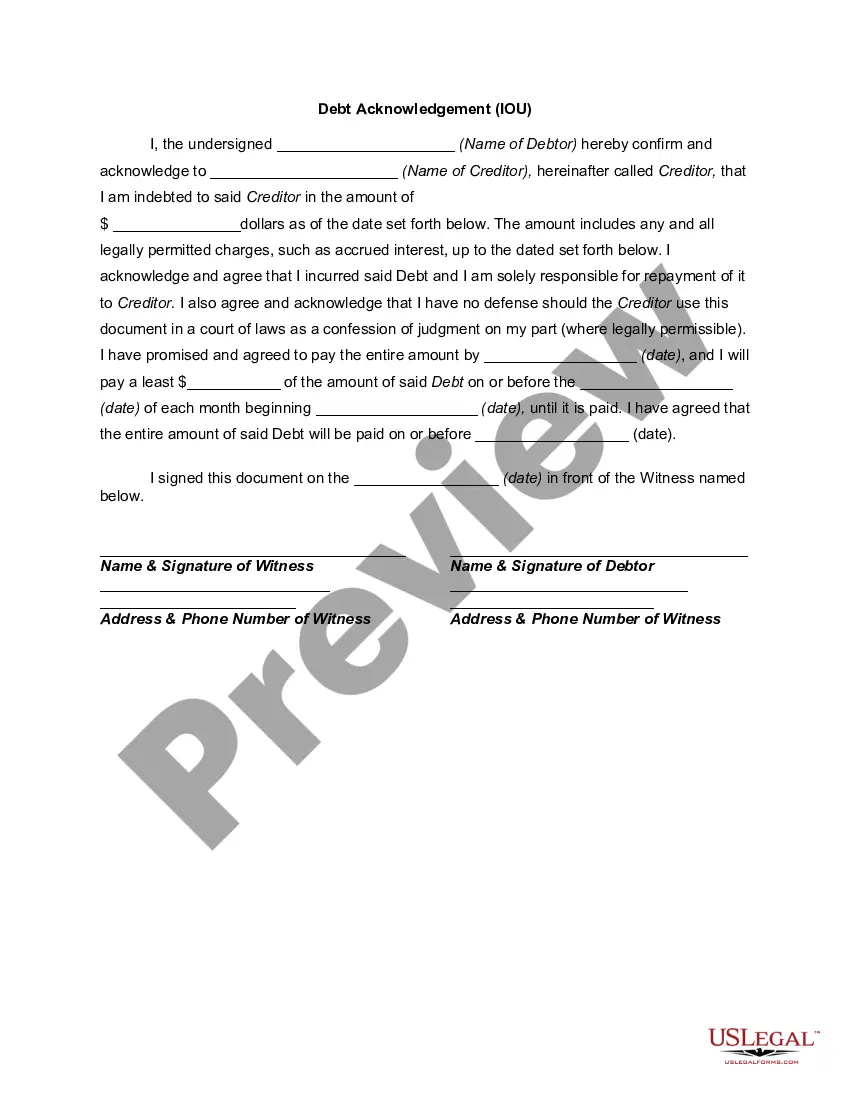
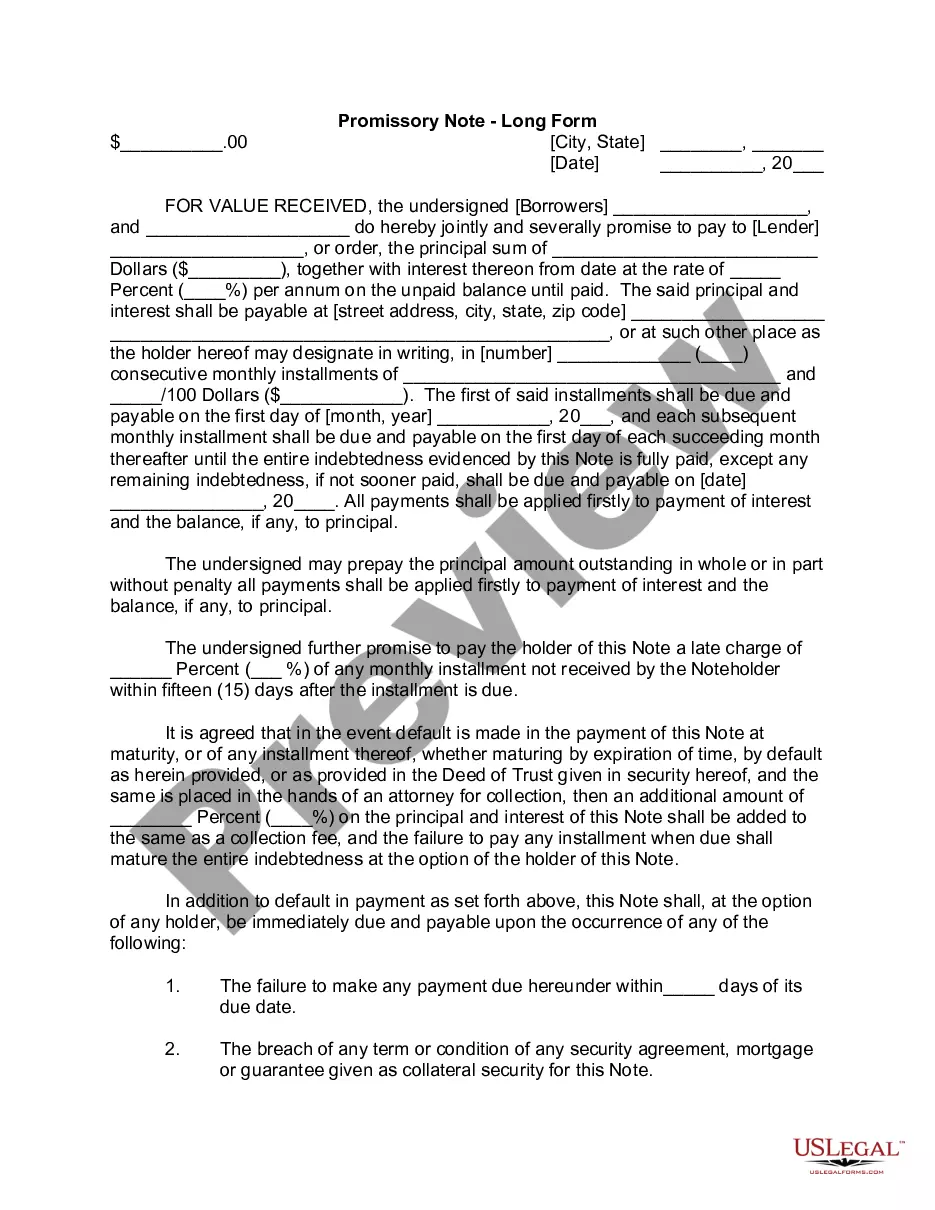
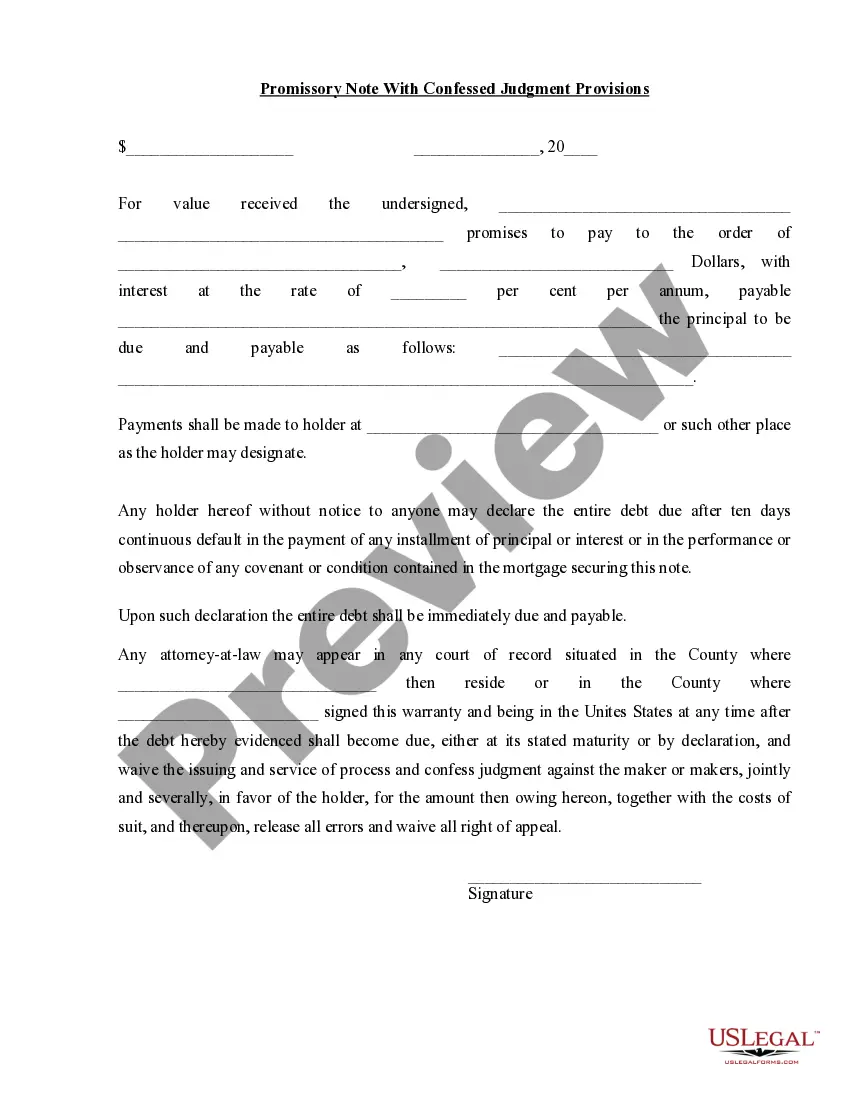
Get your form ready online
Our built-in tools help you complete, sign, share, and store your documents in one place.
Make edits, fill in missing information, and update formatting in US Legal Forms—just like you would in MS Word.
Download a copy, print it, send it by email, or mail it via USPS—whatever works best for your next step.
Sign and collect signatures with our SignNow integration. Send to multiple recipients, set reminders, and more. Go Premium to unlock E-Sign.
If this form requires notarization, complete it online through a secure video call—no need to meet a notary in person or wait for an appointment.
We protect your documents and personal data by following strict security and privacy standards.

Make edits, fill in missing information, and update formatting in US Legal Forms—just like you would in MS Word.

Download a copy, print it, send it by email, or mail it via USPS—whatever works best for your next step.

Sign and collect signatures with our SignNow integration. Send to multiple recipients, set reminders, and more. Go Premium to unlock E-Sign.

If this form requires notarization, complete it online through a secure video call—no need to meet a notary in person or wait for an appointment.

We protect your documents and personal data by following strict security and privacy standards.
Looking for another form?
Form popularity
FAQ
Conclusion: Going to small claims court may be worth it for $500, but it will determine how you weigh your costs versus benefits. At a minimum, it is worth it to send a demand letter.
Small claims basics Generally, you can only sue for up to $12,500 in small claims court (or up to $6,250 if you're a business). You can ask a lawyer for advice before you go to court, but you can't have one with you in court.
Applications for CAPI are taken in the General Assistance offices. There are three General Assistance units located in Contra Costa County. If you want to apply for CAPI or get more information on your eligibility to CAPI, please call or visit the nearest office.
Contact us at 925-655-2710 or Toll Free at 877-646-8314. You may submit a complaint form online. You may also submit a complaint form by printing and submitting by fax, mail or drop off to the office.
All Probate, Guardianship and Conservatorship documents are filed and heard in the Wakefield Taylor Courthouse in Martinez.
¿Qué pasa si no se cumple con el reconocimiento de deuda? En el caso de que el deudor no cumpla con lo pactado en el reconocimiento de deuda, el acreedor tiene derecho a iniciar un proceso de reclamación judicial. Este proceso puede llevar a embargos así como otras medidas para poder recuperar el importe adeudado.
¿Puede oponerse el deudor al reconocimiento de deuda? La persona deudora puede oponerse al abono del crédito al acreedor si aporta las suficientes pruebas que demuestren lo siguiente: El pago de la deuda ya se ha realizado previamente. La obligación original del contrato no existe o tiene posibilidad de anulación.
El reconocimiento de deuda es un acto jurídico mediante el cual una persona (el deudor) admite formalmente que debe una cantidad determinada de dinero a otra persona (el acreedor). Este reconocimiento puede realizarse de forma escrita en un documento privado o mediante escritura pública ante notario.
¿Cómo se hace un reconocimiento de adeudo? identificación del deudor (incluyendo DNI, o CIF si es persona jurídica) datos del acreedor a favor del que se reconoce la deuda. cuantía exacta de la deuda. fecha (o fechas) y forma de pago prevista para saldar la deuda. firma del deudor.
Según el artículo 1964 del Código Civil, el plazo general para reclamar una deuda de carácter personal es de cinco aos, que se aplica a todas aquellas acciones que no tienen un plazo especial para reclamar una cantidad.

