Entertainment Law Events In Chicago
Description



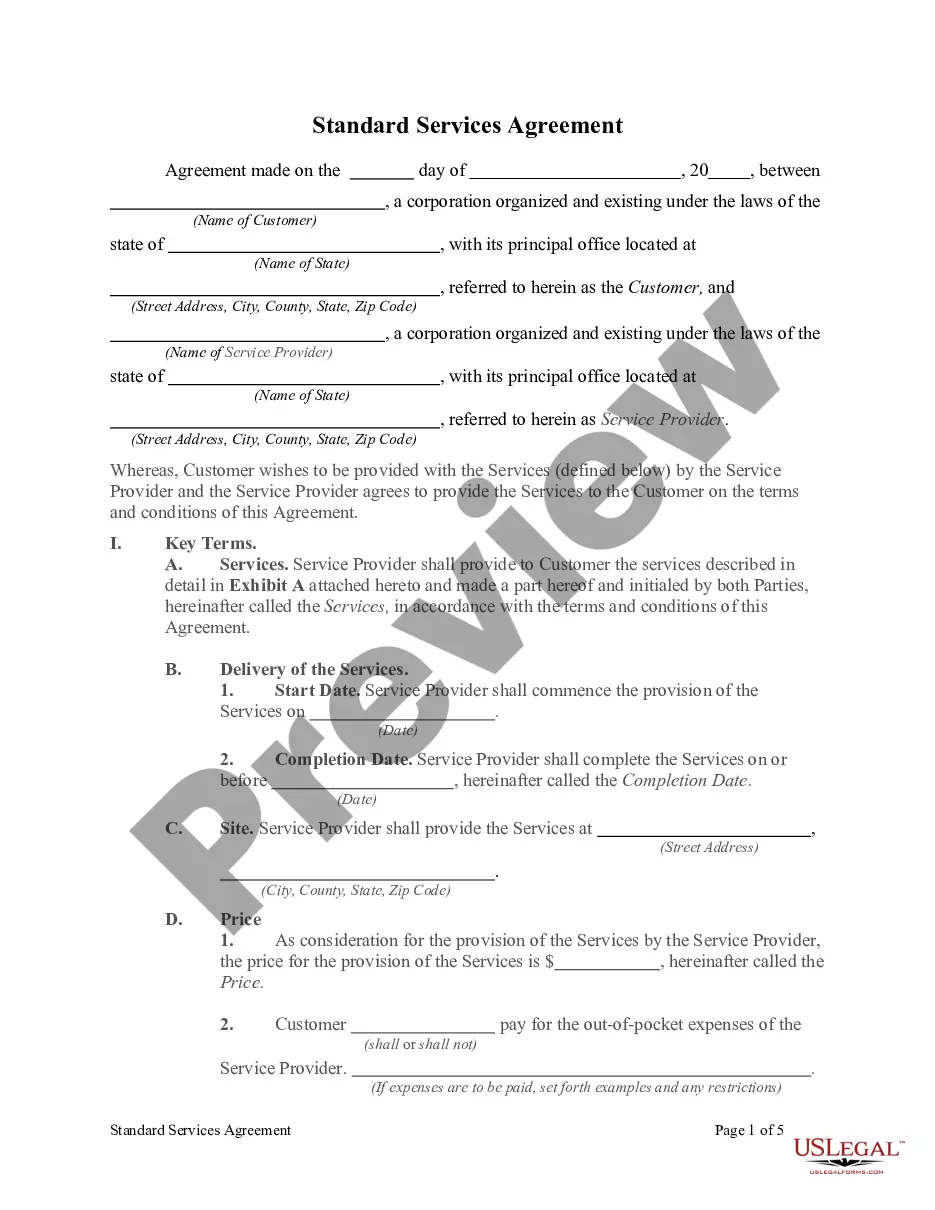
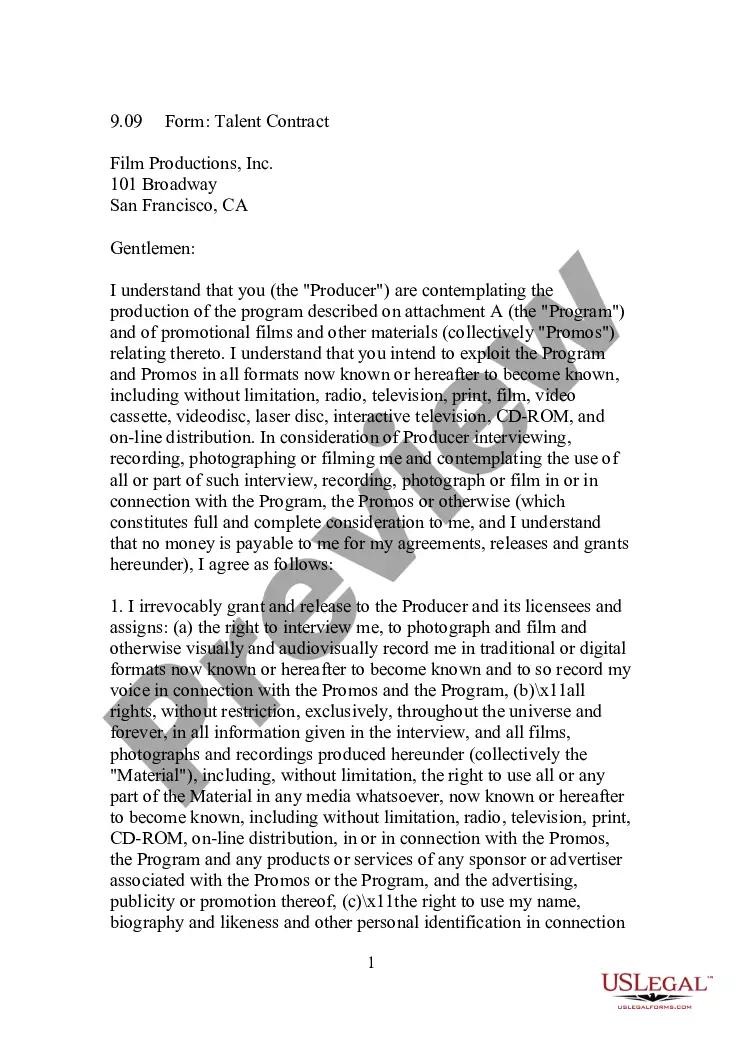
Get your form ready online
Our built-in tools help you complete, sign, share, and store your documents in one place.
Make edits, fill in missing information, and update formatting in US Legal Forms—just like you would in MS Word.
Download a copy, print it, send it by email, or mail it via USPS—whatever works best for your next step.
Sign and collect signatures with our SignNow integration. Send to multiple recipients, set reminders, and more. Go Premium to unlock E-Sign.
If this form requires notarization, complete it online through a secure video call—no need to meet a notary in person or wait for an appointment.
We protect your documents and personal data by following strict security and privacy standards.

Make edits, fill in missing information, and update formatting in US Legal Forms—just like you would in MS Word.

Download a copy, print it, send it by email, or mail it via USPS—whatever works best for your next step.

Sign and collect signatures with our SignNow integration. Send to multiple recipients, set reminders, and more. Go Premium to unlock E-Sign.

If this form requires notarization, complete it online through a secure video call—no need to meet a notary in person or wait for an appointment.

We protect your documents and personal data by following strict security and privacy standards.
Looking for another form?
Form popularity
FAQ
You Must Be Admitted to the Bar in Illinois You must pass the Illinois bar to practice law in Chicago. The Illinois Board of Admissions to The Bar administers the bar examination. If you are admitted to practice in another state, you might qualify for the Illinois Bar without taking the bar exam.
Pre-law majors are common for aspiring entertainment lawyers, though political science, history, and English are sufficient as well. The major you pursue is less important than your overall academic profile upon graduation.
Law school is an academic challenge; most students agree the first year (“1L” year) is the most difficult. In part, this is because law school is taught using methods entirely different than the lecture method used in most college classrooms.
Some law schools offer a fast-track degree you can complete in two years. These degrees typically contain the same program requirements, including external internships. If you have legal experience or prefer to learn at a faster pace, this may be an especially useful option.
Take Courses in Entertainment Law In addition to taking traditional law classes, such as constitutional law, legal writing and civil procedure, you can take courses like music industry law, arts law, taxation and intellectual property law. You can finish law school in three years.
The common degree for entertainment lawyers is the Juris Doctor (J.D.) degree. This degree program typically takes three years to complete, although many schools now offer part-time programs. Part-time programs take longer, often about four years to complete.
Entertainment law, also referred to as media law, is legal services provided to the entertainment industry. These services in entertainment law overlap with intellectual property law. Intellectual property has many moving parts that include trademarks, copyright, and the "right of publicity".
The common degree for entertainment lawyers is the Juris Doctor (J.D.) degree. This degree program typically takes three years to complete, although many schools now offer part-time programs. Part-time programs take longer, often about four years to complete.
